
Antique Writing Side Table
An antique writing side table brings functional elegance to a room, offering a compact surface suited to correspondence and display.
Antique Writing Side Table
An antique writing side table bridges the gap between a utilitarian desk and a decorative side table, featuring a manageable footprint suitable for smaller spaces. These pieces emerge primarily from the Georgian, Victorian, and Edwardian periods, reflecting the domestic needs of their respective eras.
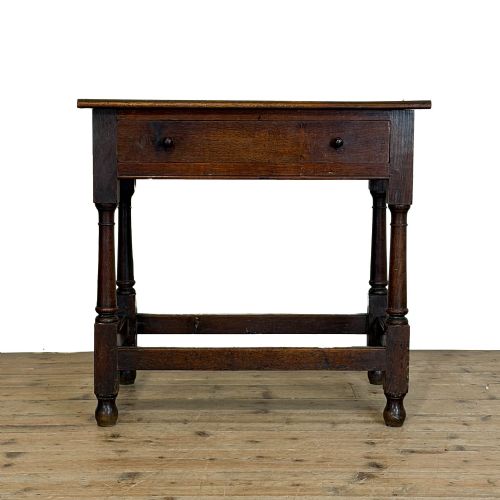
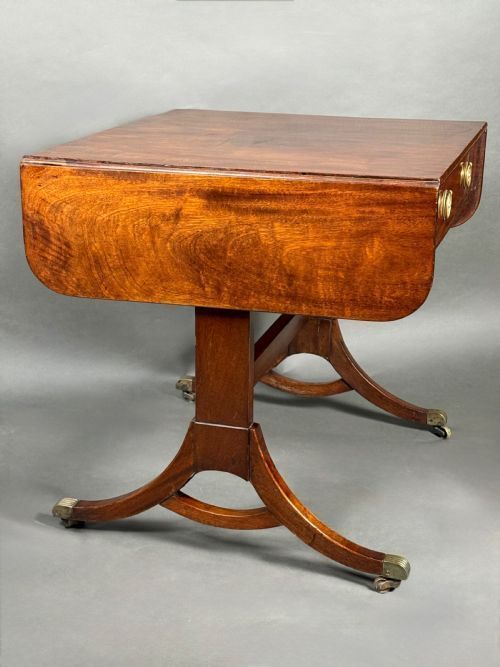
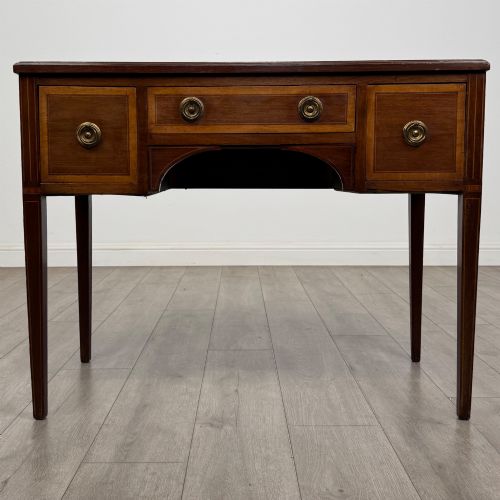
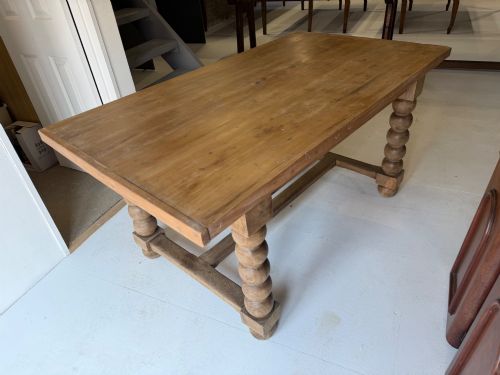
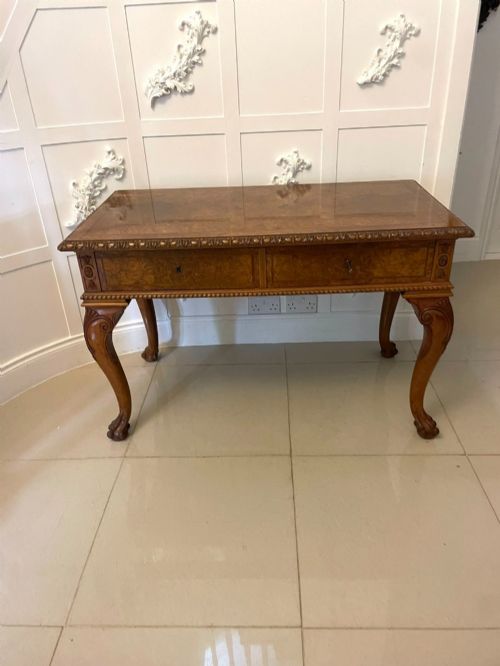
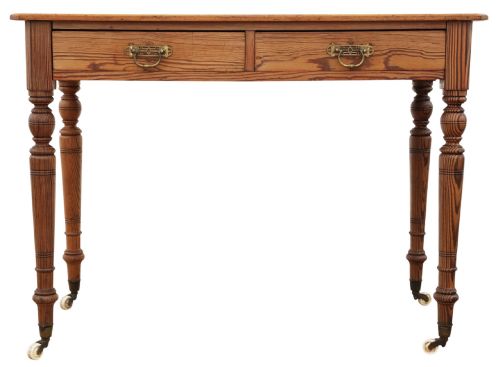
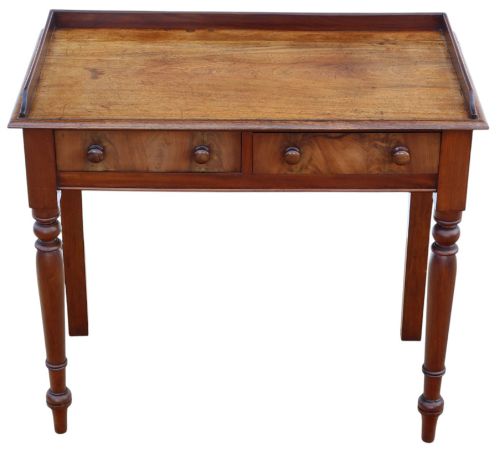
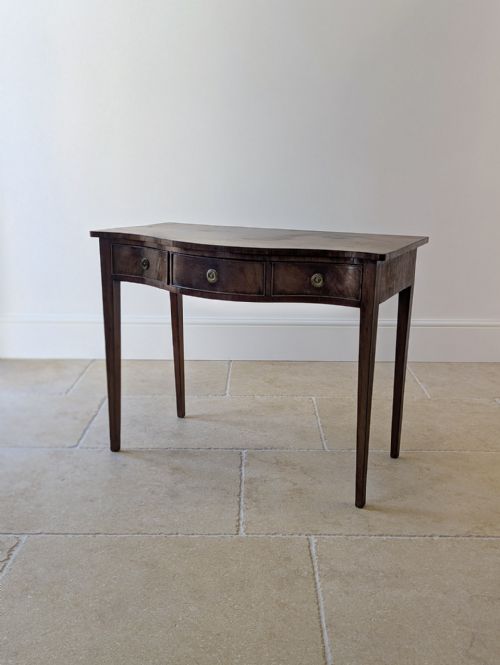
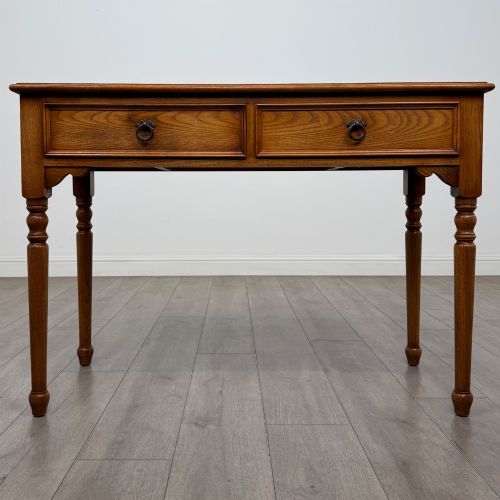
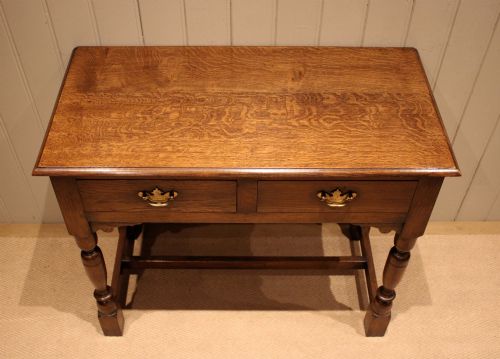
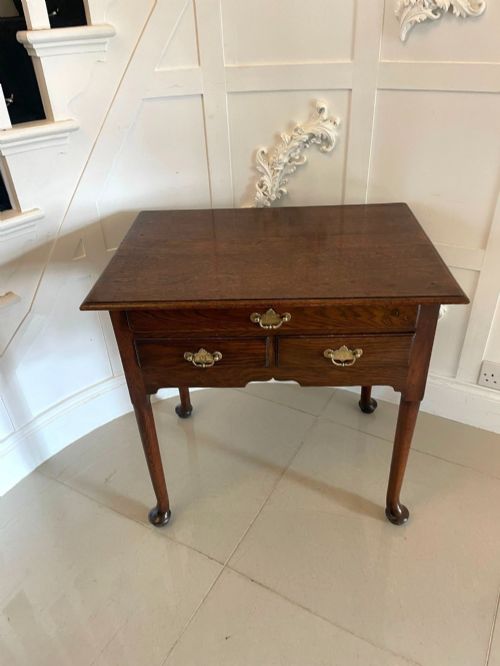
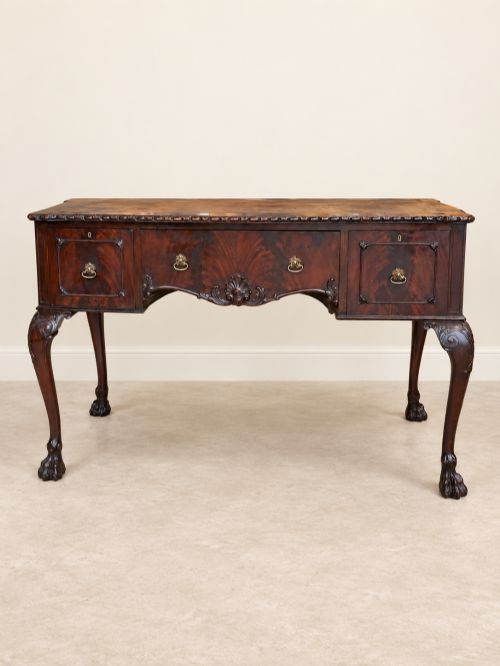
The forms vary from simple oak lowboys with single frieze drawers to sophisticated mahogany and walnut sofa tables and metamorphic designs. Makers often integrated writing surfaces with dressing or console functions, producing versatile items that served multiple rooms in a home.
How they were made
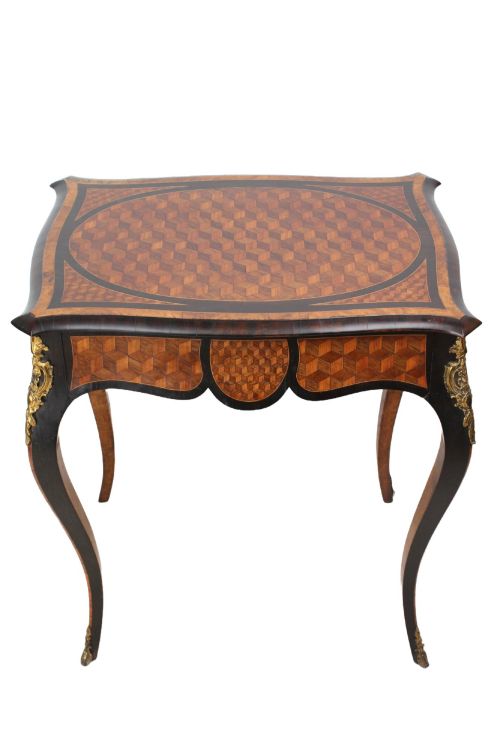
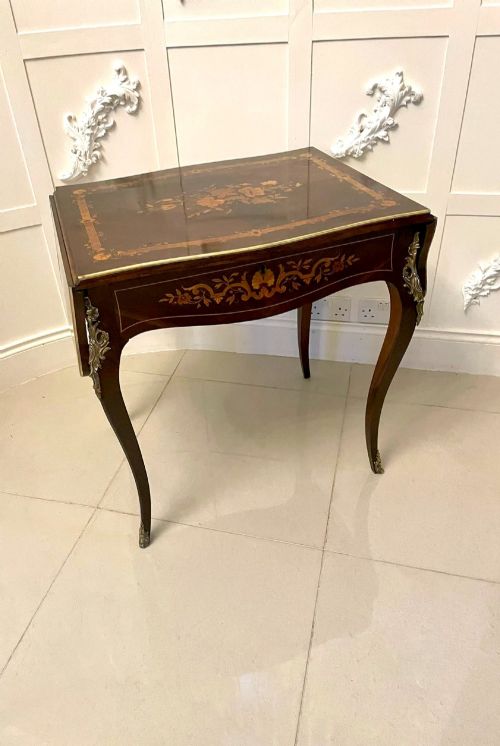
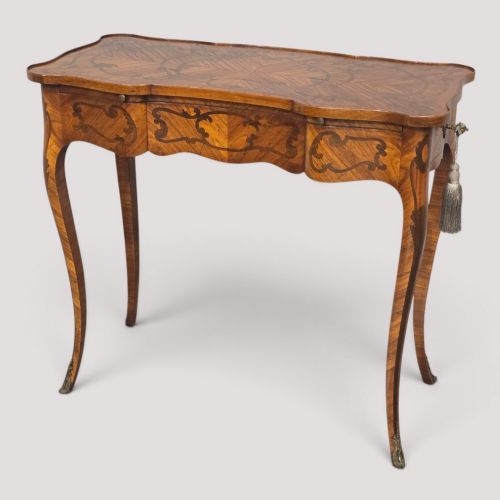
Cabinetmakers relied heavily on timbers such as mahogany, oak, walnut, and rosewood, frequently employing flame mahogany or burr walnut veneers to create striking surface patterns. Inlays of satinwood, marquetry, and parquetry added decorative contrast to the timber frames.
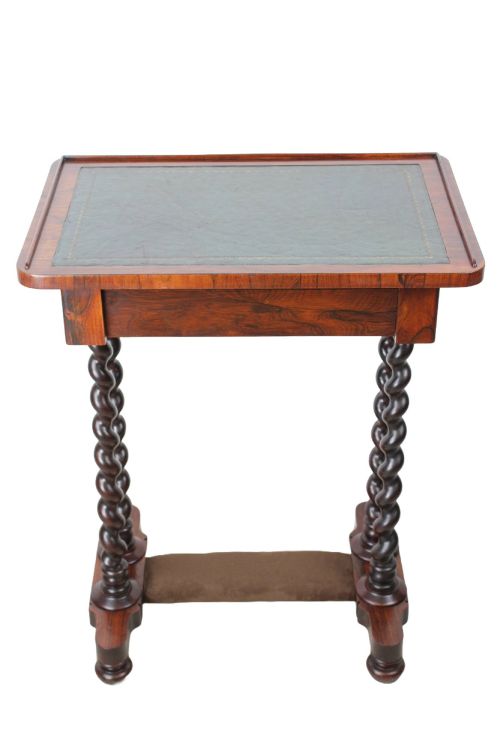
Structural integrity relied on traditional joinery, complemented by brass handles, locks, and occasionally ormolu mounts. Writing surfaces frequently incorporated inset leather or suede panels, bordered with blind tooling.
Antique Writing Side Table Retail Price Guide 2026
Typical asking prices for writing side table among the pieces listed under this phrase on Sellingantiques today, from the lower quarter to the upper quarter. They describe what is for sale here now, not the wider market.
Listings feature woods such as mahogany, oak, walnut, rosewood, and pitch pine across Georgian, Victorian, and Edwardian periods.
What varies in quality
The distinction between ordinary and exceptional pieces rests on the choice of timber and the precision of the cabinetwork. Tables utilising figured veneers like burr walnut or flame mahogany, combined with meticulous marquetry inlay, occupy the upper tier of craftsmanship.
Secondary details such as the figuration of secondary woods, the execution of dovetailed drawer construction, and the retention of original brass hardware and fitted desk interiors signal superior workshop origin.
JAS Shoolbred·Maple and Co·Edwards and Roberts
The Antique Writing Side Table Glossary
- Lowboy
- A small provincial table with one or more drawers, originating in the Georgian period and frequently utilised as a writing or dressing surface.
- Sofa table
- A rectangular table designed to stand in front of a sofa, typically featuring drop leaves on either side and dual under-tier supports.
- Bureau plat
- A freestanding French writing desk featuring a rectangular top inset with leather and a frieze containing drawers.
- Metamorphic table
- A multifunctional piece of furniture engineered to transform from a side or console table into a writing desk or reading stand.
- Marquetry
- Decorative veneer work forming pictures or geometric patterns by arranging small pieces of coloured wood, ivory, or shell.
Antique Writing Side Table: Frequently Asked Questions
Where should I place an antique writing side table?
These compact tables fit well in hallways, living rooms, or home offices where floor space is limited. Their finished backs often allow them to sit freestanding in the centre of a room rather than strictly against a wall.
Positioning them near a natural light source enhances their utility as writing surfaces while displaying the grain of woods like mahogany, walnut, or oak.
How do I care for the leather writing surface?
Many tables feature inset leather or suede writing pads that benefit from gentle dusting and occasional conditioning with appropriate leather balms. Avoid using harsh chemical cleaners or excess moisture, which can damage both the hide and the surrounding timber.
Keeping the surface protected from direct sunlight prevents the leather from fading and drying out over time.
Can these tables be used as modern computer desks?
The modest proportions of period writing tables mean they accommodate laptops and writing materials comfortably, though clearance for modern office chairs should be checked. Their shallow drawer depths are designed for stationery rather than bulky electronics.
Utilising them for light administrative tasks preserves their historic structure while adding character to a workspace.