


Edwardian Folding Tea Table
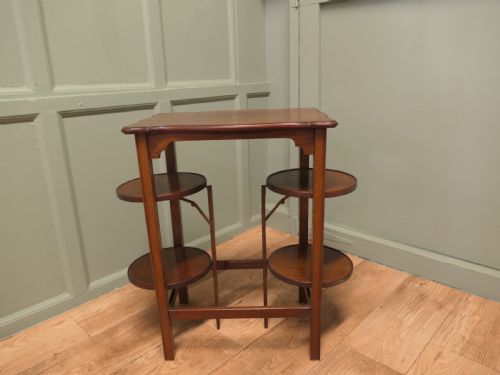
An Edwardian folding tea table provides a practical surface that packs away neatly when tea is done.

Edwardian Folding Tea Table
An edwardian folding tea table combines domestic convenience with compact design, offering a surface that adapts easily to smaller spaces. These pieces emerge predominantly from the Edwardian period alongside nineteenth century examples.
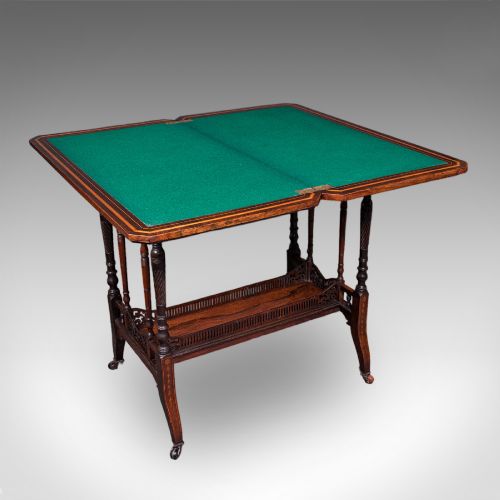
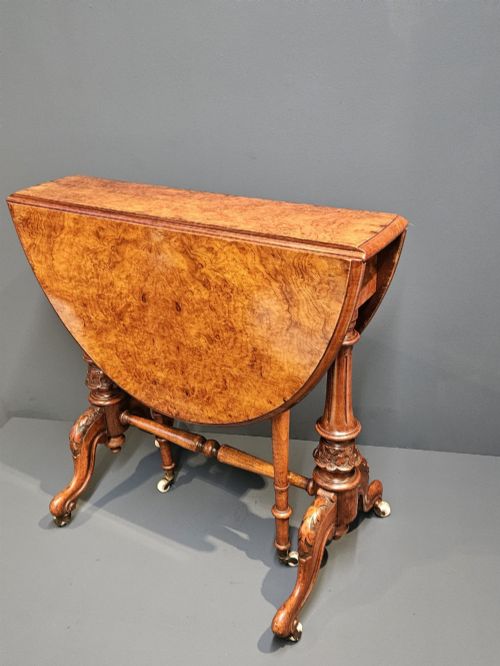
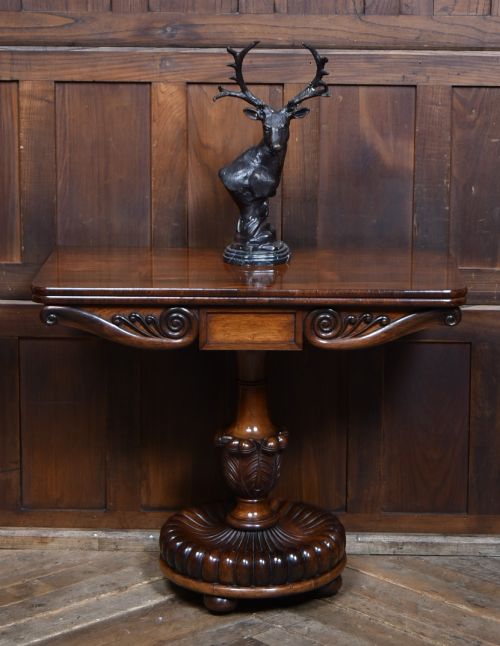
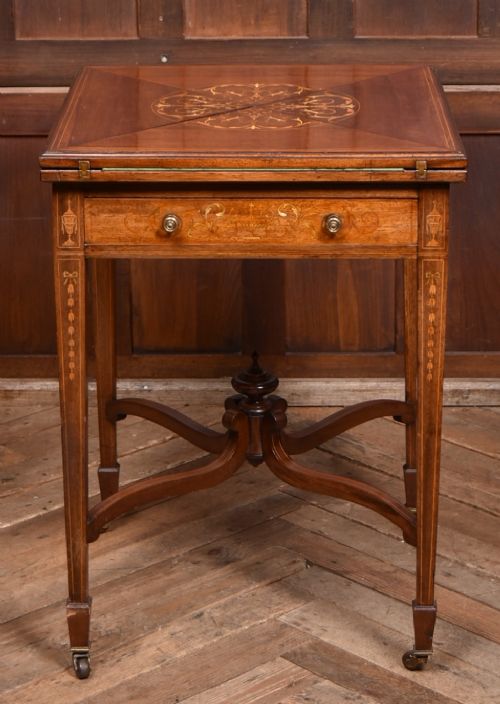
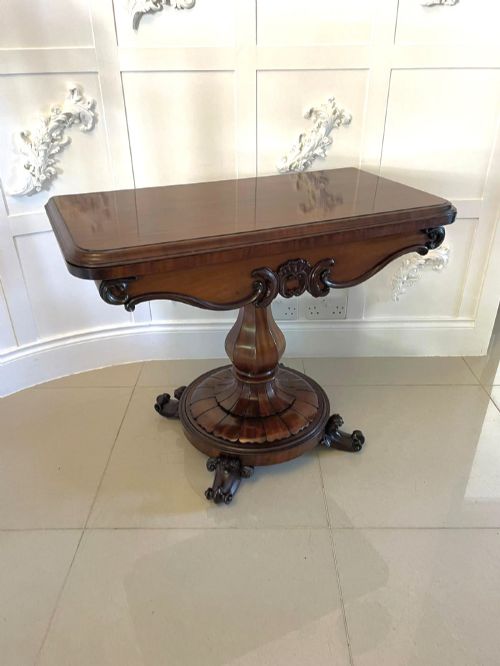
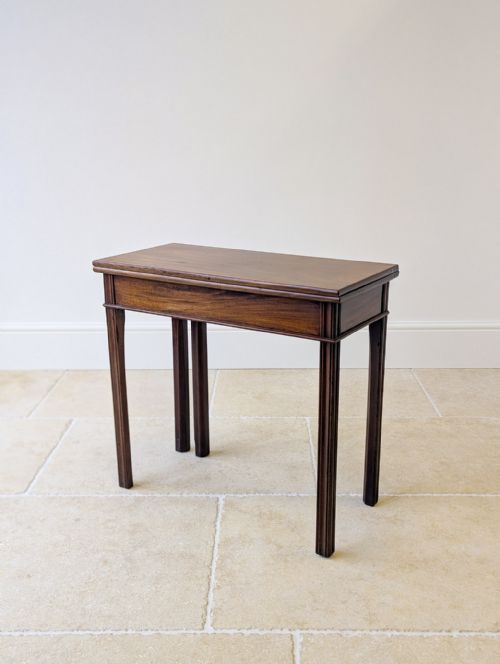
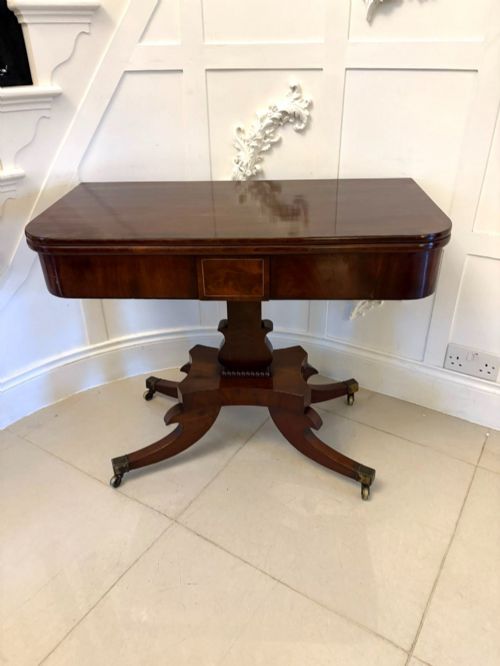
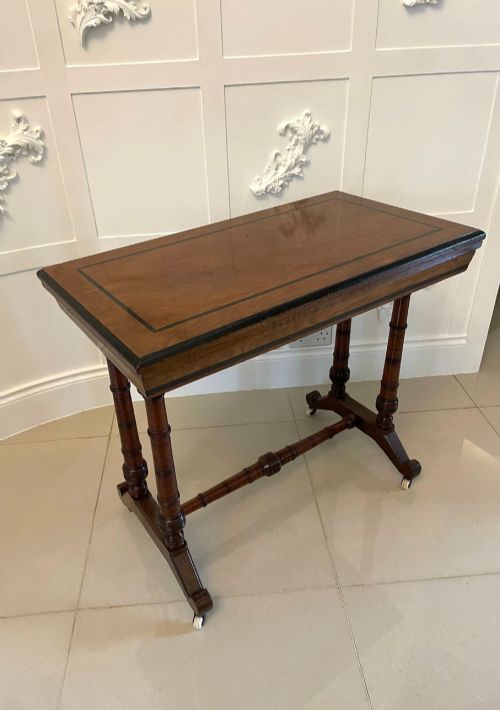
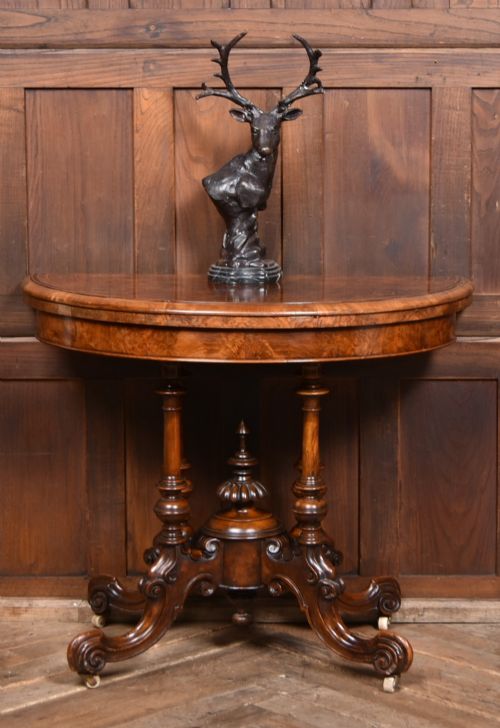
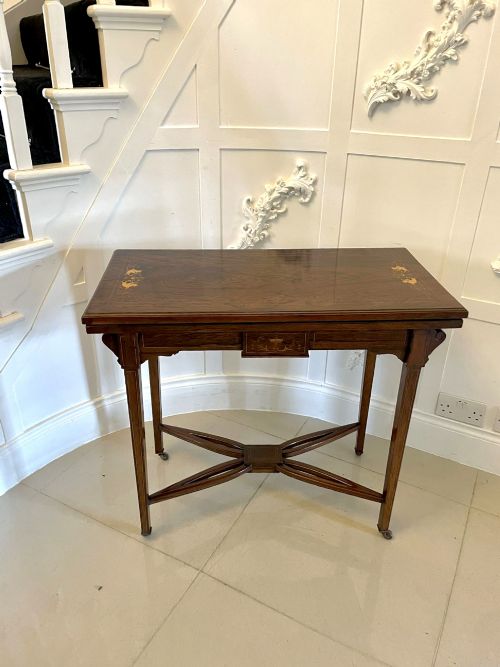
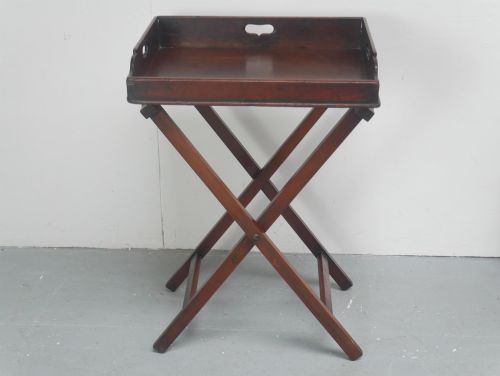
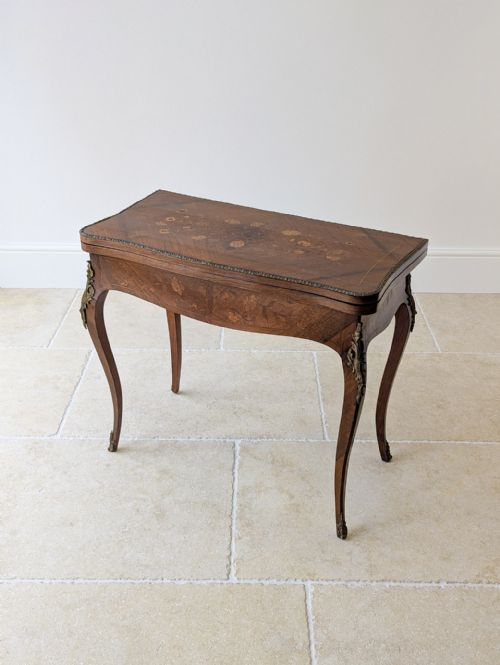
Buyers encounter forms such as demilune fold-over card tables, envelope tables, and drop-leaf occasional tables alongside standard tea and cake stands. Mahogany and walnut dominate the selection, often enriched with satinwood or bone inlay.
Stylistic influences range from classic Georgian and Hepplewhite revivals to Anglo-Indian Hoshiarpur pieces and Arts and Crafts simplicity. The core purpose remains hospitality and display, delivered through clever hinged mechanisms.
How they were made
Timbers such as mahogany, walnut, rosewood, and satinwood form the structural foundation, shaped into tops and folding leaves. Cabinetmakers utilised sturdy leg joints and brass hinges to ensure smooth operation during daily use.
Decorative detailing relies on intricate boxwood and satinwood stringing, bone inlay, or carved teak typical of Anglo-Indian production. French polishing or wax finishes seal the timber while highlighting natural grain patterns.
Edwardian Folding Tea Table Retail Price Guide 2026
Typical asking prices for edwardian folding tea table among the pieces listed under this phrase on Sellingantiques today, from the lower quarter to the upper quarter. They describe what is for sale here now, not the wider market.
The inventory spans Victorian, Edwardian, and Regency periods with distinct card and tea table forms.
What varies in quality
The precision of the folding or swivel mechanism dictates the daily practicality and structural integrity of the piece. Well-made examples operate smoothly without wobble when extended.
The refinement of timber selection and inlay work separates standard utility furniture from finer parlor pieces. Sharp carving on applied details and balanced grain matching indicate superior workshop execution.
The Edwardian Folding Tea Table Glossary
- Demilune
- A half-moon shape commonly seen on the tops of folding card and console tables. This form allows tables to sit flat against a wall when closed.
- Sutherland table
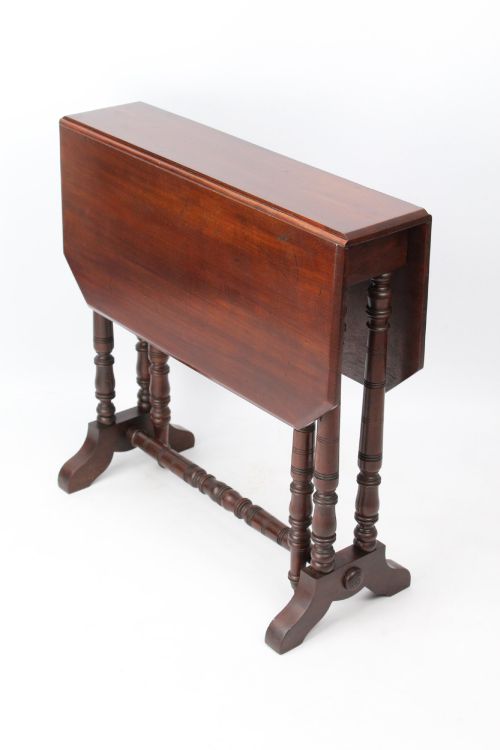
- A narrow drop-leaf table with exceptionally small flaps supported by swinging gate legs. It folds down into a very flat profile for storage.
- Hoshiarpur
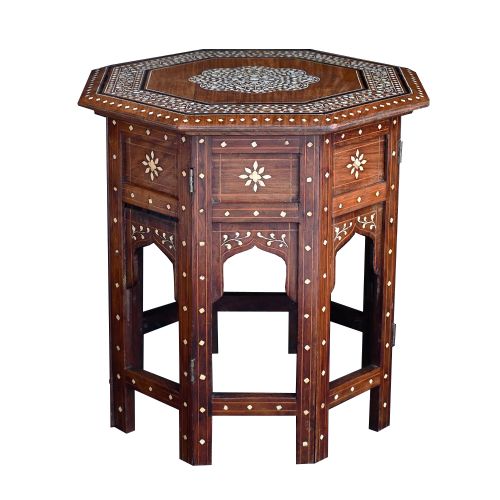
- A style of woodwork originating from India involving intricate inlaid patterns of bone or pale wood within dark timber. These pieces often feature octagonal tops.
- Envelope table
- A square card table with four triangular flaps that swivel and fold over each other to form an envelope shape. The mechanism opens to reveal a baize-lined playing surface.
- Gateleg table
- A table with hinged leaves supported by legs that swing outward like a gate. This construction provides robust support for folding surfaces.
Edwardian Folding Tea Table: Frequently Asked Questions
How do folding tea tables work?
These tables rely on hinged tops, swivel actions, or drop leaves supported by folding gate legs. The clever mechanical design allows a small footprint to expand into a full serving or card surface.
Most models operate manually with brass pivots or wooden supports that lock into position when opened.
Were these used only for tea?
While designed to support afternoon tea service, cake stands and folding tables served multiple domestic duties. They acted as temporary surfaces for reading, sewing, or casual entertaining in the parlor.
Many variants also doubled as card or games tables featuring baize-lined tops.
How do I spot an Edwardian piece?
Edwardian furniture typically dates from the early twentieth century, showing lighter proportions than heavy Victorian designs. Look for satinwood stringing, mahogany frames, and revival styles referencing Hepplewhite or Sheraton.
Construction methods often include machine-assisted joinery alongside traditional hand-finishing.
What is Anglo-Indian inlay?
Anglo-Indian inlay refers to decorative woodwork produced in India during the British colonial period for export. Artisans carved dense teak or shesham woods and embedded intricate geometric patterns using bone or pale hardwood.
These distinctive pieces frequently feature octagonal tops and folding bases.