





Turn Over Top Games Table
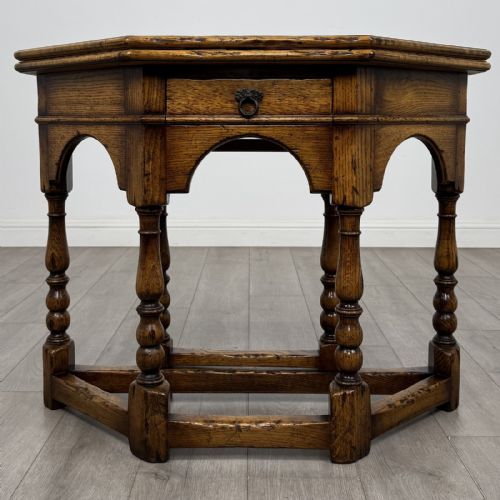
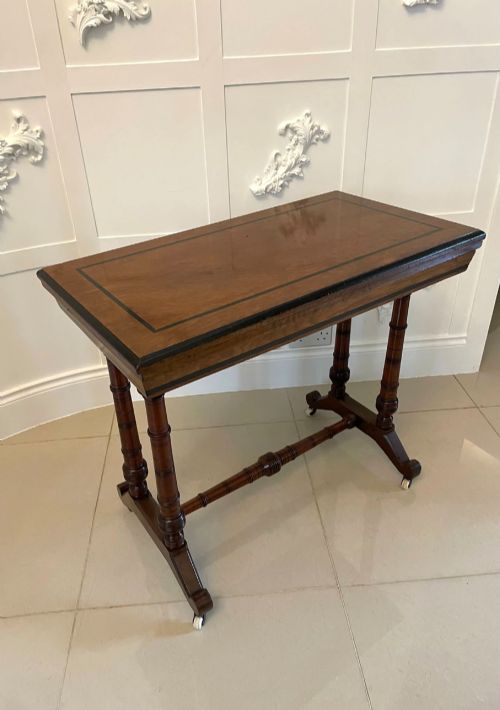
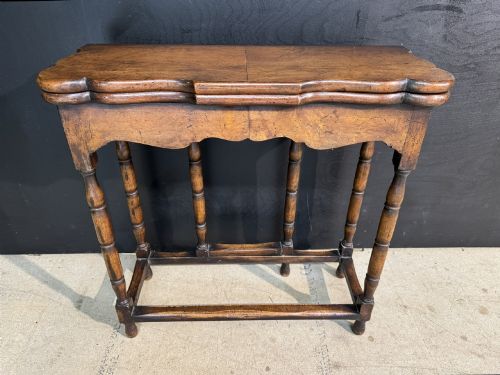
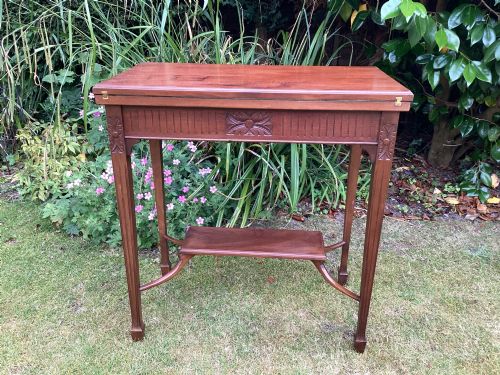
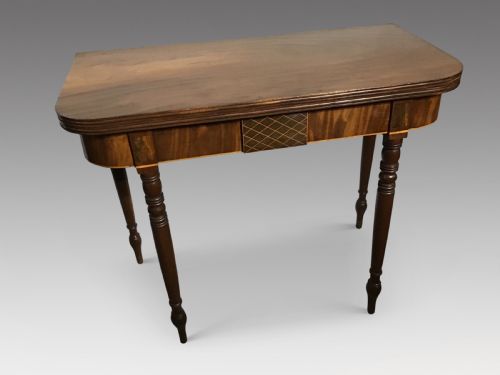
These turn over top games table pieces combine ingenuity with social history, offering a versatile surface that transforms from a side console into a dedicated board or card arena.
Turn Over Top Games Table
When you search for a turn over top games table, you encounter an ingenious piece of furniture designed for leisure and domestic hospitality across several centuries. These tables feature a hinged or pivoting surface that opens to reveal a baize-lined playing surface, often concealing a hidden well for cards and counters beneath the top.
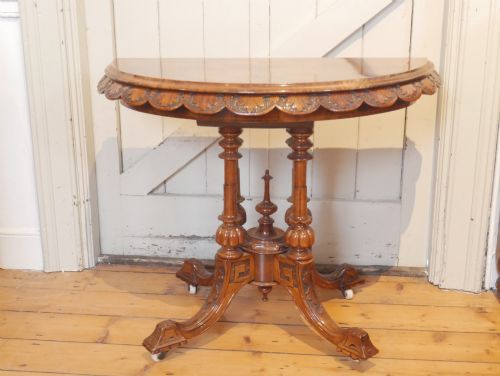
The versions you are most likely to meet on this page span the Georgian, Victorian, and Edwardian periods, constructed in forms that double as tea or side tables when closed. They range from rectilinear George III mahogany designs to serpentine Victorian burr walnut examples and delicate satinwood pieces.
Makers adapted these dual-purpose tables for various rooms, producing demilune, rectangular, and square formats that suited both formal drawing rooms and intimate parlours. Their primary function was to save space while providing a stable, elegant platform for evening entertainment.
Assessing quality in folding tables
Quality rests heavily on the selection of timber veneers and the precision of the wood inlay, where finer examples display seamless grain matching across the fold. The stability of the hinge mechanism and the tightness of the joints when closed indicate the skill of the original workshop.
Proportion and restraint separate standard domestic pieces from exceptional cabinet work, particularly in hand-painted satinwood decoration or carved friezes. A well-balanced frame that remains steady whether open or closed demonstrates superior structural engineering.
Turn Over Top Games Table Retail Price Guide 2026
Typical asking prices for turn over top games table among the pieces listed under this phrase on Sellingantiques today, from the lower quarter to the upper quarter. They describe what is for sale here now, not the wider market.
Some hidden wells beneath the folding tops still retain faint traces of chalk used for keeping score during long Georgian card nights.
Gregory and Co
The Turn Over Top Games Table Glossary
- Demilune
- Half-moon shape. This semicircular form is frequently found on the folding leaves of Georgian and later card tables.
- Rule joint
- A moulded knuckle joint connecting a fixed table top to its hinged flap. It prevents the leaf from sagging when extended.
- Baize
- A coarse woollen felt material traditionally used to line the playing surface of card and games tables.
- Satinwood
- A yellowish-glowing tropical timber utilised for intricate inlay, banding, and painted decorative panels on late period tables.
- Burr walnut
- Timber taken from the abnormal growth of a walnut tree, yielding rich, swirling grain patterns highly prized by Victorian cabinetmakers.
Turn Over Top Games Table: Frequently Asked Questions
How do these tables open?
Most designs feature a top that either pivots on a central swivel pin or lifts on a knuckle hinge to rest upon a swing leg or concertina frame. This action doubles the surface area and reveals the concealed well.
The supporting leg typically swings out from the rear frieze to bear the weight of the opened leaf, ensuring stability during card play.
Where were they placed?
In period homes, these tables stood against drawing room or parlour walls as decorative side or tea tables when not in use for gaming. Their finished backs and polished timbers allowed them to sit prominently in the room.
When evening arrived, servants or hosts moved them into the centre of the space to accommodate card players around the fire.
How do I date a table?
Dating relies on timber choice, leg profile, and inlay style, moving from heavy Georgian mahogany cabriole legs to refined Edwardian satinwood painting. Georgian examples often feature straightforward mahogany or subtle stringing, whilst Victorian versions favour burr veneers and elaborate walnut turning.
Examining the secondary woods inside the frame and the construction of the hinge mechanism provides further clues to the exact period of manufacture.
Can I use it daily?
These tables function well for everyday domestic use as side or occasional surfaces, provided you protect the polished polish from heat and moisture. Opening and closing the top requires gentle handling to preserve the historic hinges and rule joints.
Avoiding placement near direct sunlight or radiators protects the delicate walnut and satinwood veneers from drying and splitting over time.