


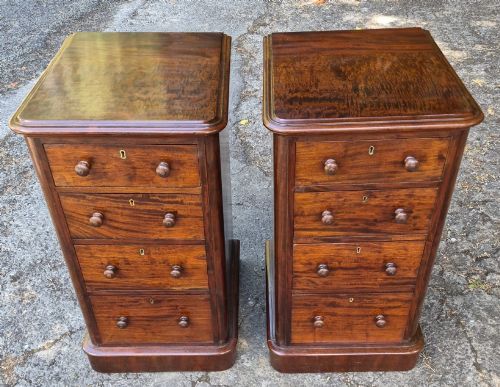
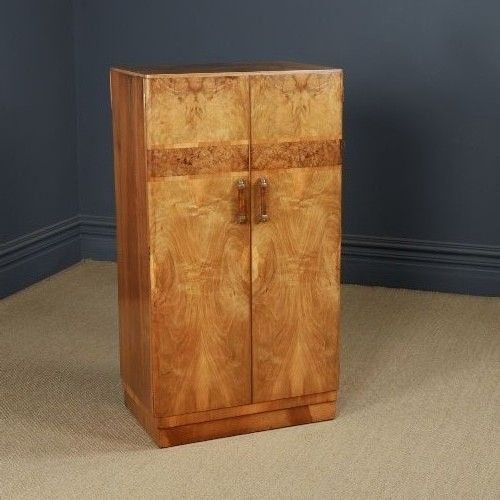
Small Tallboy
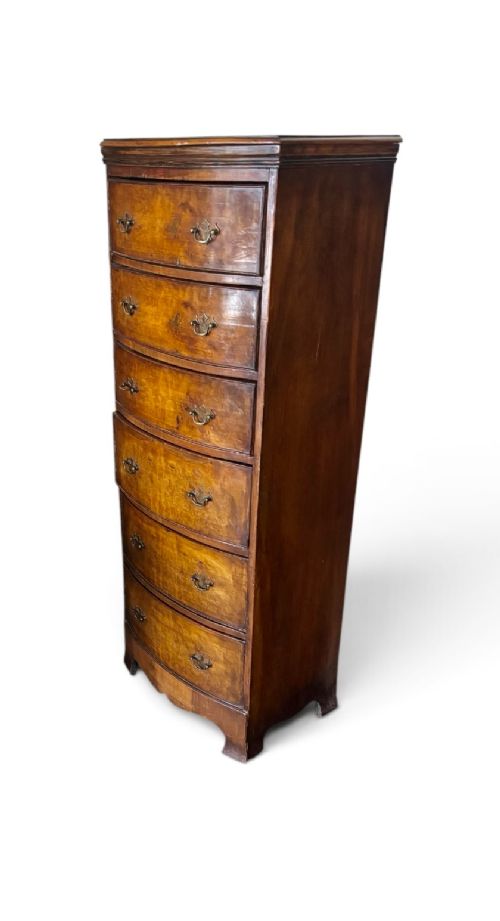
A small antique tallboy is a stacked storage piece offering vertical capacity in compact footprints, prized for period character and proportions.
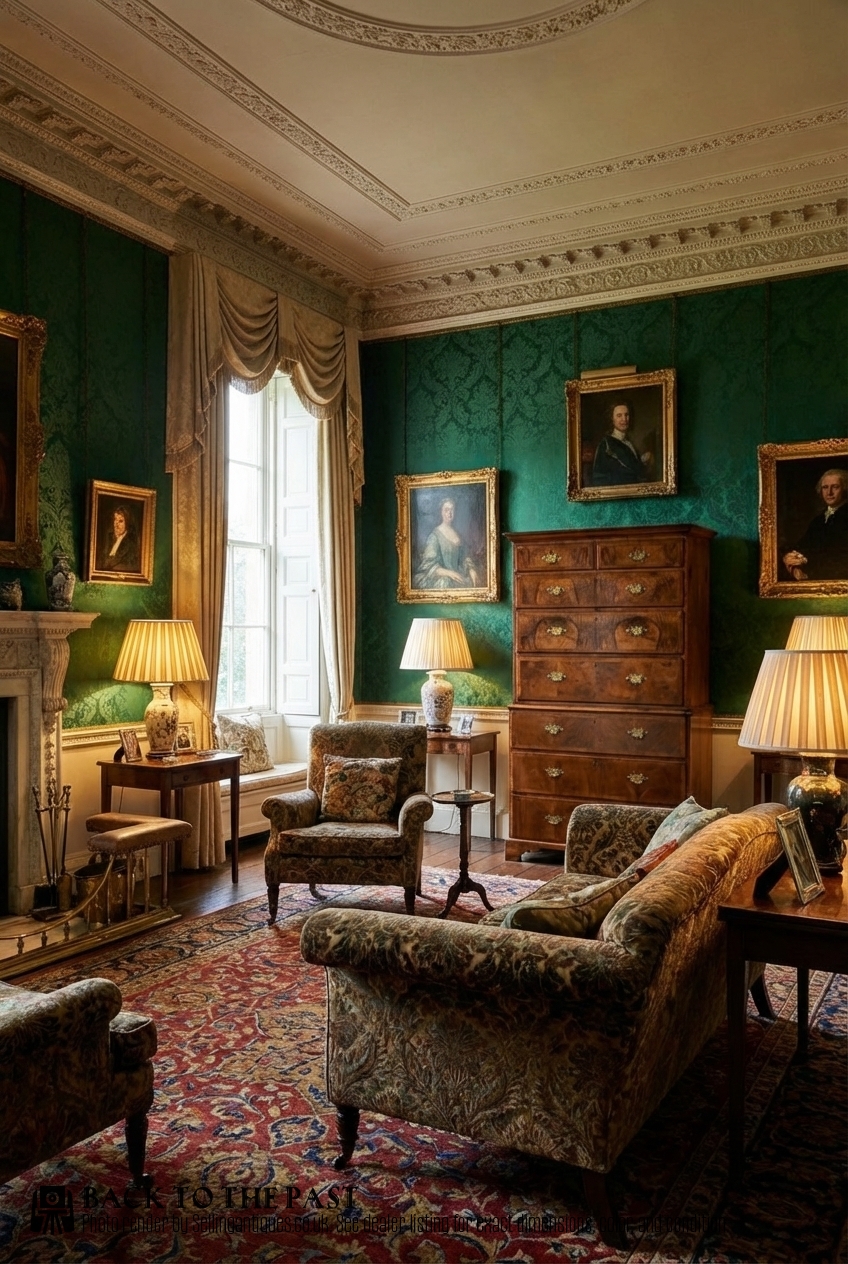
Small Tallboy
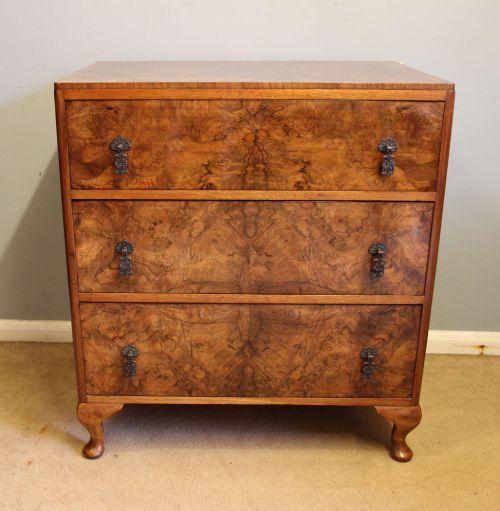
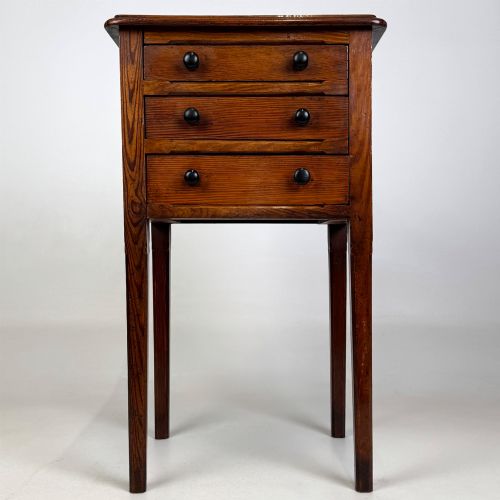
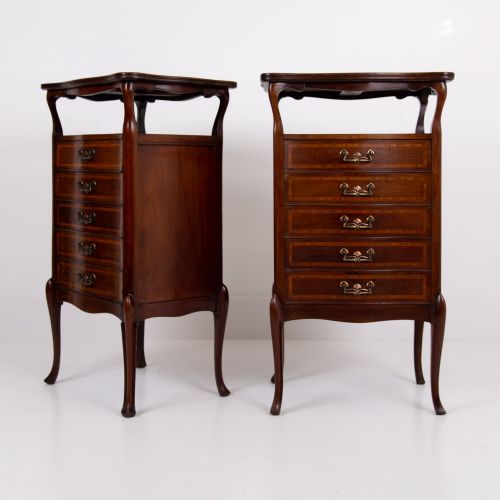
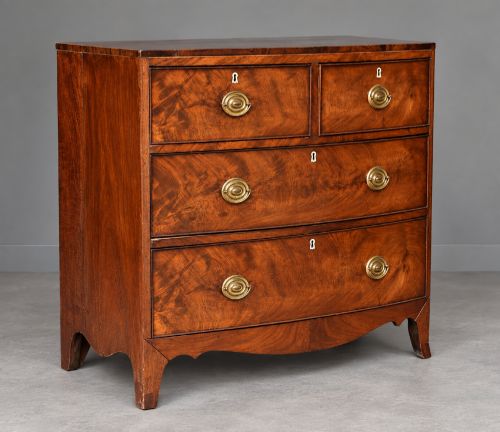
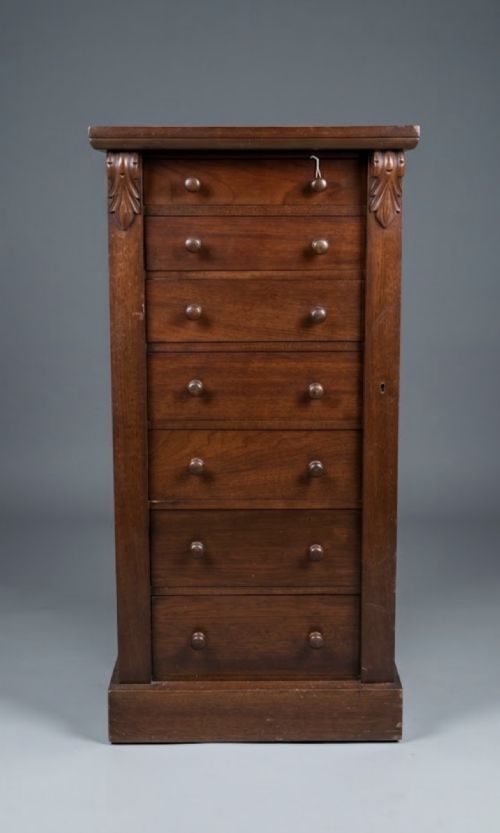
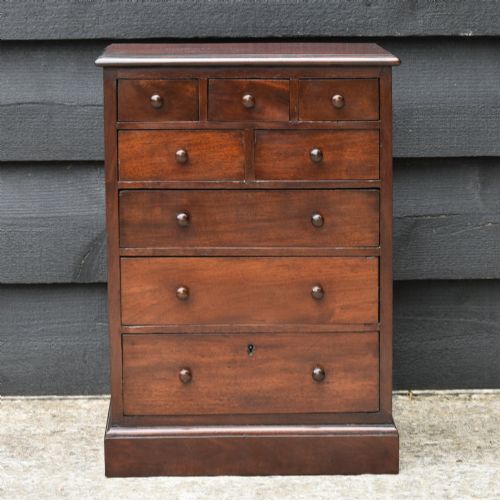
A small antique tallboy combines vertical chest designs into compact units, most frequently encountered in walnut and mahogany from Georgian, Victorian, and later periods. Buyers seeking these pieces want upright storage that fits narrower wall spaces while retaining traditional drawer configurations.
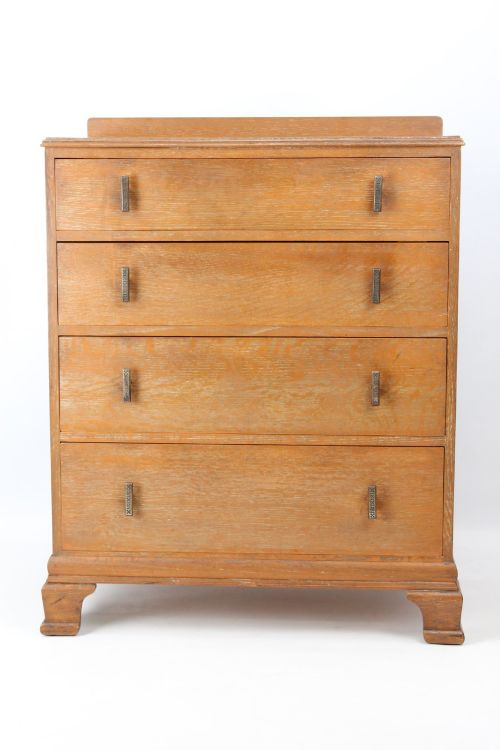
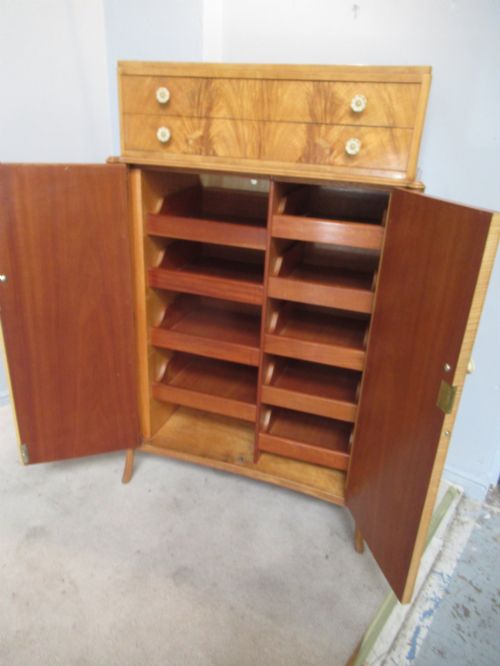
The selections span distinct historical eras, ranging from eighteenth-century George III examples to early twentieth-century interpretations in the Georgian Revival and Art Deco styles. These pieces often take the form of chests on chests or compactum wardrobes designed to maximise storage without overwhelming a room.
Materials and Construction
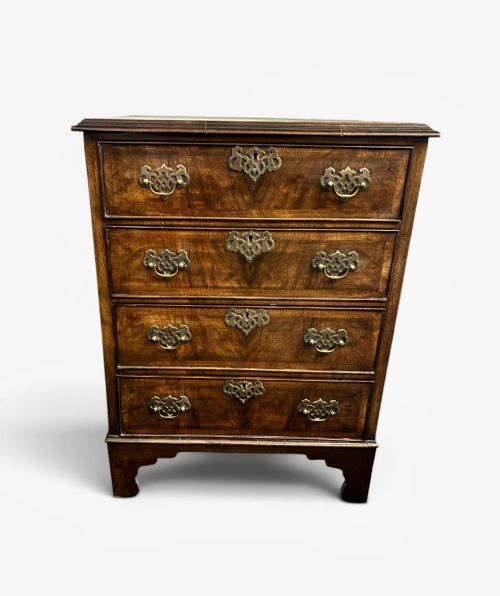
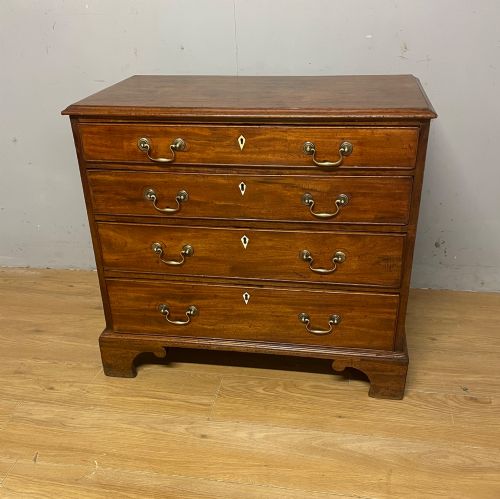
Cabinet makers utilised dense hardwoods such as mahogany and oak for structural integrity, frequently applying figured walnut or burr walnut veneers to primary display surfaces. Satinwood and brass hardware provide subtle contrast and structural detailing on drawer pulls and escutcheons.
Construction methods rely on traditional joinery techniques, uniting solid timber frames with secondary woods inside drawer linings. Surface finishes depend on hand-applied polish that highlights the natural grain patterns of the timber.
Current listings feature pieces spanning the Georgian, Victorian, and Edwardian eras, constructed primarily in mahogany, walnut, and oak.
Evaluating Quality
Quality rests on the choice of timber veneer and the precision of the grain matching across multiple drawer fronts. Superior examples exhibit harmonious figuring, particularly in burr walnut or figured mahogany, maintained across the entire elevation.
Proportion and execution define the upper tier, where bracket feet, crossbanded borders, and original brass handles integrate seamlessly with the carcase. The handling of secondary woods and internal drawer construction reveal the competence of the original workshop.
Gillows of Lancaster
The Small Tallboy Glossary
- Tallboy
- A tall chest of drawers, often constructed as one chest stacked upon another chest or stand. This vertical format provides substantial storage capacity while occupying minimal floor space.
- Bowfront
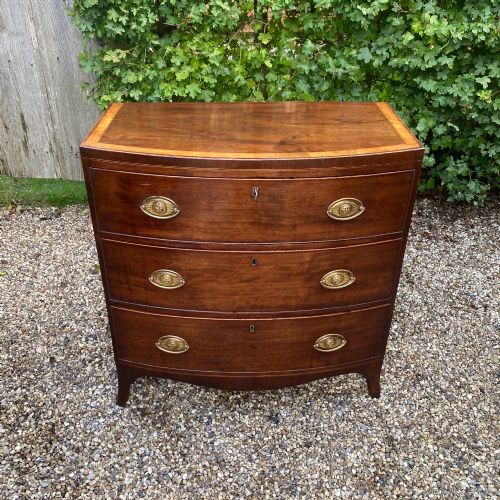
- A curved front facade where the central section projects outward in an arc. This stylistic choice softens the vertical lines of a case piece.
- Crossbanding
- A decorative border of veneer laid around the perimeter of a drawer front or top with the grain running perpendicular to the centre panel. It frames the primary wood figure.
- Escutcheon
- A protective plate surrounding a keyhole, frequently cast in brass. It prevents wear to the surrounding wood from repeated use of the key.
Small Tallboy: Frequently Asked Questions
What is a small antique tallboy?
A small antique tallboy is a vertical storage unit, typically built as a chest on chest or compactum, designed to hold garments while taking up minimal floor area.
These pieces combine several tiers of drawers in a stacked formation, allowing collectors to enjoy period cabinet making in rooms with restricted wall space.
How do I date a tallboy?
Dating involves examining the timber species, construction methods, handle hardware, and foot styles against known historical periods such as Georgian or Victorian.
Secondary woods inside the drawers and the style of dovetail joints also provide clear indicators of the era in which the piece was constructed.
Where should I place a tallboy?
A tallboy suits bedrooms, hallways, or dressing rooms where vertical storage is required without sacrificing precious floor space.
The modest footprint allows the piece to fit neatly against narrow walls while drawing the eye upward to appreciate the timber grain and proportions.
How do I care for walnut furniture?
Walnut furniture benefits from stable indoor environments away from direct heat sources and strong sunlight that can dry out the timber and fade the polish.
Regular dusting with a soft, dry cloth preserves the finish, and occasional application of appropriate wax maintains the natural lustre of the wood.