
Silver Tableware Set
A silver tableware set brings polished refinement to the dining table through enduring pieces shaped from solid sterling silver or silver plate.
Silver Tableware Set
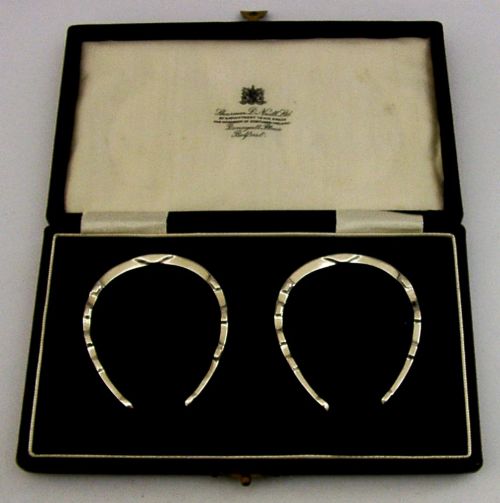
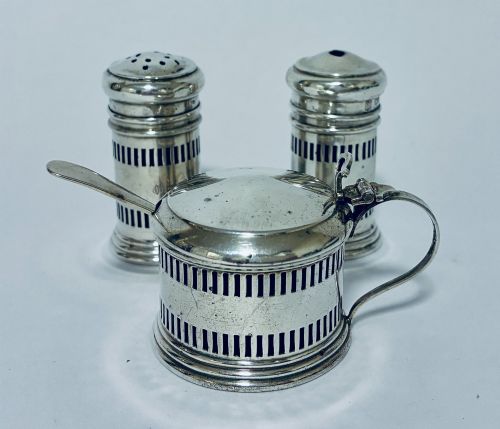
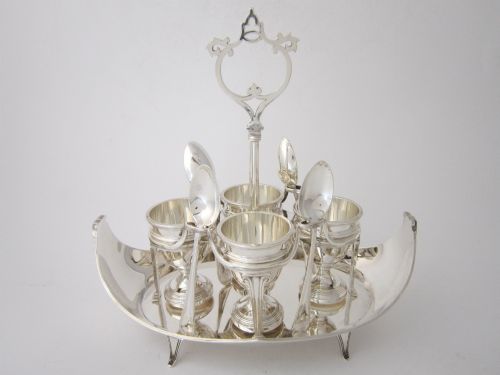
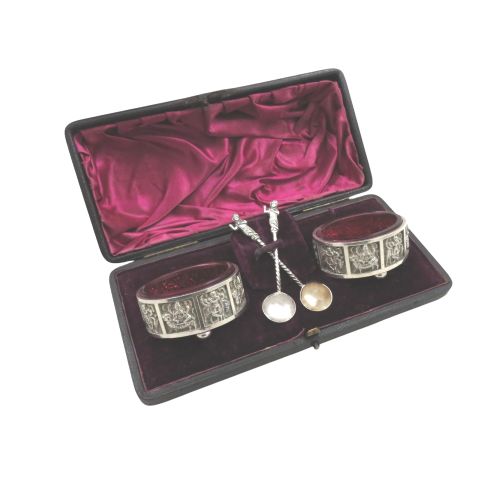
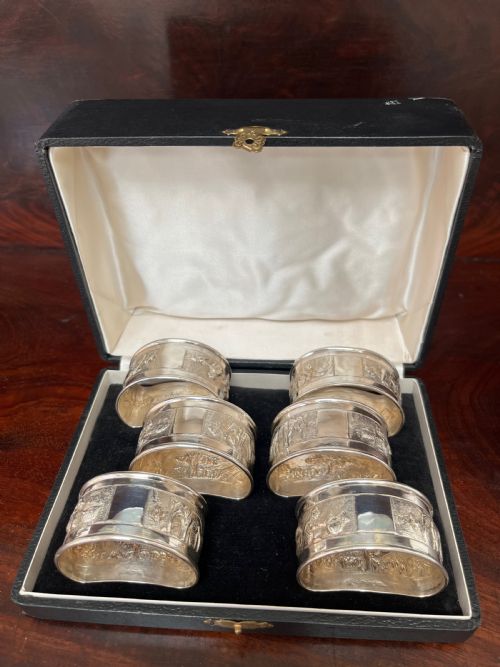
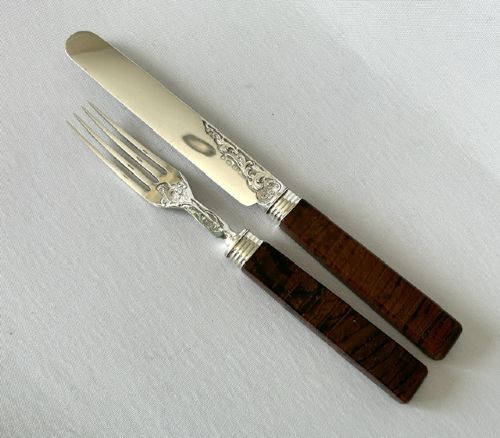
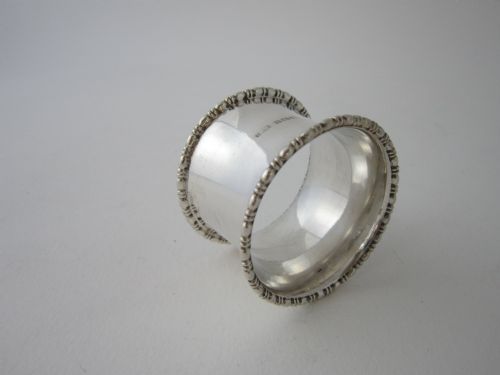
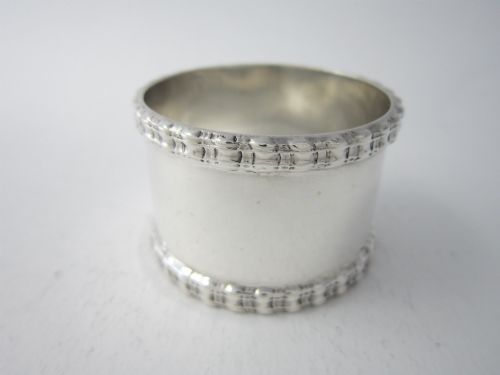
A silver tableware set encompasses functional dining accessories ranging from cased napkin rings and cruet sets to individual condiment pots, cutlery, and serving pieces. The pieces encountered here span the Victorian, Edwardian, and Art Deco periods, alongside Georgian and later twentieth-century iterations.
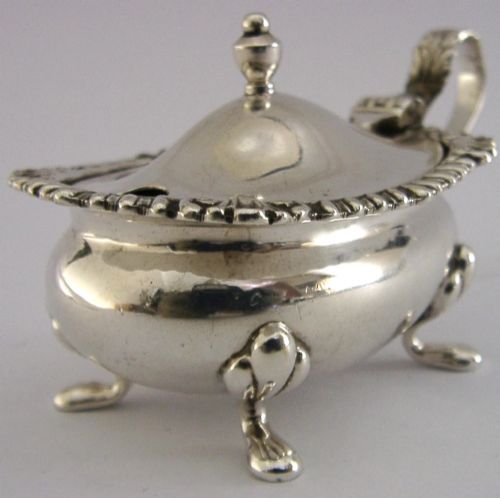
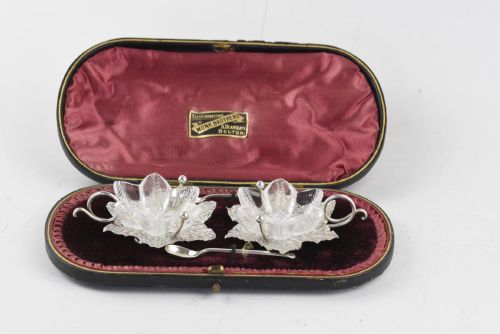
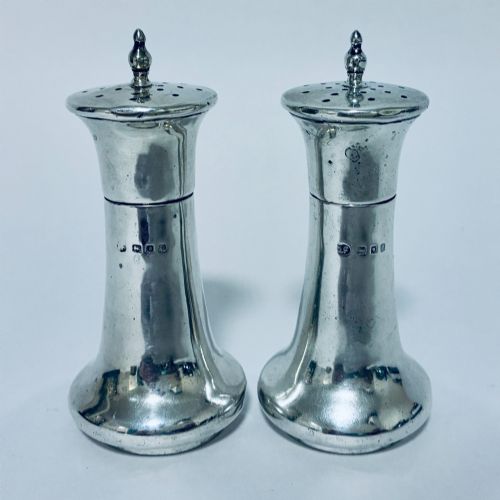
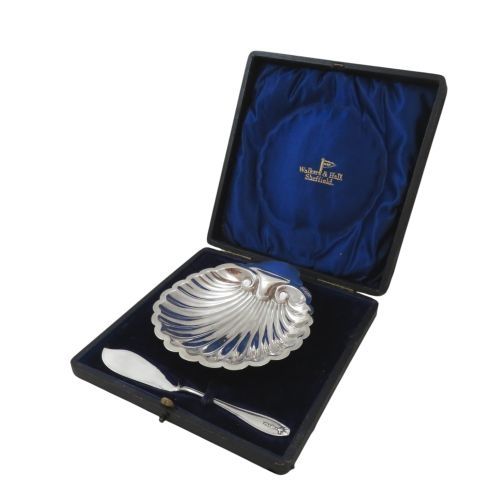
Cruet sets, mustard pots, salt cellars, and pepper pots often appear alongside complete cutlery services and specialised strawberry or butter dishes. Many examples retain their original fitted leather or velvet-lined presentation cases, indicating their initial purpose as gifts or high-status household acquisitions.
Materials and Construction
Silversmiths utilised solid sterling silver and durable silver plate over base metals, frequently incorporating glass liners to protect metal surfaces from corrosive condiments like mustard and salt. Supplementary materials such as cut glass, wood, silk, velvet, agate, and ceramic plates appear in complex multi-part dining sets.
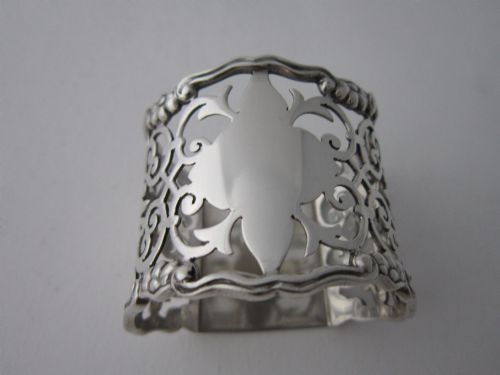
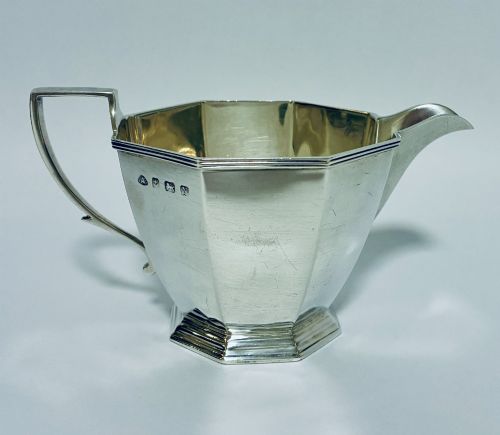
Decoration techniques recorded across the items include delicate piercing, embossing, repoussé work, and rat-tail detailing on handles. Hallmarks stamped into the metal indicate the assay office, maker, and year of production for British sterling pieces.
Materials paired with the metal include cut glass, wood, velvet, silk, and painted ceramic plates.
Judging Quality and Craftsmanship
Quality rests upon the weight of the metal, the crispness of chased or embossed details, and the integrity of structural joins on handles and stands. Thicker gauge silver resists dents and maintains structural stability during daily use better than lighter alternatives.
The presence of matching components, complete original sets of cutlery or cruet bottles, and undamaged glass liners or fitted cases elevate the desirability of a service. The reputation of the maker and clear, legible hallmarks further distinguish superior items.
Charles and George Fox·William Comyns·William Burwash·The Goldsmiths and Silversmiths·Daniel Arter·Walker and Hall
The Silver Tableware Set Glossary
- Sterling silver
- A silver alloy containing 92.5 percent pure silver and 7.5 percent other metals, usually copper, chosen for durability in tableware. British pieces typically bear a lion passant hallmark to confirm this standard.
- Silver plate
- A manufacturing method where a thin layer of silver is bonded to a base metal core such as copper or nickel brass. This technique offered an accessible alternative to solid silver for large dining services.
- Cruet set
- A matched collection of bottles, jars, or pots designed to hold condiments like mustard, pepper, salt, vinegar, and oil at the table. These sets often rest within a dedicated silver or silver-plated stand.
- Hallmark
- A series of official marks stamped onto precious metal items to guarantee the purity of the metal, identify the maker, and record the year and office of assay. These stamps provide a reliable method for dating antique silver.
- Rat-tail
- A traditional strengthening tongue of metal running down the reverse of a spoon bowl or fork stem. This feature originates from seventeenth-century silversmithing and persists as a stylistic choice in later Edwardian cutlery.
Silver Tableware Set: Frequently Asked Questions
What pieces belong in a silver tableware set?
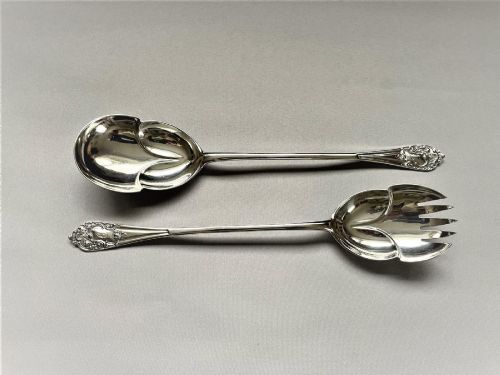
A set typically includes coordinating dining accessories such as napkin rings, salt cellars, mustard pots, cruet stands, and flatware. Some configurations extend to specialised serving pieces like salad servers, butter dishes, and strawberry sets.
These collections vary from matched multi-piece suites intended for formal dining to smaller boxed groups designed for everyday domestic utility.
How do I care for antique silver tableware?
Regular gentle cleaning with a specialised silver cloth removes tarnish without abrading the surface or wearing away thin plating. Avoid harsh abrasive dips, and wash pieces by hand in warm soapy water immediately after use.
Storing items in tarnish-resistant flannel rolls or fitted velvet-lined cases protects them from airborne pollutants and physical knocks when not in use.
Can I use antique silver tableware daily?
Solid sterling silver and sturdy silver-plated items withstand regular use provided they receive proper cleaning and maintenance. Glass-lined mustard pots and salt cellars prevent acidic condiments from sitting directly against the metal.
Careful handling ensures that delicate pierced work, engraved monograms, and original fitted presentation cases remain preserved for future generations.
How can I tell the period of my silver?
British sterling silver relies upon stamped hallmarks, including date letters that correspond to specific years of assay in cities like London, Birmingham, and Chester. Stylistic indicators such as Art Deco geometric lines or Victorian embossed floral motifs also point toward specific decades.
Comparing the construction methods, such as cast versus stamped components, helps confirm the era in which the items were manufactured.