




Silver Table Name Holders
Silver table name holders organise dinner seating while bringing miniature sculpture and bright enamel to the dining table.
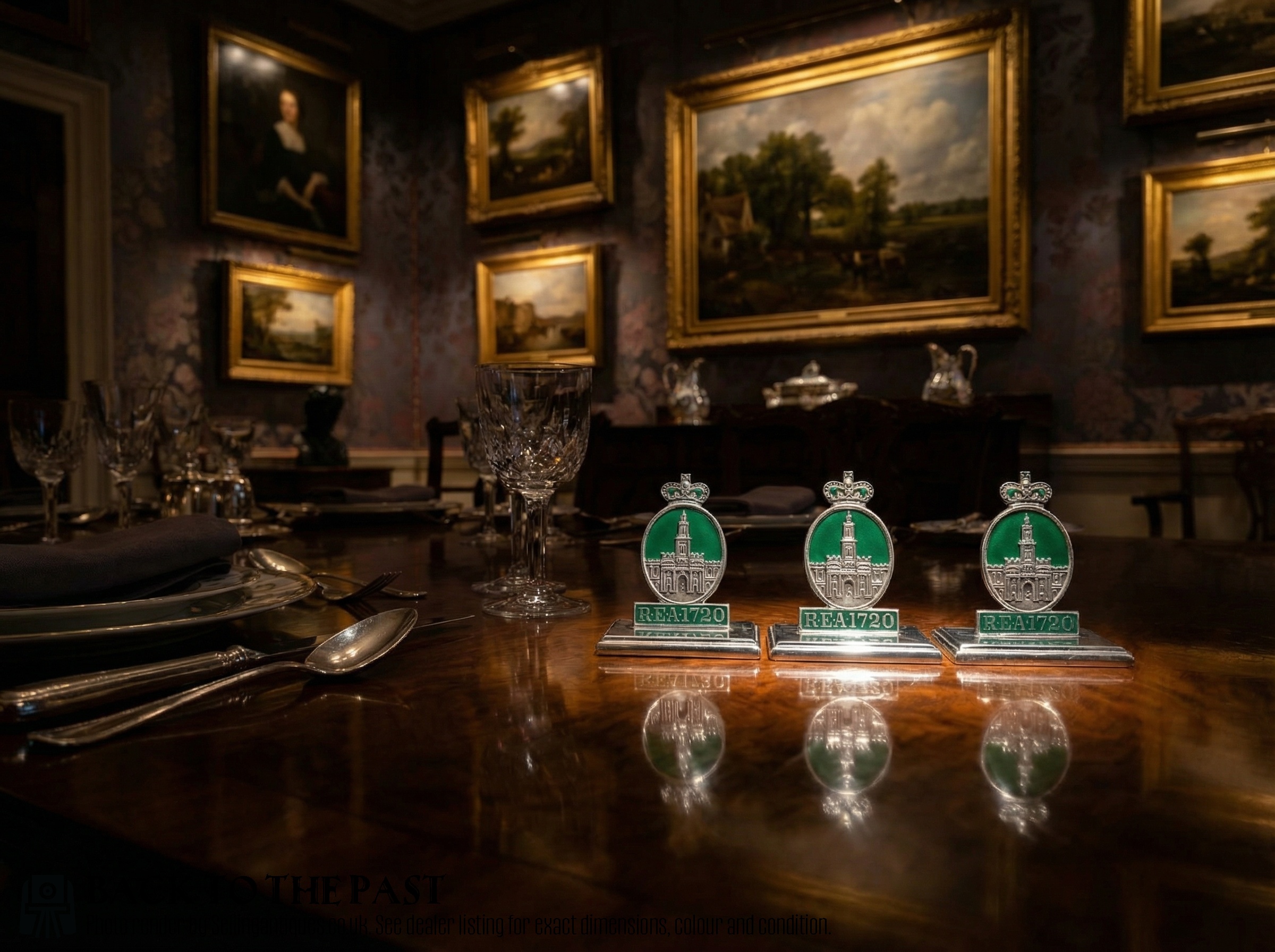
Silver Table Name Holders
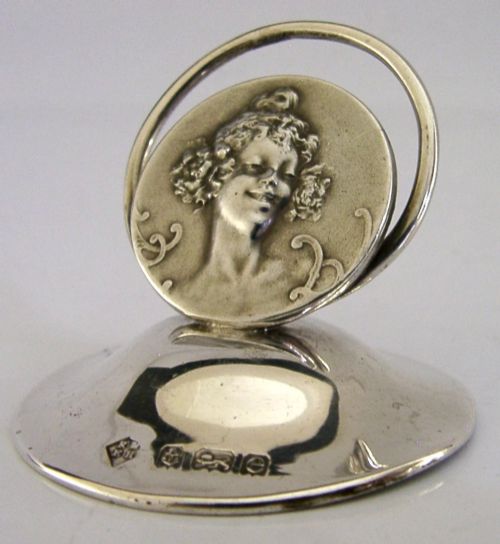
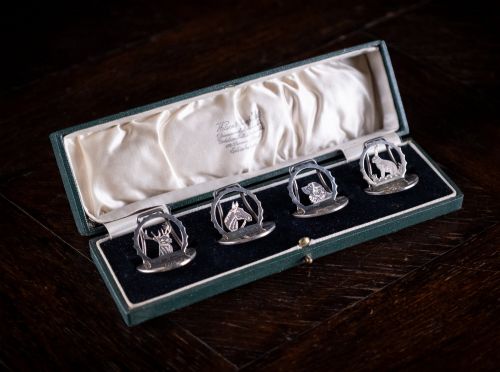
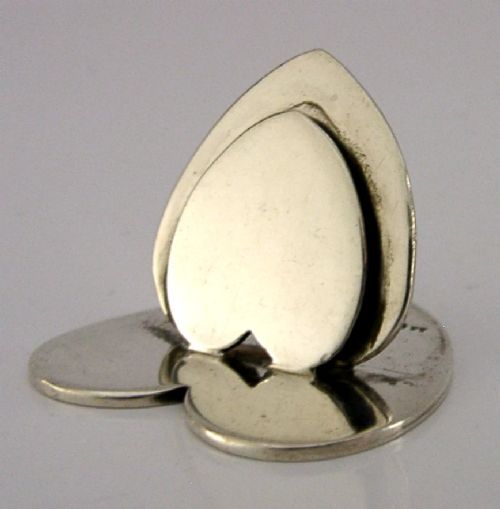
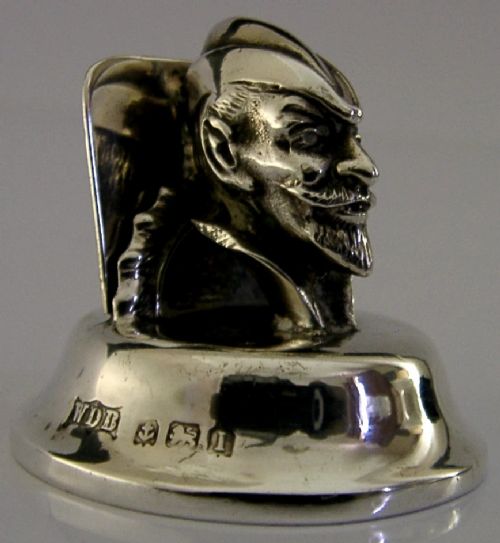
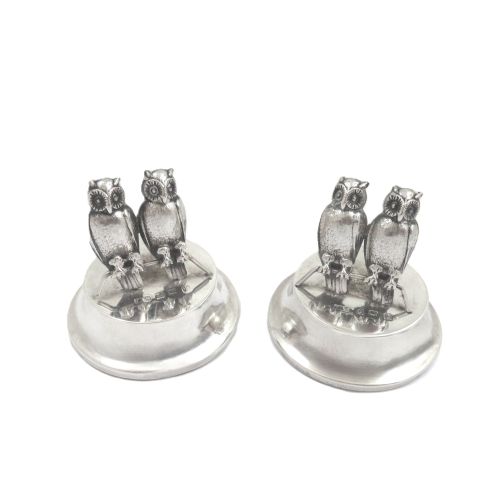
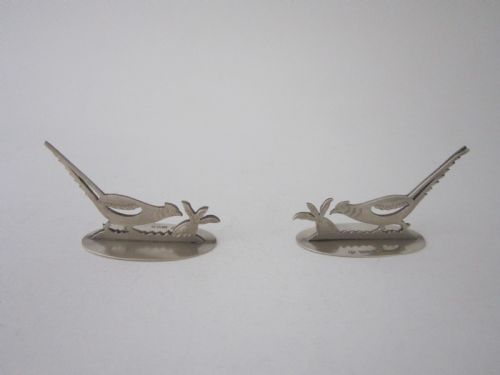
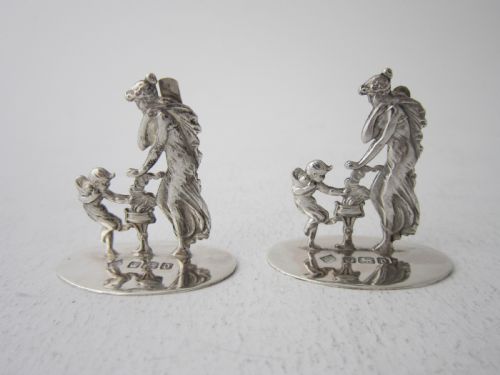
Silver table name holders encompass menu holders, place card holders, and table markers designed for formal dining. You will most frequently encounter Edwardian sterling silver examples, often cast as birds, animals, or figurative subjects.
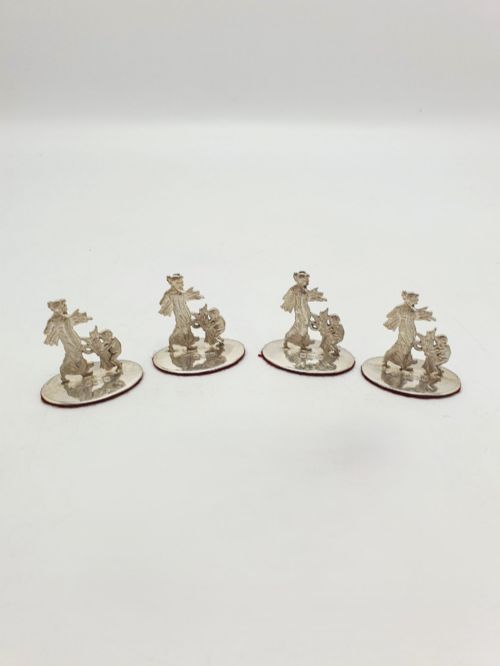
The selection ranges from single pieces to matched sets of twelve or twenty-four. Makers produced these accessories across the Edwardian period, the 1920s, and the 1930s, utilising styles spanning Art Nouveau, Art Deco, and Victorian.
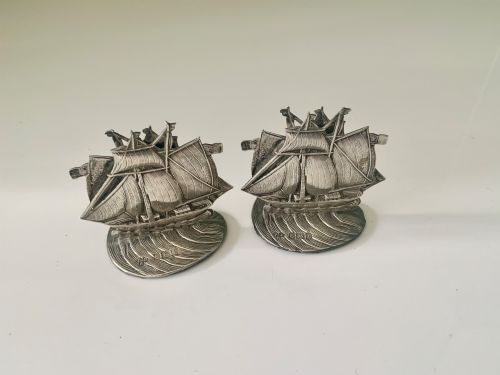
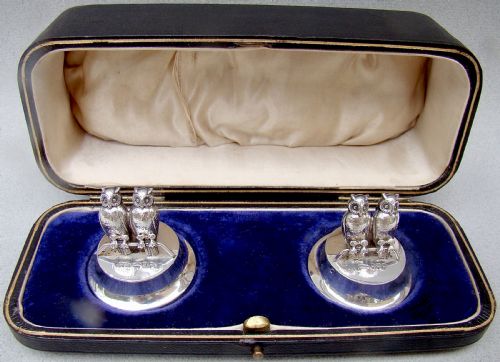
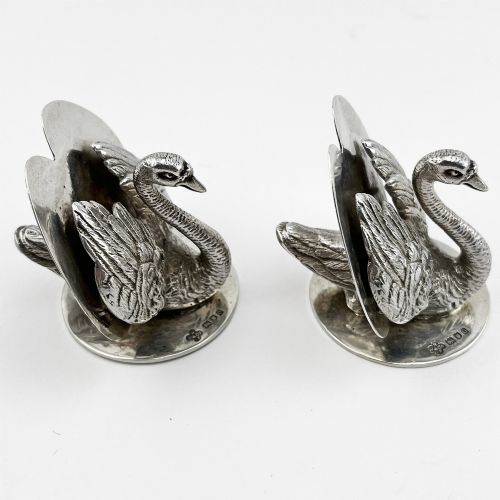
Forms include galleons, owls, swans, foxes, horses' heads, and military figures such as sentry boxes or RAF insignia. Many serve dual functions for menus and individual place names.
Materials and construction
Silversmiths constructed these pieces primarily from sterling silver and silver plate, frequently employing casting techniques for figural subjects. Artisans then added detail through hand-chasing and engraving.
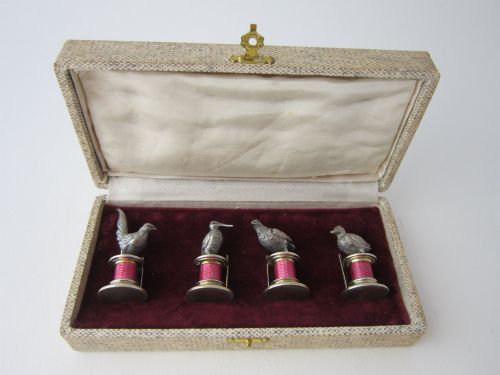
Selected examples incorporate coloured enamel, guilloche enamel, or velvet and silk linings within fitted presentation boxes. Leather cases also protected boxed sets during storage and transport.
Listings feature items from the nineteenth century through the 1950s, with strong representation in Edwardian sterling silver and 1930s enamel work.
Assessing quality
Quality rests upon the crispness of the casting and the expressiveness of the model, particularly in figural animal and human subjects. Crisp feather definition on owls or precise detailing on military figures distinguishes superior casting.
The integration of enamel work separates standard production from finer output. Intact, unblemished guilloche or painted enamel panels elevate the piece, alongside complete matching sets rather than assembled groups.
Levi & Salaman·A. Wilcox·Sampson Mordan·Asprey·Liberty
The Silver Table Name Holders Glossary
- Sterling silver
- A silver alloy containing 92.5 percent pure silver by mass, standard for British tableware accessories. This metal standard ensures durability while maintaining a bright finish.
- Guilloche enamel
- A decorative technique where enamel is applied over engine-turned metal engraving. This creates geometric patterns visible beneath the translucent colour.
- Menu holder
- A tabletop accessory designed to display the evening bill of fare. Many double as place card holders for seating guests.
- Place card holder
- A small desk or dining accessory that grips a paper name card. They coordinate with matching menu holders on formal tables.
Silver Table Name Holders: Frequently Asked Questions
How do I use silver name holders today?
Place them beside dinner plates to display guest names at dinner parties or weddings. They also serve to hold recipe cards in domestic kitchens.
Ensure cards are trimmed to fit the specific slot without bending delicate silver edges.
Can these hold standard business cards?
Most antique slots accommodate thin card stock rather than modern thick business cards. Cut traditional place cards to fit the precise grip of each individual clip.
Forcing thick card risks straining the hinged or cast metal arms.
How do I clean enamel pieces safely?
Wipe enamel surfaces gently with a soft, damp cloth and dry immediately. Keep abrasive silver polishes away from enamelled areas to prevent scratching.
Use a soft brush on the silver portions while protecting the glass elements.
Why are some sets larger than others?
Dining traditions dictated the number of place markers required for large banquets or family gatherings. Sets range from pairs up to twenty-four pieces for grand occasions.
Matched sets of twelve or more remain exceptionally uncommon.