



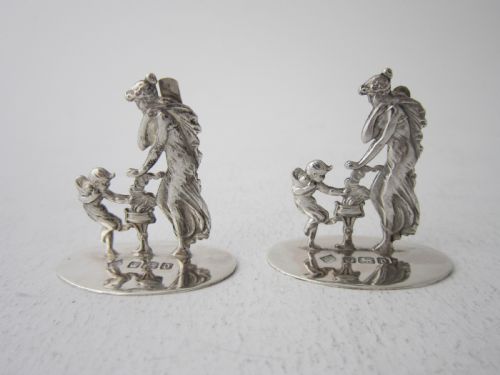
Silver Place Name Stands
Silver place name stands are small table accessories that mark guest seating or display dinner menus, bringing character to formal dining.
Silver Place Name Stands
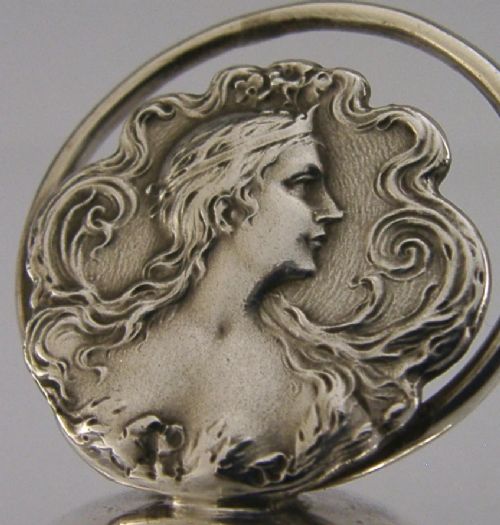
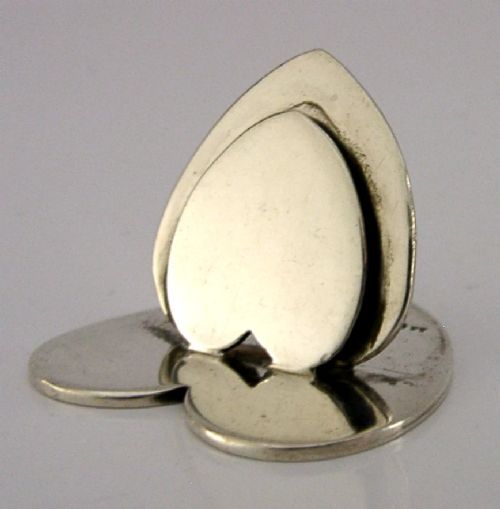
Silver place name stands encompass both place card holders and menu holders, designed to sit upon the dining table during formal meals. These small objects organise seating arrangements and present culinary selections to guests.
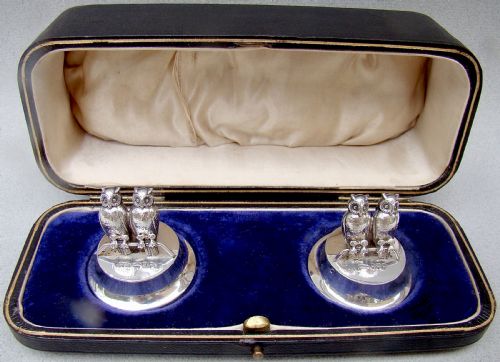
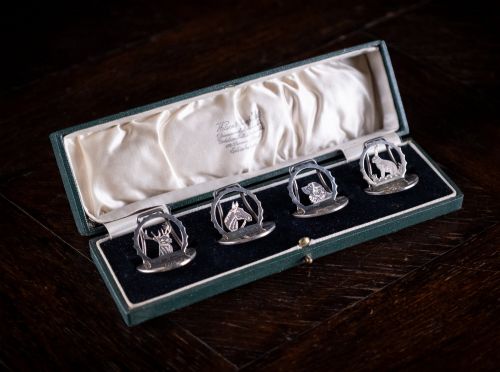
Most examples encountered here date from the Edwardian period through to the mid-twentieth century, capturing the height of formal entertaining. Makers produced these pieces in matching sets or pairs, often incorporating clip or slot mechanisms to secure paper cards.
Materials and construction
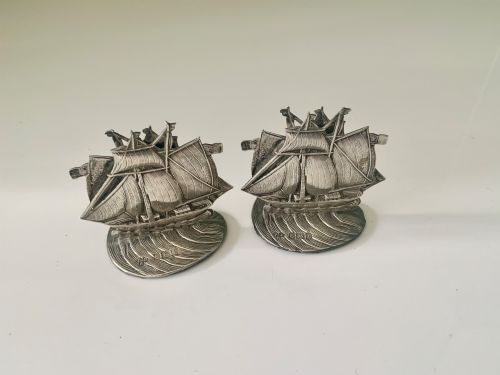
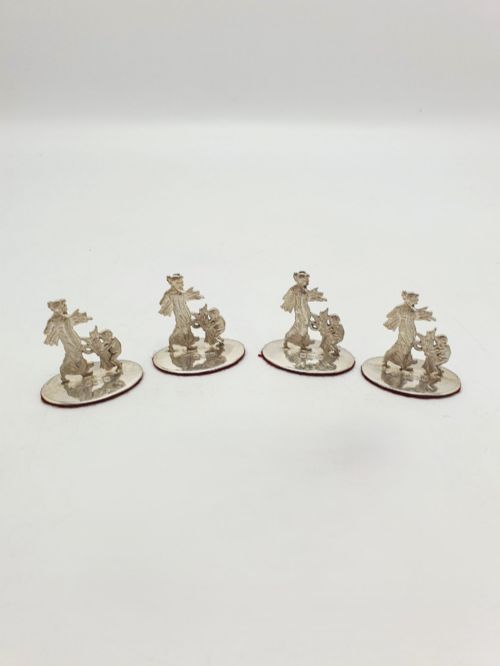
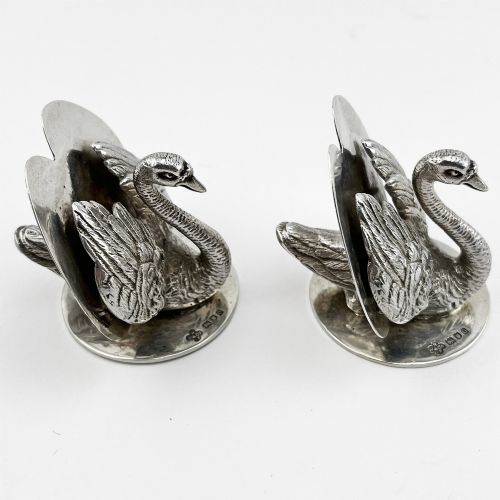
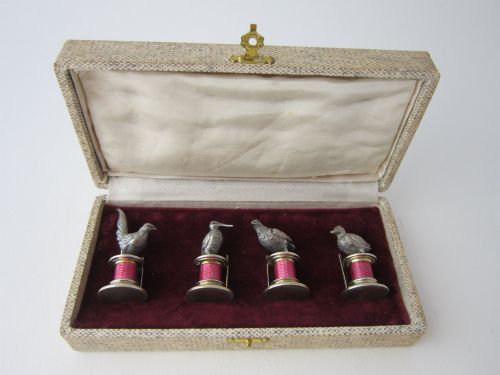
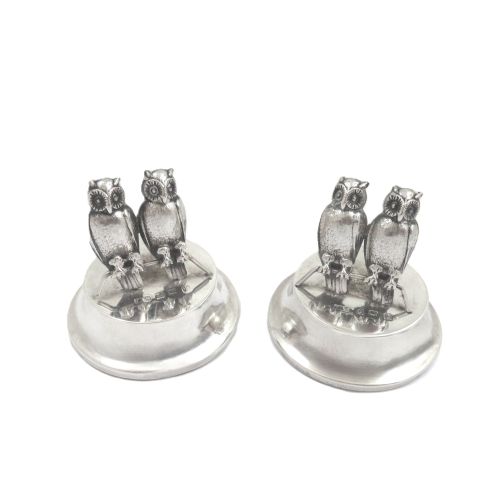
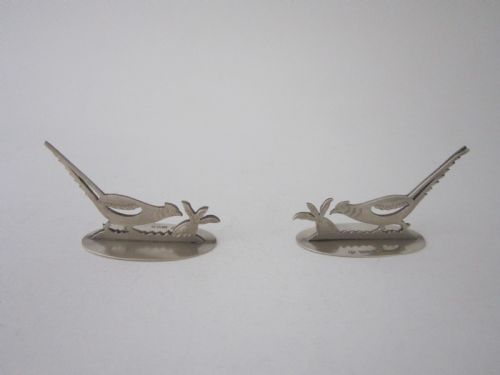
Silversmiths utilised sterling silver and silver plate as the primary structural metals, shaping them through casting, stamping, and hand-chasing. Figural designs required detailed moulding to capture animal and character forms accurately.
Selected pieces integrate coloured enamel, guilloche enamel, velvet, silk, or leather details to add contrast and visual depth. Such decorative flourishes were applied by hand to accent specific areas of the silver body.
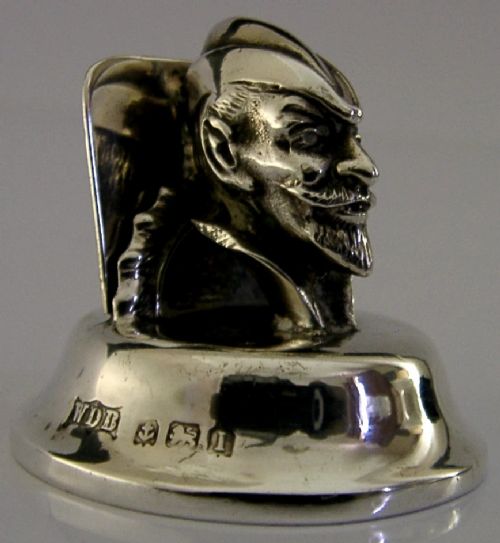
Dine with literary company through silver holders shaped like Alice in Wonderland characters or Robin Hood.
Assessing craftsmanship
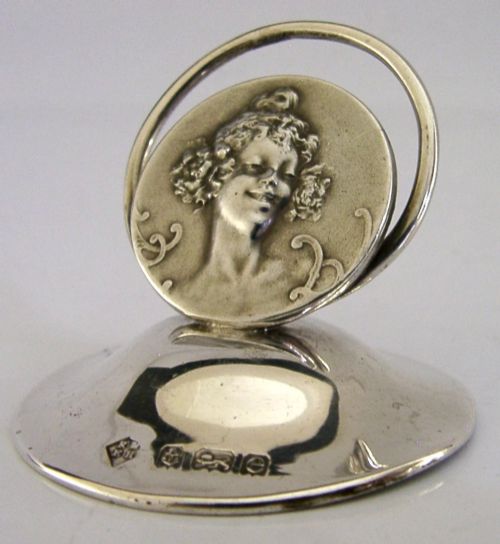
Completeness within matched sets and the crispness of hallmarks stamped into the metal distinguish finer examples. The integration of coloured enamels without chipping or loss elevates the standard of the piece.
Levi & Salaman·A. Wilcox·Sampson Mordan·Asprey·Liberty
The Silver Place Name Stands Glossary
- Sterling silver
- A silver alloy containing 92.5 percent pure silver and 7.5 percent other metals, usually copper, to add strength. This standard is marked by the lion passant on British pieces.
- Guilloche enamel
- A decorative technique where a precise pattern is mechanically engraved beneath a translucent layer of coloured enamel. This creates a shimmering, light-reflecting surface across the metal.
- Hallmark
- A series of official marks stamped on precious metals indicating the standard of purity, the assay office, the maker, and the year of production. These stamps provide a secure method of dating each item.
- Figural
- Describes an object modelled in the likeness of a human, animal, or recognizable character rather than purely abstract form. These figural designs often serve as the focal point of the table accessory.
- Menu holder
- A small desk or table stand fitted with a clip, slot, or ledge to display a printed menu card upright. They match the accompanying place name holders to create a cohesive table setting.
Silver Place Name Stands: Frequently Asked Questions
How were silver place name stands used?
Hosts placed these small stands at individual table settings to hold handwritten or printed guest name cards during dinner parties.
Larger versions held menus or table numbers so diners could view the courses and seating plan easily.
How do I date an Edwardian menu holder?
Examine the hallmarks stamped directly onto the silver surface, which include date letters corresponding to specific assay office records.
Stylistic cues such as Art Nouveau curves or Edwardian figural motifs also point to the early twentieth century.
Can I use these for modern dinner parties?
These holders accommodate standard heavy paper place cards and small menu cards just as effectively today as they did a century ago.
Their sturdy bases keep them upright on dining tables while adding historical detail to contemporary table settings.