



Silver Sugar Spoon
A silver sugar spoon bridges the refined ritual of tea with practical service, offering a tactile piece of dining history.
Silver Sugar Spoon
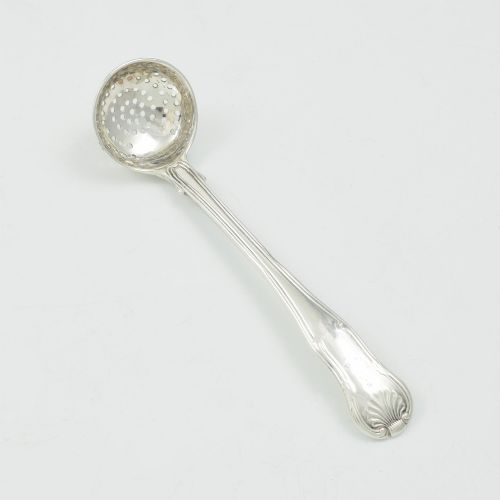
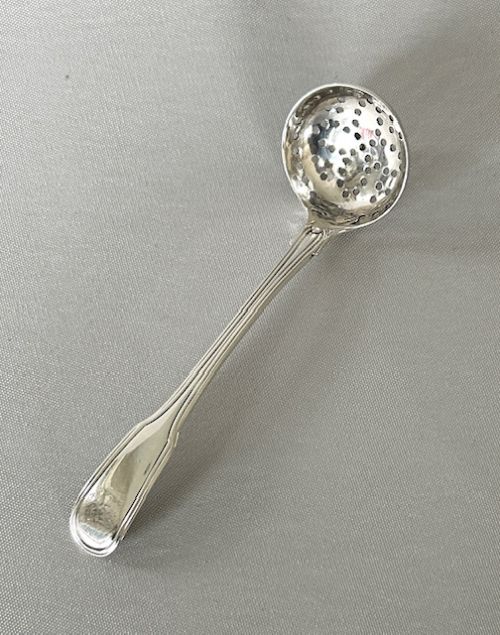
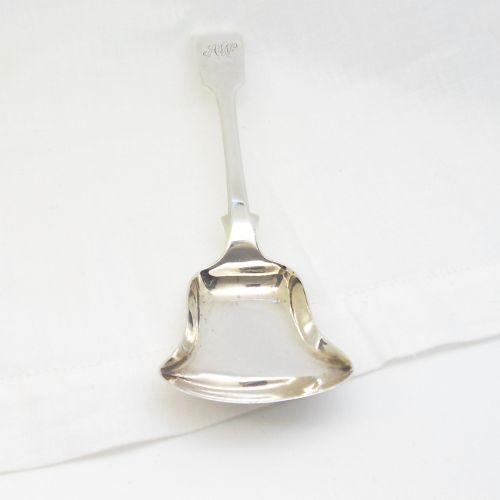
A silver sugar spoon encompasses various forms designed for sweetening tea, casting castor sugar, or serving preserves.
Pieces span from the Georgian period through the Victorian era and into the Edwardian years.
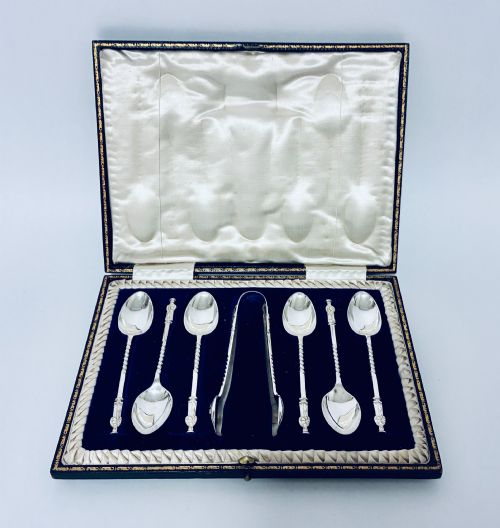
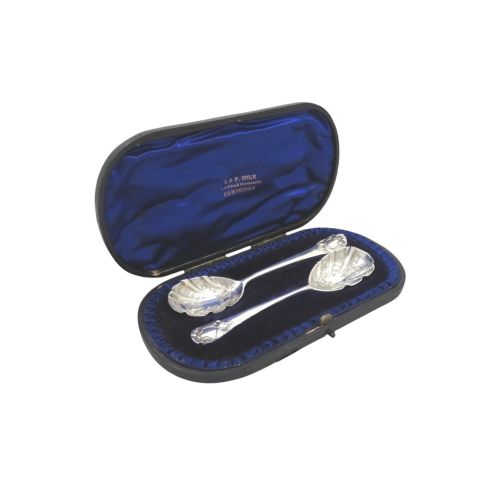
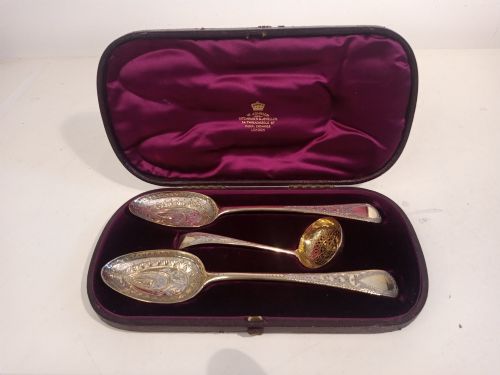
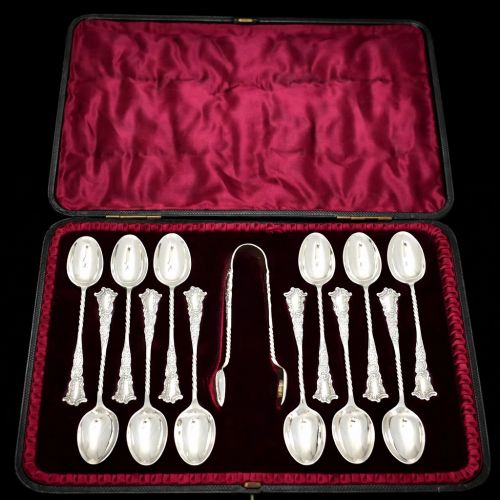
Designs appear independently or housed within cased sets alongside sugar tongs and bowls.
Materials and Construction Techniques
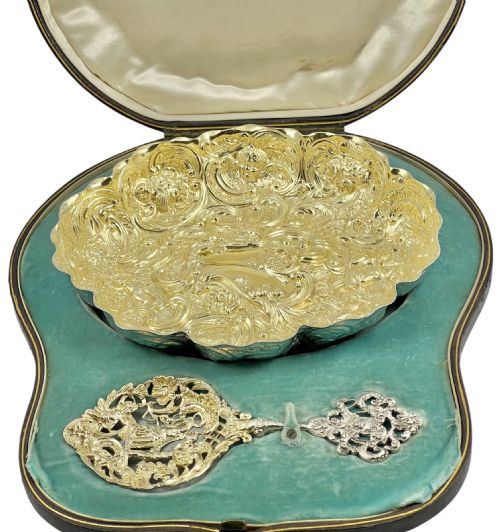
Makers utilised sterling silver and silver plate, occasionally applying silver gilt for a rich finish.
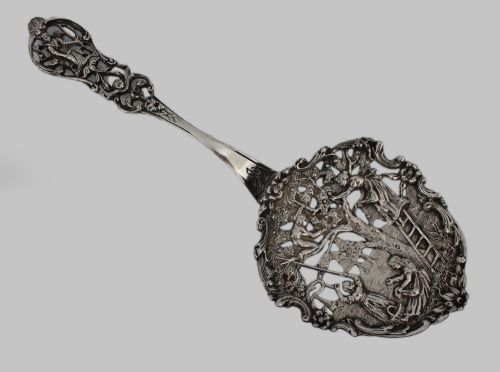
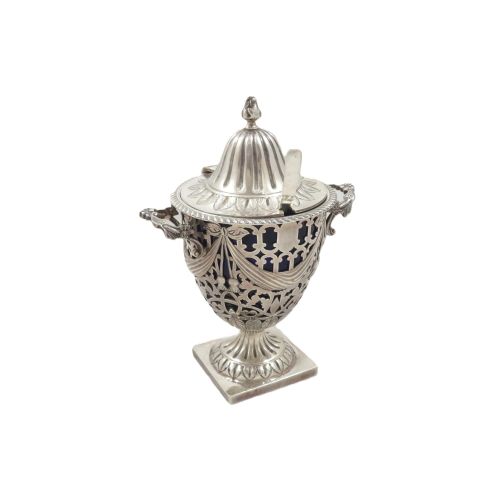
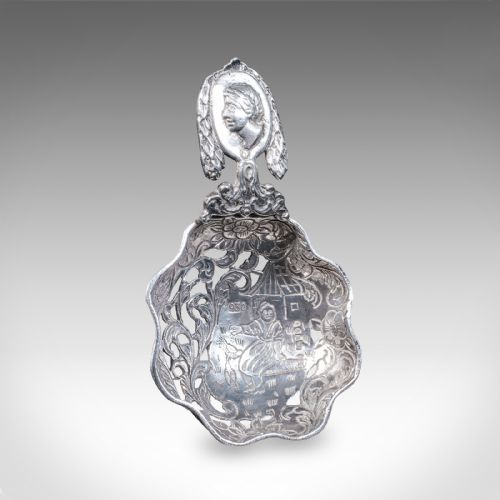
Working methods involved piercing bowls into intricate patterns, casting figural terminals, and hand-engraving stems.
Evaluating the Craftsmanship
The standard of a silver sugar spoon relies on the crispness of pierced detailing and the depth of chased ornamentation.
Weight and balance in the hand distinguish standard production items from master silversmith outputs.
John Walton·Robert Stebbings·Samuel Pemberton·Georg Jensen·John Lambe·Bateman·Francis Higgins
The Silver Sugar Spoon Glossary
- Sifter spoon
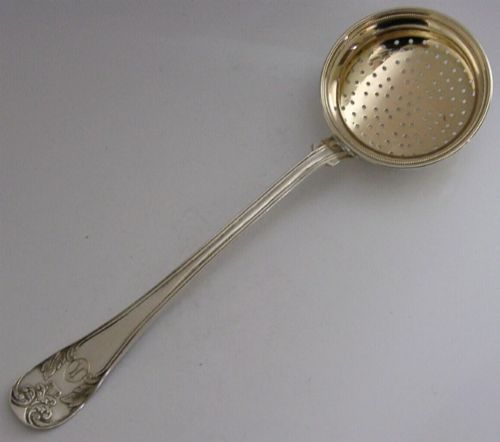
- A utensil with a pierced bowl designed to sprinkle powdered or castor sugar over food.
- Caddy spoon
- A short-handled scoop traditionally utilised for measuring loose tea leaves from a caddy.
- Silver gilt
- Sterling silver that has been coated with a thin layer of gold on the surface.
- Assay mark
- A stamp indicating the purity of the metal, the town of testing, and the date letter.
- Berry spoon
- A large serving spoon, frequently Georgian, embossed and engraved with fruit motifs.
Silver Sugar Spoon: Frequently Asked Questions
How do I clean a silver sugar spoon?
Wash the silver gently in warm soapy water using a soft cloth to protect the metal.
Dry thoroughly with a lint-free towel and avoid harsh abrasive dips that strip historic patination.
Were these spoons used for tea?
Many smaller spoons and scoops accompanied tea services to portion loose leaves or sugar cubes.
Larger pierced variations functioned specifically to dust fine sugar over desserts and pastries.
How do I date an antique silver spoon?
Examine the hallmarks stamped onto the back of the stem for town marks and date letters.
Matching these symbols against assay records reveals the exact year and location of manufacture.
Can I use these spoons daily?
Solid silver items withstand regular gentle use provided they receive proper hand washing after meals.
Store cased sets carefully to prevent scratches from accumulating on delicate pierced bowls.