
Silver Plated Dish
A silver plated dish brings period dining to the table, offering versatile serving forms from Victorian entree sets to Art Deco bowls.
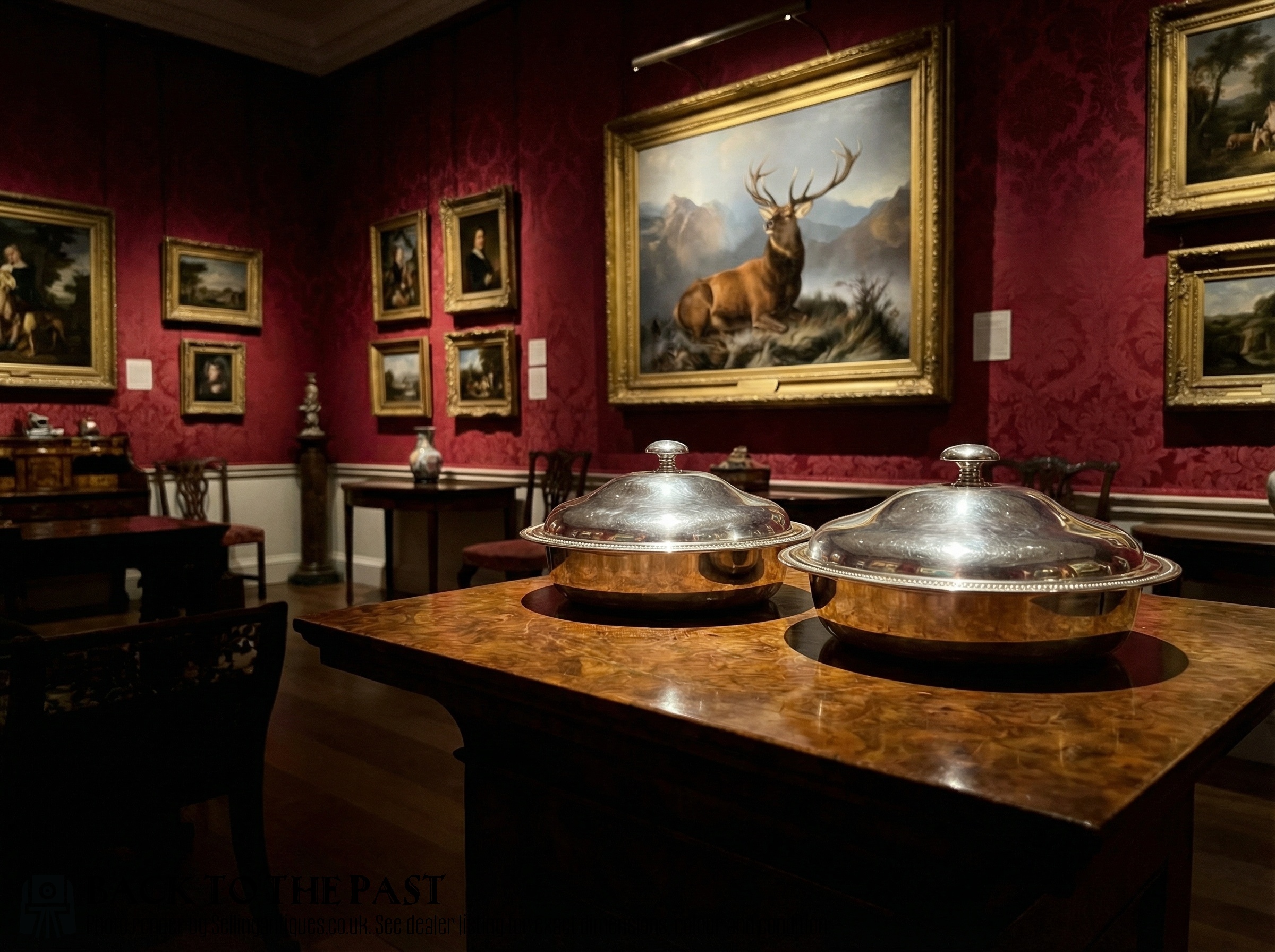
Forms and Origins
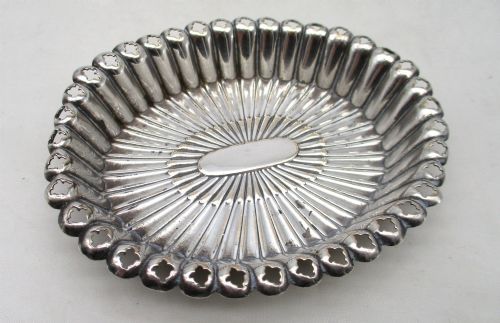
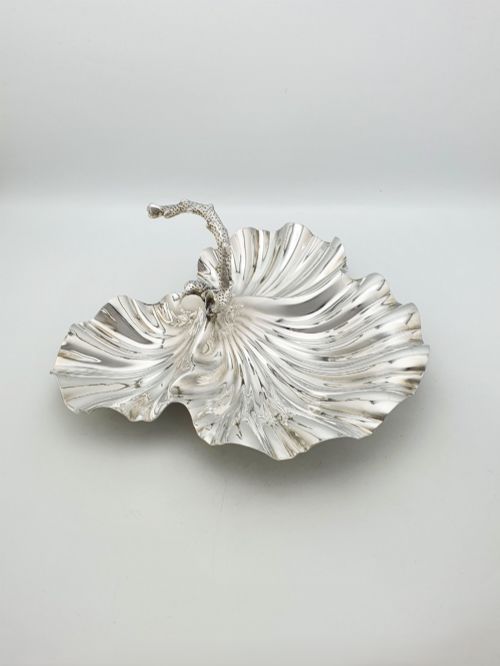
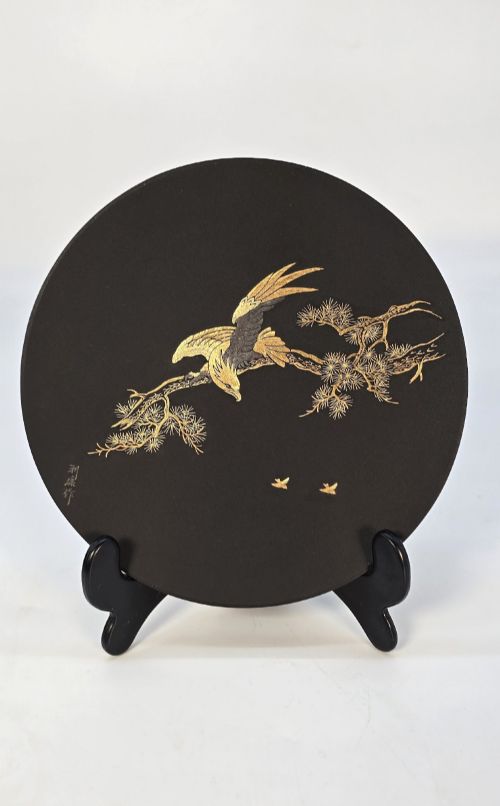
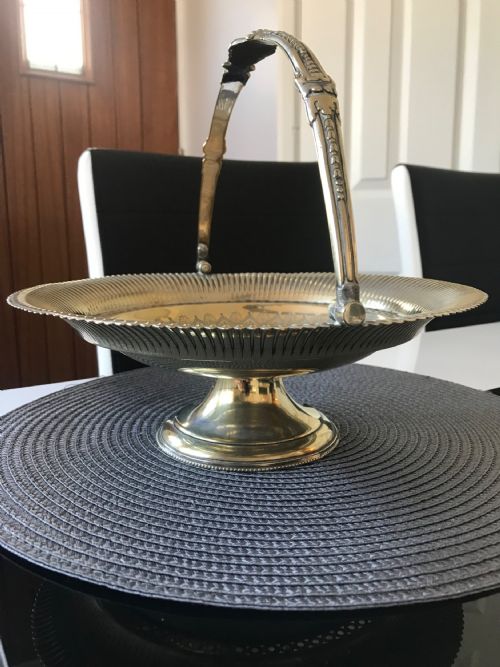
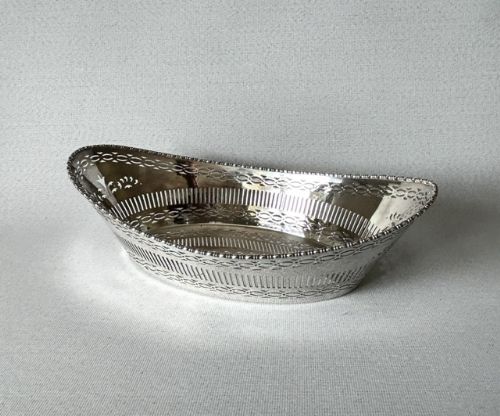
A silver plated dish encompasses a wide variety of serving vessels, ranging from entree dishes and cake stands to specialised butter, cheese and nut receptacles. Tracing origins from the mid-nineteenth century through the Art Deco era, these pieces reflect changing dining customs across Victorian and Edwardian households.
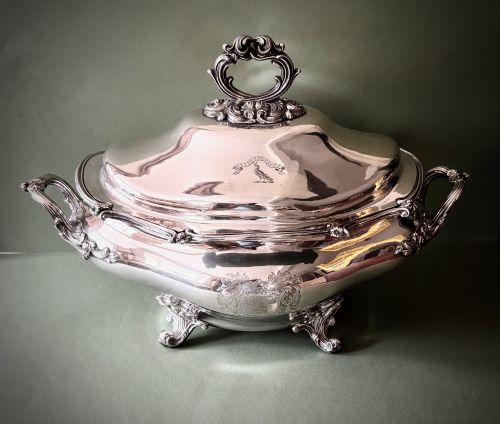
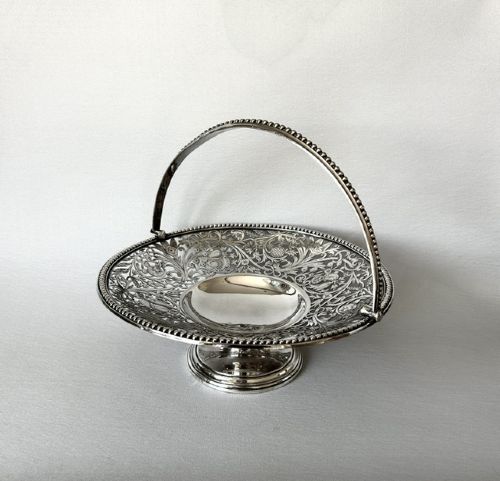
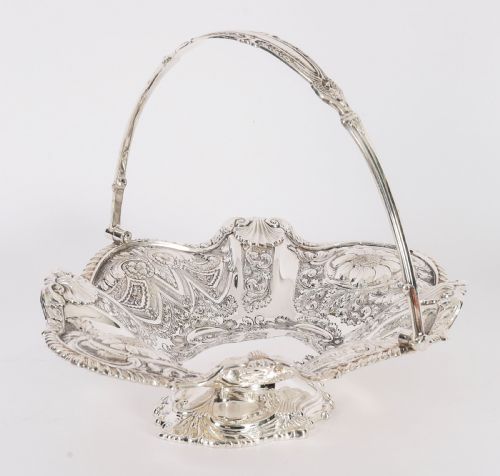
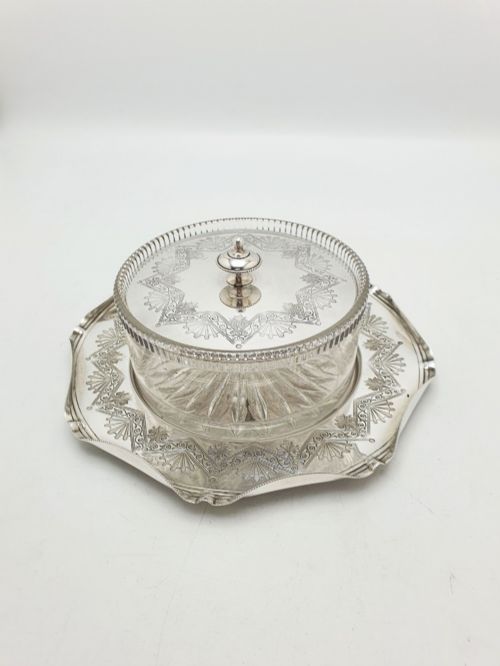
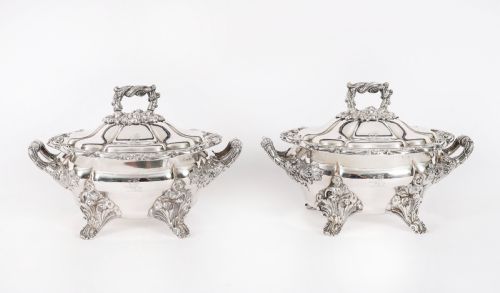
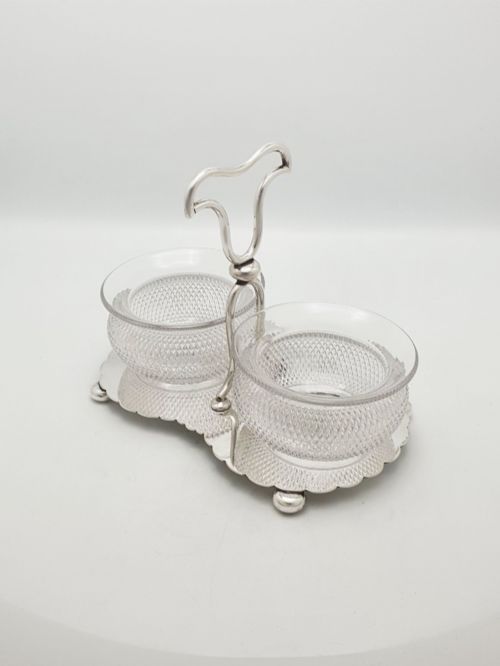
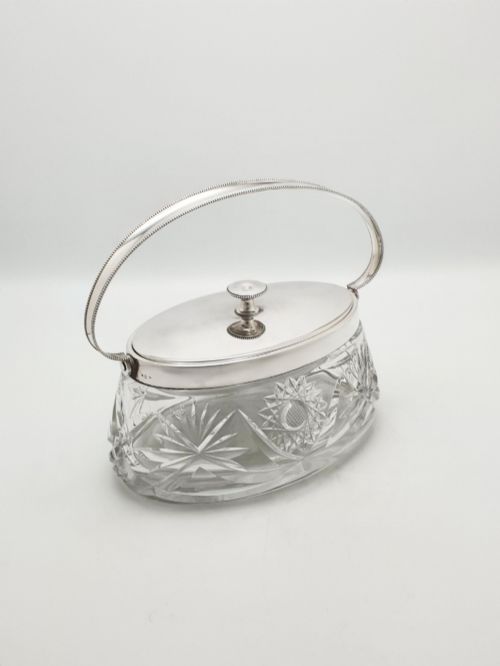
The most frequent examples encountered include twin entree dishes with reeded handles, handled cake baskets, and decorative nut dishes featuring animal finials such as squirrels or cows. Many incorporate fitted cut glass liners or porcelain inserts designed for specific foodstuffs like butter, sardines and jam.
Makers and retailers from Birmingham, Sheffield and London produced these utilitarian and decorative table items in base metal covered with silver. Domestic church collections and institutional chargers also appear alongside domestic tableware, showing the broad utility of plated metal across different settings.
Materials and Technique
Makers formed the foundational body from base metal or electroplated nickel silver, applying a thin coating of silver to achieve the appearance of solid precious metal at a lower cost. This electrochemical plating method became widespread during the nineteenth century, replacing older fused plate techniques.
Applied elements like cast handles, feet and sculptural animal finials were soldered or riveted to the main body of the dish. Interchangeable glass liners, cut crystal inserts and ceramic dishes were often combined directly with the metal frameworks during manufacture.
Retail Price Guide 2026
Typical UK retail prices for silver plated dish, calculated from the Sellingantiques database of over a million retail prices indexed since 2003. This retail price guide relies exclusively on Sellingantiques data; no external sources or auction records are used, so the figures do not describe the wider market.
Butter and nut dishes frequently feature cheerful animal finials, including cows with original glass liners and squirrels holding nuts.
Distinctions in Execution
Quality rests in the weight of the base metal and the crispness of the chased or cast ornamentation, such as foliate borders and figurative handle details. Superior examples retain their original silver layer intact without base metal showing through on high points from polishing.
Design complexity also separates standard utility wares from finer presentation pieces, particularly where matched pairs, integral warming stands, or specialised glass inserts by notable makers are involved.
Thomas Bradbury·John Collyer Birmingham·A.G. Dufva·Elkington & Co·WMF·Asprey London·James Dixon & Sons·Walker & Hall·Reed & Barton
The Silver Plated Dish Glossary
- Electroplated Nickel Silver
- A copper, nickel and zinc alloy coated with a layer of silver through an electrical process. This material served as the standard foundation for quality plated wares from the mid-nineteenth century onward.
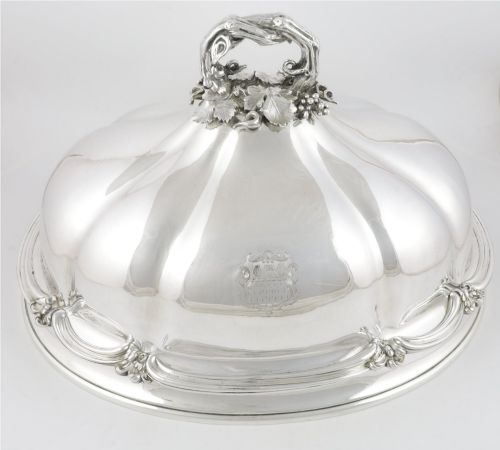
- Entree Dish
- A shallow covered serving vessel used for bringing principal courses to the table. They frequently appear as pairs with removable handles that allow the lid to double as a second dish.
- Charger Plate
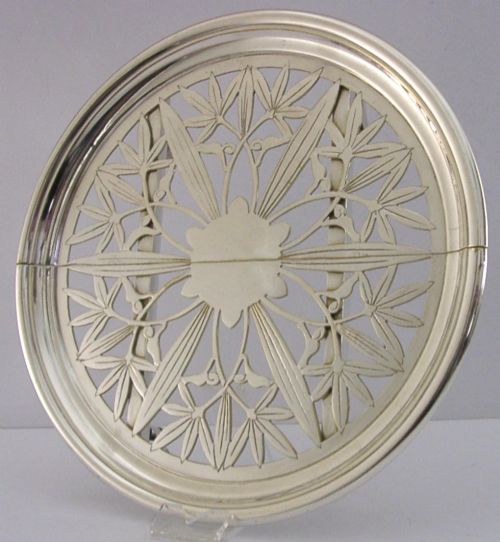
- A large ornamental base plate placed beneath other courses during formal dining. Examples from church collections also exist in the record.
- Finial
- A small sculptural ornament attached to the top of a lid. Nut and butter dishes in this category often utilise animal figures like squirrels or cows for this purpose.
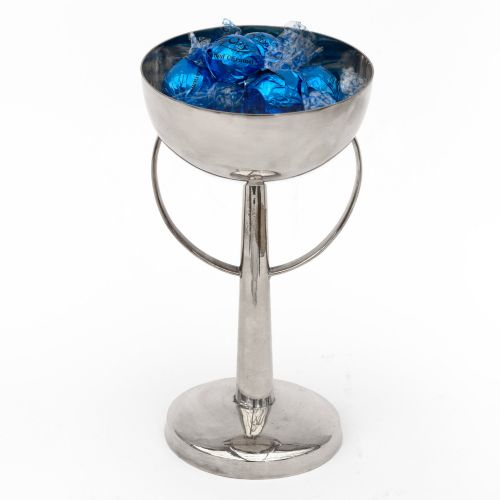
- Tazza
- A shallow pedestal bowl or dish raised on a central foot. These pieces function as fruit bowls or decorative table centerpieces.
Frequently Asked Questions
Are these dishes safe for food use?
Most antique silver plated dishes are suitable for serving dry foods, fruits and pre-cooked items when properly cleaned.
Dishes with missing silver plating or exposed base metal should be reserved for decorative display rather than direct food contact.
How do I date a silver plated dish?
Examine the overall style, such as Victorian aesthetic movement engraving or geometric Art Deco lines, alongside any maker marks stamped on the base.
Form also provides clues, as specialised items like sardine dishes and cheese dishes with glass domes became popular during specific decades.
What is the difference between an entree dish and a tazza?
An entree dish is a lidded, box-like vessel designed to keep hot food warm on the dining table.
A tazza is an open pedestal bowl or dish intended to elevate fruit, sweets or decorative items above the table surface.