




Silver Mounted Pitcher
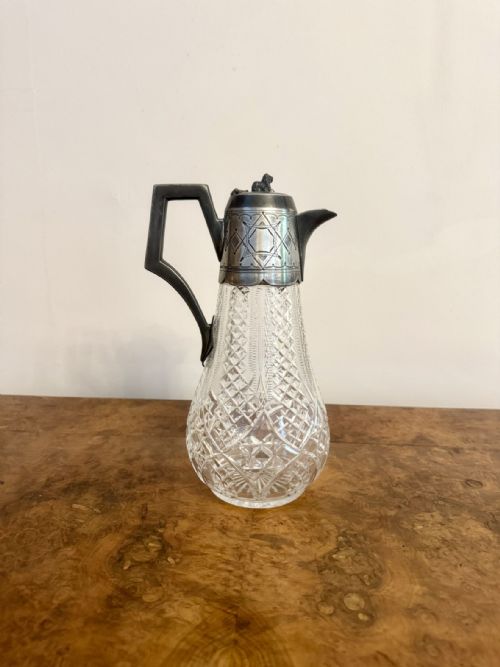
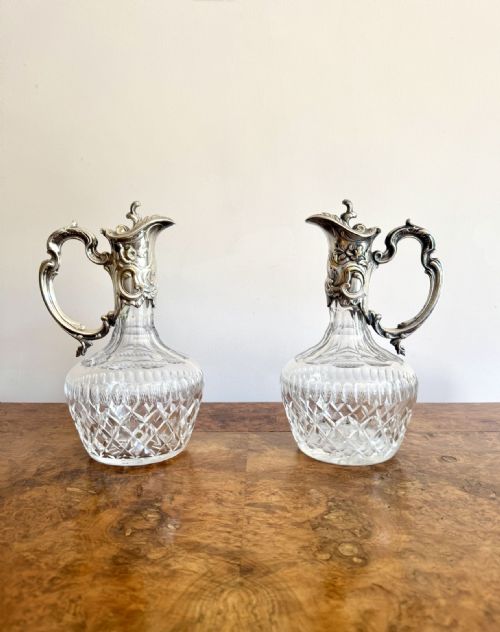
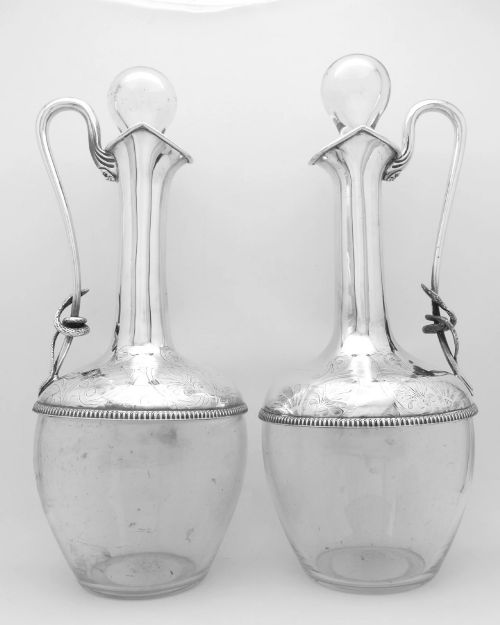
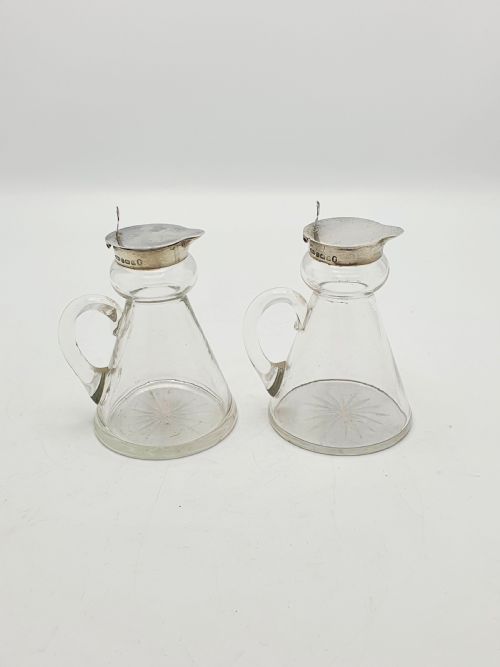
These silver mounted pitcher examples bring Victorian elegance to the table, combining cut glass bodies with precious metal mounts for serving drinks.
What They Are
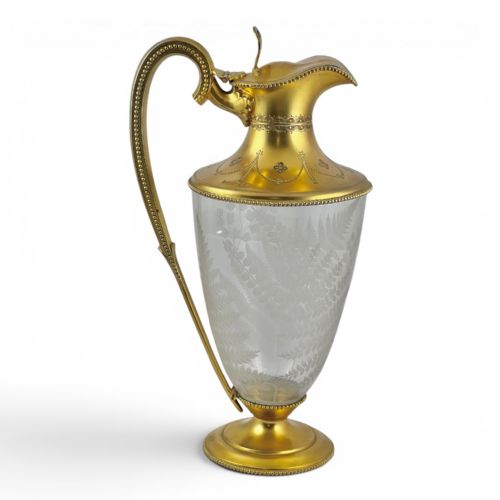
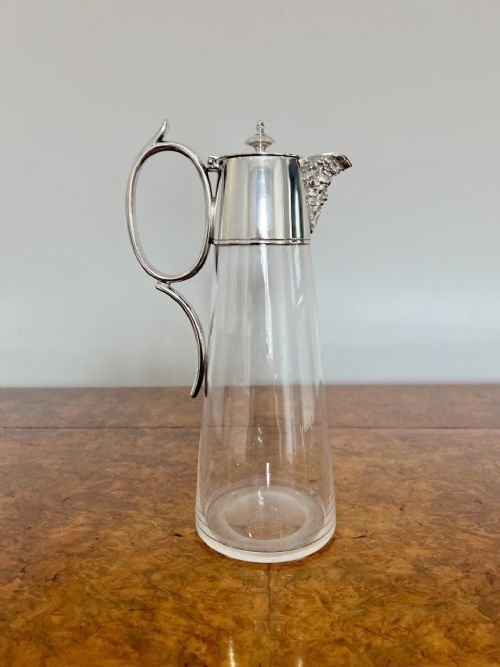
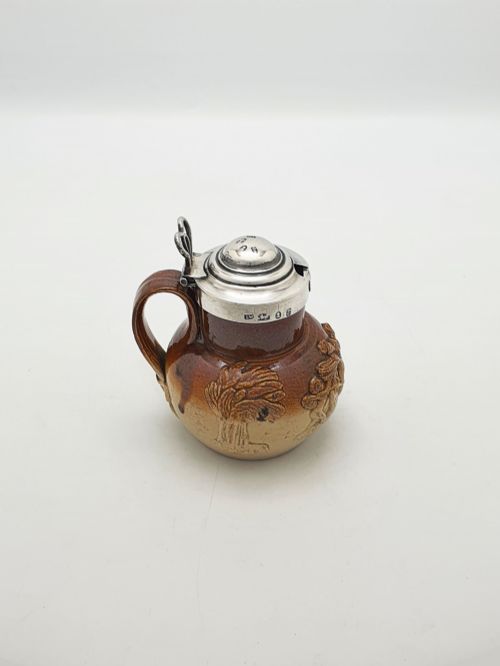
A silver mounted pitcher represents a functional serving vessel combining a glass body with protective or decorative metal collars, handles, and lids. These pieces predominantly date from the Victorian era around 1870, emerging as claret jugs, lemonade jugs, or pimm's jugs.
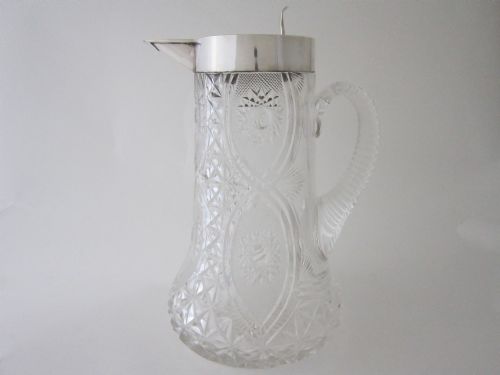
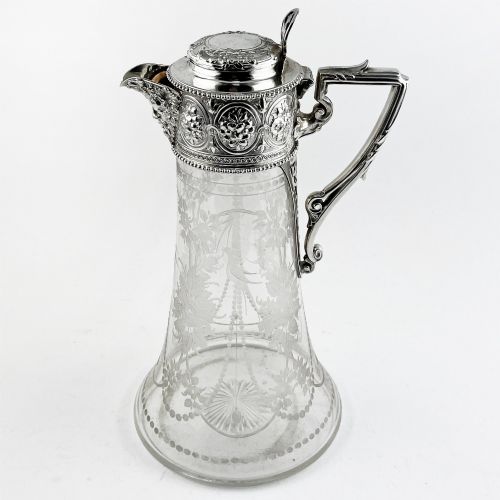
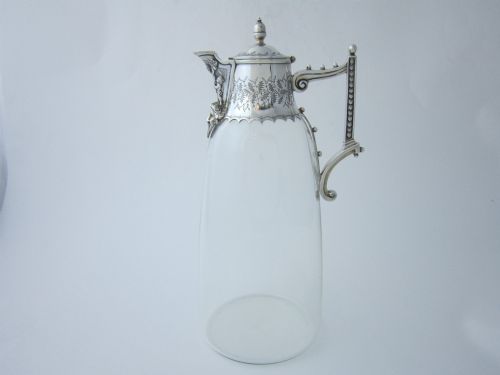
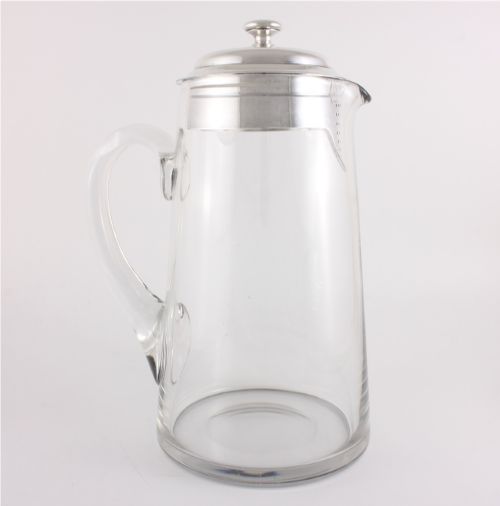
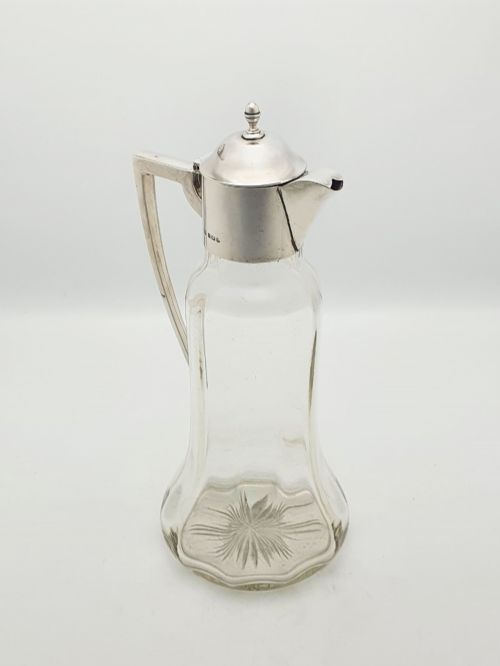
The primary forms on this page include tall glass bodies paired with sturdy handles and hinged lids. Makers combined moulded or ribbed glass with either sterling silver or silver plate to create durable vessels for formal dining.
Originating primarily from British workshops, these pitchers reflect the hospitality customs of the late nineteenth century. Collectors find them used for pouring wine and mixed drinks during grand dinners and afternoon gatherings.
How They Were Made
Craftsmen formed the bodies using blown or moulded glass, often incorporating etched patterns or vertical ribs to catch the light. The glass was then fitted with custom metal mounts secured firmly around the neck and base.
The metal components utilised sterling silver or silver plate, shaped by hand to create pouring spouts, hinged lids, and substantial handles. Artisans soldered or pinned these mounts directly onto the glass vessel to ensure structural integrity.
Listings feature Victorian pieces from 1870 utilising etched glass, sterling silver, and silver plate.
What Varies in Quality
Quality rests in the weight of the metal and the precision of the glass cutting, distinguishing robust tableware from simpler decorative items. Superior examples feature crisp etched details and heavy-gauge silver mounts that fit seamlessly against the glass contours.
The reputation of the maker elevates a piece, as prominent firms employed skilled silversmiths to execute balanced proportions and smooth hinge movements. Lesser examples show simpler glass moulding and thinner plating that wears down over decades of use.
Elkington·Asprey and Co
The Silver Mounted Pitcher Glossary
- Silver plate
- A layer of silver fused to a base metal core. This technique allowed manufacturers to produce ornate pitchers at a lower cost than solid silver.
- Sterling silver
- An alloy containing 92.5 percent silver by mass and 7.5 percent other metals, usually copper. This standard ensures durability for functional items like jug handles and rims.
- Claret jug
- A specific vessel designed for serving red wine at the dining table. These typically feature tall glass bodies with elaborate metal mounts and spouts.
- Etched glass
- Glass decorated by applying an acid or using a tool to cut designs into the surface. This technique creates frosted or matte patterns that contrast with clear glass sections.
Frequently Asked Questions
What is a silver mounted pitcher used for?
These vessels served drinks such as claret, lemonade, or pimm's during Victorian dining occasions. The sturdy handles and hinged lids allowed hosts to pour beverages at the table with ease.
Today, collectors use them to serve drinks at formal dinners or display them as decorative dining room centerpieces.
How do I clean the glass safely?
Wash the glass body by hand using warm water and mild soap to protect the delicate etched patterns. Avoid submerging older metal mounts in harsh chemicals.
Dry the silver components promptly with a soft cloth to prevent water spots and maintain the shine of the metal.
Are these pitchers made of solid silver?
The metal mounts on these pitchers consist of either sterling silver or silver plate over a base metal. Makers stamped hallmarks onto solid silver parts to indicate metal purity and origin.
Examining the underside of the handle or the rim usually reveals the specific maker marks and silver standard used.
When were these pitchers made?
The pieces seen here date from the Victorian period, specifically around the late nineteenth century. This era produced diverse tableware styles featuring combination materials.
Stylistic cues like ribbed glass forms and specific maker stamps help date each piece to this manufacturing window.