


Victorian Glass Silver Decanter
A victorian glass silver decanter combines heavy lead crystal or coloured glass with hallmarked sterling silver mounts, offering functional elegance for nineteenth-century dining and entertaining.
Victorian Glass Silver Decanter
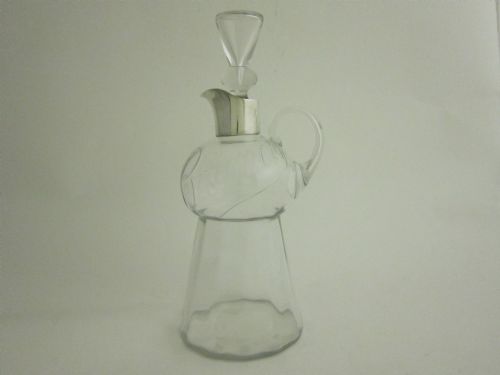
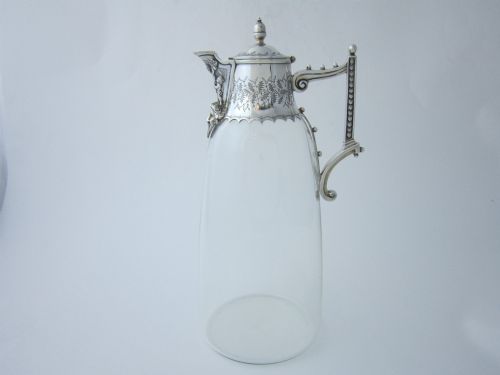
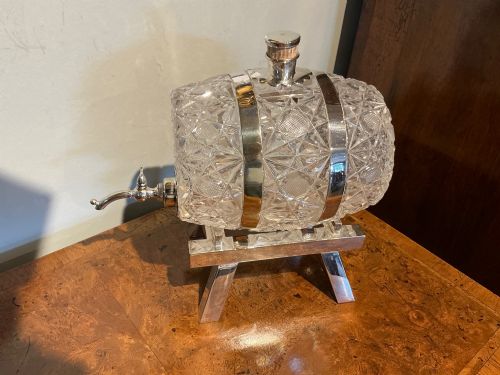
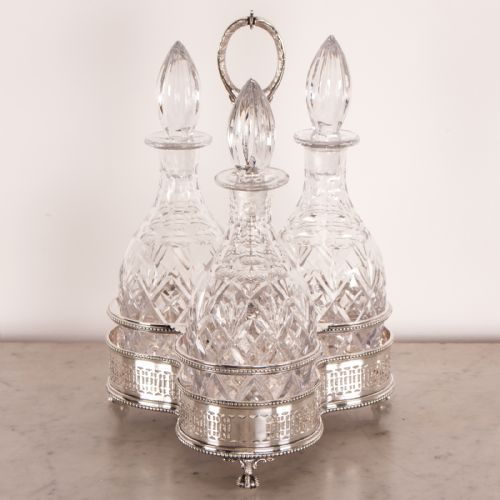
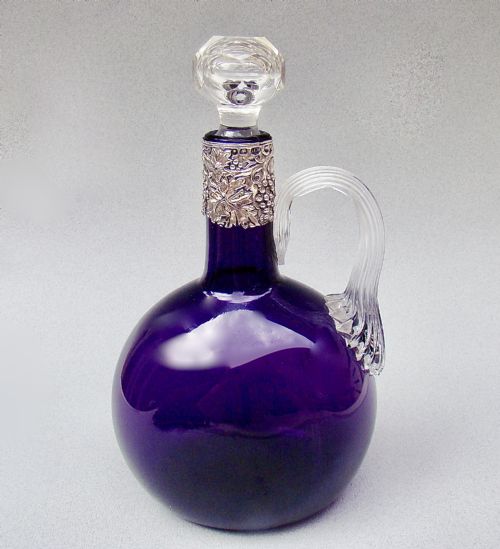
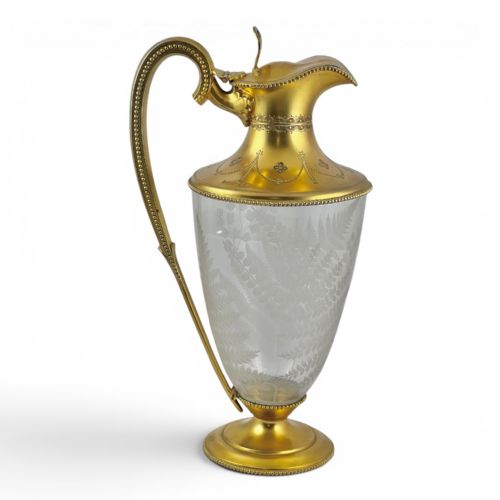
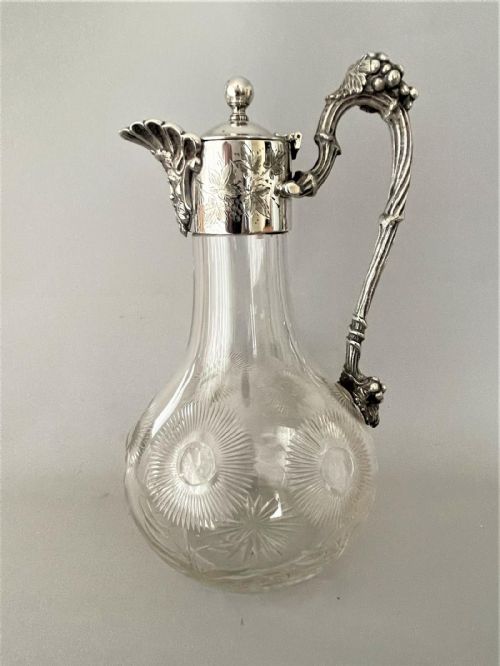
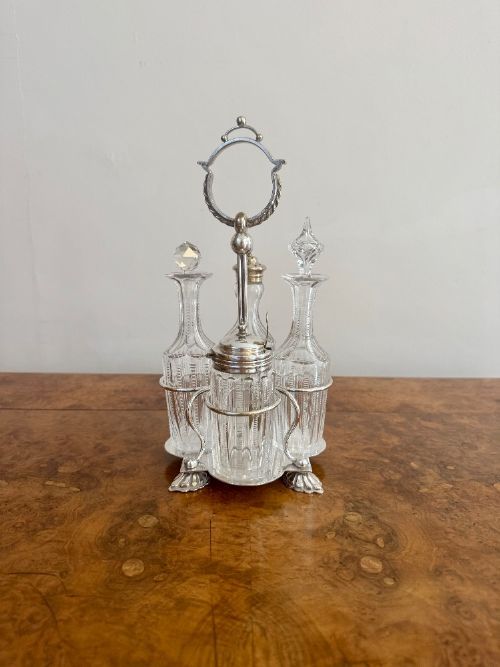
When searching for a victorian glass silver decanter, buyers encounter a variety of nineteenth-century forms ranging from tall claret jugs with hinged mounts to multi-bottle spirit frames and locking tantalus sets. The most common versions on this page are single cut-crystal decanters fitted with silver necks and stoppers, alongside colourful glass flagons shaped in amber, amethyst, and deep green hues.
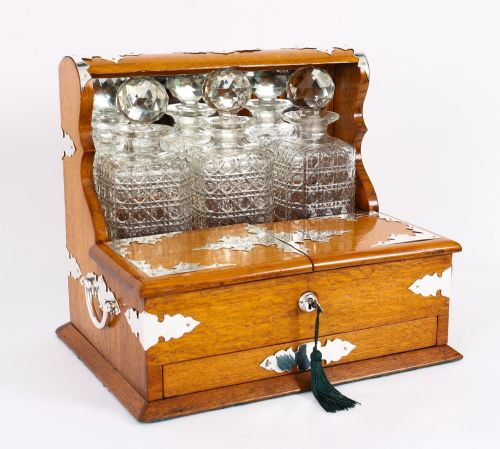
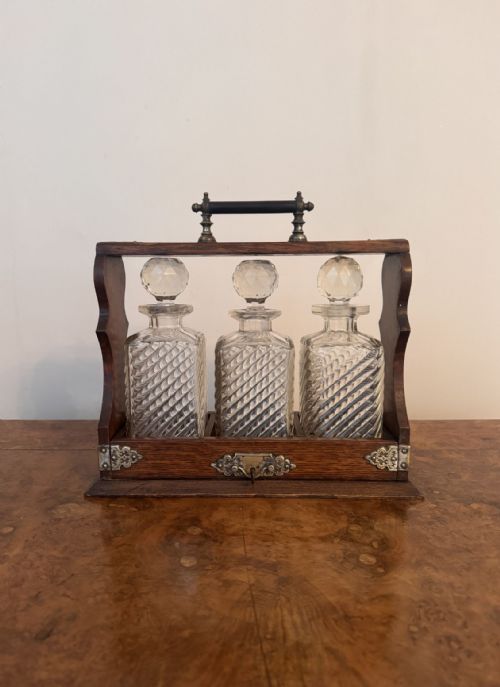
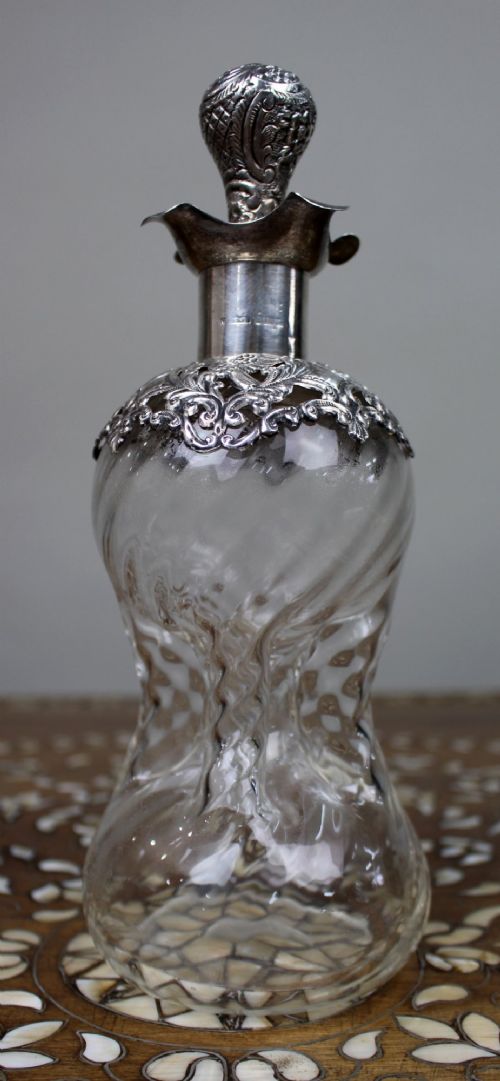
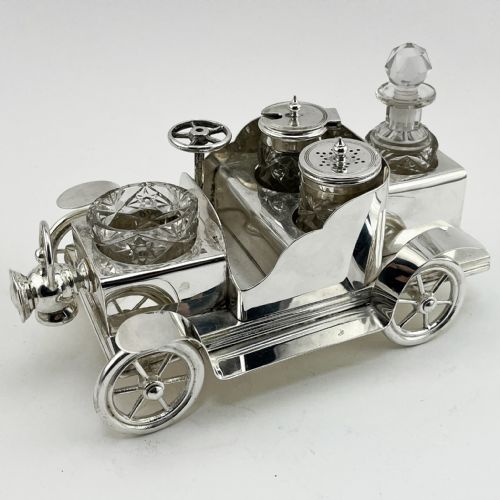
Beyond standard tabletop bottles, these vessels include specialised barware such as glug-glug decanters with ribbed bodies that produce a distinctive sound when pouring. Makers also housed sets of three bottles within silver-plated or oak frames, sometimes incorporating games compendiums and lockable compartments for after-dinner hospitality.
Materials and Craftsmanship
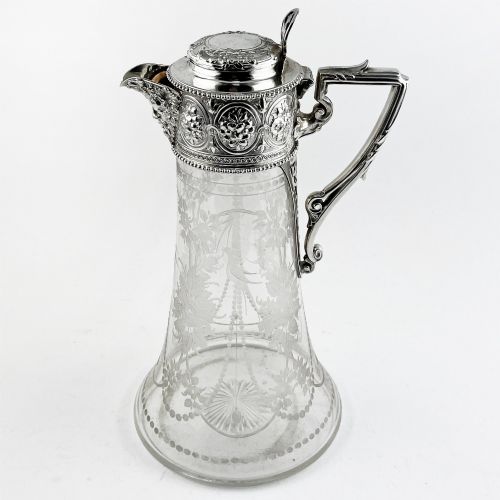
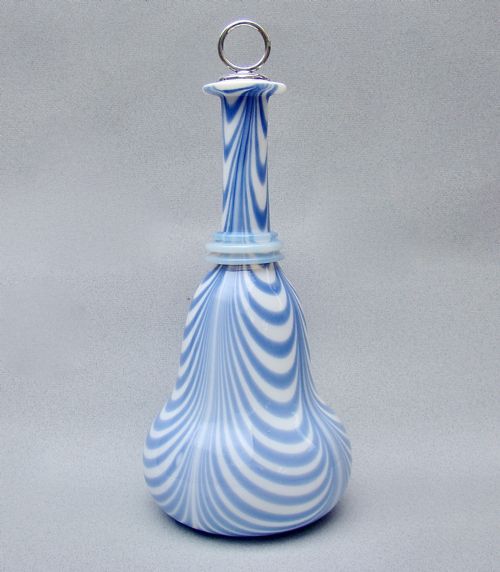
Glass bodies were produced using free-blowing, mould-blowing, or heavy cutting techniques, utilising clear crystal as well as coloured glass types like Nailsea, cranberry, and Bristol green. Artisans achieved decorative vessel profiles through wheel-cutting, optic ribbing, and etching floral motifs directly into the glass surface.
Metal components combined sterling silver and silver plate, shaped by hammering, casting, and repoussé work to form hinged mounts, pouring spouts, collars, and handles. Silversmiths frequently incorporated sculptural elements such as serpent handles or Bacchus masks, securing the metalwork to the glass necks with specialised adhesives and cork linings.
Evaluating the Range
The distinction between standard production pieces and finer examples rests upon the weight and clarity of the glass, the depth of hand-cutting, and the crispness of the silversmith's cast mounts. Superior vessels exhibit heavier crystal blanks with precisely faceted flutes and robust silver collars bearing clear hallmarks.
Makership heavily influences standing, with documented pieces produced by recognised manufacturing firms or silversmiths commanding greater interest than unmarked work. The presence of matching original stoppers, specialised frames, and integrated locking mechanisms elevates the completeness of the piece.
Asprey and Co. Ltd·Walker and Hall·Henry Matthews·Thomas Stapleton·William Comyns·James Deakin and Sons·William Hutton and Sons·Mappin and Webb·Henry Wilkinson and Co
The Victorian Glass Silver Decanter Glossary
- Claret Jug
- A tall vessel specifically designed for serving red wine, typically featuring a hinged silver lid, handle, and pouring spout attached to a glass body.
- Tantalus
- A locked wooden or metal frame holding decanters securely to prevent unauthorized access to the contents while displaying the bottles.
- Glug-Glug Decanter
- A vessel featuring a multi-chambered or spiraled interior neck that restricts liquid flow and produces a gurgling sound when pouring.
- Silver Plate
- A base metal, often copper or white metal, coated with a thin layer of silver through electroplating or older fused plating methods.
- Hallmark
- An official stamp applied by an assay office to indicate the purity of precious metal, the maker, and the year of testing.
Victorian Glass Silver Decanter: Frequently Asked Questions
How do I clean an antique glass decanter?
Wash the interior gently with warm water and specialised cleaning beads, avoiding abrasive brushes that scratch the historic glass surface.
Dry the metal mounts thoroughly after washing to prevent moisture damage to the silver or silver-plated collars.
Can I use these decanters for daily serving?
These vessels function well for serving wine and spirits during dinner parties, provided the historic stoppers and silver mounts are handled with care.
Ensure that original cork linings remain stable and clean before pouring liquids into the vintage glass body.
How do I identify the date of a silver mount?
Examine the silver collar or handle for stamped assay office marks, date letters, and maker's initials to determine the precise year of manufacture.
Compare the stylistic motifs of the cut glass and metalwork against documented production periods from the nineteenth century.
What is a tantalus used for?
A tantalus held spirits under a locking wooden or metal bar to keep household servants or guests from accessing the liquor unattended.
Victorian hosts displayed these locking barware sets on sideboards or in dedicated games compendiums during evening gatherings.