



Antique Silver Plated Carafe
An antique silver plated carafe brings nineteenth-century dining elegance to the table, combining heavy glass bodies with gleaming metal mounts.
Antique Silver Plated Carafe
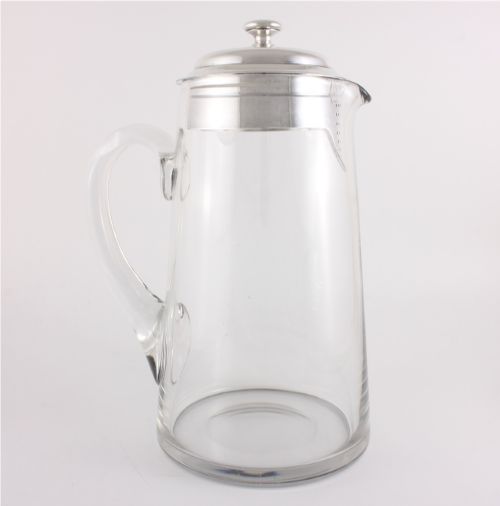
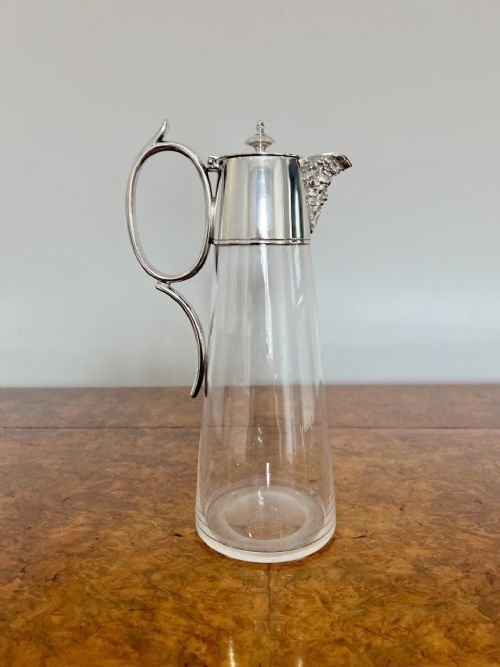
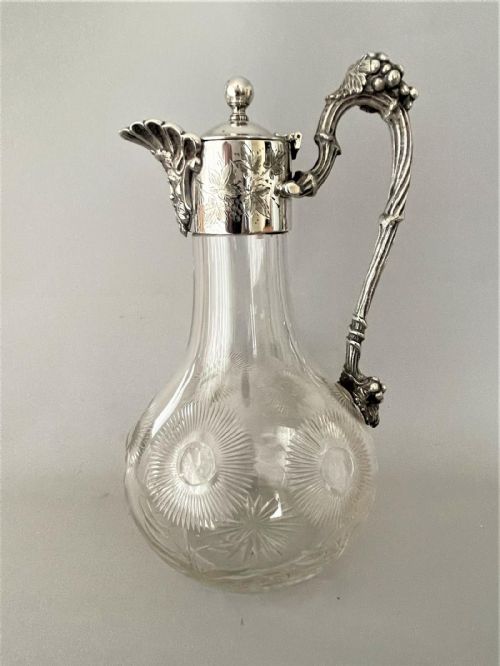
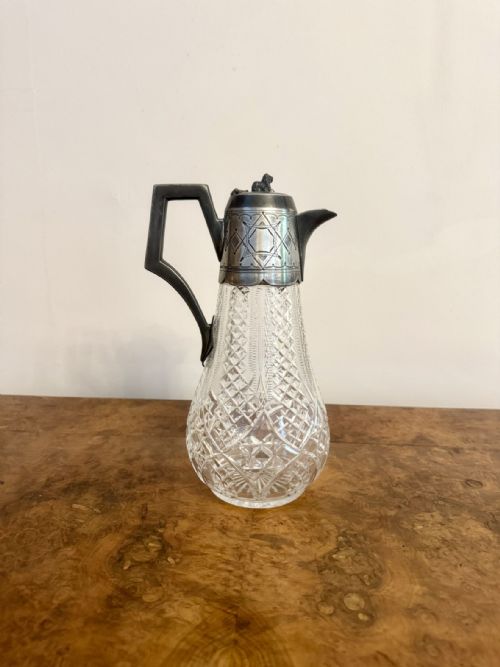
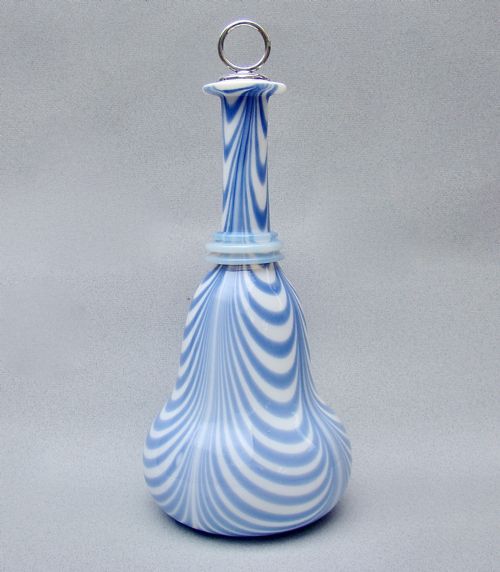
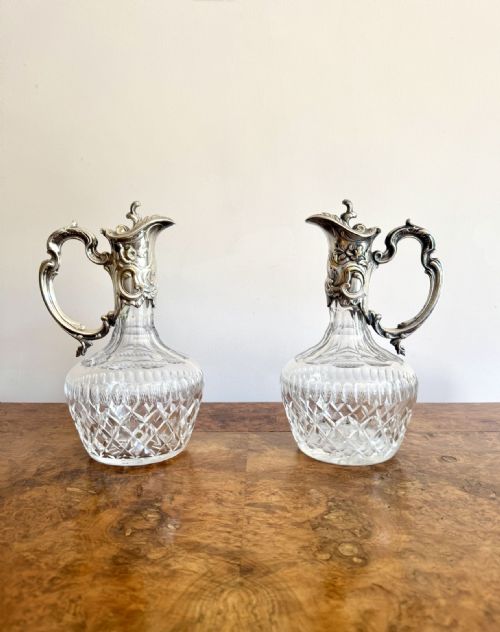
When searching for an antique silver plated carafe, buyers encounter a rich variety of serving vessels designed primarily for wine, claret, and water during formal meals. The pieces listed under this phrase span claret jugs, spirit bottles, and wine decanters from the Victorian and Edwardian eras. Most examples pair a clear or coloured glass body with a decorative silver-plated mount, handle, and hinged lid.
The selections on this page heavily feature claret jugs, alongside wine bottle holders and novelty decanters shaped like thistles or champagne bottles. Origins trace largely to nineteenth-century English workshops, encompassing styles from strict Victorian classicism to flowing Art Nouveau lines and Arts & Crafts simplicity. These vessels served to aerate and present wine at the dinner table before the widespread adoption of glass stoppers and screw caps.
Distinctions in Craftsmanship
Quality in these vessels rests upon the depth and clarity of the glass cutting, alongside the weight and detail of the silver-plated mounts. Superior pieces exhibit crisp, hand-cut facets on crystal or cranberry glass paired with heavy, securely fitted metal handles and well-balanced spouts.
The distinction between standard commercial production and finer work also appears in the crispness of maker marks and the complexity of design, such as fluid Art Nouveau handles or unusual novelty forms. Heavier gauge metal plating resists wear better over time, preserving the bright finish of the collar and hinged lid.
Listings for this phrase frequently feature Victorian and Edwardian periods, utilising cut glass, crystal, and silver plate.
Mappin & Webb·Elkington·Hukin & Heath·Rupert Favell & Co
The Antique Silver Plated Carafe Glossary
- Claret Jug
- A specialised pouring vessel designed specifically for serving red wine, typically featuring a handle and a hinged lid operated by a thumbpiece. These pieces often combine glass bodies with decorative silver-plated mounts.
- Silver Plate
- A metal object formed from a base metal such as brass or Britannia metal that has been coated with a thin layer of pure silver through chemical or electrical processes. This technique became widespread during the nineteenth century.
- Cut Glass
- Glassware decorated by grinding patterns into the surface using rotating wheels, creating sharp facets that reflect light. Higher quality examples show precise, deep cuts with polished finishes inside the grooves.
- Cranberry Glass
- A rich red-pink glass coloured by the addition of gold chloride to the molten batch during production. It frequently appears in Victorian decanters and wine jugs.
- Mount
- The fitted metal collar, handle, spout, and lid assembly attached to the neck of a glass decanter or jug. These components were often cast, chased, and plated separately before mounting.
Antique Silver Plated Carafe: Frequently Asked Questions
How do I clean an antique silver plated carafe?
Wash the glass interior gently with warm soapy water and a bottle brush, avoiding harsh abrasives that could scratch the surface.
Polish the exterior silver-plated mounts with a specialised silver cloth, taking care to keep polish away from any remaining interior residue or seals.
How do I distinguish Victorian from Edwardian pieces?
Victorian examples often display heavier ornamentation, including ornate Rococo Revival scrolls, deep diamond-point glass cutting, and elaborate handle designs. They reflect the industrial confidence and decorative richness of the nineteenth century.
Edwardian pieces generally lean towards lighter proportions, simpler structural lines, and occasional influences from the Arts & Crafts movement or Art Nouveau style.
What is the purpose of the ice tube inside some jugs?
An internal metal or glass ice tube allowed hosts to chill claret or lemonade without diluting the beverage as the ice melted. The closed cylinder slotted directly into the neck of the vessel, surrounded by the liquid.
This clever nineteenth-century innovation kept drinks cool during long formal dinners before mechanical refrigeration became common.