
Silver Lidded Jar
A silver lidded jar brings together polished metal and coloured glass to sit on a dressing table or serve at the tea table.
Silver Lidded Jar
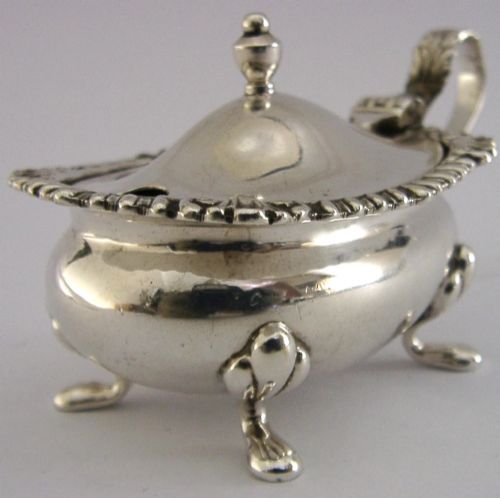
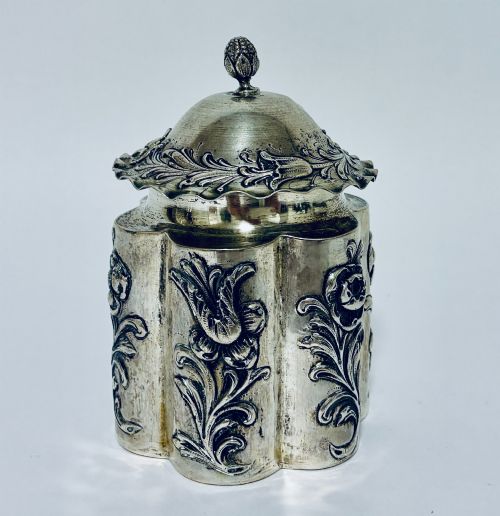
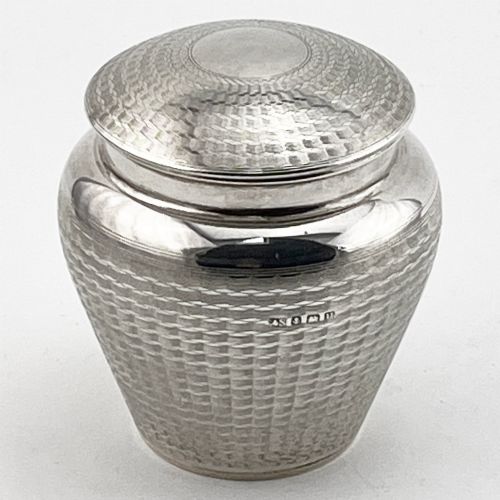
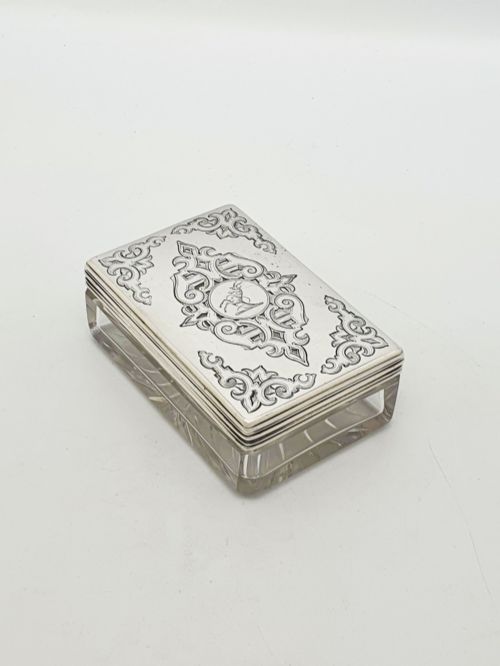
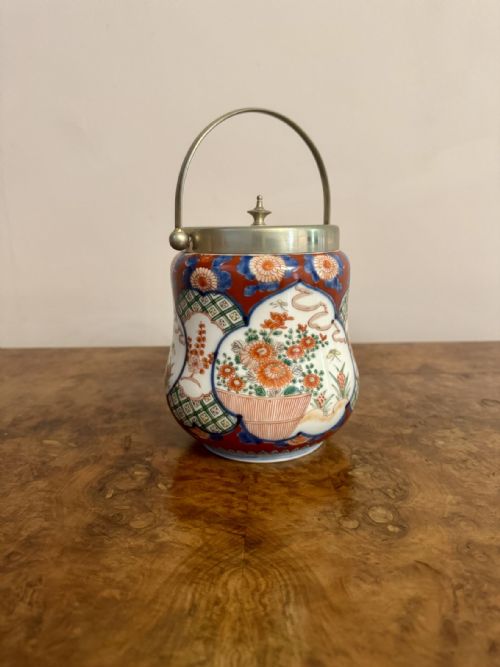
A silver lidded jar encompasses small functional containers made primarily during the Victorian, Edwardian, and Art Deco periods. The selection includes dressing table jars, trinket boxes, mustard pots, scent bottles, and biscuit barrels.
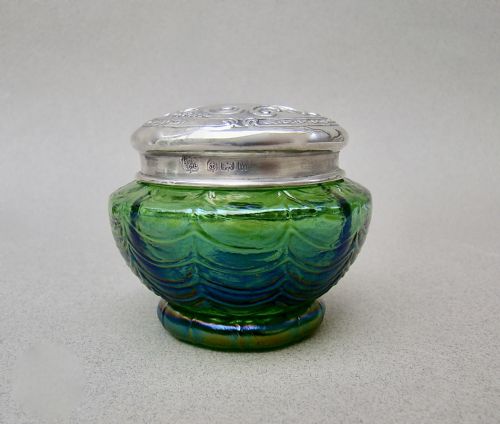
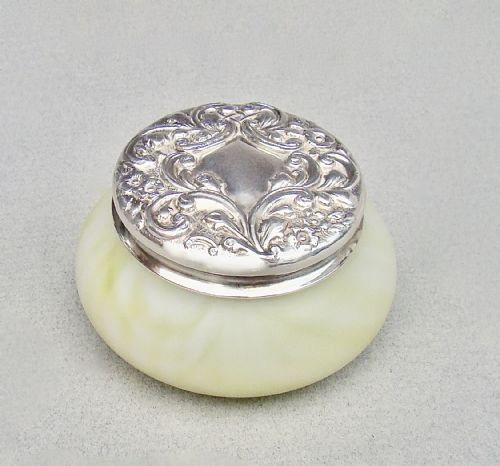
Most examples pair a sterling silver or silver-plated lid with a glass body, though solid silver boxes and ceramic bodies also appear. Origins range from English assay offices to continental Europe and colonial workshops.
How they were made
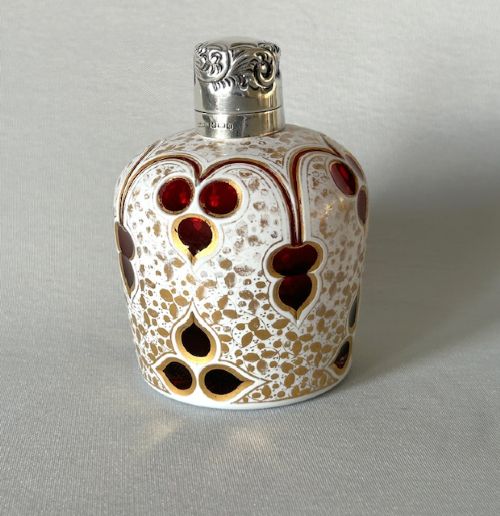
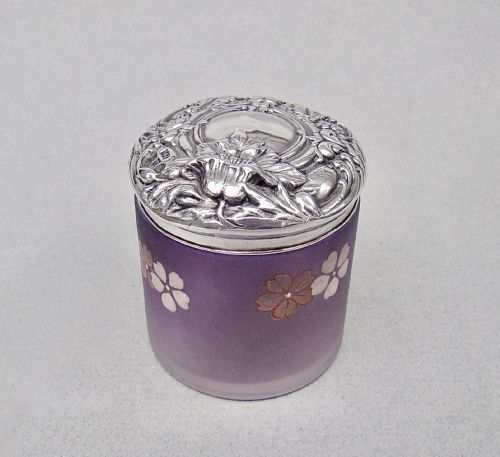
Maker's workshops combined sterling silver or silver plate with cut, moulded, or coloured glass such as cranberry, satin, and uranium glass. Lids were often stamped, chased, or mounted with tortoiseshell, enamel, and ceramic elements.
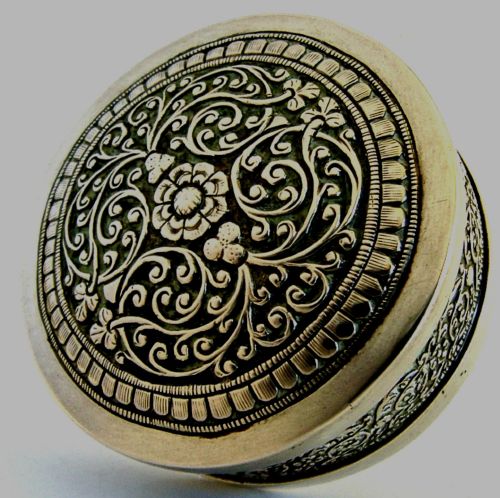
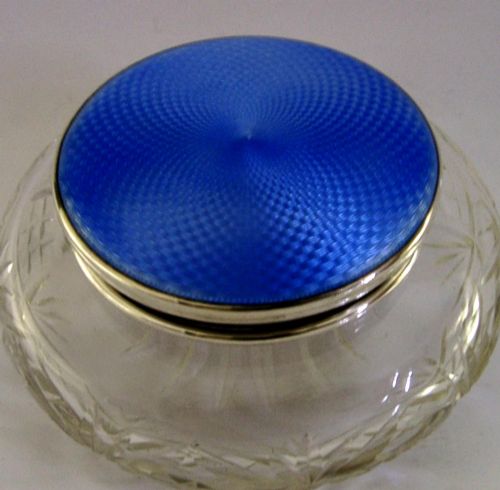
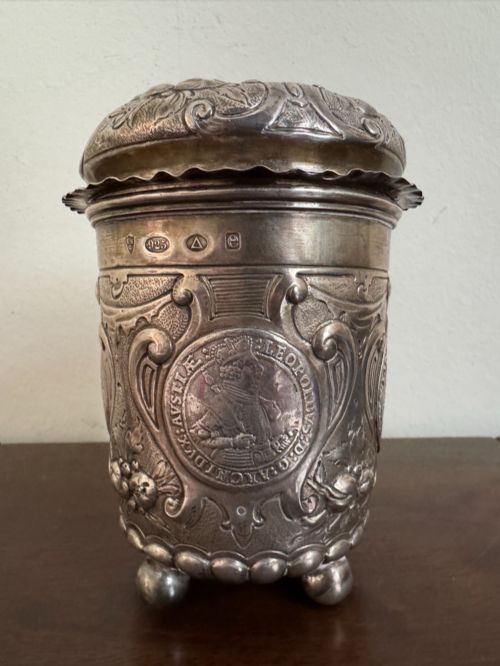
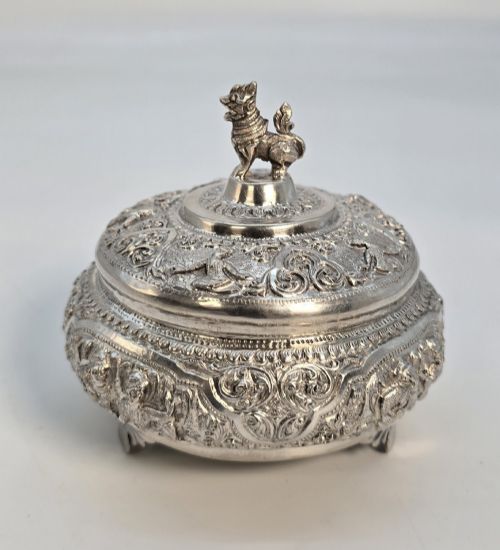
Silversmiths utilised traditional techniques like repousse and guilloche enamel decoration, hallmarking metal components to record the assay office and year of creation.
Silver Lidded Jar Retail Price Guide 2026
Typical asking prices for silver lidded jar among the pieces listed under this phrase on Sellingantiques today, from the lower quarter to the upper quarter. They describe what is for sale here now, not the wider market.
What varies in quality
Quality depends on the weight and thickness of the silver mount, the clarity and depth of the glass cutting, and the preservation of delicate enamel or tortoiseshell panels.
Pieces bearing clear assay marks from recognised silversmiths demonstrate finer craftsmanship than unmarked items or plain silver-plated wares.
A. J. Pepper & Co·A. Bromet & Co·Hasset & Harper·Ernest Druiff & Co·Walker & Hall·William Aitken·Omar Ramsden
The Silver Lidded Jar Glossary
- Guilloche enamel
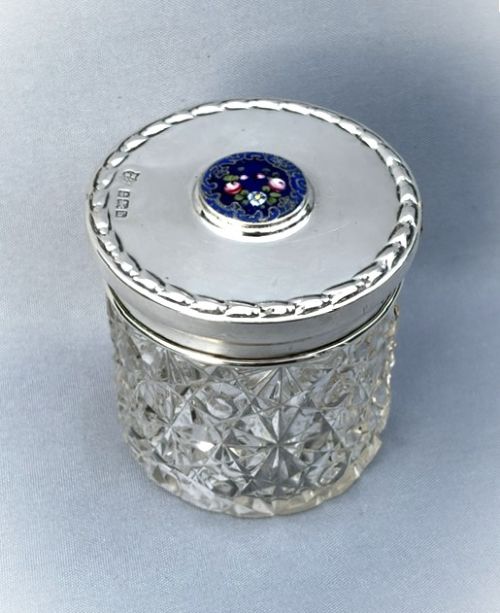
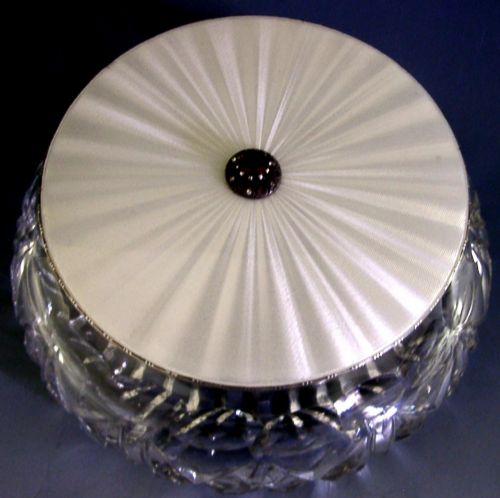
- A decorative technique where intricate geometric patterns are engraved beneath translucent enamel. It frequently decorates Edwardian and Art Deco vanity jars.
- Sterling silver
- An alloy containing 92.5 percent silver by mass, widely utilised for British hallmarked jar lids and mounts.
- Assay mark
- A stamp indicating the purity of the metal, the assay office city, and the year of production.
- Repousse
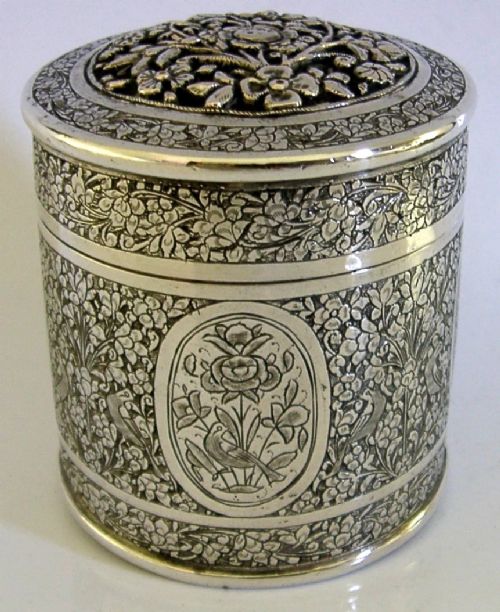
- A metalworking technique where the artisan hammers the design from the reverse side to form raised relief work on tea caddies and boxes.
- Cranberry glass
- A rich pinkish-red glass created by adding gold to the molten batch, popular for Victorian and Edwardian dressing table jars.
Silver Lidded Jar: Frequently Asked Questions
What is a silver lidded jar used for?
These vessels held toiletries, cosmetics, preserves, and dry goods on Victorian and Edwardian tables. Dressing table variants stored powders and pins, while larger cylinders served as biscuit barrels.
Many pots functioned as decorative containers for the boudoir or sideboard. Their versatile sizes accommodated everything from mustard to tea leaves.
How do I date an antique silver lid?
British pieces feature hallmarks that include a date letter corresponding to the assay year and town. Matching the lion passant and maker's mark helps identify the exact period.
Continental and colonial pieces rely on style, regional silver standards, and maker stamps rather than standard British office marks.
How should I clean glass and silver jars?
Wipe glass bodies with warm soapy water while keeping moisture away from glued mounts, tortoiseshell, and enamel panels. Polish silver components gently with a cloth designed for precious metals.
Avoid submerging lidded jars in water, as trapped moisture inside the lid mount can damage internal adhesives and linings.
What styles are common in these jars?
Edwardian and Victorian examples lean towards floral cut glass and tortoiseshell, while Art Deco pieces favour geometric guilloche enamel. Colonial and foreign items often showcase repousse patterns.
Arts and Crafts pieces exhibit hand-hammered surfaces that highlight the individual silversmith's workmanship.