



Chased Silver Vessel
A chased silver vessel brings tactile metalwork and historical weight to a room, ranging from Georgian tea services to ornate Eastern bowls.
Chased Silver Vessel
A chased silver vessel encompasses hollowware items such as bowls, tankards, teapots, mustard pots, and ewers adorned with hammered surface decoration. Collectors seek these items for their craftsmanship and the tangible record of silversmithing traditions across different regions.
The selections span diverse eras from the Georgian period through the Victorian and Edwardian decades, alongside 20th-century items. British sterling silver and silver plate appear alongside international examples including Chinese export pieces, Anglo-Indian items, and Ottoman wares.
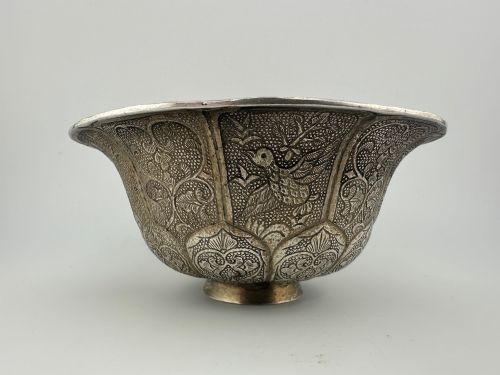
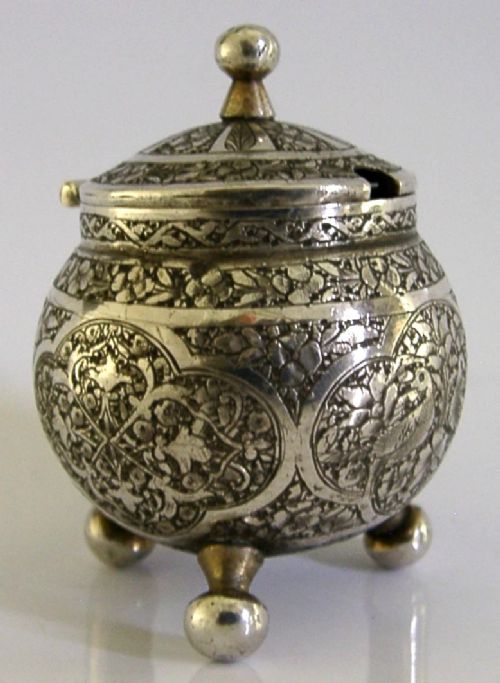
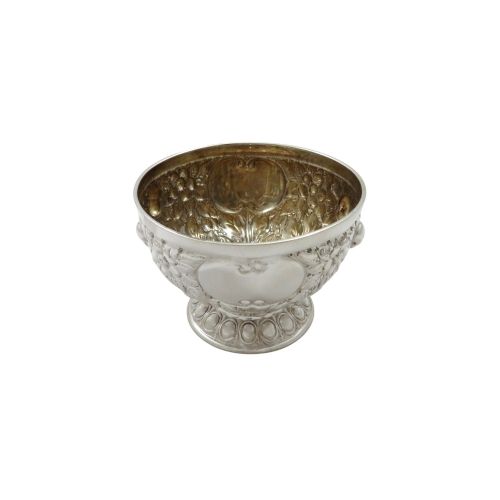
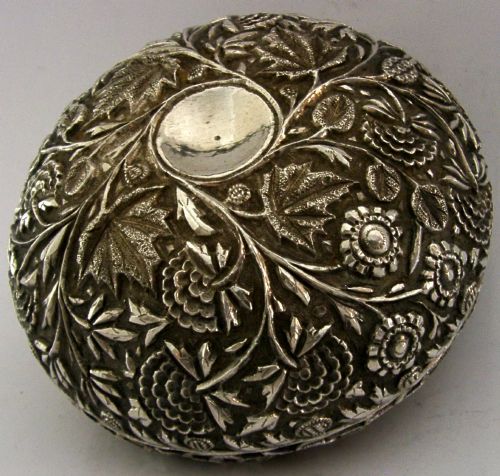
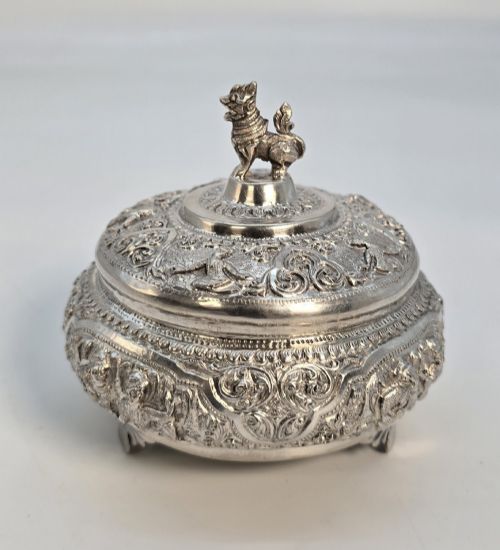
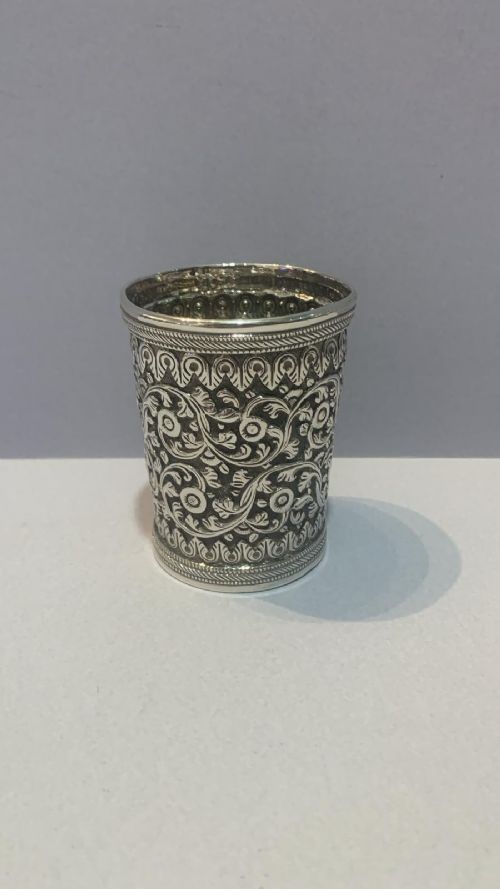
On this page, buyers frequently encounter bowls, tankards, and mustard pots created in sterling silver, solid silver, and silver plate. Many incorporate regional motifs such as repoussé floral designs, bird figures, and intricate hand-chased scenes.
Materials and Working Methods
Silversmiths constructed these vessels primarily from sterling silver, solid silver, or silver plate, sometimes combining the metal with secondary materials like wood, bone, or cut glass for handles and inserts.
Makers shaped the hollowware bodies through raising and spinning techniques before decorating the surfaces with repoussé and chasing methods. Chasing involves pushing the metal from the front with specialised punches to create crisp low-relief surface details, while repoussé works the metal from the reverse.
Chased Silver Vessel Retail Price Guide 2026
Typical asking prices for chased silver vessel among the pieces listed under this phrase on Sellingantiques today, from the lower quarter to the upper quarter. They describe what is for sale here now, not the wider market.
Squirrel sugar boxes and wager cups prove that past silversmiths enjoyed infusing daily tea tables with playful, nimble creatures.
Evaluating the Metalwork
Quality in a chased silver vessel resides in the depth and precision of the hand-chased ornamentation rather than mere weight or scale. Crisp, high-relief detailing that retains sharp definition across floral, bird, or figural motifs indicates superior craftsmanship.
The integrity of construction also dictates worth, including balanced proportions in baluster vases and tankards, secure joints on handles and feet, and legible hallmarks that verify the metal standard and origin.
Wang Hing & Co·Bernard Muller·Boardman Glossop & Co
The Chased Silver Vessel Glossary
- Chasing
- The technique of ornamenting metal by indenting the front surface with punches and hammers to create a design without removing material. This process defines the intricate surface patterns seen on many antique hollowware pieces.
- Repoussé
- A method of shaping metal from the reverse side by hammering to form raised relief designs on the front. It frequently accompanies chasing to produce dimensional floral and figural compositions.
- Sterling silver
- An alloy containing 92.5 percent silver by weight, combined with other metals for durability. British pieces typically display assay office hallmarks confirming this standard.
- Hollowware
- Tableware and decorative items with volume, such as teapots, tankards, jugs, and bowls. These objects require advanced smithing skills to form from sheet metal.
- Wager cup
- A double-cup drinking vessel historically used in wedding traditions and drinking games, shaped as a small figure holding a pivoted smaller cup. Examples often feature detailed chasing and figural design.
Chased Silver Vessel: Frequently Asked Questions
What is a chased silver vessel?
A chased silver vessel is a hollowware item decorated by hammering metal from the front to create depressed relief patterns.
These pieces include functional and decorative items such as tankards, teapots, mustard pots, and bowls originating from various global silversmithing traditions.
How do I date an antique silver vessel?
Dating relies primarily on official hallmarks stamped into the metal, which indicate the assay office, city, and year of manufacture for British items.
International or unmarked pieces require stylistic analysis of the form, decorative motifs, and manufacturing techniques to place them within periods like the Georgian or Victorian eras.
What is the difference between chased and repoussé?
Chasing involves working the metal from the front side with punches to push lines and textures inward, while repoussé involves working from the reverse side to push the metal outward into high relief.
Silversmiths frequently combined both methods on a single vessel to create deeply dimensional floral and figural scenes.
How should I clean silver vessels?
Cleaning requires gentle care using specialised silver polishes and soft cloths to preserve the delicate recessed details created by the chased decoration.
Harsh abrasives or excessive scrubbing must be avoided to prevent wearing away thin plating or softening crisp hand-worked metal textures.