
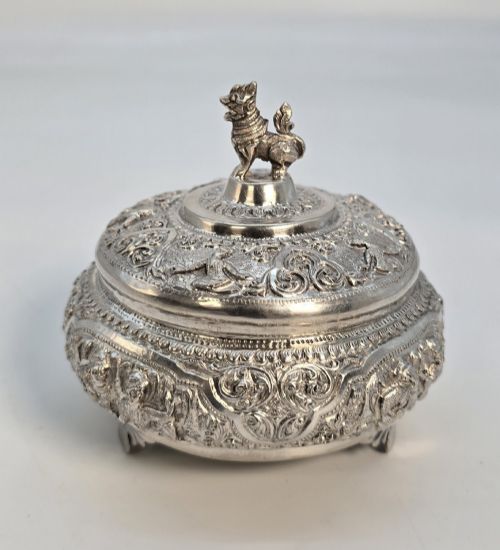


Embossed Silver Pot
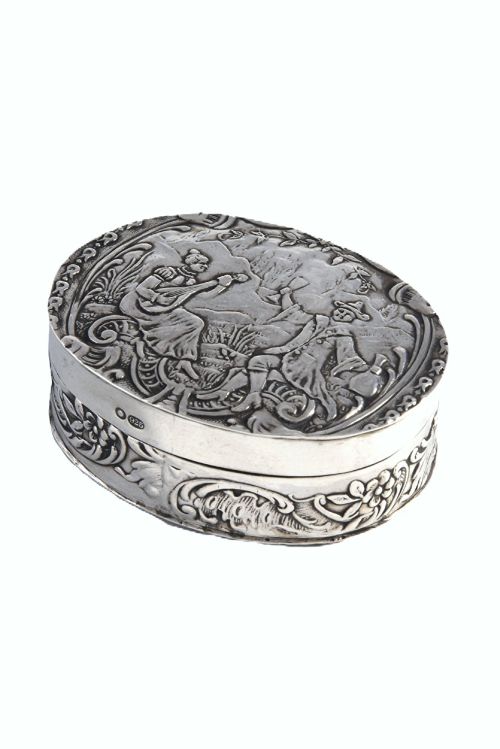
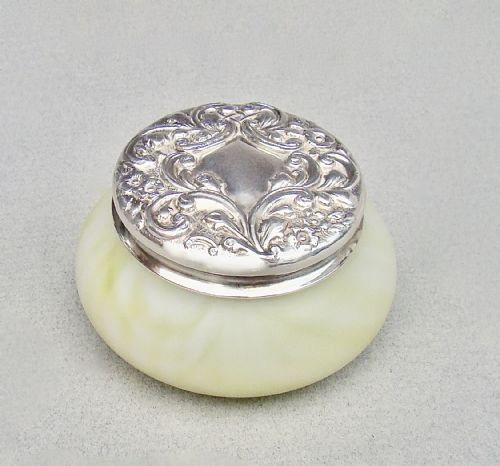
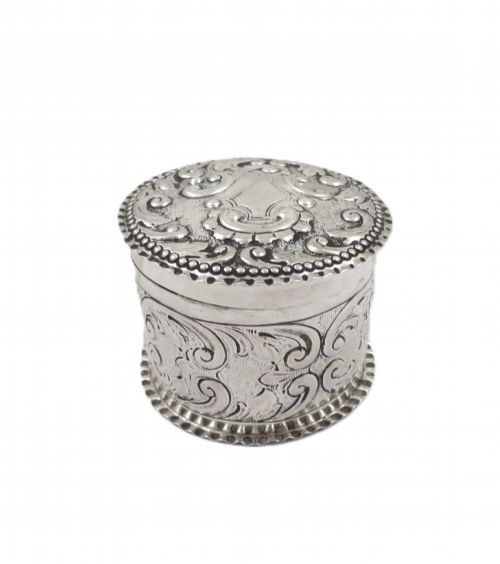
These embossed silver pot pieces are tactile vessels of precious metal and glass, prized for their intricate chased detail and enduring utility on a dressing table or desk.
Embossed Silver Pot
When you search for an embossed silver pot, you encounter an array of functional containers ranging from small dressing table jars to larger tea services and coffee pots. These items serve as decorative and practical receptacles across periods such as the Georgian, Victorian, and Edwardian eras.
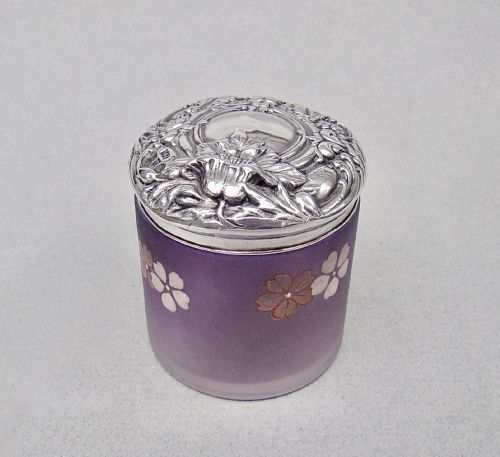
The versions you are most likely to meet on this page include vanity pots, trinket boxes, and lidded jars featuring worked metal surfaces. Many combine sterling silver or silver plate with cut glass, satin glass, or frosted glass bodies.
Originating from British workshops and international traditions such as Anglo-Indian design, these pieces reflect the domestic habits of the nineteenth and early twentieth centuries. They bridge the gap between utilitarian storage and ornate tabletop display.
How they were made
Makers formed these containers using sterling silver, silver plate, and various types of glass including satin, frosted, and cut varieties. Metal components were often worked while sheet silver was manipulated to create raised decorative motifs.
Surface ornamentation relied on embossing and chasing techniques to press patterns from behind and refine details from the front. Glass bodies were frequently mouth-blown and wheel-cut before receiving their fitted metal lids.
The listings span the Georgian, Victorian, and Edwardian periods, utilising sterling silver, silver plate, cut glass, and satin glass.
What varies in quality
The distinction between standard items and superior examples lies in the crispness of the chased decoration and the weight of the metal. Heavier sterling silver components with deep, well-defined motifs demonstrate greater craftsmanship than lighter or purely plated alternatives.
Integration between different materials also dictates overall standard, particularly in how securely fitted silver lids are to their glass or wooden bases. The precision of hallmarks and the finesse of stylistic details like Art Nouveau plant motifs further elevate a piece.
A. Bromet & Co·Edward Power·William Comyns
The Embossed Silver Pot Glossary
- Sterling silver
- An alloy consisting of pure silver and other metals, traditionally copper, to increase durability while maintaining a high purity standard. British items typically bear a lion passant hallmark to confirm this composition.
- Chasing
- A metalsmithing technique where a hammer and punch push the metal from the front to refine surface details and create texture. It is often paired with embossing to achieve high relief designs.
- Satin glass
- A type of art glass featuring a velvety, acid-etched surface finish that diffuses light. It appears frequently in combination with metal lids on dressing table items.
- Hallmark
- An official stamp applied by an assay office indicating the purity of the metal, the maker, and the year of production. These marks provide definitive provenance for British pieces.
- Pot pourri
- A mixture of dried plant materials used to scent a room, housed in specialised pierced containers designed to release fragrance. These boxes often feature decorative openwork lids.
Embossed Silver Pot: Frequently Asked Questions
What is an embossed silver pot?
An embossed silver pot is a container fashioned from precious metal or incorporating a silver lid, decorated with raised patterns formed by hammering from the reverse side. These items include vanity jars, snuff boxes, and small decorative vessels.
They were produced extensively during the Victorian and Edwardian periods for personal grooming and domestic organisation, combining practicality with ornamental design.
How were these pots used?
These vessels served various functions in the home, primarily on dressing tables, desks, and tea services. They held powders, pins, snuff, tea leaves, or cosmetics.
Their decorative nature meant they remained on display in parlours and bedrooms rather than being stored away, reflecting the material culture of their time.
How do I care for silver and glass?
Maintaining these pieces requires gentle cleaning with specialised silver polish to prevent tarnish accumulation without wearing away the embossed details. Avoid harsh abrasives on both the metal and any glass or wooden components.
Storing them away from direct moisture helps preserve the integrity of the linings and the polished finish of the exterior.
How can I tell the period?
Dating these items relies heavily on assay office hallmarks, maker marks, and stylistic indicators such as the sinuous lines of Art Nouveau or the heavier proportions of Victorian design. Comparing the typography of stamps and the specific materials helps narrow down the decade.
Construction methods, such as how the glass is blown or how the metal is joined, also offer clues to whether a piece originates from the Georgian era or later.