



Silver Gilt Table
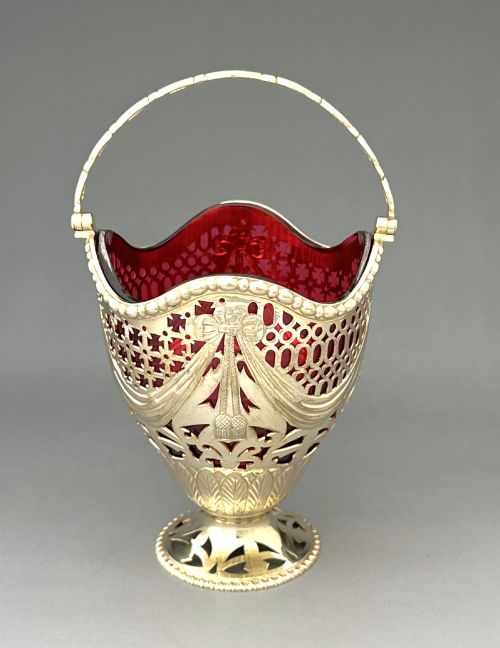
A silver gilt table brings a radiant metallic warmth to a room, combining solid timber or carved gesso structures with gleaming gilded surfaces.
Silver Gilt Table
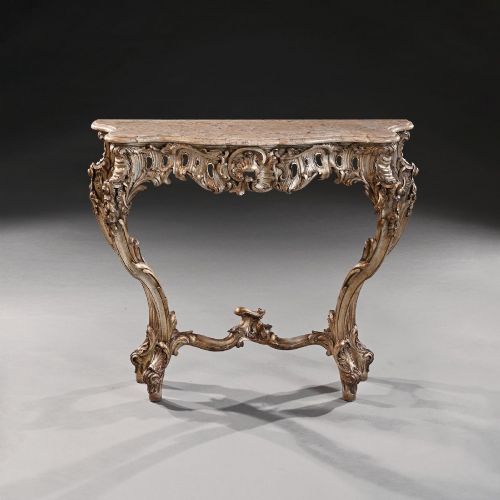
When searching for a silver gilt table, buyers encounter substantial furniture designed to command attention in a reception room or hallway. The selection spans grand Italian Rococo console tables with shaped marble tops alongside smaller French and English side tables.
The objects combine structural wooden frames with ornate metallic finishes, creating striking focal points that reflect ambient light. Pieces frequently display carved motifs, scrolling foliage, or classical animal forms such as dolphins.
Originating across different European centres, these tables reflect shifting interior aesthetics from the eighteenth century through to later revival periods.
How they were made
Craftsmen built the underlying carcase using timbers such as walnut or pine, shaping the structural framework by hand before applying decorative surface treatments. Carved gesso layers were frequently built up over the wood to create sharp relief details before gilding.
Gold or silver leaf was meticulously applied to the prepared surfaces, then burnished to achieve varying degrees of brilliance and matte contrast. Console variants often incorporated heavy marble slabs fitted precisely to the shaped wooden framing.
Silver Gilt Table Retail Price Guide 2026
Typical asking prices for silver gilt table among the pieces listed under this phrase on Sellingantiques today, from the lower quarter to the upper quarter. They describe what is for sale here now, not the wider market.
Dolphins carved into nineteenth-century side tables demonstrate how maritime creatures frequently found themselves transposed inland to support tea services.
What varies in quality
The distinction between ordinary and exceptional examples rests in the crispness of the hand-carved ornamentation and the depth of the gilding. Superior items exhibit fluid, deeply undercut foliage and figures rather than soft, mass-produced moulding.
The integrity of the underlying structure and the quality of the fitted marble top further separate standard items from the finest surviving examples of the period.
Mappin & Webb·Thomas Shaw·Paul Storr·Asprey
The Silver Gilt Table Glossary
- Silver Gilt
- Silver that has been coated with a thin layer of gold, combining the cool base metal strength with a warm golden finish. This technique is often found on interior fittings and decorative furniture.
- Console Table
- A wall-mounted or freestanding table supported by ornate brackets or legs, designed to stand against a vertical surface. These items frequently feature decorative marble tops.
- Gesso
- A plaster-like mixture applied to wood surfaces to create a smooth base for carving and gilding. It allows craftsmen to achieve intricate three-dimensional decorative details.
- Rococo
- An ornate artistic style characterised by asymmetry, scrollwork, and naturalistic plant motifs. It heavily influenced furniture design during the eighteenth century.
- Parcel Gilt
- A decorative treatment where only specific portions of an object are gilded while other areas retain the exposed silver or base metal. This creates a contrasting two-tone visual effect.
Silver Gilt Table: Frequently Asked Questions
Where should I place a console table?
These decorative items suit entrance halls, drawing rooms, or underneath large wall mirrors where their reflective surfaces can catch the light.
They provide a formal focal point without occupying excessive floor space.
How do I clean gilded furniture?
Dust surfaces gently with a soft, dry ostrich feather duster to prevent scratching the delicate metallic leaf.
Avoid using liquid cleaners, chemical polishes, or abrasive cloths that can strip the historic gilding.
Are marble tops original to the tables?
Many console tables retain their heavy shaped marble inserts, which were chosen for durability and contrasting texture.
Inspect the seating rebate beneath the stone to check for consistent ageing and correct historical fit.
How do I identify a revival period piece?
Nineteenth-century makers frequently emulated eighteenth-century Italian and French designs using heavier structural framing and distinct tool marks.
Examine the construction methods and timber backing to determine the true manufacturing era.