
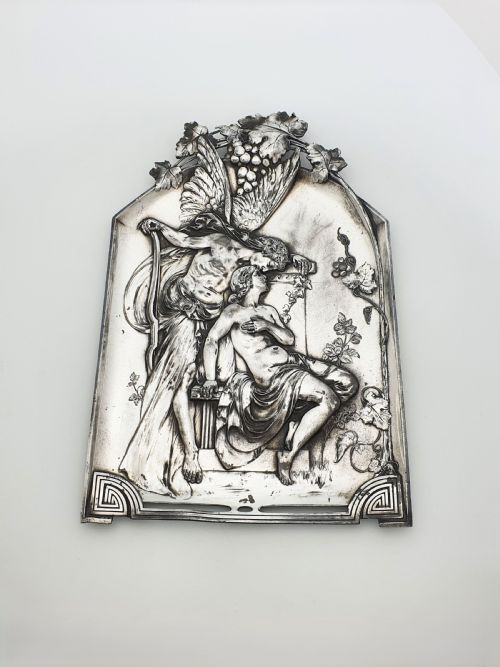


Silver Decorative Tray
A silver decorative tray brings tactile weight and reflective polish to a surface, offering a focused stage for small objects or serving drinks with quiet theatre.
Silver Decorative Tray
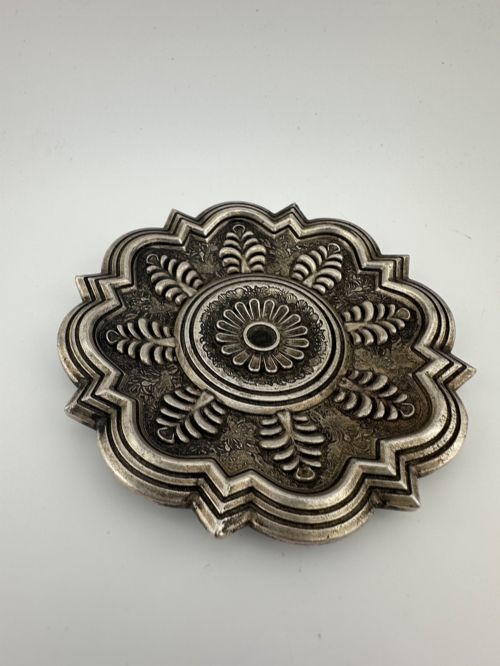
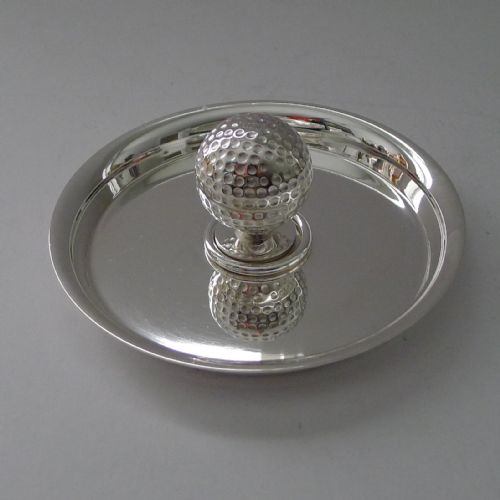
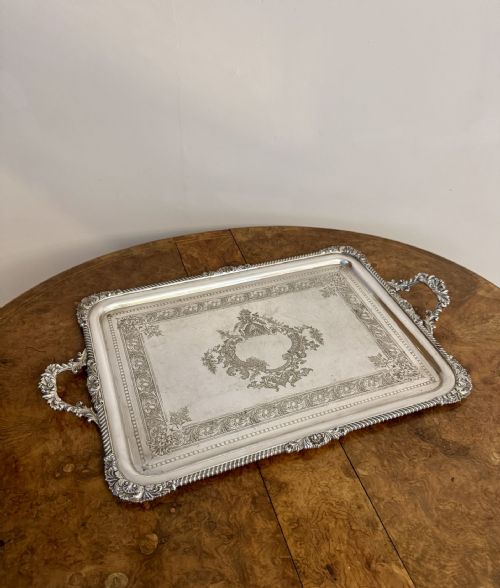
A silver decorative tray encompasses a wide family of serving vessels, vide poche dishes, chargers, and wall plaques spanning from the eighteenth century to the mid-twentieth century. The selection ranges from substantial Victorian gallery trays and Edwardian rectangular servers to intricately worked Middle Eastern inlaid chargers and Chinese export dishes.
The objects take many physical forms, appearing as heavy bronze platters, beaten pewter wall plates, small trinket dishes, and grand silver-gilt sideboard centerpieces. Most pieces encountered combine utility with ornamental display, utilising raised rims, cut corners, pierced borders, or figural battle scenes to catch the eye.
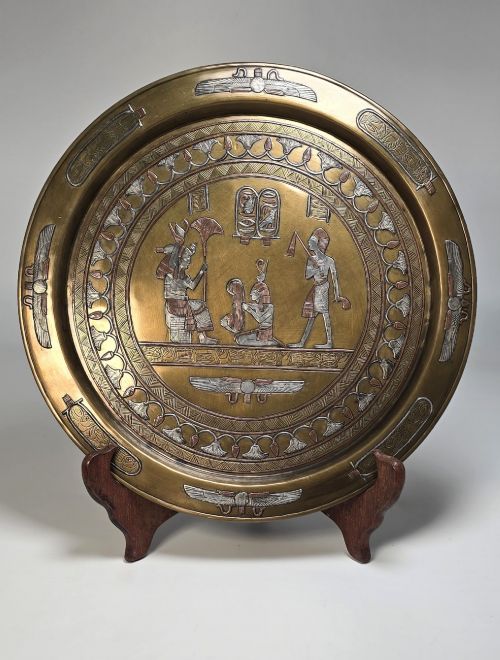
Origins stretch across Britain, France, Germany, and the wider Mediterranean and Asian markets, drawing on distinct regional aesthetics such as Art Nouveau, Islamic metalwork, Egyptian Revival, and Mid-Century Modern design.
Distinguishing quality in metalware
Quality rests upon the crispness of the hand-chasing, the depth of the repoussé work, and the structural integrity of the metal foundation under heavy proportions. Superior items display clean junction points, sharply defined figural or floral motifs, and deliberate patination that highlights the artisan's hand.
Lesser examples show softened details from excessive polishing, wear through silver plating to the base metal beneath, or clumsy repairs to pierced galleries and handles. The distinction lies in whether the ornamentation remains structurally integrated into the vessel or appears merely superficial.
Listings include items spanning the eighteenth, nineteenth, and twentieth centuries, executed in materials from solid silver and pewter to copper and bronze.
Hermes Paris·WMF·Tiffany and Co·Christofle Paris·Maria Pergay·S Duncomb·Barnard
The Silver Decorative Tray Glossary
- Charger
- A large ornamental plate or platter, traditionally used on sideboards or as a base for other dishes rather than direct service. These items often feature heavy repoussé or inlaid decoration.
- Vide Poche
- French for empty pocket, this is a small tray or dish placed in a hallway or living space to hold keys, coins, and daily pocket items. They appear frequently in mid-century designs.
- Repoussé
- A metalworking technique where the artisan hammers the design from the reverse side to form raised relief patterns on the front. This method creates tactile depth on trays and chargers.
- Cairo Ware
- Metalware originating from Egypt, typically bronze or copper inlaid with silver and brass in intricate Islamic geometric and calligraphic patterns. These pieces date largely to the late nineteenth century.
- Gallery Tray
- A tray featuring an elevated, pierced openwork metal gallery wall surrounding the flat base. They are designed to keep glassware and decanters secure during service.
Silver Decorative Tray: Frequently Asked Questions
How were antique trays used?
These pieces served multiple domestic roles, functioning as afternoon tea servers, sideboard display chargers, wall plaques, and receptacles for correspondence or pocket items.
Larger gallery versions managed decanters and glassware, while smaller dishes held personal items in private rooms.
How do I clean silver plate?
Gentle maintenance is required to preserve underlying copper or base metals exposed beneath worn silver plate.
Avoid harsh abrasive dips and instead use a soft cloth with specialist polish applied lightly to maintain the historic patination.
What is Cairo Ware?
Cairo Ware refers to nineteenth-century Egyptian metalwork characterised by bronze or copper bodies inlaid intricately with silver and brass.
These decorative chargers and vessels reflect the nineteenth-century European enthusiasm for Islamic design and Grand Tour souvenirs.
How do I date a metal tray?
Dating relies on stylistic markers such as Art Nouveau whiplash curves, Victorian floral embossing, or Mid-Century Modern minimalism.
Maker marks, stamped registry numbers, and regional metal composition styles further narrow the period of manufacture.