

Silver Bonbon Bowl
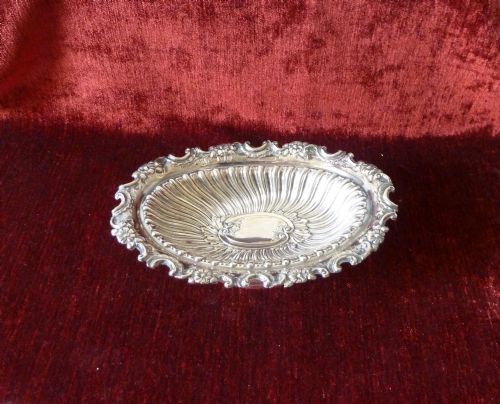
When you search for a silver bonbon bowl, you are looking at small open vessels designed to hold sweets, nuts, and small confections on a table.
Silver Bonbon Bowl
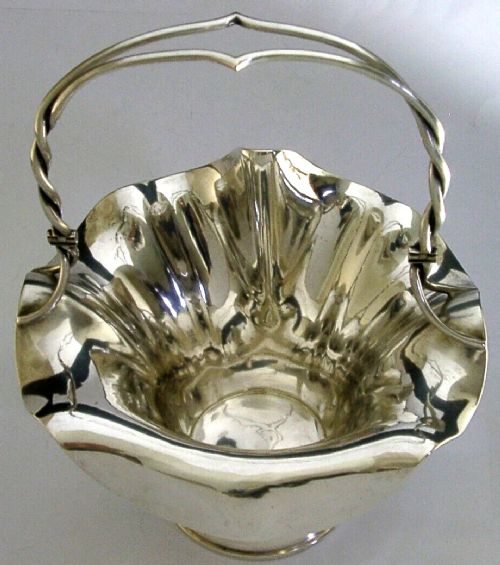
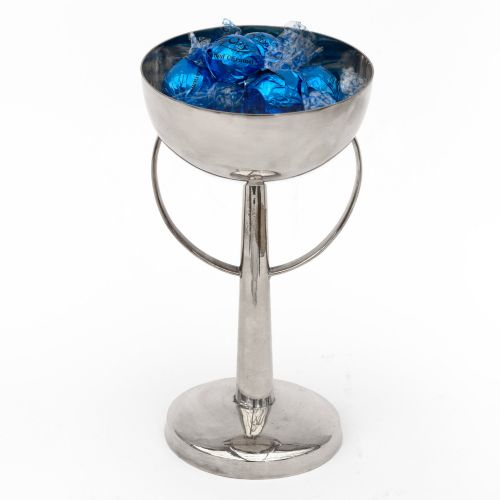
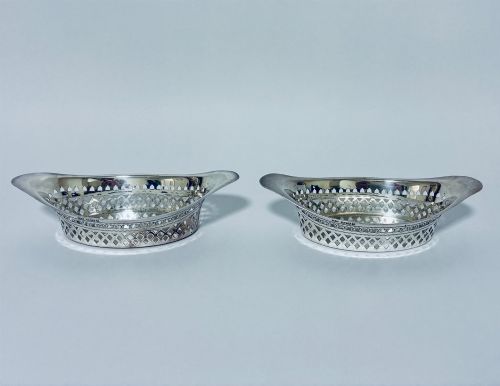
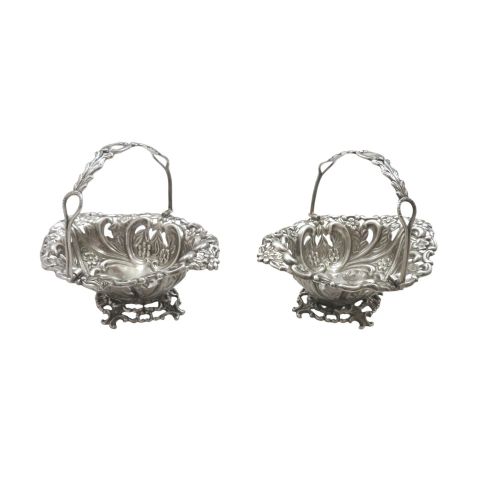
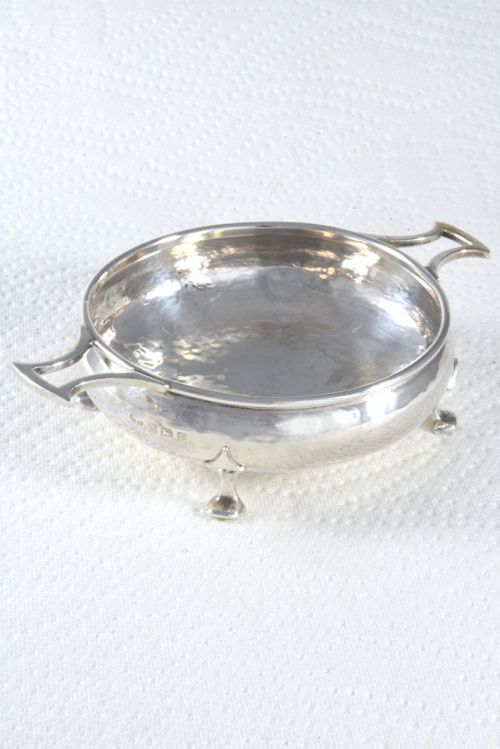
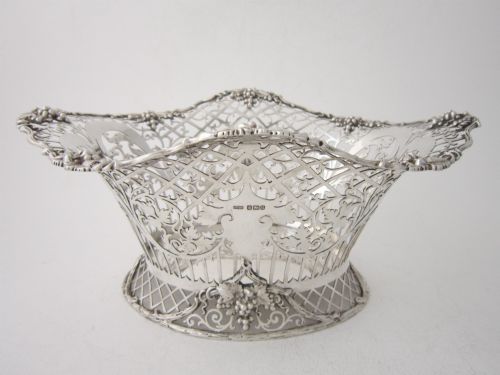
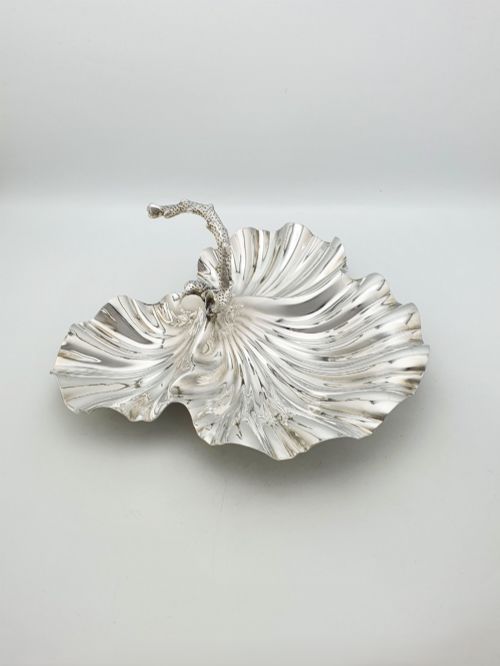
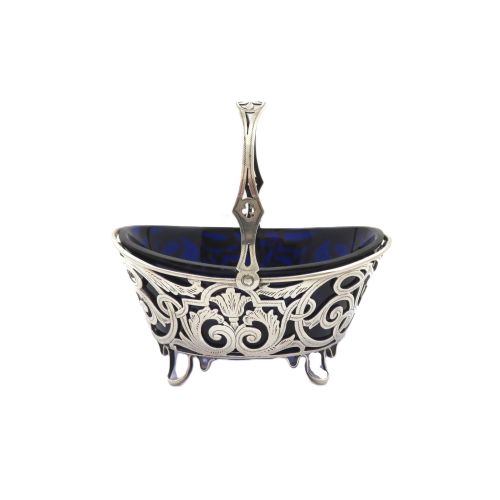
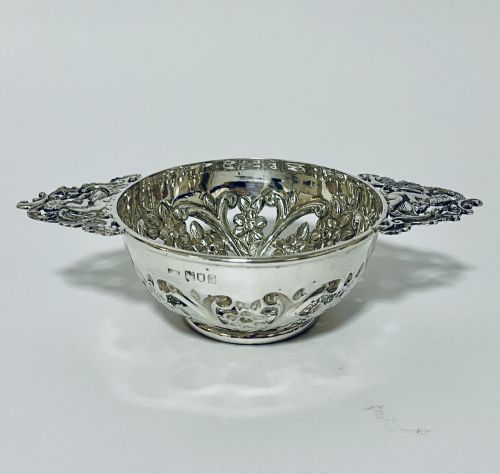
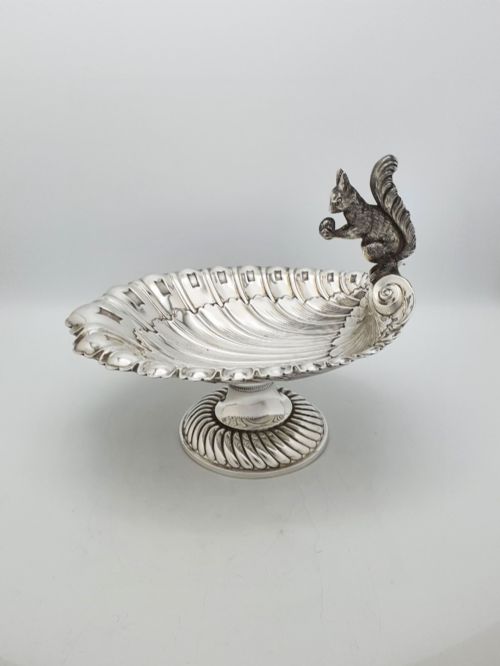
A silver bonbon bowl encompasses a variety of forms including small handled baskets, pierced dishes, sweetmeat vessels, and pedestal bowls. These items appear frequently in Victorian, Edwardian, and early twentieth-century editions, alongside older Georgian and eighteenth-century examples.
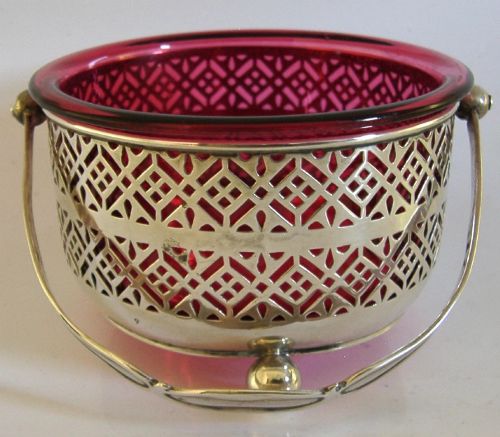
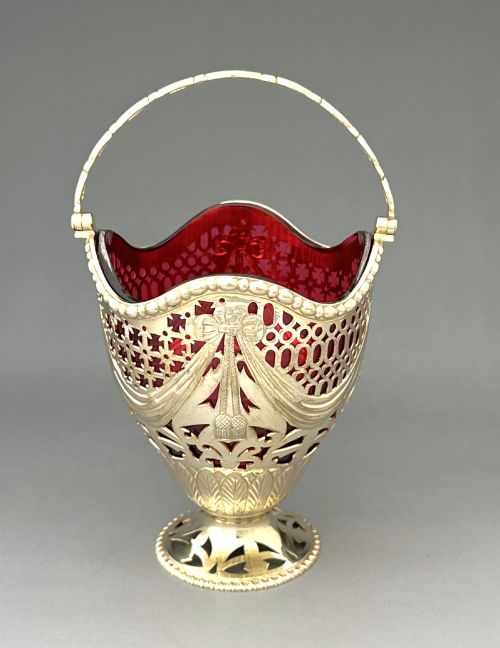
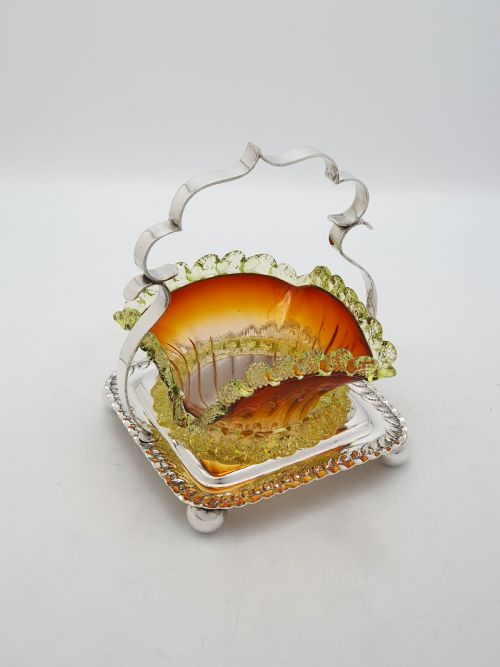
The objects served primarily for presenting sweetmeats and confections during formal dining and drawing room gatherings. Many examples retain coloured glass liners, while others rely on solid silver or silver plate construction with intricate pierced or lattice work.
How they were made
Makers utilised sterling silver and silver plate, frequently combining metalwork with contrasting elements such as cranberry, ruby, amber, vaseline, or cobalt glass liners. Techniques included piercing, casting, and repoussé work to create open lattice patterns or naturalistic floral details.
Earlier pieces from the eighteenth and nineteenth centuries often employed Old Sheffield Plate or heavy cast silver handles, whereas twentieth-century items incorporated swing handles and fitted glass inserts.
Listings feature items spanning from the eighteenth century to the mid-twentieth century, incorporating solid silver, silver plate, and various coloured glass elements.
What varies in quality
Quality rests upon the crispness of the piercing, the weight of the silver or plating, and the intactness of any fitted glass liners. Substantial gauge metal and well-defined cast handles separate finer workshop output from simpler stamped items.
The presence of clear hallmarks, original coloured glass components, and documented maker attributions elevates certain pieces above standard domestic wares.
WMF·Thomas Bradbury·Viners·Fenton·William Bond·Martin Hall·Roberts and Belk·Edward H Stockwell·Annie Gentle
The Silver Bonbon Bowl Glossary
- Sterling silver
- An alloy consisting of 92.5 percent silver by mass, with the remainder usually copper. This standard forms the basis of most British hallmarked tableware.
- Silver plate
- A layer of silver applied to a base metal core such as copper or Britannia metal. This technique offered a more accessible alternative to solid silver.
- Pierced work
- A decorative technique involving the cutting or piercing of openings through the metal to create geometric, lattice, or floral patterns. It lightened the visual weight of baskets and dishes.
- Silver gilt
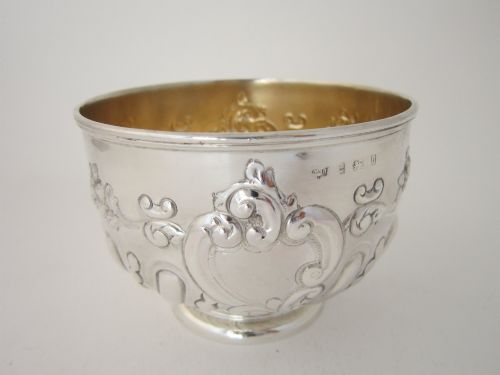
- Silver that has been coated with a thin layer of gold on its surface, often applied to the interior of bowls and dishes. This protected the metal from corrosive food substances.
- Swing handle
- A movable handle attached to opposite sides of a basket or bowl via pivots. It allowed the handle to rest flat against the rim when not in use.
Silver Bonbon Bowl: Frequently Asked Questions
What were silver bonbon bowls used for?
These vessels held small sweets, sugar confections, or nuts for guests during formal teas and dinner parties. They were typically placed on the dining table or drawing room surfaces for easy access.
Over time, their uses expanded to include holding trinkets or serving as decorative centrepieces when paired with coloured glass liners.
How do I identify the date of a silver bowl?
British pieces generally display a series of hallmarks indicating the assay office, standard of metal, and a date letter corresponding to the year of testing. Stylistic clues such as Art Nouveau whiplash lines or Victorian naturalism also help narrow the period.
Unmarked silver-plated items rely on design characteristics, maker marks, and manufacturing techniques to determine their approximate age.
Are glass liners original to the bowls?
Many baskets and dishes were manufactured with fitted glass liners in colours like cranberry, ruby, or vaseline to protect the metal and display the contents. Determining originality involves checking if the glass fits the contours and dimensions of the metal piercing precisely.
Replacement liners are common due to the fragile nature of glass over generations of use.
How should I care for antique silver and glass?
Regular dusting with a soft cloth and occasional cleaning with a specialist silver polish preserves the metal surface without wearing down thin plating. Avoid abrasive materials that can scratch both the silver and any associated glass liners.
Hand washing glass components in lukewarm water prevents thermal shock and protects any delicate coloured tints.