


Fluted Silver Dish
A fluted silver dish brings bright reflection and crisp geometry to the table, and these pieces span periods from the eighteenth century to the twentieth.
Fluted Silver Dish
When you search for a fluted silver dish, you enter a field of serveware, trinket dishes, and decorative bowls spanning the eighteenth, nineteenth, and twentieth centuries. These pieces take many forms, from Georgian and Victorian pin trays to heavy Art Nouveau baskets and large serving bowls.
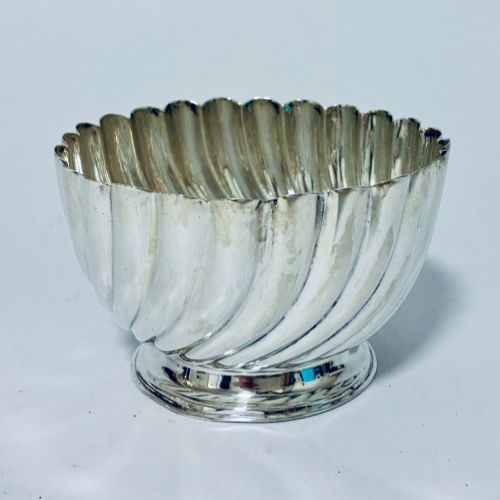
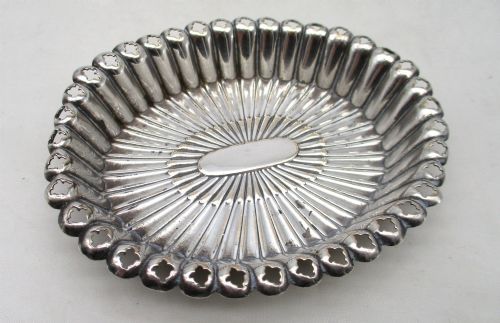
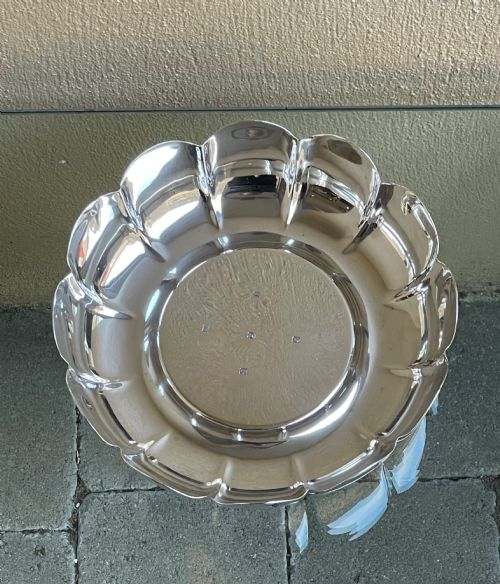
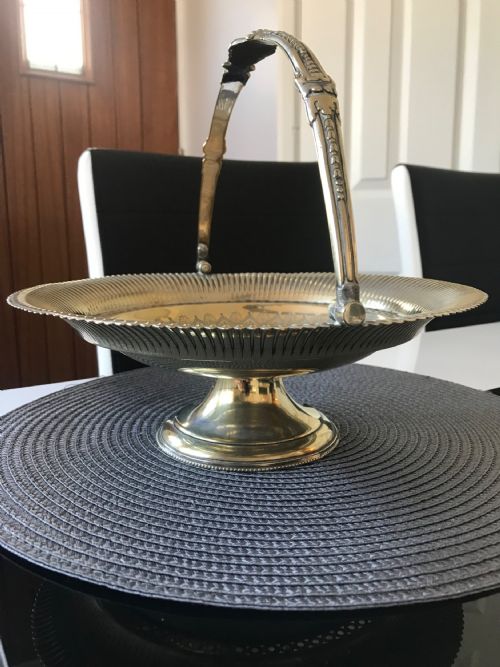
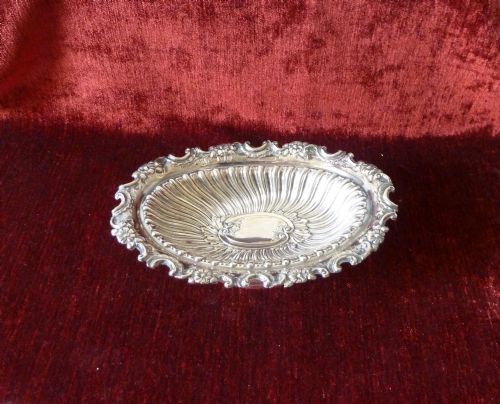
The version you are most likely to meet on this page is a nineteenth-century or turn-of-the-century creation in solid silver or silver plate, shaped with distinctive radiating channels around the rim. They serve as functional tableware and decorative items alike, carrying the marks of various English, Irish, and continental makers.
The historical styles represented across these listings include Georgian, Victorian, Neoclassical, Art Nouveau, and Art Deco. Their uses range from serving strawberries or bonbons to holding trinkets or breakfast dishes.
How they were made
The materials recorded in these pieces include sterling silver, solid silver, silver plate, Old Sheffield plate, electroplated nickel silver, and copper. Makers utilised traditional silversmithing techniques alongside nineteenth-century plating innovations such as EPNS and Old Sheffield plating methods.
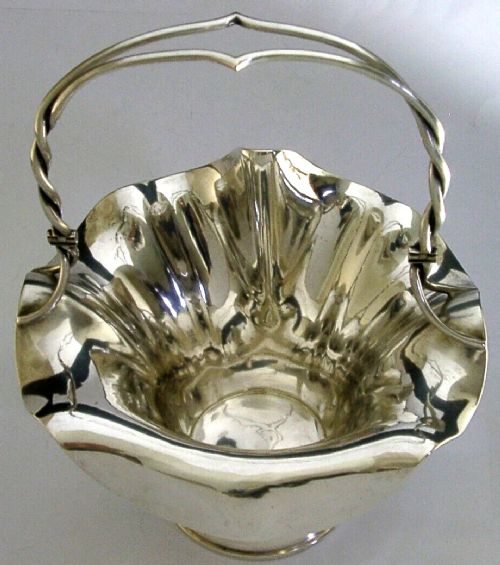
Surface treatment defines many of these items, with floral engraving appearing on serving dishes alongside the characteristic fluted shaping that gives each bowl or basket its radial lines. Handles, loop fixtures, and covers are integrated into larger serveware items like revolving breakfast dishes and fruit baskets.
The listings span multiple centuries, uniting eighteenth-century Old Sheffield plate with twentieth-century Art Deco serveware and solid silver pieces.
What varies in quality
Quality in a fluted silver dish rests on the weight of the metal and the crispness of the fluting pressed or hammered into the body. Heavier solid silver pieces demonstrate substantial metal thickness, whereas plated wares depend on the integrity of the silver layer over copper or nickel silver bases.
The distinction between standard production items and finer work shows in the depth of engraving, the balance of loop handles, and the clarity of maker marks or hallmarks stamped into the metal.
Walker and Hall·Mappin and Webb·Christofle Gallia
The Fluted Silver Dish Glossary
- Sterling silver
- An alloy containing a high proportion of pure silver combined with other metals for durability. British pieces typically carry hallmarks confirming this standard.
- Old Sheffield plate
- An early composite material made by fusing a thin sheet of silver to a thicker copper base. This technique precedes modern electroplating methods.
- EPNS
- Electroplated nickel silver, a common base metal covered with a thin coat of silver through an electrical process. It became widely used in the nineteenth century.
- Bon bon dish
- A small decorative bowl designed specifically for holding sweets or confectionary. These often feature ornate fluted edges and pedestal bases.
- Hallmark
- A series of stamped marks on precious metal objects indicating the maker, assay office, and year of testing. They provide precise historical attribution for silver pieces.
Fluted Silver Dish: Frequently Asked Questions
What is a fluted silver dish used for?
These pieces serve multiple functions depending on their scale and depth, acting as table containers for fruit, sweets, or strawberries. Smaller versions function as pin trays or trinket holders on dressing tables and sideboards.
Larger items with covers or loop handles were designed for dining service, including revolving breakfast dishes and decorative fruit baskets. Their reflective surfaces also made them purely ornamental objects in period interiors.
How do I identify the period of a silver dish?
Dating relies on a combination of hallmarks, stylistic cues, and manufacturing techniques recorded across the pieces. Eighteenth-century and early nineteenth-century items often show Old Sheffield plating methods or early Georgian forms, while later Victorian pieces introduce distinct floral engraving.
Art Nouveau and Art Deco styles appear around the turn of the twentieth century and into the 1930s, marked by characteristic organic curves or geometric symmetry. Hallmarks on solid silver items provide the most precise date through official assay office stamps.
What is the difference between solid silver and silver plate?
Solid silver, including sterling standard, consists of precious metal throughout the entire structure of the object. These pieces carry official hallmarks indicating their metallic composition and purity.
Silver plate involves a base metal, such as copper or nickel silver, coated with a layer of silver either through fusing or electroplating. Terms like EPNS and Old Sheffield plate denote these layered manufacturing methods.
How should I clean and care for silver dishes?
Maintenance requires gentle cleaning with specialised silver polish and a soft cloth to preserve the surface finish and any engraved detailing. Avoid abrasive materials that can wear down thin silver plating on older plated wares.
Regular handling and careful storage away from damp environments help maintain the metal lustre over time. For pieces with copper bases showing through worn plate, gentle treatment prevents further loss of the silver layer.