


Silver Display Dish
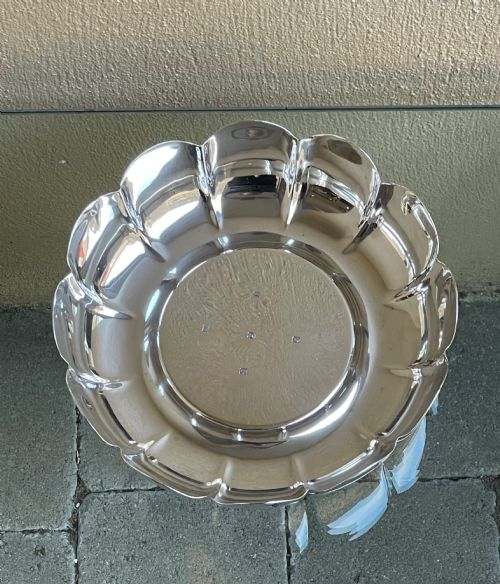
A silver display dish commands attention on a sideboard or table, offering a bold surface for decorative work and commemorative scenes.
Silver Display Dish
A silver display dish encompasses large chargers, decorative platters, and commemorative plates designed primarily for visual impact rather than dining use. When exploring a silver display dish, buyers encounter substantial pieces originating from the seventeenth century through to the twentieth century, with strong representation from the Georgian and Victorian eras.
How they were made
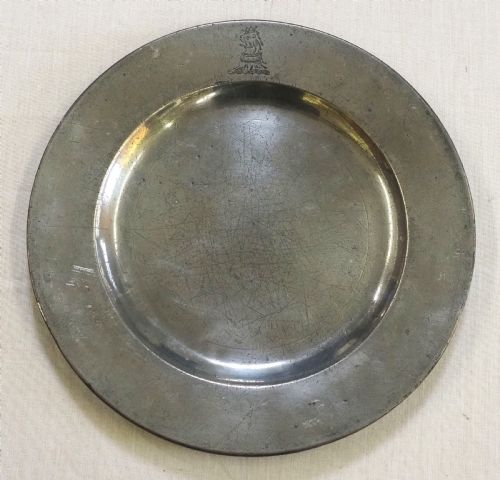
Makers utilised a variety of metals including sterling silver, silver gilt, silver plated bronze, and traditional pewter. Many of the large chargers and plates show evidence of hammering by hand, creating dense surfaces with subtle texture across the metal.
Surface decoration was achieved through casting, chasing, and engraving. Pieces like the solid silver gilt chargers often incorporate elaborate figural battle scenes or floral motifs worked deep into the material.
Several seventeenth-century pewter chargers bear the hammer marks of London tradesmen who pounded metal flat before the era of mass production.
What varies in quality
Quality rests in the crispness of the chased or engraved detail and the weight of the metal used in the dish. Heavy gauge casting provides structural integrity to large chargers and prevents warping over centuries of display.
The distinction between standard domestic wares and superior display pieces lies in the depth of artistry, particularly on figural battle scenes or heraldic crests where the maker's skill shapes the entire character of the object.
James Spackman·Thomas Templeman·Thomas Powell·S Duncomb
The Silver Display Dish Glossary
- Charger
- A large decorative plate or dish, often displayed upright on a sideboard or wall rather than used for food.
- Silver Gilt
- Silver that has been coated with a thin layer of gold on its surface, creating a rich golden sheen.
- Tazza
- A shallow ornamental cup or saucer mounted on a stem and foot, used for display.
- Pewter
- A malleable metal alloy consisting primarily of tin, used widely for chargers and plates before the prevalence of silver plate.
Silver Display Dish: Frequently Asked Questions
How were these dishes used?
These large plates and chargers served primarily as decorative showpieces on sideboards, buffets, or dining tables in grand homes. They signaled wealth and taste through intricate metalwork and commemorative imagery rather than utilitarian dining.
Over time, many of these pieces moved from practical household service to dedicated display items, hung on walls or mounted on stands to showcase their craftsmanship.
What is the difference between a charger and a plate?
Chargers are significantly larger than standard dining plates, typically measuring twenty inches or more in diameter. Their substantial size makes them suitable for prominent display on sideboards.
Plates in this category tend to be smaller, intended for cabinet display or table settings where fine rims and crests can be inspected closely.
How do I identify pewter from silver?
Pewter exhibits a duller, softer grey tone compared to the bright reflective qualities of sterling silver or silver plate. It is also a softer metal that often shows historical hammer marks and surface wear.
Silver carries distinct hallmarks on higher-end pieces, whereas pewter relies on maker touches or touchmarks stamped directly into the metal.
How should I display a heavy metal charger?
Large chargers require sturdy wall hooks or deep plate stands designed to support significant weight. Because pieces like seventeenth-century pewter chargers are heavy, secure mounting protects them from accidental falls.
Positioning them away from direct heat sources helps preserve the surface finish of both silver gilt and traditional metal alloys.