



German Silver Plate Dish
These german silver plate dish items bring distinctive Continental flair to a table, combining sculptural metalwork with functional design.
German Silver Plate Dish
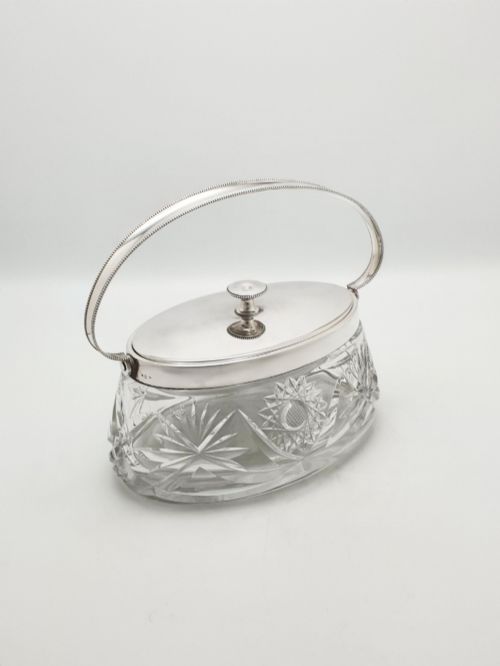
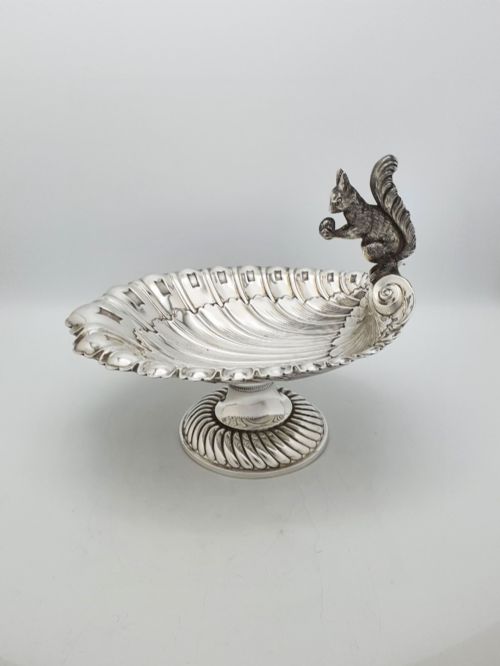
A german silver plate dish encompasses a variety of decorative and serving wares, ranging from biscuit barrels and nut dishes to elaborate centrepieces and card trays. When exploring this selection, buyers frequently encounter serving dishes, decorative baskets, and tazas produced during the late nineteenth and early twentieth centuries.
The items span several notable design movements, including Art Nouveau, Jugendstil, and Art Deco. Forms often incorporate figural elements or pierced metalwork, reflecting the aesthetic priorities of Continental makers from the 1890s through the 1920s.
What varies in quality
The sophistication of the figural modelling and the crispness of the chased or pierced ornamentation set finer examples apart from standard production. Pieces retaining original elements, such as cut glass liners or matching swing handles, represent a higher degree of completeness.
The survival of the original silver plating over the Britannia metal or pewter core influences the overall appearance. Subtleties in stylistic execution, particularly within Art Nouveau and Jugendstil designs, distinguish exceptional items.
German Silver Plate Dish Retail Price Guide 2026
Typical asking prices for german silver plate dish among the pieces listed under this phrase on Sellingantiques today, from the lower quarter to the upper quarter. They describe what is for sale here now, not the wider market.
Current listings exclusively feature works associated with WMF, spanning the 1890s to the 1920s in Art Nouveau, Jugendstil, and Art Deco styles.
WMF
The German Silver Plate Dish Glossary
- Britannia metal
- A tin-based alloy commonly used as a base metal for silver plating, known for its receptivity to intricate casting. It provided a sturdy foundation for decorative tableware.
- Jugendstil
- The German manifestation of the Art Nouveau movement, characterised by fluid organic lines and stylised natural forms. It heavily influenced Continental metalwork around the turn of the twentieth century.
- Taza
- An ornamental pedestal bowl or shallow cup used for serving fruit or sweets. These elevated vessels often feature detailed handles or pierced rims.
- Swing handle
- A movable arched handle attached to baskets or biscuit barrels by pivots. This feature allows easier access to the contents while maintaining a balanced silhouette.
German Silver Plate Dish: Frequently Asked Questions
What is a german silver plate dish?
These items are Continental tableware and decorative objects, typically comprising silver-plated metal frames combined with glass or cast in forms like tazas, trays, and baskets.
They reflect prominent European design movements from the late nineteenth and early twentieth centuries, functioning as both decorative ornaments and serving vessels.
How do I identify Art Nouveau examples?
Art Nouveau pieces feature organic motifs such as whiplash lines, stylised floral patterns, and figural elements like maidens or animals. The metalwork often flows continuously around glass inserts or forms handles.
Craftsmen utilised the plasticity of pewter and Britannia metal to achieve these fluid, asymmetrical silhouettes during the decades surrounding nineteen hundred.
Were these dishes meant for food use?
Many items were designed specifically for dining, including biscuit barrels, hors d'oeuvres dishes with glass liners, nut dishes, and fruit tazas. The integration of removable glass sections allowed for safe contact with foodstuffs.
Other variants, such as card trays and wall plaques, served purely decorative or domestic organisational purposes within the home.
What metals lie beneath the plating?
Manufacturers frequently employed Britannia metal and pewter as the core material for silver plating. These alloys allowed for detailed casting of complex figural and floral designs before the application of a silver surface.
The weight and rigidity of these base metals provided durability for everyday serving pieces.