
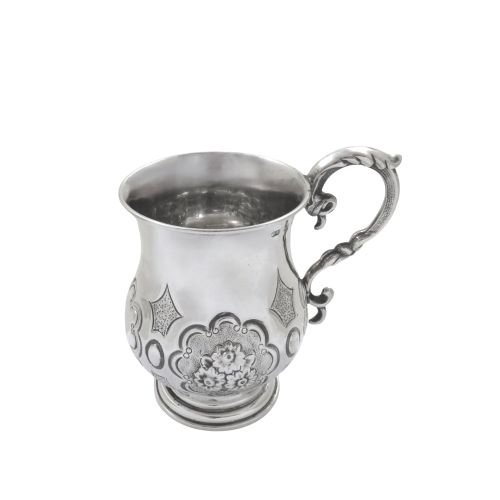
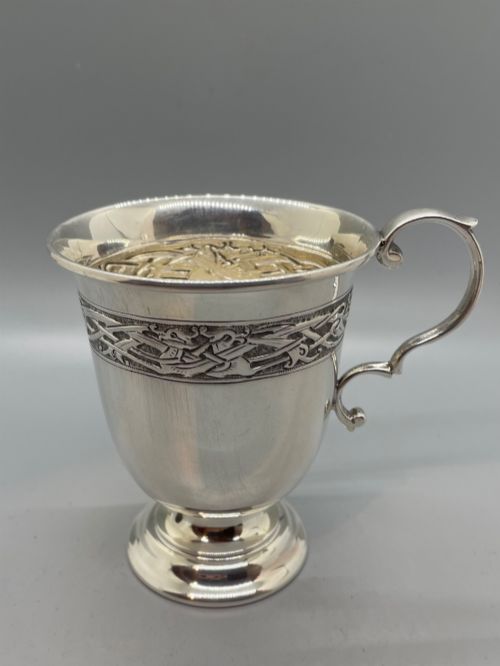
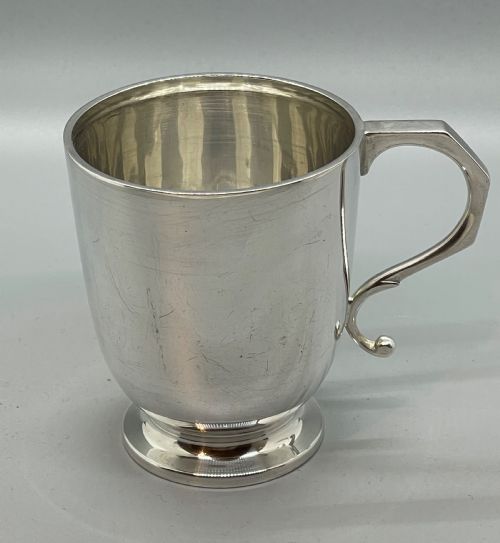
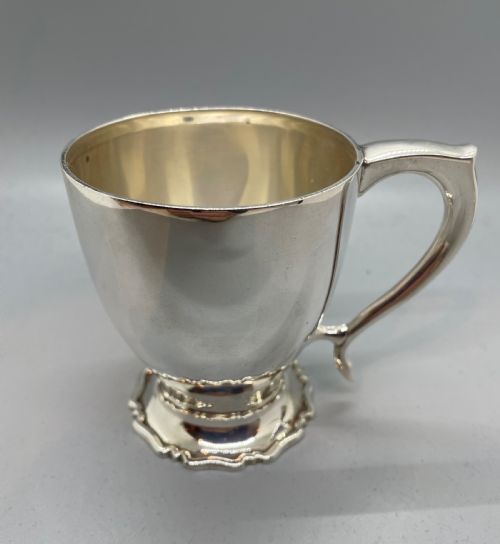
Silver Beaker Cup
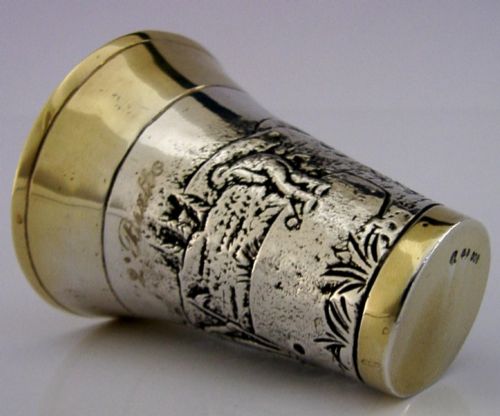
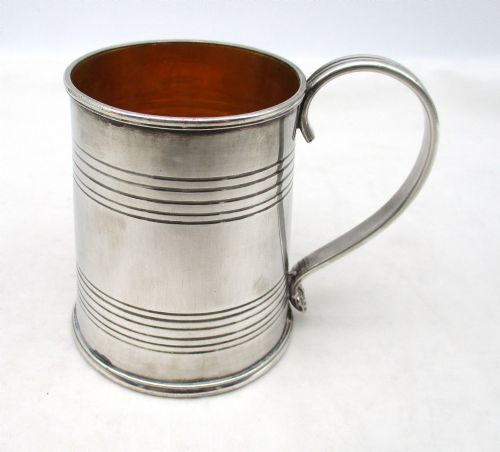
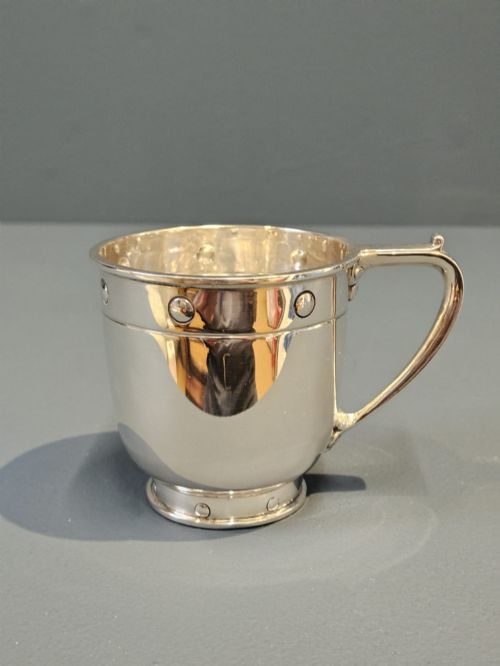
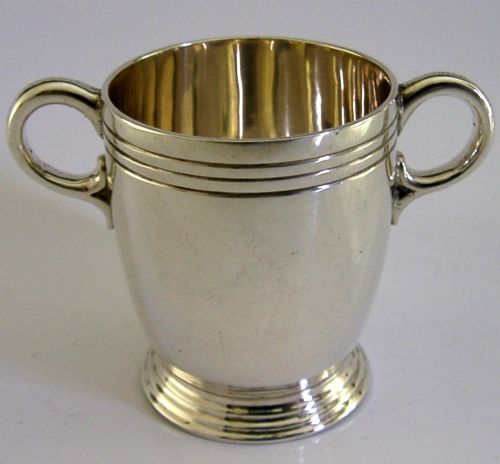
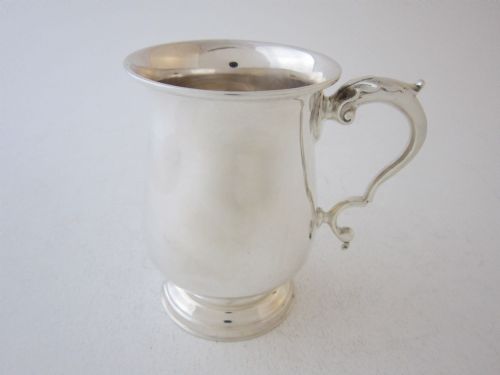
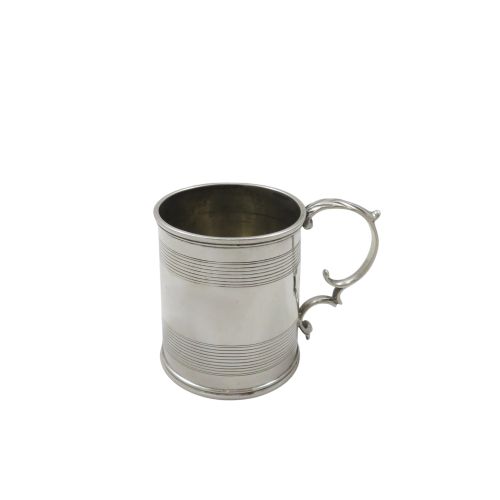
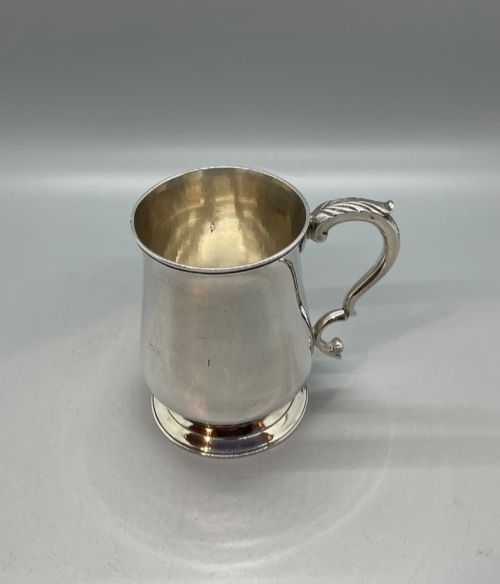
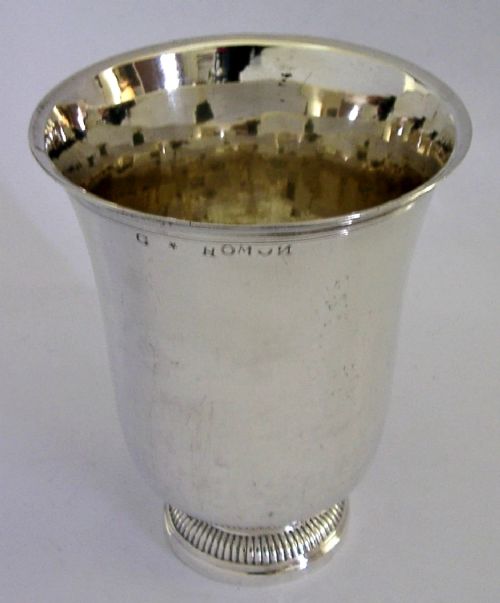
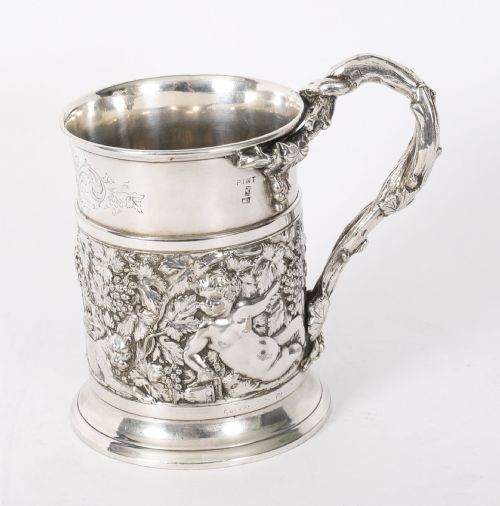
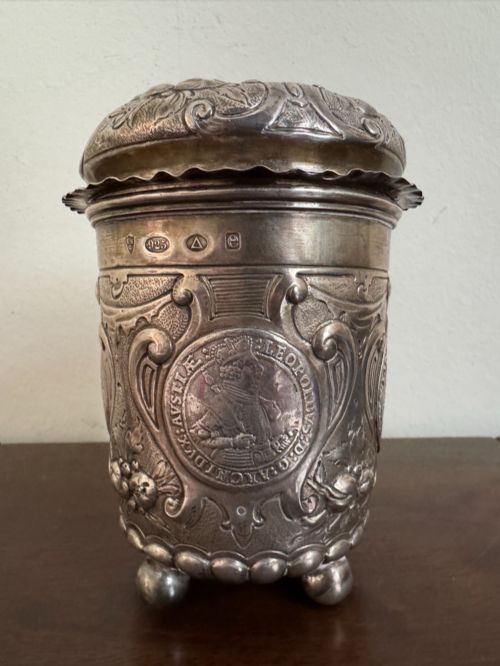
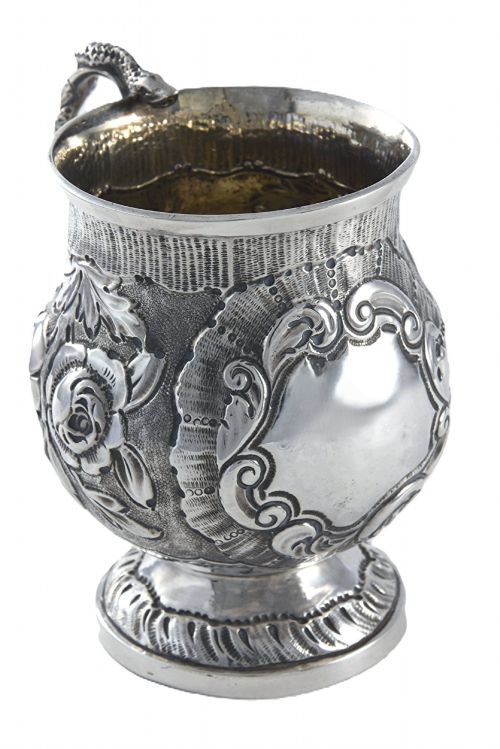
Silver beaker cup designs span Georgian christening tankards, Victorian engraved vessels and heavy twentieth-century barware.
Silver Beaker Cup
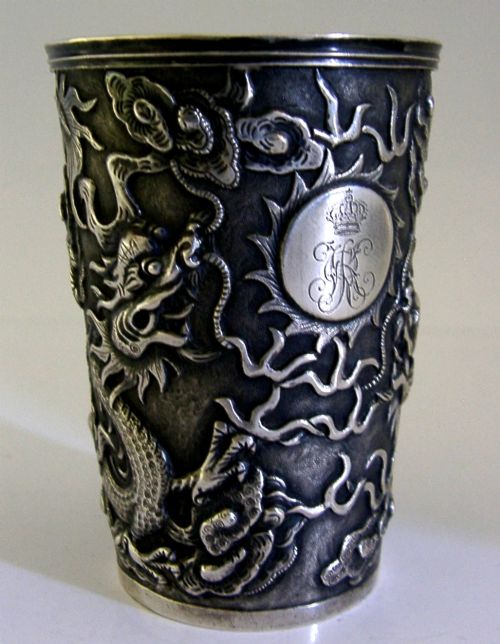
A silver beaker cup serves various drinking and commemorative functions across domestic settings, ranging from christening mugs to barware tankards. These items appear in forms spanning eighteenth-century Georgian vessels, Victorian engraved pieces, and later twentieth-century modernist designs.
Makers produced these drinking vessels internationally, incorporating English provincial and London hallmarked silver alongside continental European pieces, Chinese export items, and Anglo-Indian workshop creations. Christening mugs with scroll handles and plain or embossed cylindrical beakers represent the most frequent discoveries in this category.
Materials and construction methods
Silversmiths constructed these drinking vessels primarily from sterling silver, silver plate, and Old Sheffield plate, occasionally utilising copper, pewter, horn, and leather mounts. Many examples incorporate interior parcel gilding or gold gilt finishes, while specific continental and colonial pieces utilise coin silver and specialised regional alloys.
Manufacturing techniques combine traditional hammer-raising and casting with detailed hand engraving, floral chasing, engine turning, and embossing. Silversmiths applied applied scroll handles, silver rims, and mounted collars to organic materials like horn and stoneware bodies.
Silver Beaker Cup Retail Price Guide 2026
Typical asking prices for silver beaker cup among the pieces listed under this phrase on Sellingantiques today, from the lower quarter to the upper quarter. They describe what is for sale here now, not the wider market.
Listings feature silver beaker cups spanning the Georgian, Victorian, and Edwardian eras, alongside twentieth-century modernist barware.
Factors determining quality
Quality separates through the weight and thickness of the metal used in the body, which dictates the structural rigidity of the vessel. Heavier gauge silver and substantial proportions distinguish superior items from lighter tourist or export pieces.
The precision and depth of surface decoration define workmanship, where crisp hand engraving, chased naturalistic motifs, and clear hallmarks indicate skilled execution. Maker attribution to notable workshops also elevates the standing of an individual vessel within the historical range.
Barker Bros·R E Stone·G R Collis·Tiffany and Co·William Bateman·Barnard·John Robins·William Comyns
The Silver Beaker Cup Glossary
- Sterling silver
- A standard alloy consisting of 925 parts silver per thousand, widely used in British and international silver manufacturing. Hallmarks stamped into the metal verify this official composition.
- Parcel gilt
- A silver object featuring selective application of gold plating, usually confined to the interior of a cup or beaker. This treatment protected the metal from acidic liquids and added decorative contrast.
- Old Sheffield plate
- A fused composite material made by sandwiching a layer of copper between two layers of sterling silver. This technique preceded modern electroplating and appears on eighteenth and nineteenth-century items.
- Chasing
- A metalworking technique where the silversmith pushes the metal from the front using punches and hammers to create raised surface designs. This method differs from engraving by displacing metal rather than cutting it away.
- Tumbler cup
- A small drinking vessel with a rounded or weighted flat bottom designed to right itself if tipped over. These heavy-based items serve whiskey and spirits in barware contexts.
Silver Beaker Cup: Frequently Asked Questions
What distinguishes a christening mug from a standard silver beaker?
Christening mugs typically feature applied handles, dedicated presentation inscriptions, and smaller proportions suited for a child. Beakers remain strictly handleless cylindrical vessels designed for general drinking or spirits.
Historical examples of both types share similar construction periods and hallmarking standards, but their intended domestic functions dictated their distinct profiles.
How do I identify the age of a silver beaker cup?
Official hallmarks stamped into the metal provide the most reliable dating evidence, including town marks, date letters, and maker stamps. British pieces feature standardised assay office symbols that correspond directly to specific years of manufacture.
Stylistic indicators such as Victorian hand engraving, Georgian forms, or Art Deco geometric lines also help assign an approximate period when hallmarks are rubbed or absent.
Were horn and silver beakers used for drinking?
Natural horn mounted with sterling silver rims and shields functioned as popular drinking vessels throughout the eighteenth and nineteenth centuries. The durable organic material provided a lightweight container for everyday beverage consumption.
Silversmiths reinforced the rims and bases with metal collars to protect the horn from splitting while adding decorative contrast to the natural grain.