

Silver Animal Figurine
A silver animal figurine brings domestic or desk display to life through detailed metalwork.
Identifying a silver animal figurine
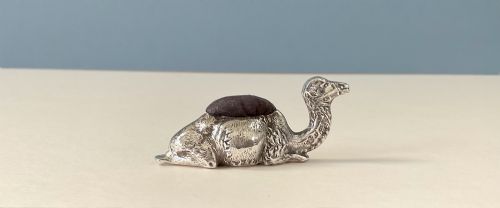
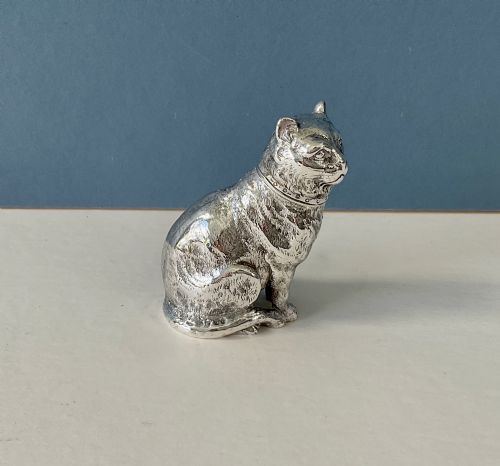
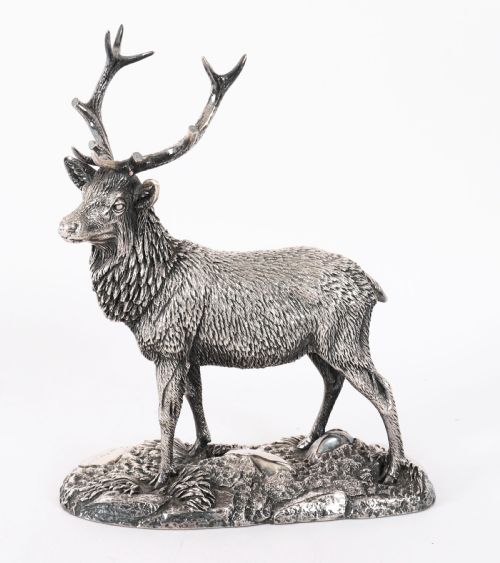
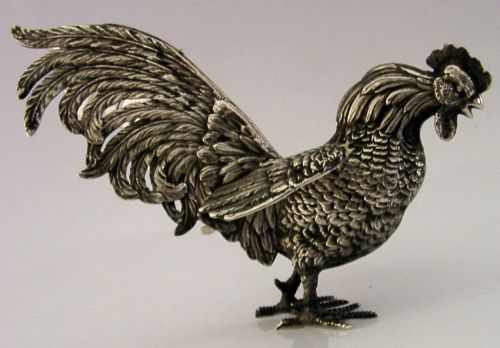
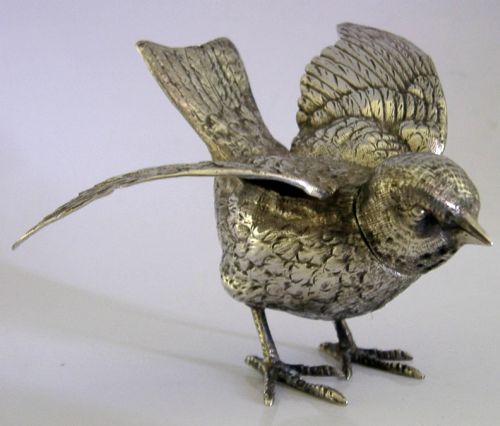
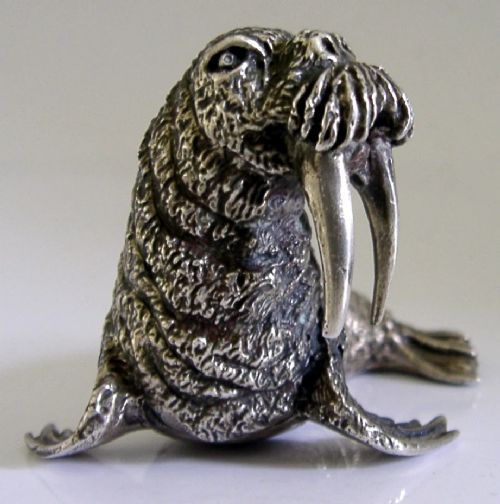
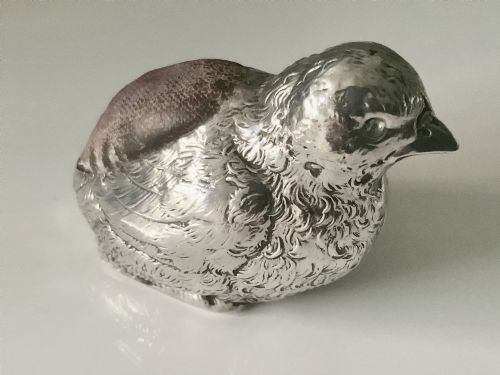
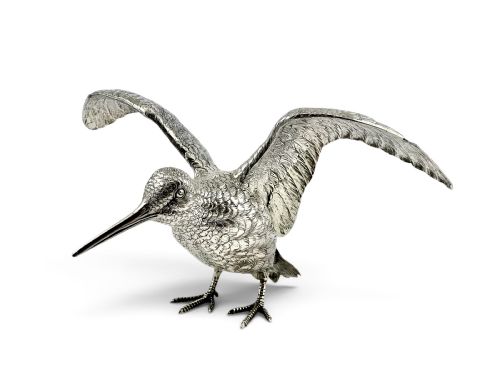
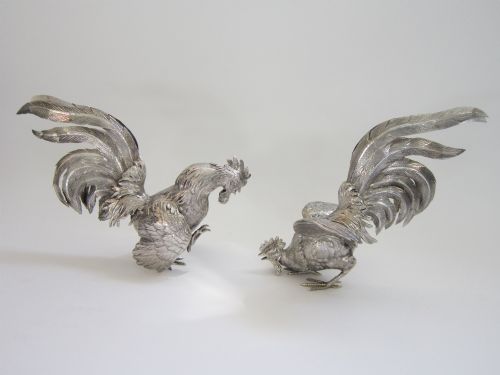
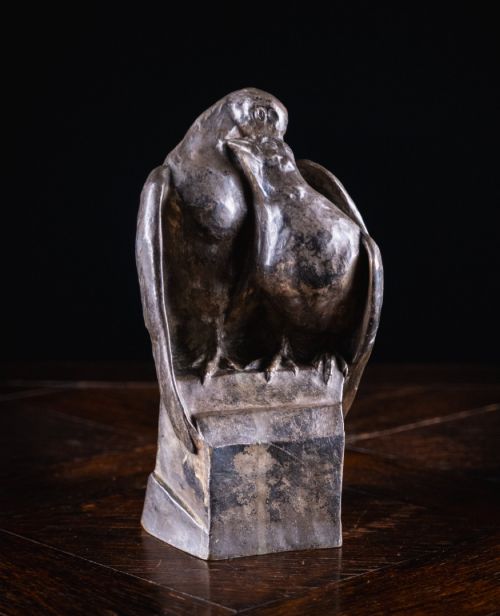
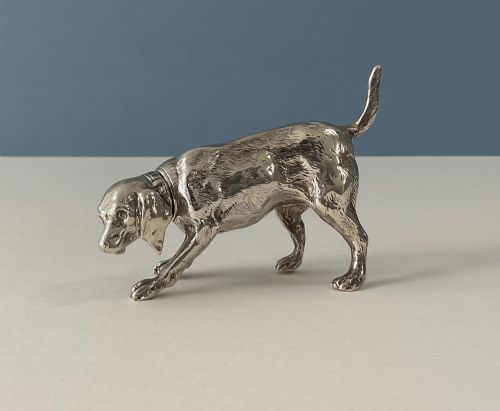
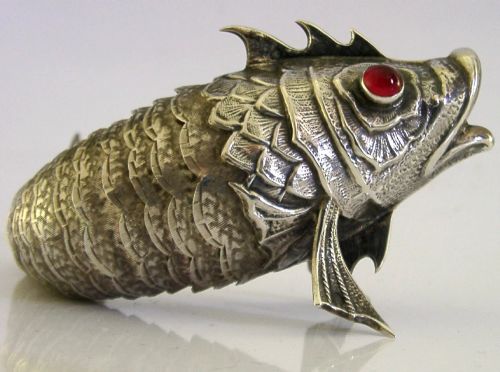
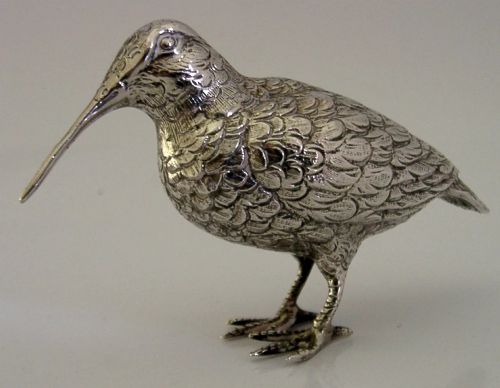
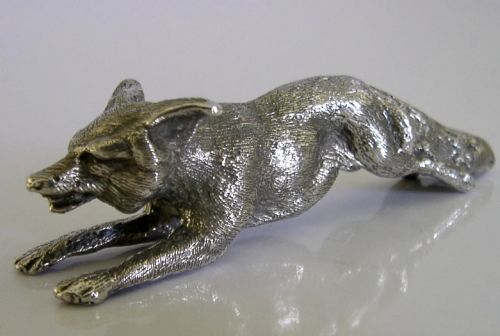
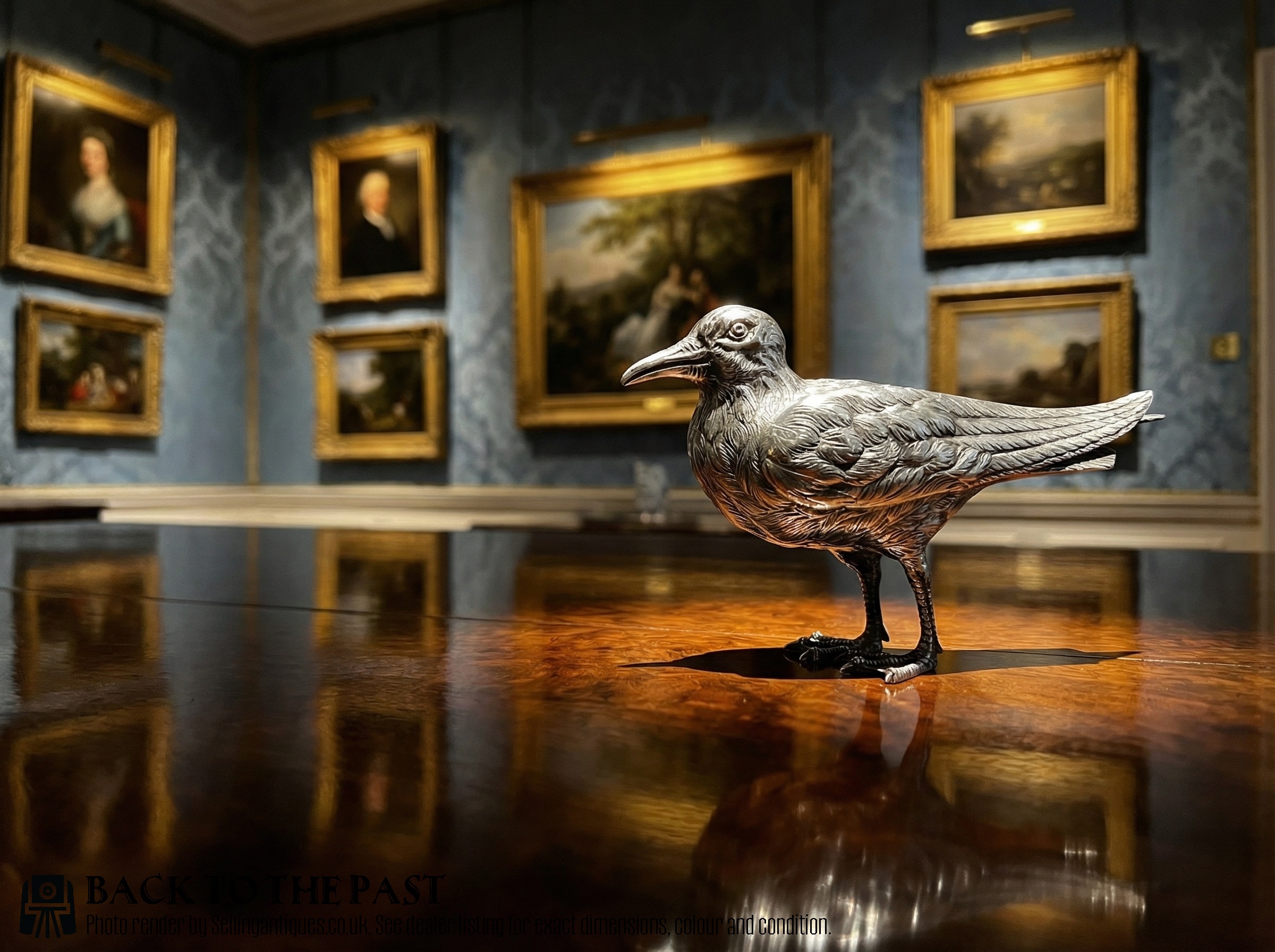
A silver animal figurine captures creatures from birds to foxes in solid metal form, often mounted on plinths or fashioned as free-standing decorative objects. Buyers seeking a silver animal figurine encounter various forms including desk accessories, presentation trophies, and decorative sculptures.
The selection includes pieces representing the Edwardian era alongside items dated to 1910, 1930, and 1940. Stylistic influences span English Country House taste, Anglo-Indian Colonial work, and continental European production.
Materials and construction
These items utilise silver and sterling silver, frequently cast into detailed animal shapes by skilled artisans. Certain sculptures incorporate additional materials such as ebonised wood and ebony wood for plinths and bases.
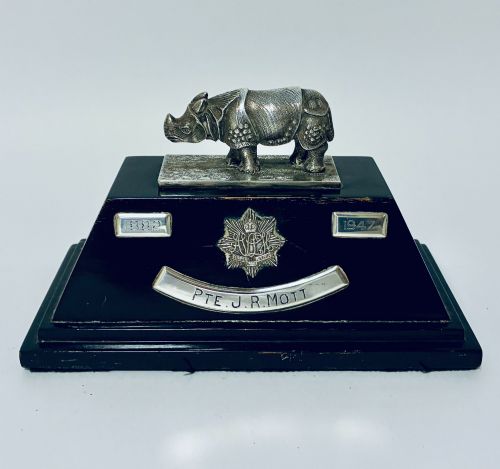
Techniques range from casting bird models to mounting silver figures upon contrasting dark wood stands. Presentation pieces often feature engraved or applied detailing specific to their original military or civic context.
Retail Price Guide 2026
Typical UK retail prices for silver animal figurine, calculated from the Sellingantiques database of over a million retail prices indexed since 2003. This retail price guide relies exclusively on Sellingantiques data; no external sources or auction records are used, so the figures do not describe the wider market.
Judging quality in these sculptures
Quality rests upon the naturalism of the casting and the crispness of surface detail achieved by the maker. Finer examples display sensitive rendering of plumage or musculature, whereas simpler pieces rely on standard commercial casting methods.
The integration of secondary materials dictates overall refinement, particularly where silver figures meet bespoke wooden plinths or bases. Maker attribution, such as documented sterling silver production, further separates standard decorative items from distinguished collector pieces.
Berthold Muller
The Silver Animal Figurine Glossary
- Sterling silver
- A silver alloy containing 92.5 percent pure silver by mass, standard for quality British and international metalwork. This standard ensures both durability and a bright reflective finish.
- Ebonised wood
- Timber treated to resemble ebony, providing a dark, polished contrast for mounted metal sculptures. It is commonly utilised for bases and plinths.
- Presentation trophy
- An inscribed or commissioned piece given as an award, often recording specific military or organisational history. These items combine sculptural animal forms with commemorative function.
- Edwardian
- The period spanning the reign of King Edward VII, noted for elegance and refinement in decorative arts. Pieces from this era often exhibit lighter forms than their Victorian predecessors.
Frequently Asked Questions
What is a silver animal figurine?
A silver animal figurine is a sculptural representation of a creature fashioned from silver or sterling silver. These objects serve as decorative items, desk accessories, or presentation pieces.
They appear in various styles including Edwardian and Anglo-Indian Colonial, reflecting the aesthetic preferences of their period of origin.
How were these figures displayed?
These pieces function primarily as decorative objects and desk accessories within domestic or office settings. Some examples are mounted directly onto contrasting black ebony wood plinths.
Others were created as presentation trophies or standalone sculptures intended for prominent placement on furniture.
What materials are used?
The primary material across these objects is silver, frequently specified as sterling silver. Selected sculptures incorporate ebonised wood or ebony wood for supportive bases.
Combinations of cast metal and dark wood enhance the visual impact of the mounted animal figures.
How do I identify the period?
Dating relies on stylistic markers associated with specific eras such as the Edwardian period or through specific dates recorded in the evidence like 1910, 1930, and 1940. Manufacturing techniques and stylistic traits like Anglo-Indian Colonial design also help indicate origin.
Examination of maker marks or stamps assists in confirming the timeline of creation.