
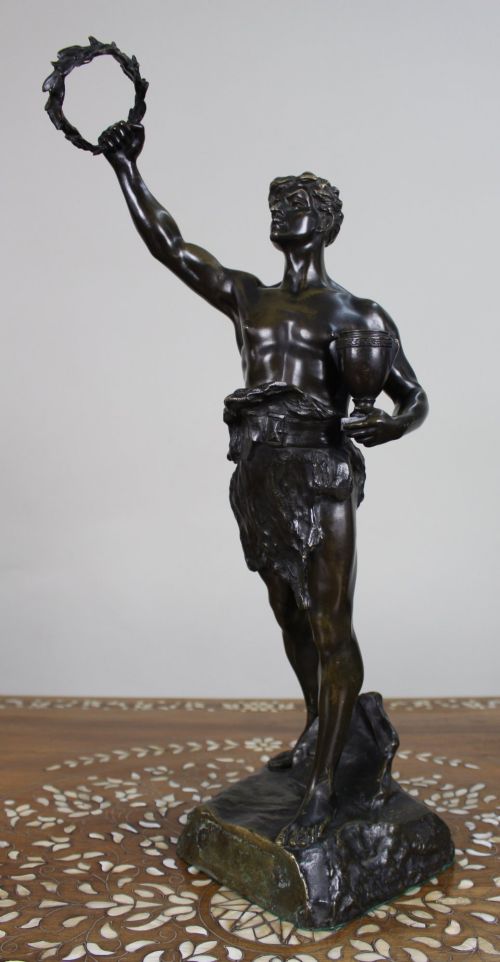
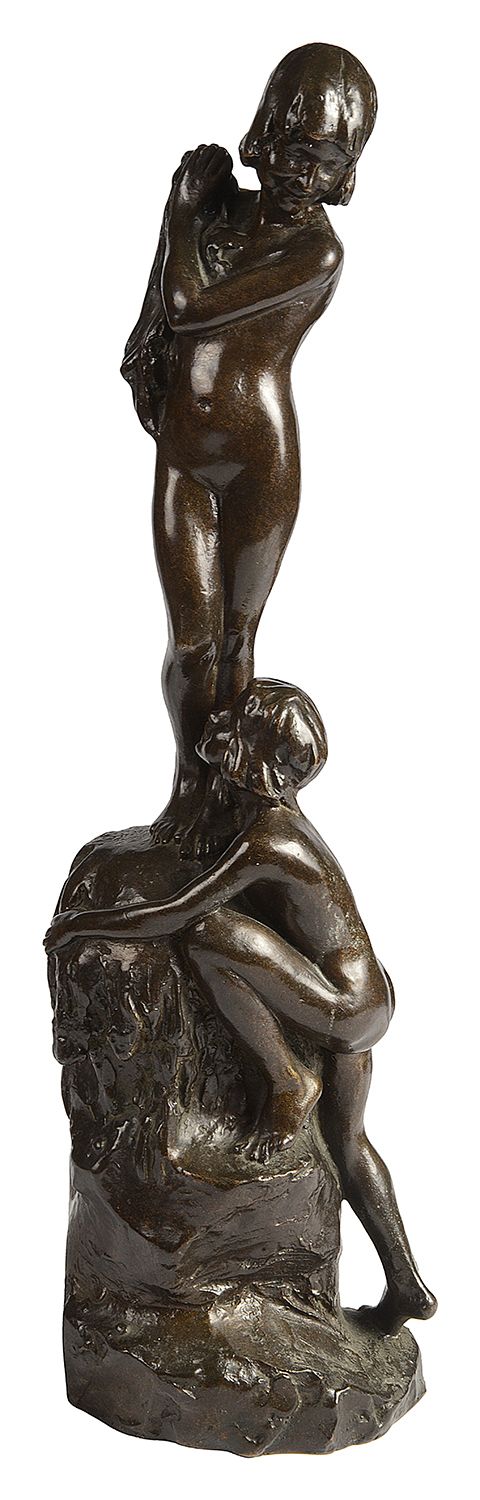
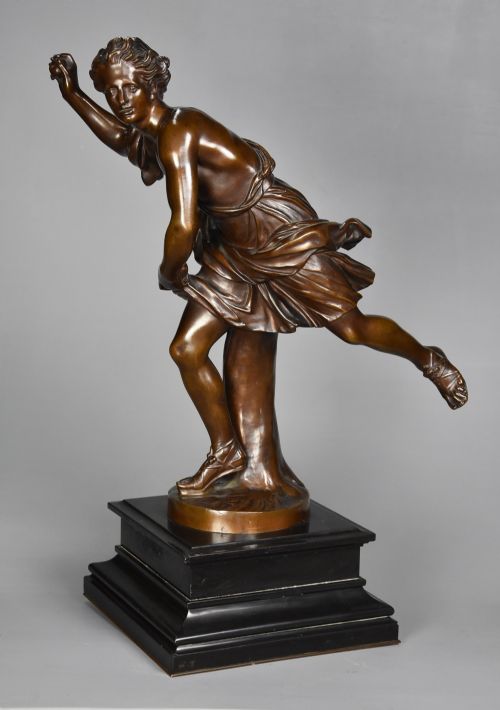
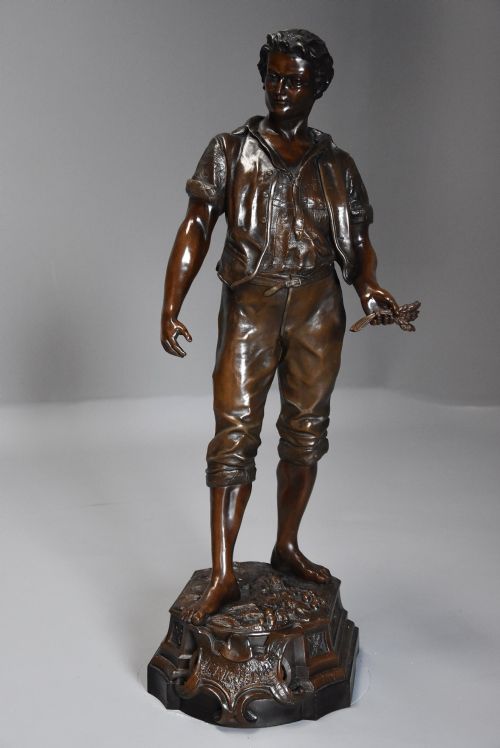


Signed Bronze Sculpture
Signed bronze sculpture brings together foundry work and artist signatures from the nineteenth and early twentieth centuries, offering lasting character for any room.
Signed Bronze Sculpture
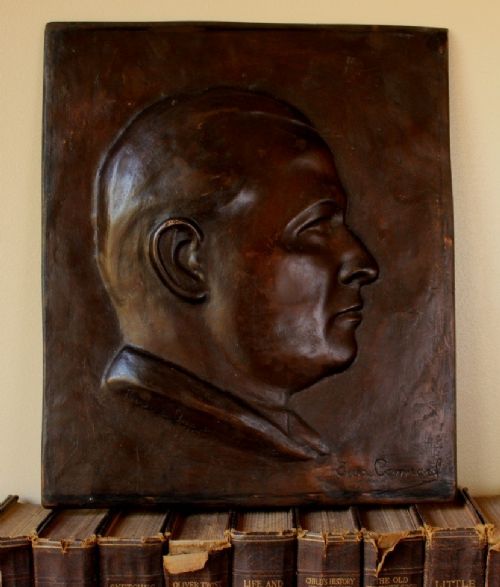
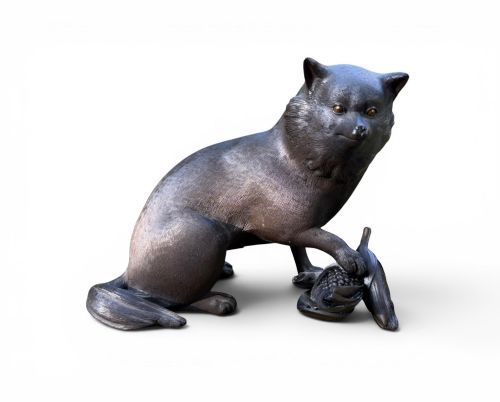
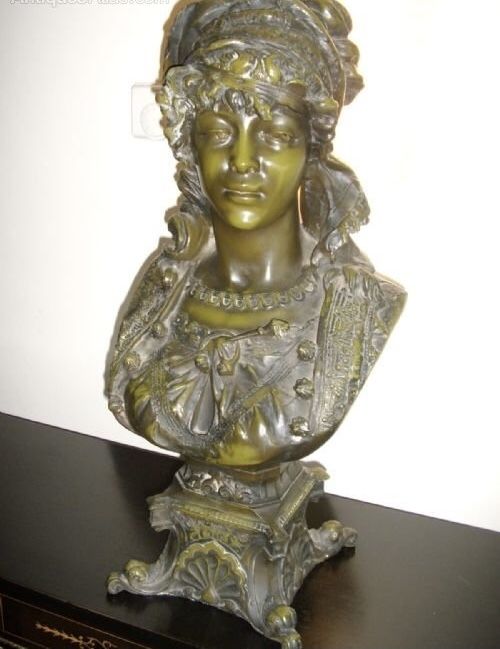
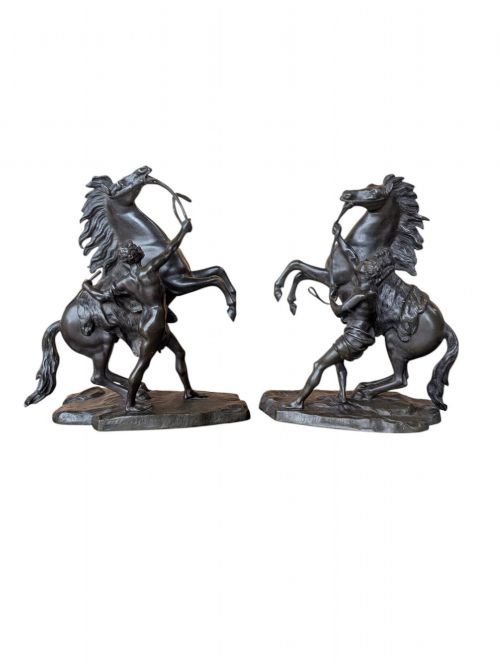
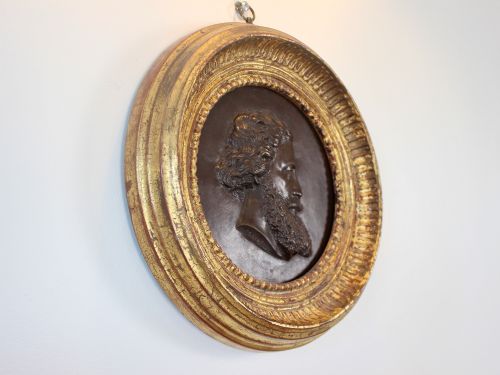
A signed bronze sculpture represents cast metal artwork carrying the mark of its maker, modeller or foundry, spanning the nineteenth century through the Art Deco period. Buyers encounter figural groups, animal studies, portrait busts and decorative plaques rooted in French, Italian, Austrian and Japanese traditions.
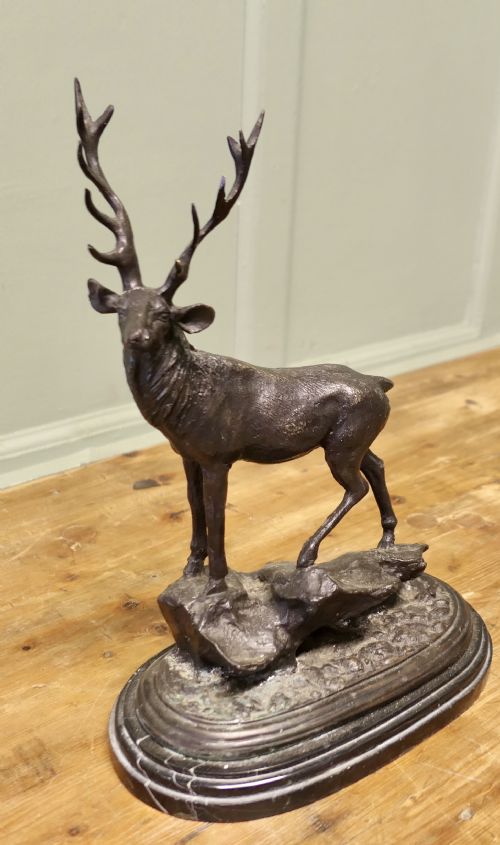
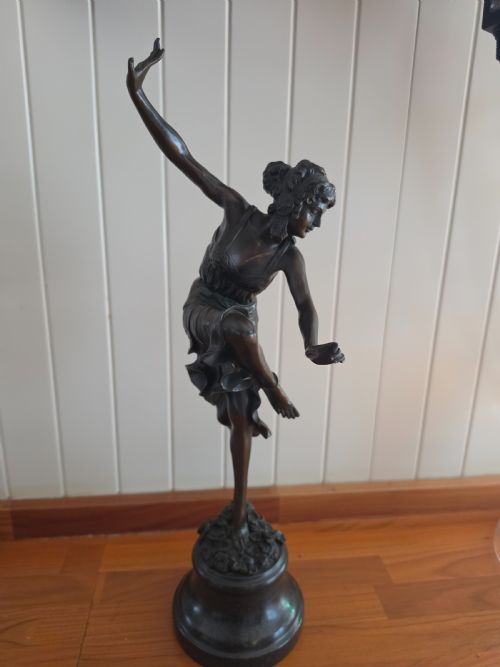
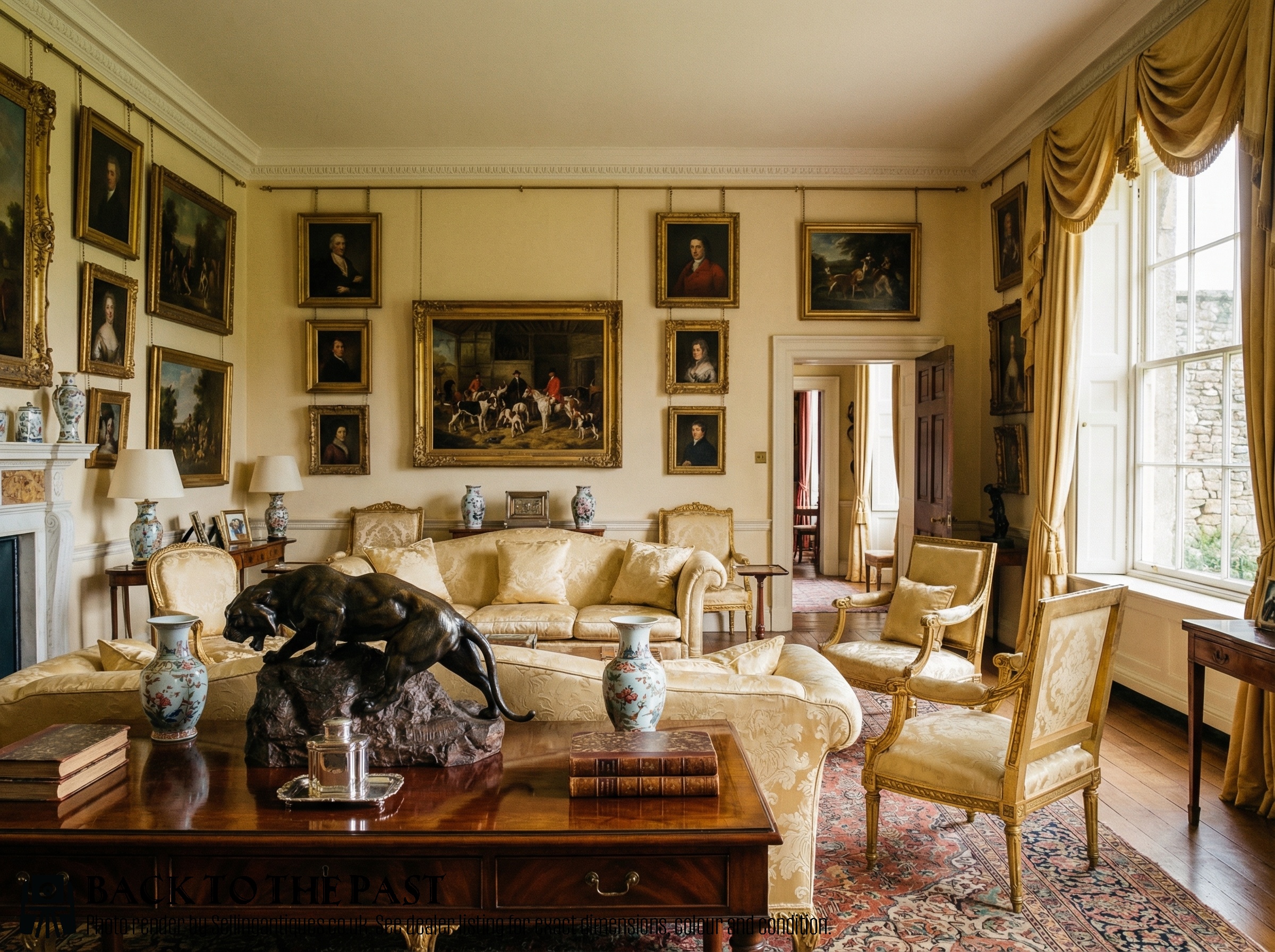
The selection ranges from grand nineteenth-century animalier studies of stags and big cats to slender Art Deco dancers and cold-painted Vienna birds. Many examples pair cast metal with marble plinths, granite bases or ebonised wood mounts.
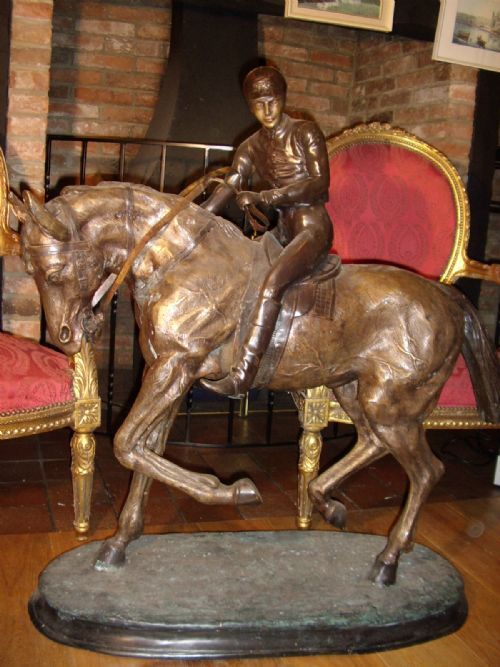
Makers often cast human figures from classical mythology, historical scenes or everyday genre moments alongside naturalistic depictions of wildlife. These works reflect the technical ambitions of European foundries and Eastern craftsmanship alike during the Meiji and subsequent periods.
How they were made
Foundries primarily utilised the lost-wax method or sand casting to transform carved models into solid or hollow metal forms. Craftsmen then applied patination through chemical treatments or hand-painted cold-paint layers directly onto the metal surface.
Many sculptures incorporate mixed media elements, joining cast metal with carved marble plinths, alabaster panels, granite bases, ivory details or ebonised wooden supports. After casting, chisels and files refined surface textures before signatures or foundry stamps were applied.
Signed Bronze Sculpture Retail Price Guide 2026
Typical asking prices for signed bronze sculpture among the pieces listed under this phrase on Sellingantiques today, from the lower quarter to the upper quarter. They describe what is for sale here now, not the wider market.
Bronze stags, begging dogs and crouching lions keep watch over quiet libraries, seemingly waiting for someone to drop a biscuit.
What varies in quality
Quality depends upon the crispness of the chase work, where skilled hands sharpened details in the metal after casting rather than leaving surfaces soft. The depth and subtlety of the original patina also distinguish superior studio work from simpler commercial editions.
The weight, stability and quality of the mounting base, whether solid marble, granite or polished slate, indicate the original tier of production. Stronger pieces show anatomical precision in figures and animals, with clear, legible signatures integrated naturally into the composition.
Franz Bergman·C J R Colinet·D H Chiparus·Auguste Moreau·Barbedienne
The Signed Bronze Sculpture Glossary
- Animalier
- A term for nineteenth-century sculpture focused on the realistic portrayal of animals, particularly lions, stags, dogs and panthers. Artists in this tradition studied anatomy closely.
- Patination
- The surface coloration applied to metal through chemical processes or heat, ranging from deep brown and green tones to polished golden finishes.
- Cold-painted
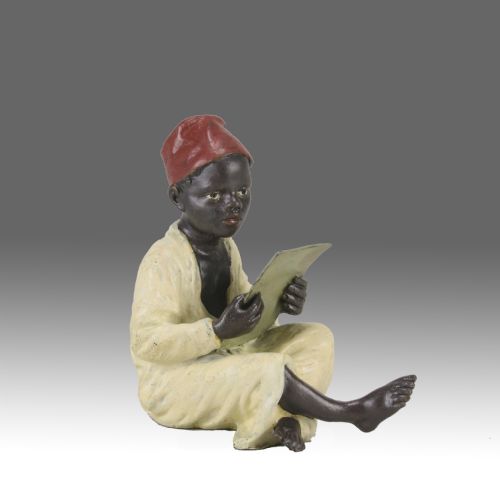
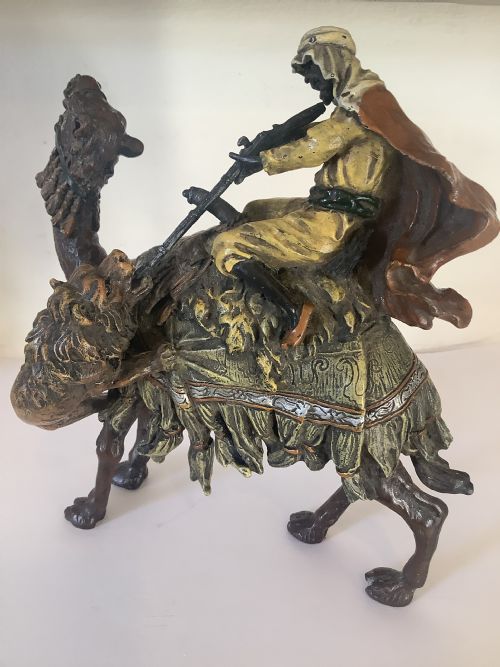
- A technique where paint is applied to cold bronze without subsequent firing, notably utilised by Austrian workshops for vibrant bird and human figures.
- Okimono
- A Japanese decorative carving or casting intended for display on a shelf or tokonoma, frequently executed in bronze during the Meiji period.
- Spelter
- An alloy of zinc and other metals often used as a substitute for bronze, frequently given a bronzed finish to simulate heavier metalwork.
Signed Bronze Sculpture: Frequently Asked Questions
How do I identify a signature?
Signatures are typically cast directly into the bronze base or engraved by hand into the metal surface near the foot of the figure. They often match known sculptors or foundry marks from the nineteenth and early twentieth centuries.
Examining the lettering under magnification helps distinguish original signatures from later additions or machine pantograph copies found on reproduction castings.
What is cold-painted bronze?
Cold-painted bronze refers to pieces decorated with oil or enamel paints applied directly onto the metal surface without high-temperature firing. This technique allowed workshops to achieve high levels of polychrome detail.
Because the paint sits on the metal rather than fusing with it, careful handling is required to prevent flaking or loss over time.
How should I clean a bronze sculpture?
Cleaning generally requires nothing more than gentle dusting with a soft, dry brush to remove particles from crevices and textured surfaces. Avoid commercial metal polishes, which can strip away historic patination.
Applying a very light coat of microcrystalline wax occasionally helps protect the metal surface from atmospheric moisture and handling oils.
Why are some mounted on marble?
Marble, granite and slate bases provided structural stability for heavy metal figures while adding a distinct decorative border to the composition. Art Deco sculptors in particular utilised contrasting coloured marbles to complement the patination of the metal.
These plinths also served to elevate the artwork and protect the underside where casting bolts or threaded rods secured the figure.