




Sheraton Work Table
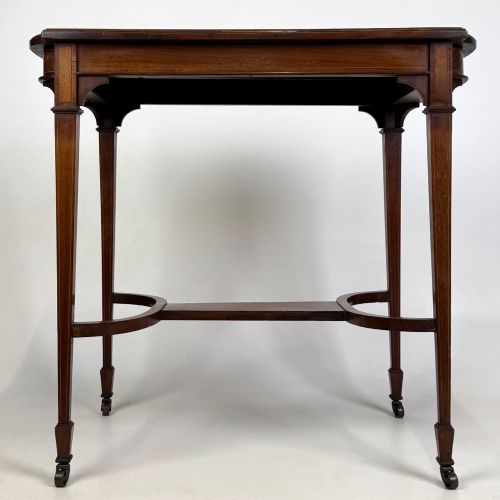
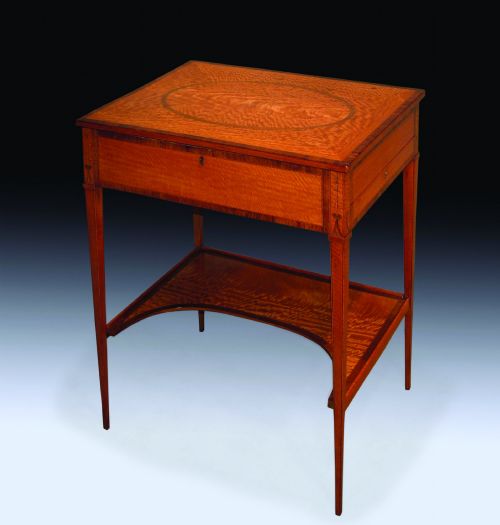
A sheraton work table combines delicate neoclassical proportions with practical compartments designed for sewing, writing and domestic needlework.
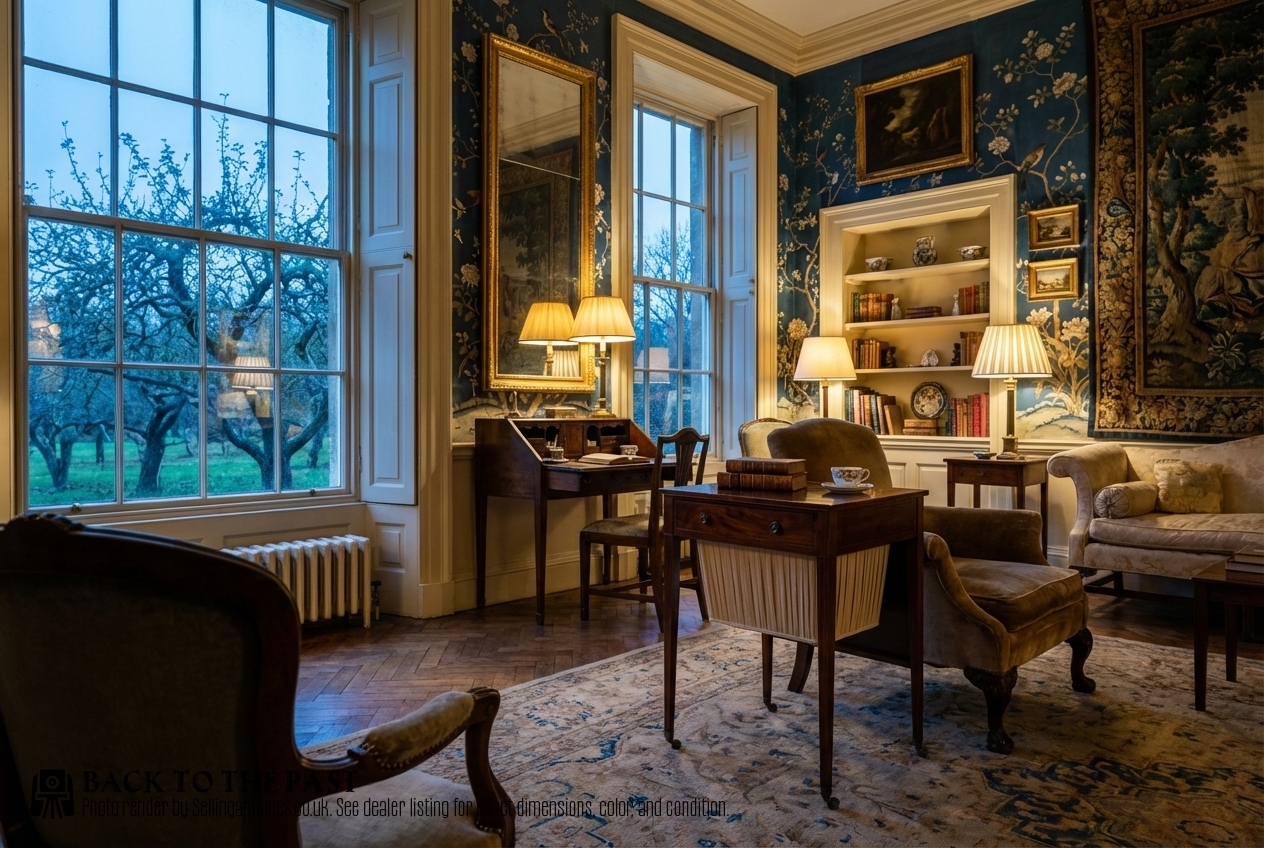
Sheraton Work Table
When you search for a sheraton work table, you encounter compact, elegant items designed primarily for sewing, writing and light domestic tasks. The surviving examples span the late eighteenth century through the Edwardian and Victorian eras into the early twentieth century.
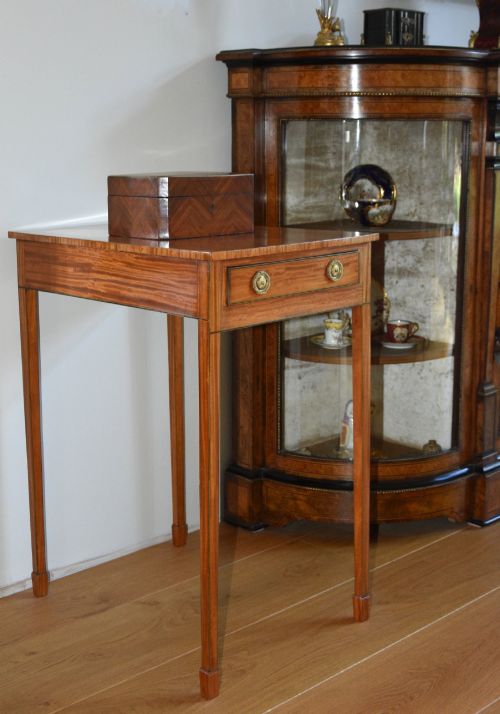
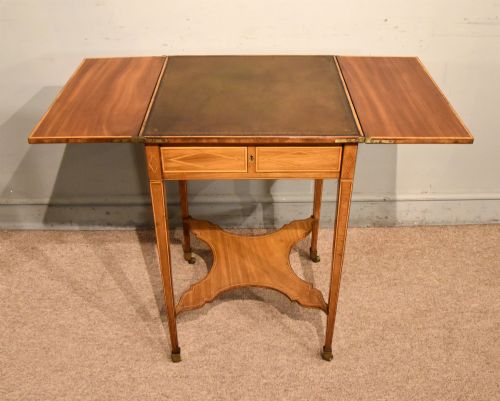
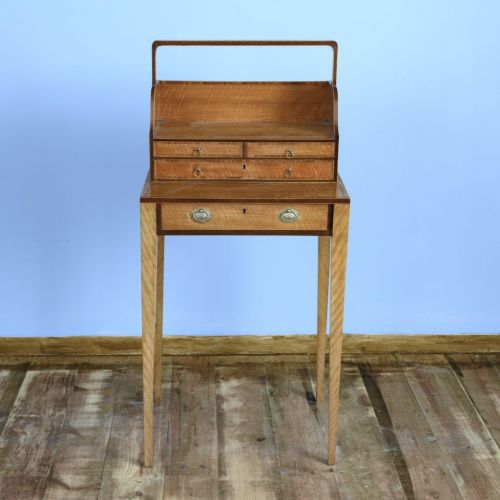
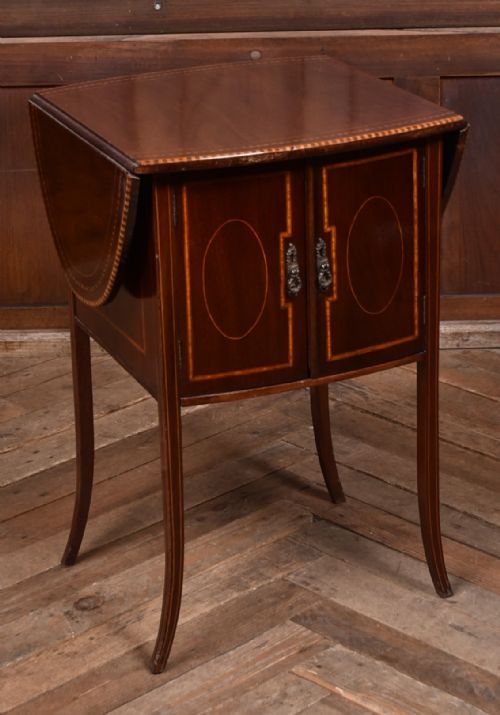
The form frequently appears as a side table, occasional table or specialised sewing table featuring drop leaves, lift-up lids or multiple drawers. These pieces served ladies in drawing rooms and boudoirs for holding threads, needles and correspondence.
The most prevalent versions on this page combine mahogany or satinwood with refined leg structures and inlaid surfaces. They reflect both the original eighteenth-century aesthetic and the later Sheraton Revival movement of the nineteenth and twentieth centuries.
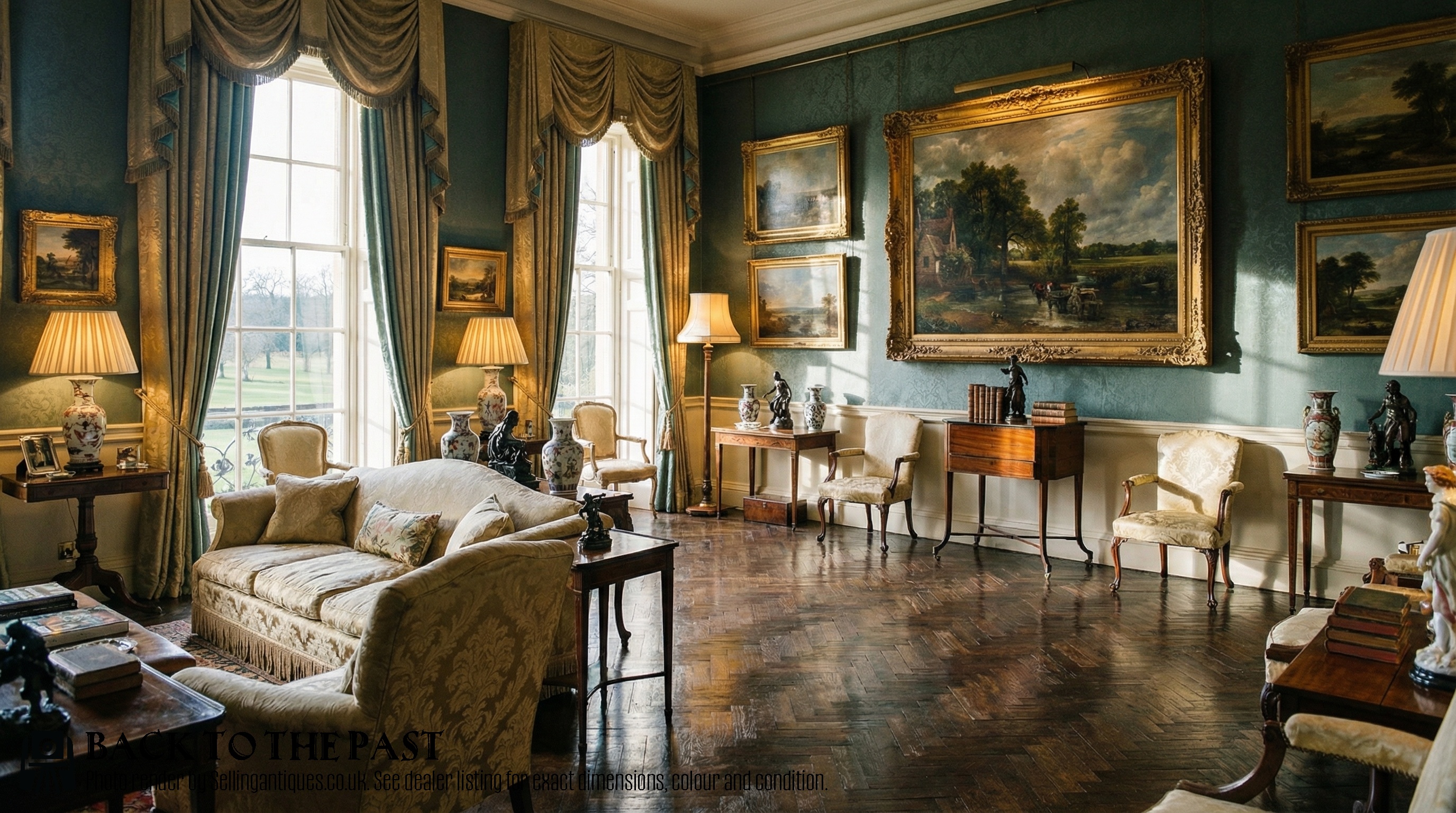
How they were made
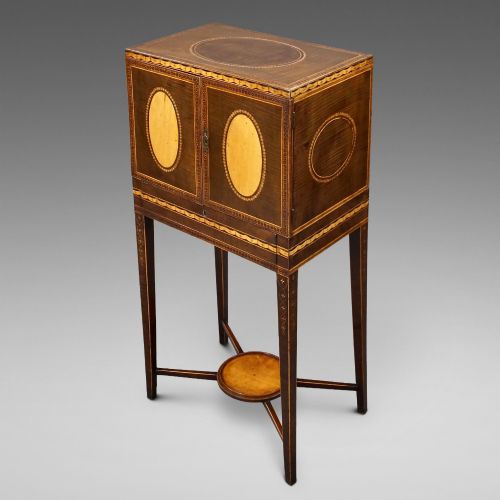
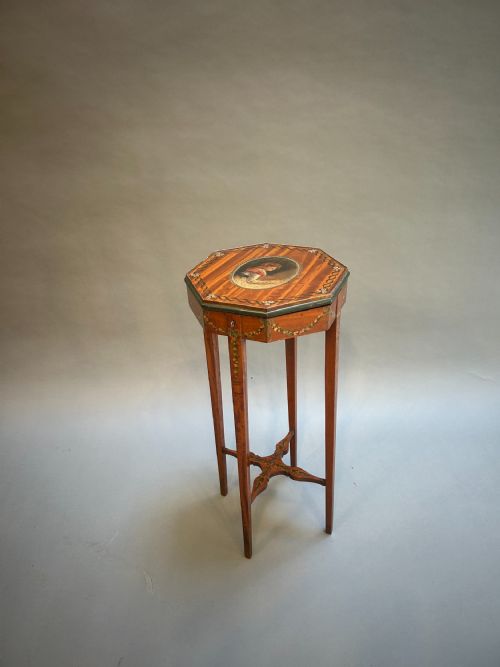
Cabinet makers utilised choice timbers such as mahogany, satinwood, rosewood, harewood and yew wood, often enhanced by contrasting boxwood stringing and elaborate wood inlay. Surfaces frequently display marquetry, parquetry or hand-painted neoclassical motifs.
Construction techniques involve delicate framing, drop leaves supported by swing brackets, and fitted interiors with secret rising compartments or small storage wells. Brass fittings and handles punctuate the timber surfaces while maintaining the slender geometric silhouette.
Sheraton Work Table Retail Price Guide 2026
Typical asking prices for sheraton work table among the pieces listed under this phrase on Sellingantiques today, from the lower quarter to the upper quarter. They describe what is for sale here now, not the wider market.
Listings feature pieces spanning the 18th century, Georgian, Victorian, Edwardian, and 1900 periods, utilising satinwood, mahogany, and rosewood.
What varies in quality
The distinction between tiers rests upon the choice of timber veneer, the crispness of the inlay work, and the delicacy of the leg turning or tapering. Superior pieces exhibit precise botanical or geometric marquetry and tightly figured satinwood or mahogany grains.
Interior complexity further separates standard examples from exceptional ones. Tables featuring original fitted compartments, secret rising mechanisms, and intact hand-painted portrait decoration or Chinoiserie panels demonstrate superior craftsmanship and higher design ambition.
The Sheraton Work Table Glossary
- Satinwood
- A lustrous timber with a golden sheen, heavily utilised during the late eighteenth century and the Sheraton Revival period for veneering tabletops and side pieces.
- Marquetry
- The art of applying pieces of veneer to a structure to form decorative patterns, frequently seen on tabletops in floral or geometric designs.
- Drop leaf
- A hinged flap on the side of a table that can be raised to extend the surface area or lowered when space is restricted.
- Cheveret
- A small writing table fitted with a removable book stand or tier of small drawers on top, originating in the Georgian period.
- Parquetry
- A geometric mosaic of wood pieces used for decorative floors and tabletops, creating structured repeating patterns.
Sheraton Work Table: Frequently Asked Questions
What is a sheraton work table used for?
These tables were constructed to assist with domestic needlework, sewing, and correspondence. They provided a designated surface for holding threads, fabrics, and writing materials.
The inclusion of lift-up lids, internal wells, and small drawers kept sewing implements neatly stored away when not in use in the parlour or drawing room.
How do I tell an 18th century piece from a revival piece?
Eighteenth-century examples typically display native construction methods, older timber oxidation, and hand-cut joinery. The patination on the wood develops a softer, deeper character over long periods of use.
Revival pieces from the late nineteenth and early twentieth centuries often feature brighter finishes, machine-sawn components, and styles inspired closely by original Georgian designs.
Are all sheraton work tables made of satinwood?
While satinwood is strongly associated with the style, many fine examples are built from mahogany, rosewood, or harewood. Cabinet makers selected whichever timber suited the intended decorative scheme.
Inlaid details often incorporate contrasting woods like boxwood alongside painted panels or simpler mahogany veneers without any satinwood present at all.
Where should I place a work table in my home?
Their compact proportions make them suitable as lamp tables, side tables, or occasional tables beside seating arrangements. The lift-up lids and drawers remain fully functional for modern storage.
Placing them away from direct sunlight protects delicate satinwood veneers and hand-painted painted surfaces from fading over time.