

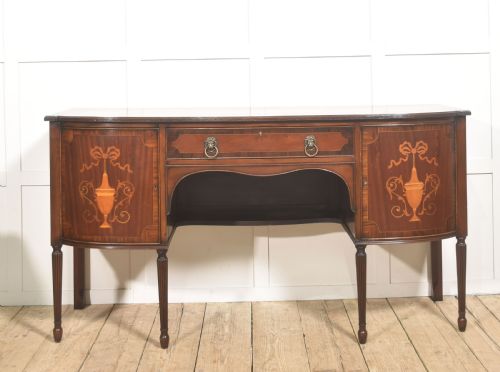

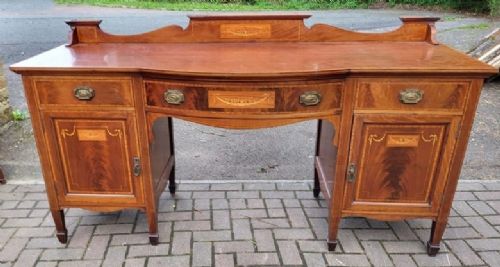
Sheraton Style Credenza
A sheraton style credenza brings refined neoclassical design and intricate marquetry into a dining room or hallway.
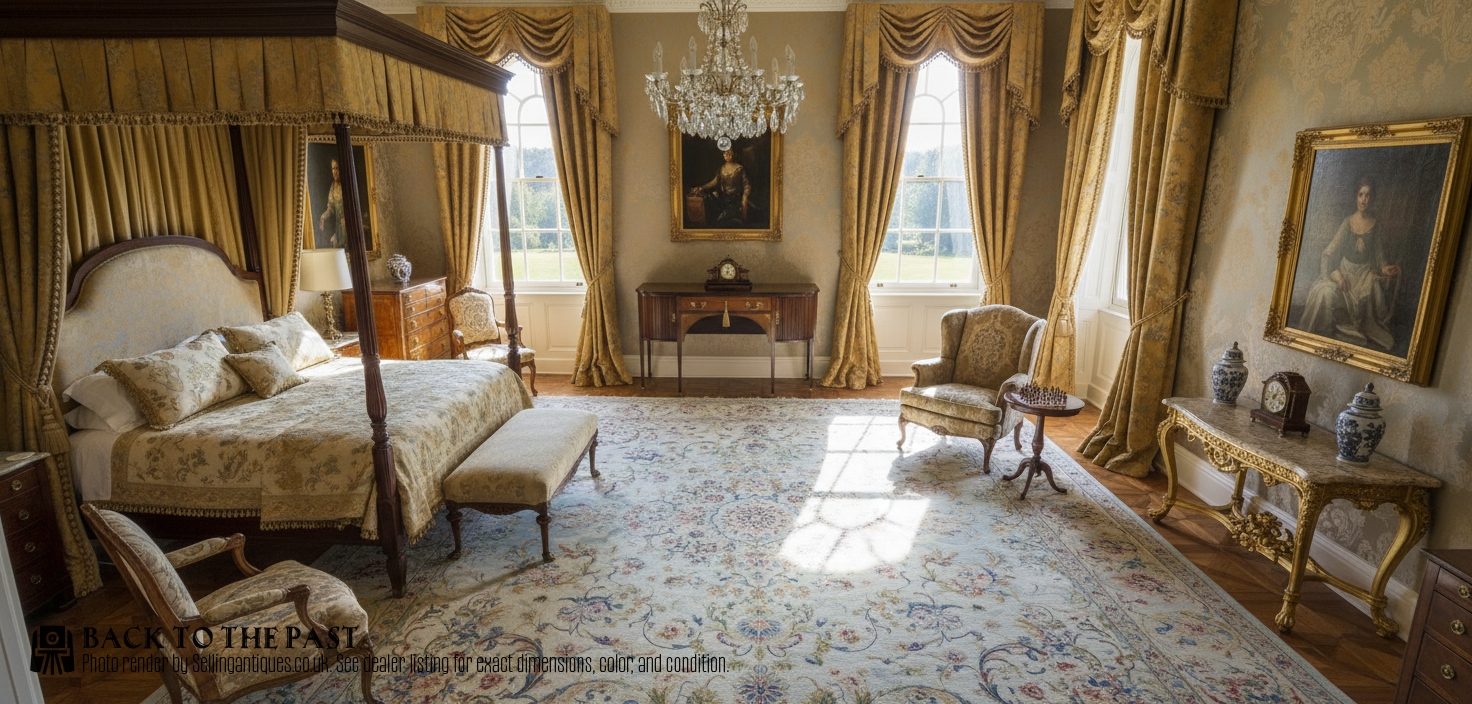
What these pieces are
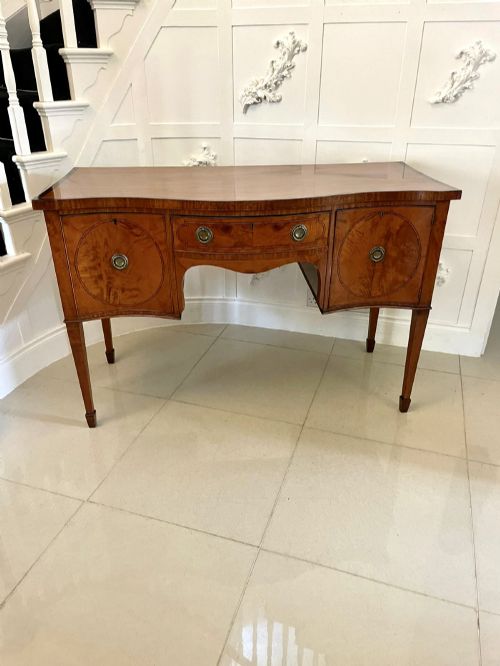
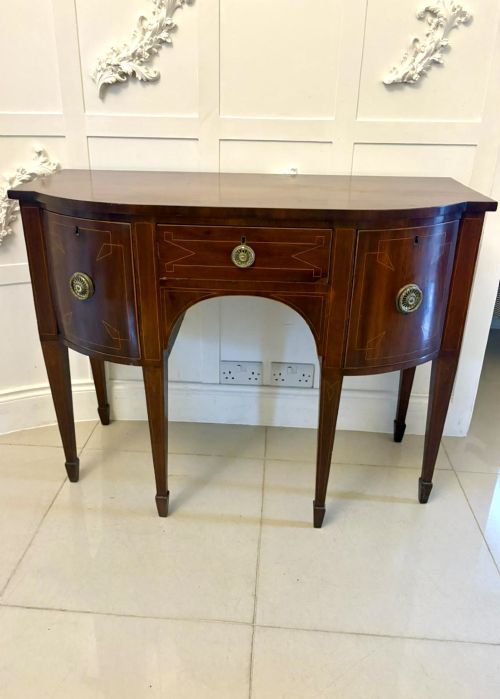
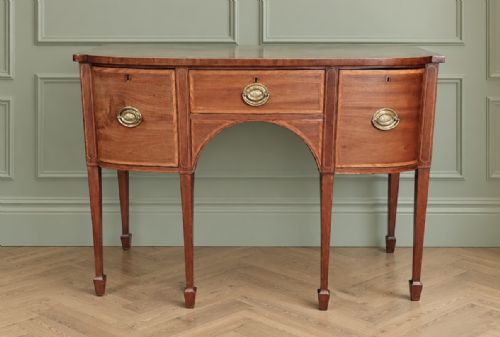
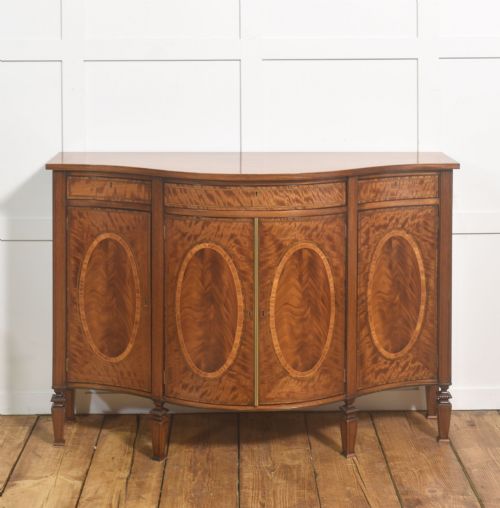
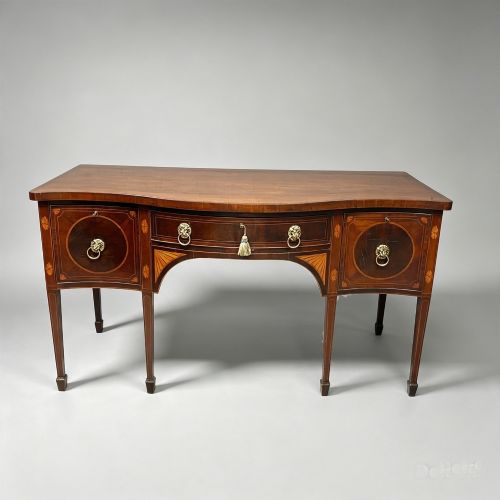
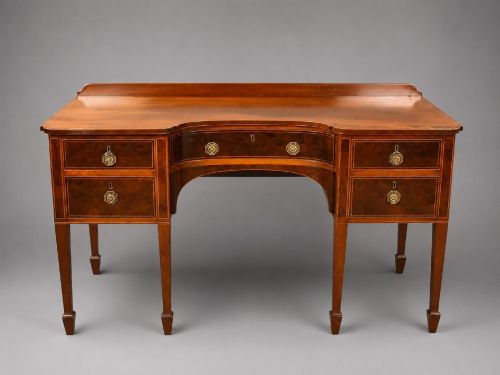
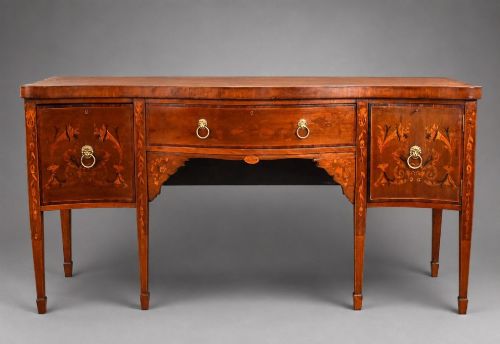
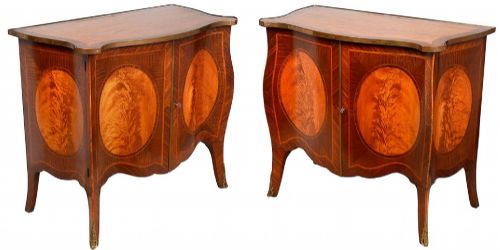
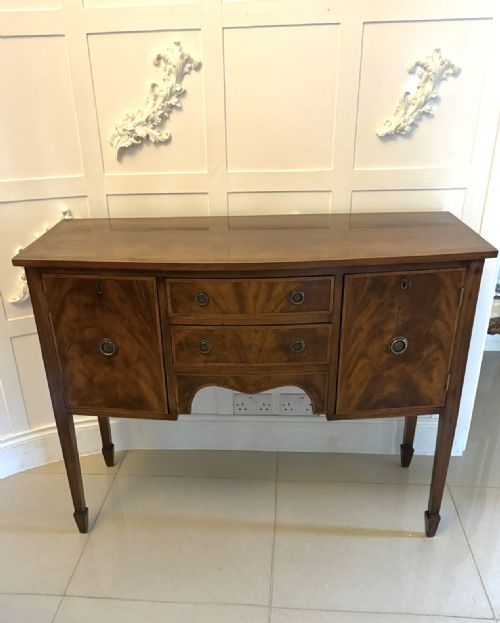
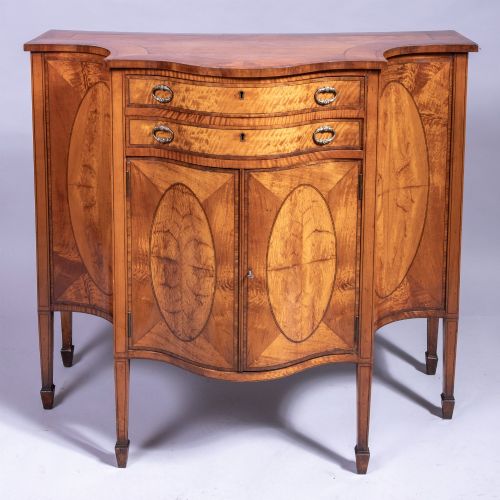
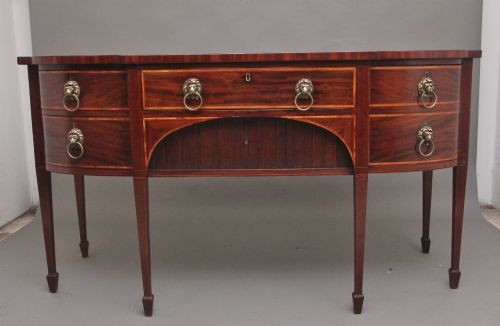
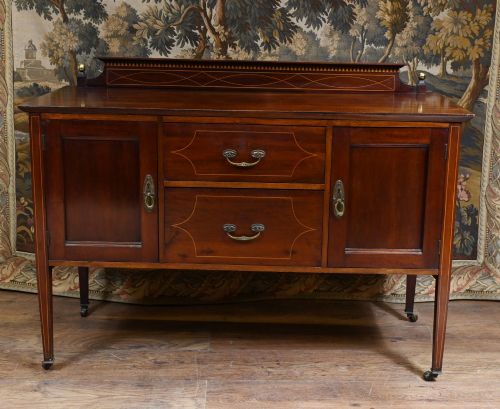
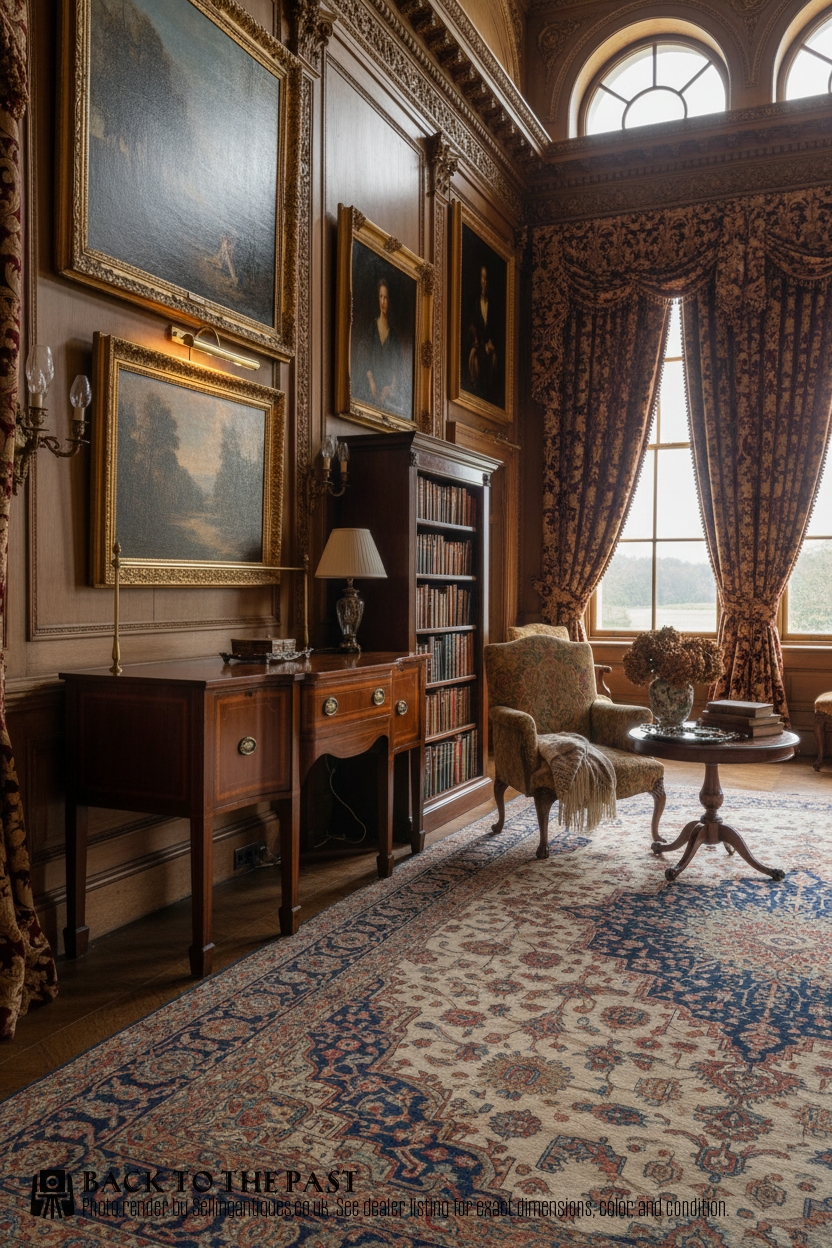
A sheraton style credenza encompasses elegant sideboards, side cabinets, and sideboards and buffets designed in the neoclassical and Sheraton Revival manner. These forms date from the eighteenth century through to the Edwardian era and 1910.
Buyers encounter eighteenth-century pieces alongside nineteenth-century iterations, including George III examples and Edwardian revivals from 1900 and 1910. The selection includes bow-front, serpentine, and demi-lune silhouettes.
The primary forms function as sideboards and side cabinets for storage and display within domestic spaces.
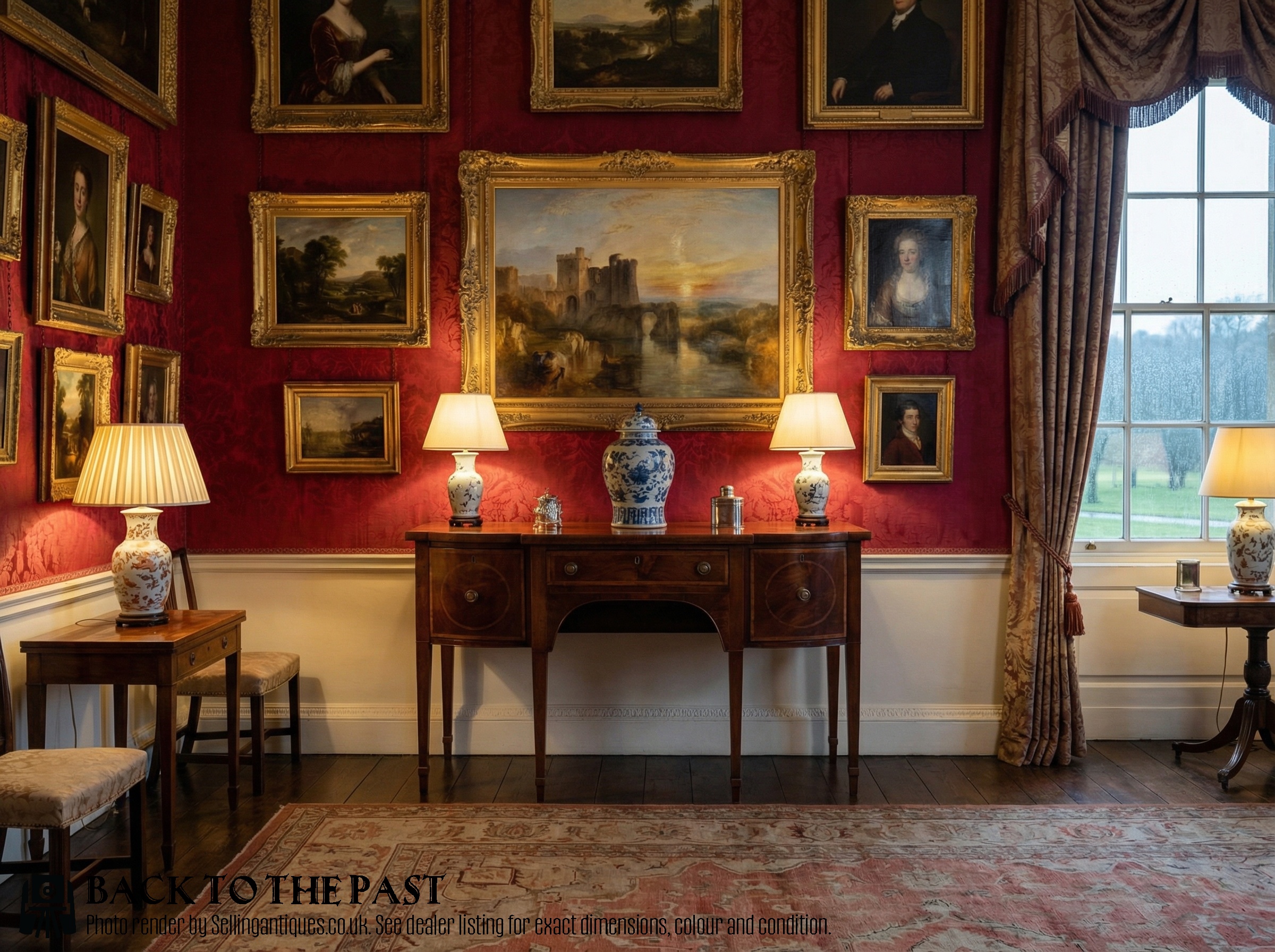
How they were made
Cabinetmakers constructed these pieces using mahogany, satinwood, and rosewood as foundational timbers. Artisans enhanced surfaces with boxwood and satinwood inlay.
Decorative detailing relies on marquetry inlay applied across door panels and drawer fronts. Brass fittings complement the timber surfaces.
Retail Price Guide 2026
Typical UK retail prices for sheraton style credenza, calculated from the Sellingantiques database of over a million retail prices indexed since 2003. This retail price guide relies exclusively on Sellingantiques data; no external sources or auction records are used, so the figures do not describe the wider market.
One eighteenth-century cabinet simply recorded as a sidebaord carries the charming spelling variation of generations past.
What varies in quality
Quality rests in the precision of the marquetry inlay and the choice of timbers, distinguishing simple mahogany framing from elaborate satinwood and rosewood designs. The crispness of the boxwood detailing and the grain selection dictate the visual hierarchy.
Construction fidelity separates eighteenth-century originals from later revival interpretations, where hand-cut joinery contrasts with Edwardian workshop practices.
The Sheraton Style Credenza Glossary
- Marquetry Inlay
- Decorative patterns formed by fitting contrasting veneers into a prepared wooden surface. This technique creates complex pictorial or geometric designs across cabinet fronts.
- Demi-Lune
- A half-moon shape used for the footprint of side cabinets and tables. This curved form fits flush against a wall.
- Bow-Front
- A convex curved front profile typical of refined sideboards. The gentle sweep softens the rectangular mass of the furniture.
- Satinwood
- A lustrous yellowish timber prized for its fine grain and glowing appearance. It frequently serves as a contrasting veneer in neoclassical furniture.
- Serpentine
- A wavy furniture front featuring a convex centre flanked by concave curves. This shape requires considerable woodworking skill to execute properly.
Frequently Asked Questions
Where should I place a sheraton style credenza?
These pieces suit dining rooms, grand hallways, or living spaces where surface display and concealed storage are required. Their finished backs and refined marquetry allow them to anchor a room effectively.
Ensure adequate clearance around curved bow-front or demi-lune models so the silhouette remains unobstructed.
How do I care for satinwood and mahogany surfaces?
Dust regularly with a soft, dry cloth and avoid placing wooden furniture in direct sunlight or near heat sources. Maintaining stable indoor humidity prevents timber movement and protects delicate veneer.
Apply a traditional beeswax polish occasionally to nourish the grain and preserve the lustre of the timber.
What is the difference between George III and Sheraton Revival?
George III pieces date from the actual reign in the eighteenth century and represent original neoclassical furniture design. Sheraton Revival pieces were manufactured later, notably around 1900 and 1910, copying earlier aesthetic styles.
Examining the construction methods and secondary timbers helps determine whether a piece is an original eighteenth-century work or a later revival.