




Sheffield Plate Dish
A sheffield plate dish delivers the rich lustre of fused silver and copper without the heavier cost of solid bullion.
Sheffield Plate Dish
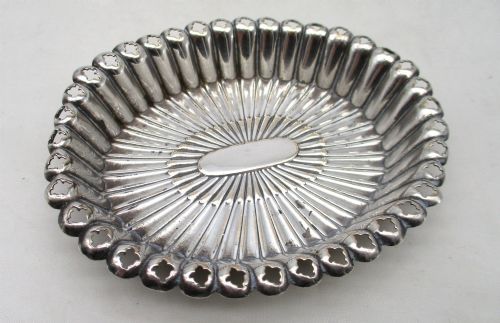
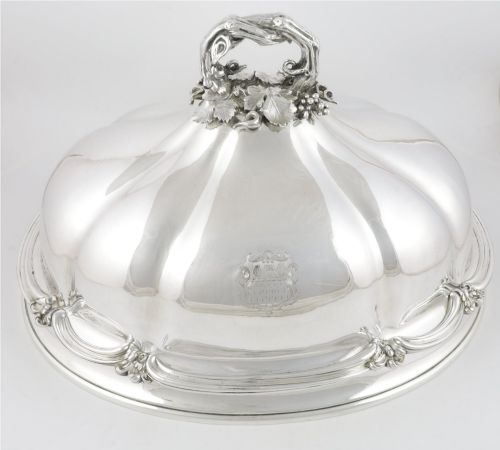
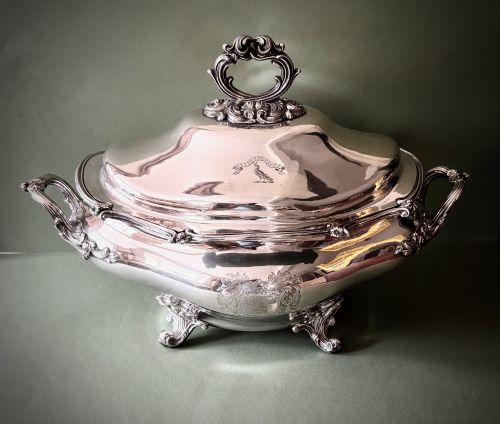
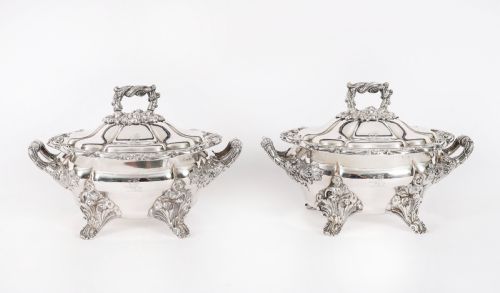
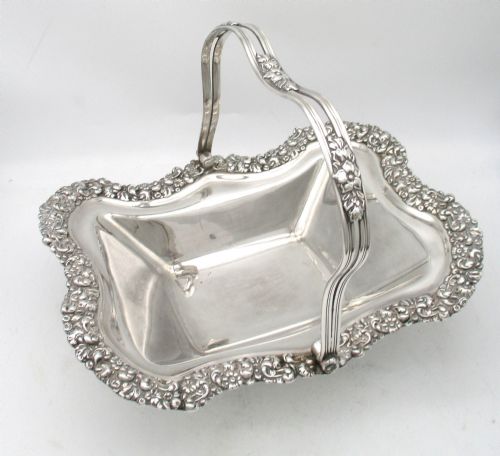
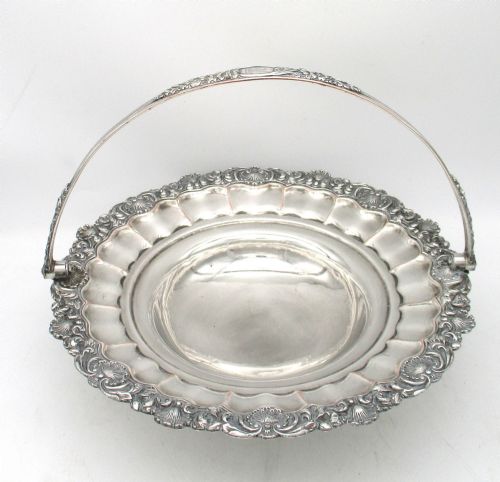
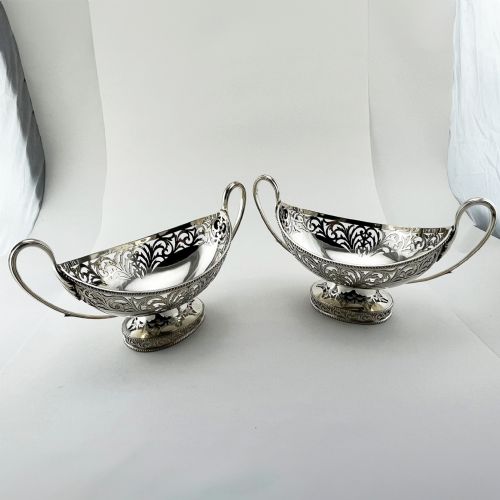
A sheffield plate dish encompasses a variety of domestic items created to serve food, warm meals, or present confectionery at the dining table. When exploring this selection, buyers encounter functional serveware such as warming dishes, entree tureens, meat domes, and delicate baskets originating primarily from the eighteenth and nineteenth centuries.
Method and material
Old sheffield plate was produced by fusing a thin sheet of silver to a thicker copper ingot under intense heat, then rolling the composite metal into sheets for fabrication. This clever layering created durable items that could be shaped into intricate wirework baskets, lidded tureens, and heavy warming dishes.
Makers reinforced vulnerable edges and high-wear areas with solid silver borders known as sheffield plating mounts to hide exposed copper seams. Artisans also utilised gold wash interiors for specific serving vessels and incorporated wooden elements on handles or insulating components.
The listings here feature copper, silver plate, and old sheffield plate across eighteenth and nineteenth-century forms.
What separates the finest examples
The quality of a piece rests heavily on the preservation of the original silver layer over the copper base. Substantial retention of the outer silver, without excessive base metal bleeding through from aggressive cleaning over the centuries, marks a superior survivor.
Execution of detail defines the upper tier, seen in crisp chased decoration, substantial weight in the hand, and well-balanced proportions. Maker attribution to renowned workshops adds significant weight to the pedigree of a piece.
Roberts Cadman·Henry Wilkinson·Creswick·Matthew Boulton·Thomas Bradbury·Walker Knowles·Dan Holy·James Deakin·Roberts Smith Co
The Sheffield Plate Dish Glossary
- Old Sheffield Plate
- A composite material made by fusing silver and copper together, invented in the eighteenth century before electroplating became common.
- Entree Dish
- A covered serving vessel designed for bringing portions of meat, vegetables, or main courses to the formal dining table.
- Mazarine
- A pierced draining plate or insert placed inside a serving dish to keep food elevated above accumulated juices.
- Dish Cross
- An adjustable warming stand featuring spirit lamps beneath, designed to hold dishes over heat during lengthy meals.
- Wirework
- An openwork technique formed from interlaced metal wires, frequently used for lightweight sweetmeat baskets and bon bon dishes.
Sheffield Plate Dish: Frequently Asked Questions
How do I identify old sheffield plate?
Look closely at the edges and high points of the piece for tiny lines or patches where the underlying copper shows through the silver surface. Genuine old sheffield plate predates modern electroplating and was constructed by fusing sheets of silver and copper together under heat.
Heavier items often reveal a copper seam along the rim or underside where the fused metal sheet was joined. Maker marks on these early pieces frequently consist of initials or symbols rather than standard hallmarking.
How were warming dishes used?
Warming dishes kept food hot at the table by holding hot water or utilising an internal heating element within a double-walled compartment. Servants filled the lower cavity with boiling water before bringing the heavy silver-plated vessel out for formal dining.
Victorian households relied on these clever constructions during lengthy multi-course meals where food needed to remain palatable over extended periods. Lidded versions helped trap steam and heat effectively.
Can I use these dishes daily?
These historical serving vessels function well for special occasions, but regular daily use requires careful hand washing with mild detergents. Abrasive cleaning agents will quickly wear away the thin historic layer of fused silver, exposing the copper underneath.
Proper storage away from damp environments prevents tarnishing and protects the fragile nineteenth-century plating from unnecessary degradation. Soft cloths help maintain the gentle polish expected of antique metalwork.
What is a dish cross?
A dish cross is an adjustable dining accessory featuring folding arms and central spirit burners designed to support serving platters over heat. These eighteenth-century devices kept dinner service warm throughout prolonged feasts in grand houses.
The extending arms allowed the stand to accommodate various platter sizes securely above the small flames.