
Sevres Style Porcelain
These sevres style porcelain pieces bring decorative French flair and rich hand-painted detail into a room.
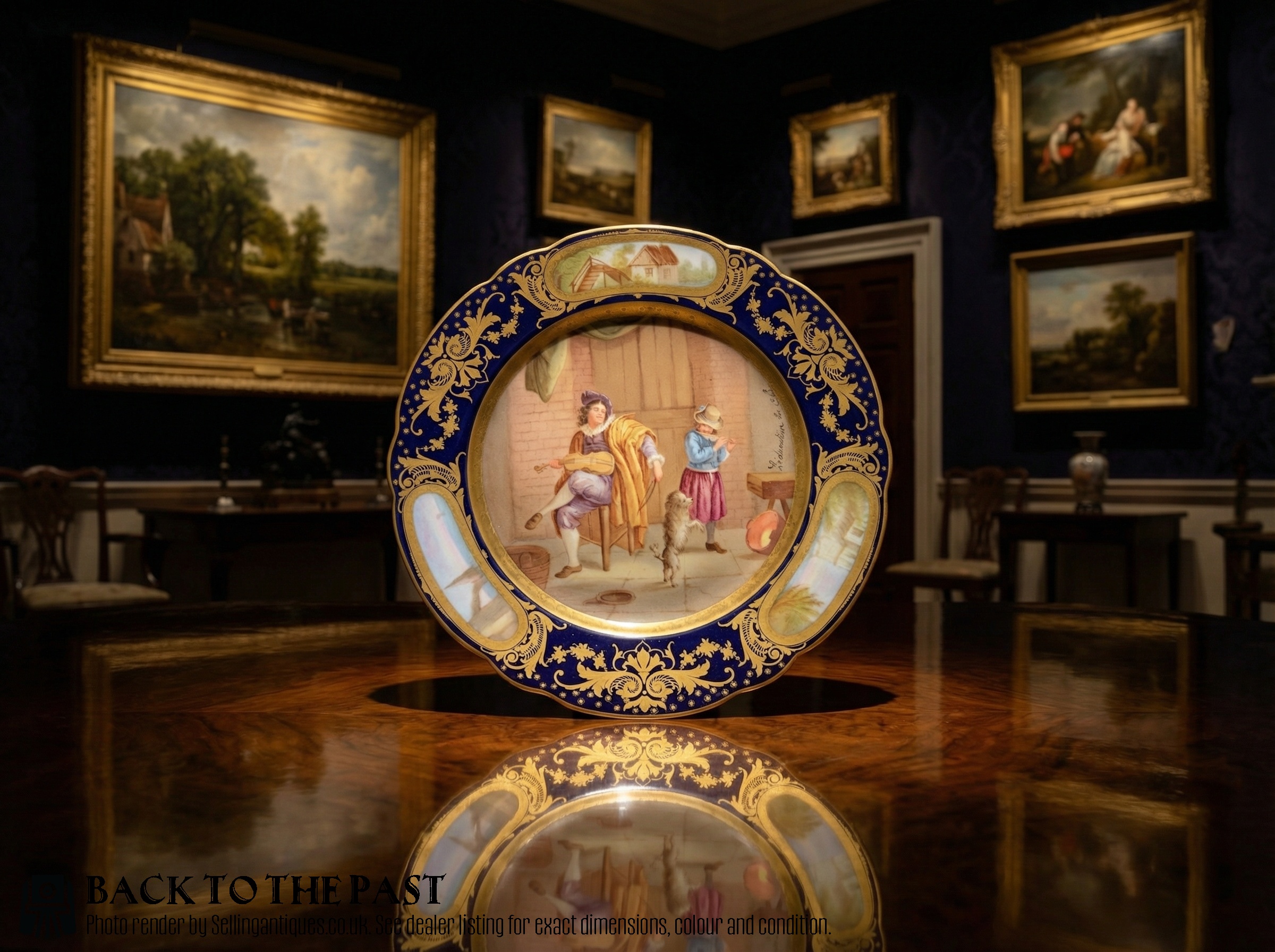
Sevres Style Porcelain
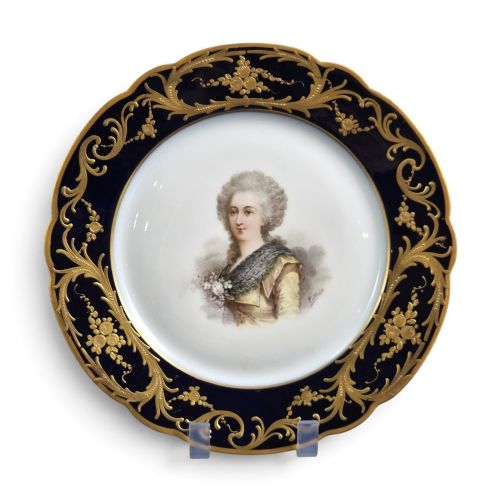
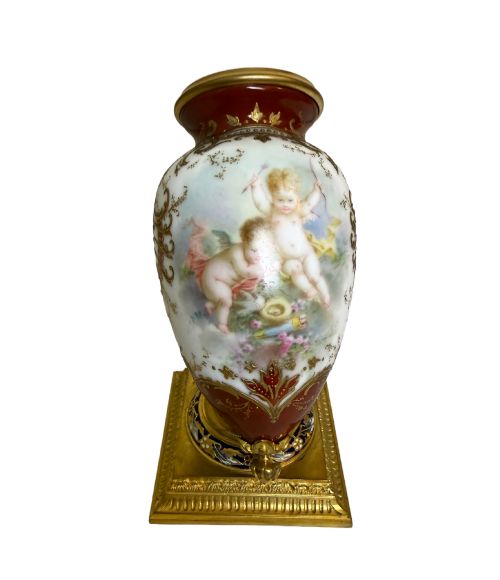
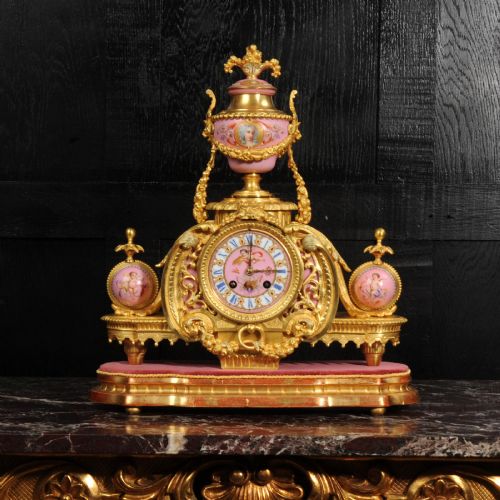
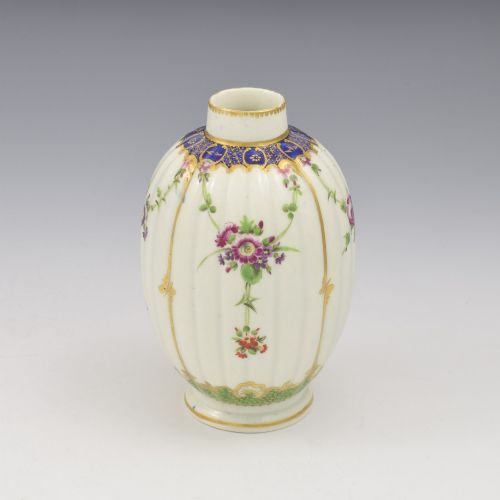
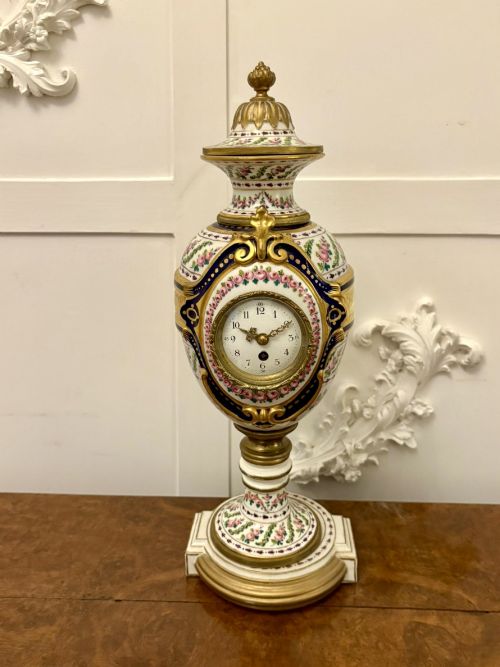
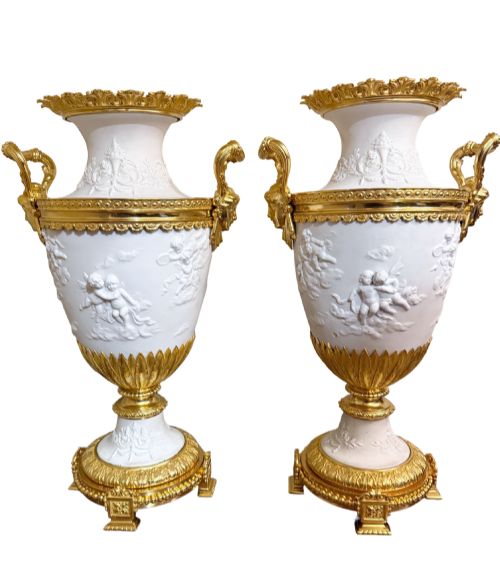
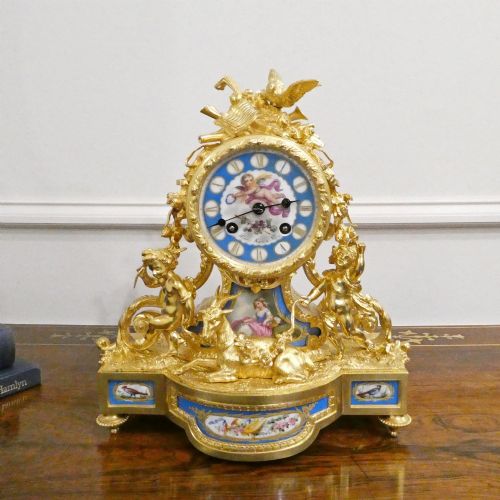
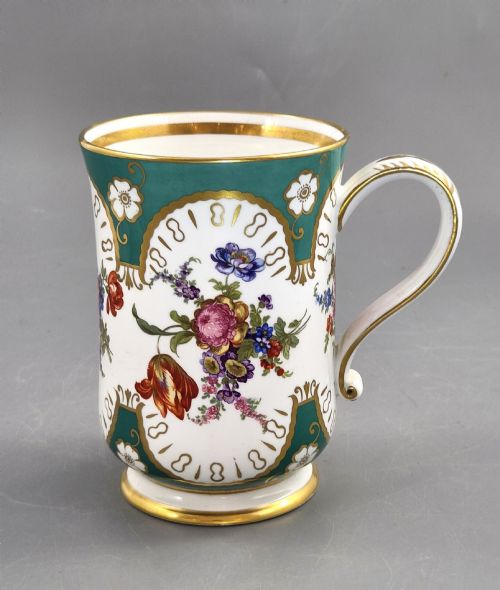
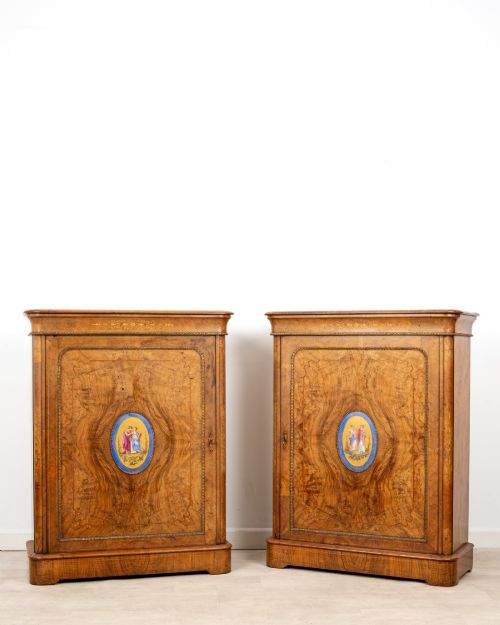
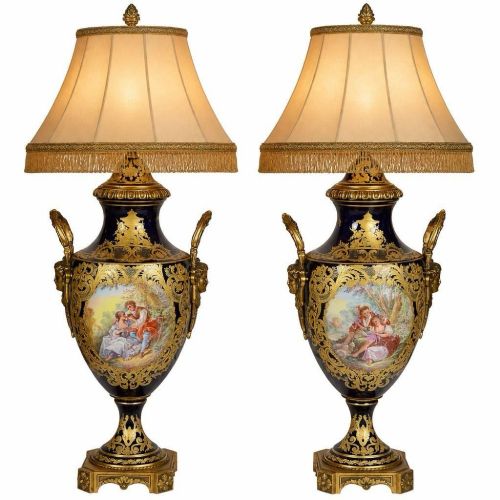
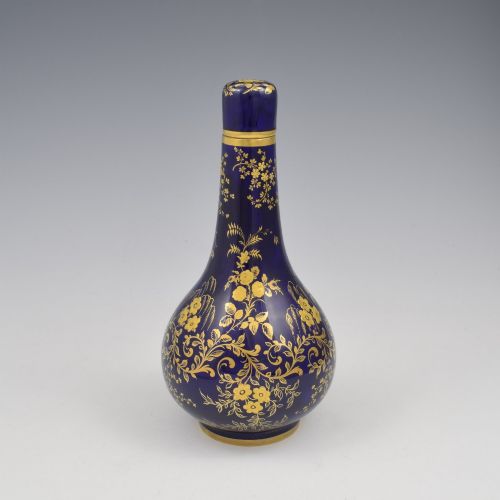
When you search for sevres style porcelain, you encounter decorative objects designed in the manner of the famous French factory, spanning both the eighteenth and nineteenth centuries. The pieces on this page include tea caddies, decorative urns, and cabinet plates, alongside lamps, vases, and occasional furniture mounted with porcelain plaques.
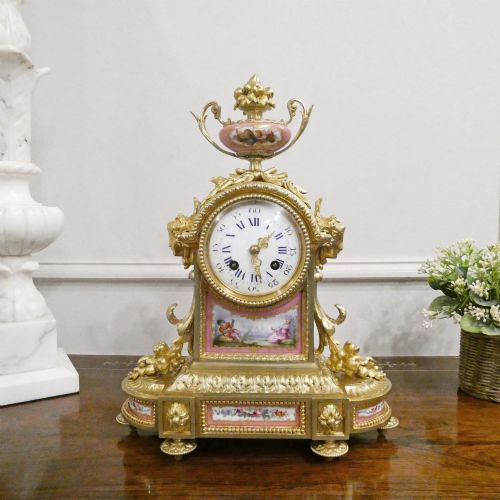
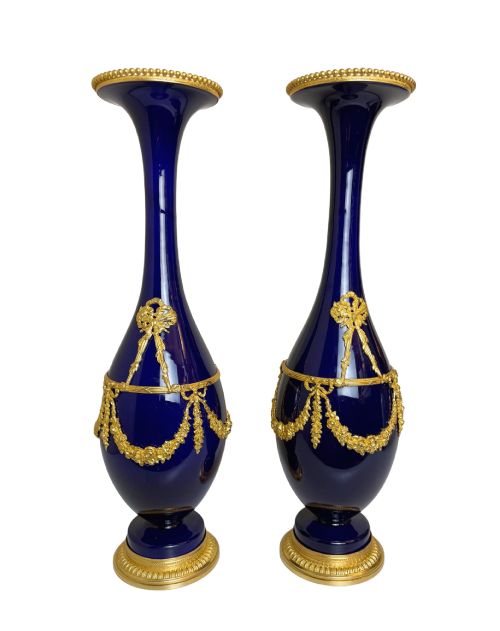
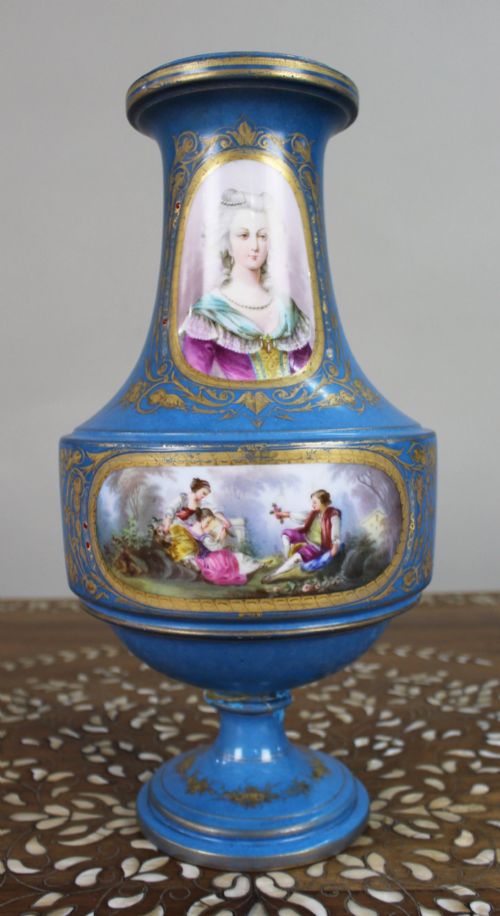
The aesthetic draws heavily on French Rococo Revival and Georgian tastes, often featuring hand-painted pastoral scenes, gallant figures, or military encampments. Ground colours such as pink, yellow, and cobalt blue frequently appear, framed by ornate metal mounts.
Buyers will most commonly meet nineteenth-century examples on this page, alongside occasional eighteenth-century pieces originating from English makers like Worcester working in the continental manner.
How sevres style porcelain was made
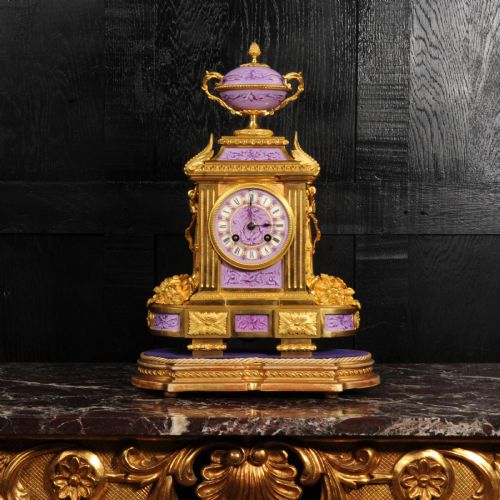
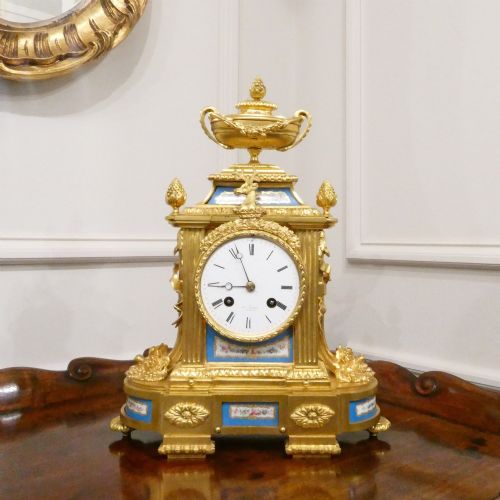
The physical objects rely on porcelain bodies, including soft-paste porcelain, finished with detailed enamel painting and metallic enrichments such as gilt, gold leaf, and gilt bronze or ormolu mounts. Makers shaped these materials into twisted bodies, fluted tea wares, lidded vases, and flat cabinet plates.
Craftsmen applied ground colours and hand-painted motifs by hand before firing, then combined the ceramic elements with cast ormolu and gilt metal mountings to create large centrepieces, lamps, and decorative urns.
Listings feature items from the eighteenth and nineteenth centuries, including soft-paste porcelain, enamel, and gilt bronze.
What varies in quality
The standard of painting separates ordinary items from superior examples, with finely executed gallant scenes and military encampments demonstrating greater artistic skill than repetitive floral decoration. The crispness of the hand-painted enamelwork and the delicacy of the gilding determine visual impact.
The quality of the metalwork also divides the range, as heavy, finely chased ormolu and gilt bronze mounts require far more skilled foundry work than simple gilt metal fittings. Well-integrated mounts that fit the porcelain body precisely elevate the whole object.
The Sevres Style Porcelain Glossary
- Ormolu
- Gilded bronze mounts used extensively to frame and elevate porcelain bodies. This technique originated in France and defines much nineteenth-century decorative work.
- Soft-paste porcelain
- An artificial ceramic body fired at lower temperatures than hard paste, common in earlier English and French production. It has a distinctive warm texture beneath the glaze.
- Cabinet plate
- A decorative ceramic plate intended for display on a wall or stand rather than for dining use. These often feature elaborate painted panels and gilded borders.
- Tea caddy
- A small lidded vessel designed for storing dry tea leaves. In fine ceramics, these frequently feature fluted bodies and hand-painted details.
Sevres Style Porcelain: Frequently Asked Questions
What periods do these pieces come from?
The inventory spans the eighteenth and nineteenth centuries. Pieces from the eighteenth century include early English interpretations, while nineteenth-century items encompass Victorian and French production.
Most items you encounter will date from the nineteenth century, reflecting a strong period of revival and imitation.
How were these porcelain items used?
Many objects served functional roles in wealthy households, such as tea canisters for storing tea or bottle coolers for chilling wine at table. Other items like cabinet plates and urns were purely decorative.
Over time, many of these ceramics were adapted into lamps, clocks, and chandeliers as interior tastes shifted toward electrified and ornamental lighting.
How do I care for ormolu mounts?
Ormolu mounts require gentle dusting with a dry microfibre cloth to prevent the accumulation of dirt in the recessed chased details. Avoid liquid cleaners or metal polishes, which can strip the original gilding.
Keep the pieces away from direct sunlight and damp environments to protect both the metalwork and the painted enamel surfaces.
Are all these items French?
While the style imitates the famous French factory, the makers span different regions and periods. English makers such as Worcester produced porcelain in this manner during the eighteenth century.
Nineteenth-century items include French decorative objects alongside Victorian pieces and English furniture mounted with imported plaques.