


Decorative Porcelain Plates Set
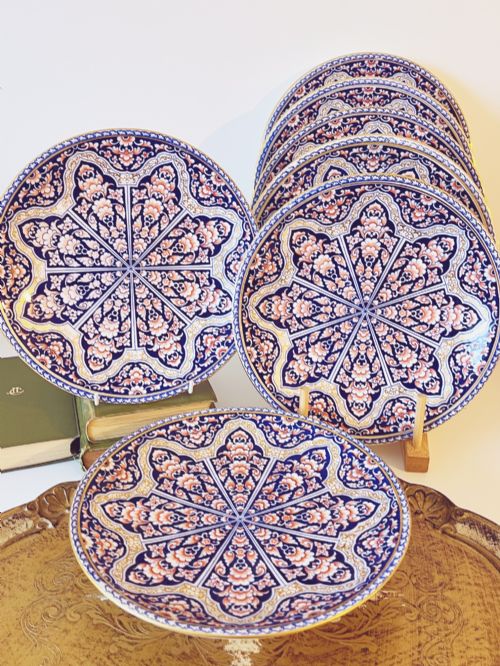
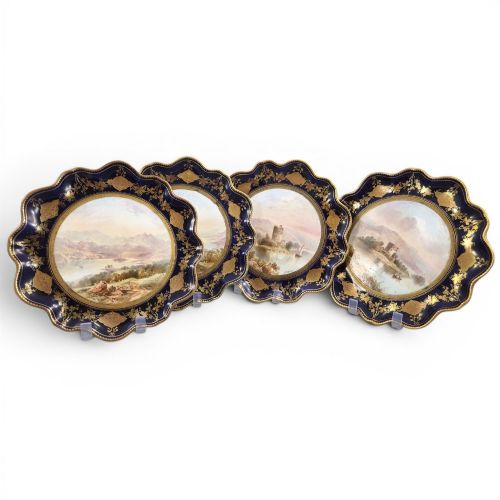
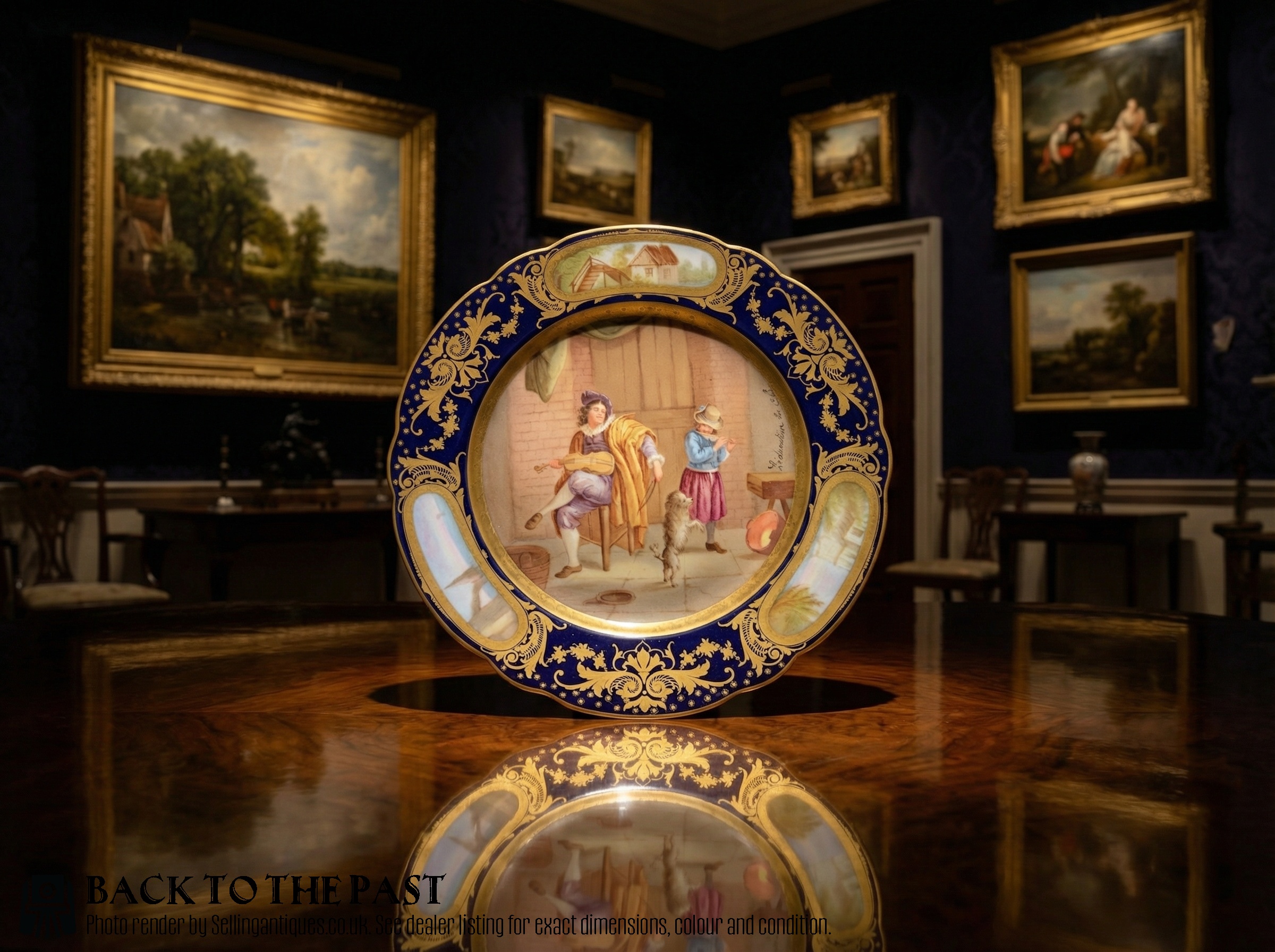
These decorative porcelain plates set selections bring together fine ceramic tableware and cabinet pieces from across the eighteenth, nineteenth, and early twentieth centuries.
Decorative Porcelain Plates Set
A decorative porcelain plates set comprises matched groups of ceramic tableware and cabinet displays gathered from periods spanning the eighteenth century to the early twentieth century. These groupings range from intimate pairs and quartets to extensive dessert services and larger matching assemblages intended for formal dining or display.
Buyers encountering this material will frequently find sets originating from British makers such as Royal Crown Derby, Aynsley, Royal Worcester, and Chamberlains alongside Japanese Imari and Satsuma productions and Chinese export wares. The forms vary from standard cabinet plates and shaped dishes to comprehensive dessert services complete with comports.
Manufacturing and materials
These items rely primarily on porcelain, bone china, and earthenware bodies shaped into plates, dishes, and serving vessels before receiving applied glazes. Manufacturers then utilised hand-painted enamels, transfer printing, and applied gold leaf to decorate the ceramic surfaces.
Firing techniques varied according to the origin, with European factories employing kiln-fired enamels over glaze while East Asian workshops utilised traditional Imari palettes and Satsuma crackle glazes. The integration of gilded borders and intricate hand-painted motifs required precise temperature control during multiple kiln firings.
Keep an eye out for black ship decorations depicting historic foreign vessels arriving in Japanese waters.
Distinguishing quality across the range
The standard of a set rests upon the crispness of the porcelain body and the precision of the hand-painted execution. Sets featuring fully hand-painted game birds, named views, or armorial crests demonstrate a higher tier of artistry compared to simpler transfer-printed designs.
Preservation of the original gilding and enamel vibrancy heavily influences the overall character of the grouping. Complete services retaining their matching comports or maintaining exact uniformity across seventeen or fourteen pieces hold greater visual cohesion than assembled groups.
Royal Crown Derby·Aynsley·Royal Worcester·Chamberlains
The Decorative Porcelain Plates Set Glossary
- Cabinet Plate
- A decorative plate intended solely for display in a cabinet or on a wall rather than for practical dining use. These often feature elaborate hand-painted scenes or rich gilding.
- Comport
- A raised serving dish or pedestal bowl designed to hold fruit or small cakes as part of a formal dessert service. It typically stands centrally among matching plates.
- Imari
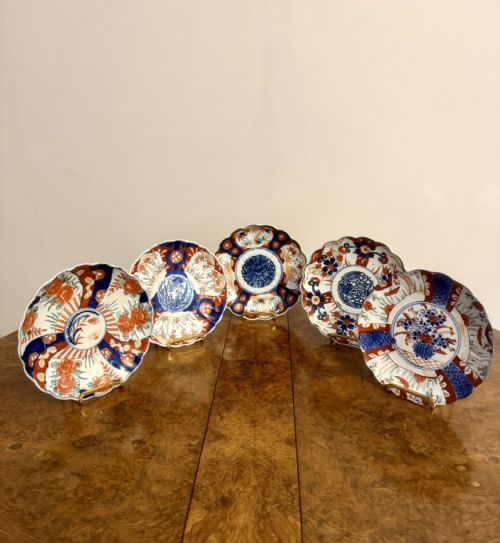
- A decorative style originating in Japan characterised by a distinctive palette of iron red, underglaze blue, and gold. The aesthetic was widely emulated by European potteries during the nineteenth century.
- Armorial
- Bearing a heraldic coat of arms or crest hand-painted onto the ceramic surface. Such services were usually commissioned specifically for prominent families or ruling figures.
- Dessert Service
- A matched collection of plates and serving pieces specifically created for the final course of a formal meal. These sets frequently include specialised dishes alongside standard plates.
Decorative Porcelain Plates Set: Frequently Asked Questions
What defines a dessert service?
A dessert service is a coordinated grouping of plates and serving vessels designed specifically for the final course of a formal meal. These collections often include specialised comports alongside matching plates.
Such services allow hosts to present sweet dishes with visual uniformity across the entire table setting.
How do I care for antique plates?
Antique porcelain and bone china require gentle handling and hand washing in lukewarm water with mild soap. Dishwashers and harsh detergents will quickly damage delicate enamel work and wear away surface gilding.
Storage should involve padded dividers between stacked pieces to prevent scratching the glazed surfaces.
What is Japanese Imari?
Japanese Imari refers to ceramics produced in the Hizen province and exported through the port of Imari, marked by a distinct palette of deep underglaze blue, vibrant iron red, and gold accents. The style became immensely popular in Europe during the nineteenth century.
Both original Japanese pieces and European interpretations appear frequently in antique tableware collections.
Are cabinet plates meant for dining?
Cabinet plates are created primarily for display in cabinets or on walls rather than active use at the dining table. They frequently feature delicate hand-painted scenes, extensive gilding, or raised enamel work that makes them vulnerable to cutlery marks.
Display stands or wall mounting hardware let collectors enjoy the artwork safely.