
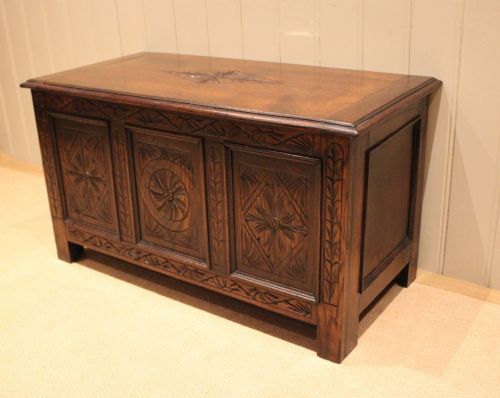
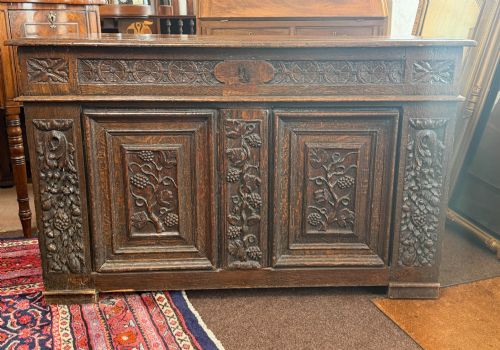

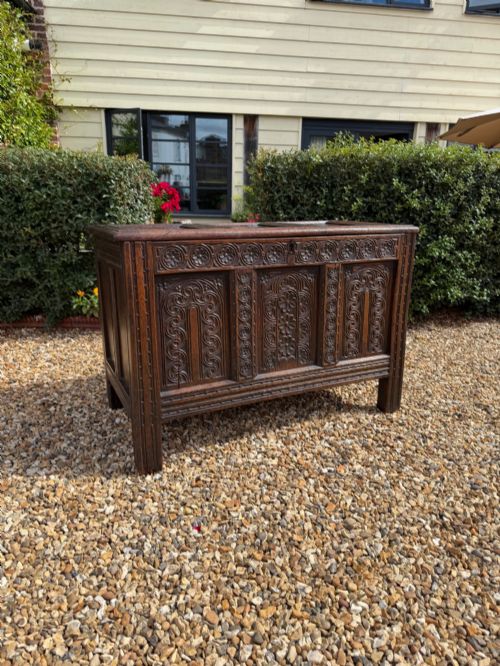
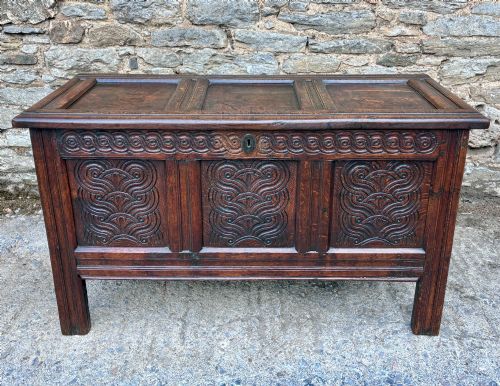
Seventeenth Century Wooden Panel
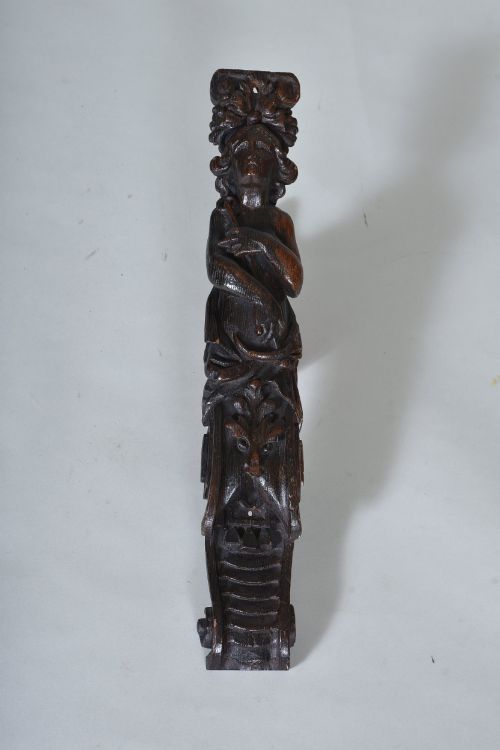
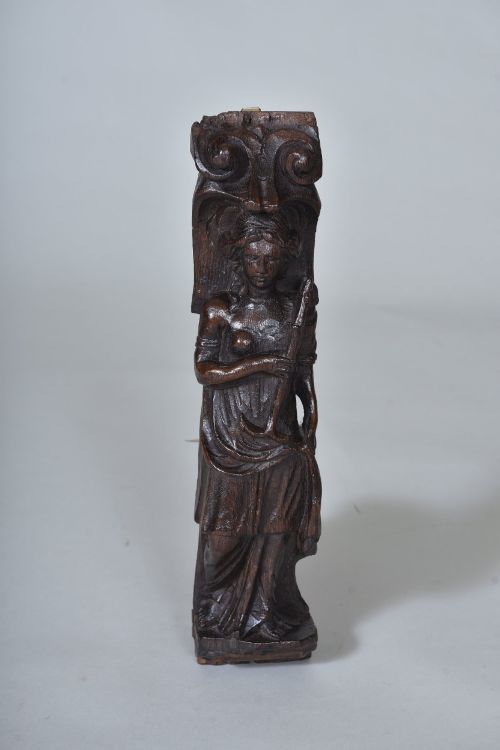
These seventeenth century wooden panel pieces are sturdy forms fashioned from solid timber that anchor a room with centuries of domestic history.
Seventeenth Century Wooden Panel
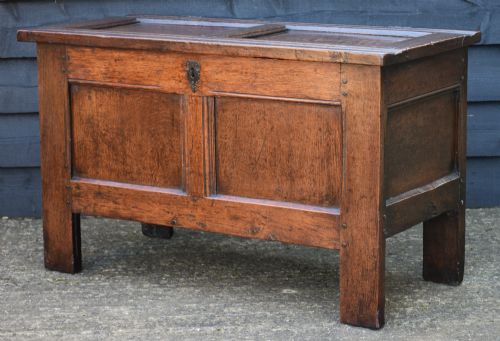
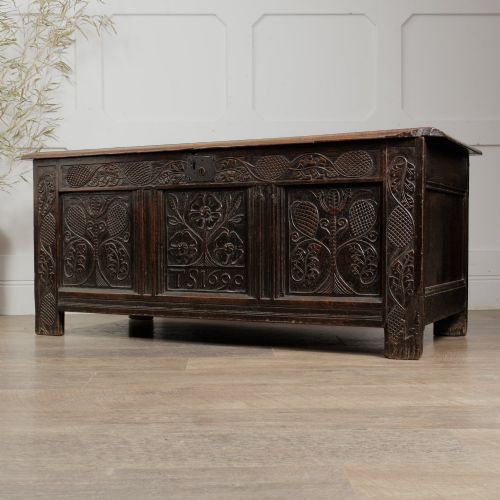
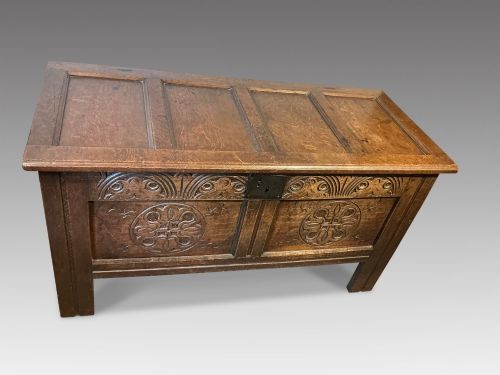
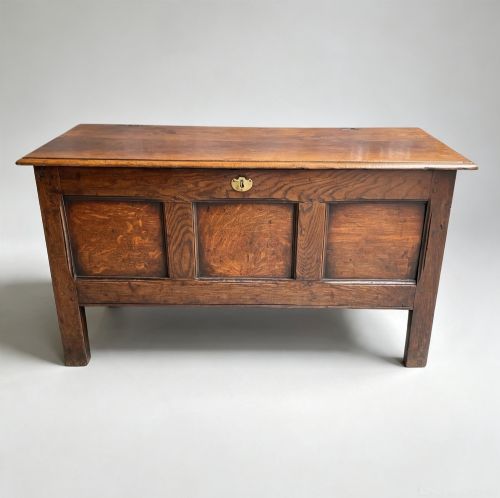
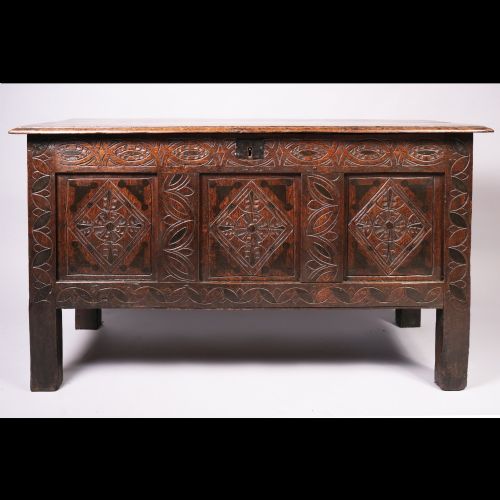
A seventeenth century wooden panel search uncovers heavy storage furniture and structural woodwork built to withstand daily use. Buyers encounter items ranging from simple joined chests to architectural carvings and panelled armchairs.
The selections on this page draw heavily from the seventeenth century, alongside revival pieces from later eras. Oak predominates as the primary timber, complemented by walnut, fruitwood, brass, and iron mounts.
How they were made
Joiners constructed these objects using frame and panel techniques, allowing solid oak and fruitwood to expand and contract with seasonal humidity without splitting the main structure. Pegs secure the mortise and tenon joints in place without modern adhesives.
Surface decoration relies on hand chiselling, gouge work, and occasional wood inlay to create geometric patterns, linenfold designs, and figurative carvings.
Listings feature oak alongside walnut and fruitwood, paired with iron and brass hardware across seventeenth century and revival periods.
What varies in quality
The integrity of the original construction and the crispness of the hand-carved panels dictate the standing of each piece. Items retaining their uncompromised timber surfaces and structural framing sit at the higher end of the scale.
Regional variations in decorative ambition, from restrained West Country panels to elaborate North Country carving, influence the character and complexity of individual examples.
Thomas Dennis
The Seventeenth Century Wooden Panel Glossary
- Wainscot chair
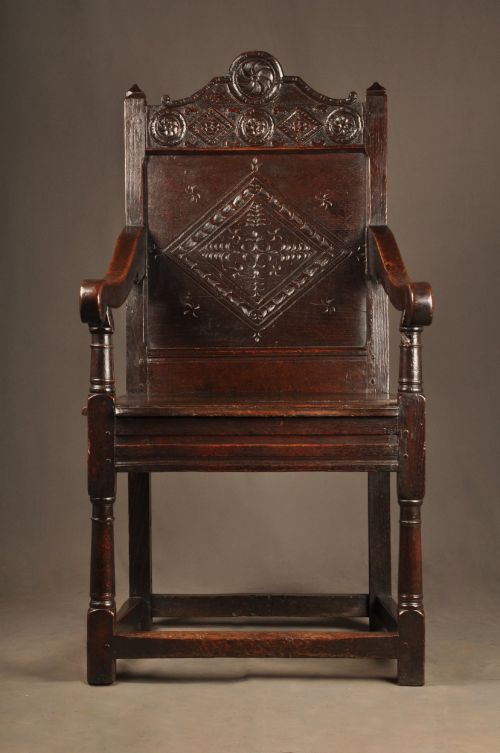
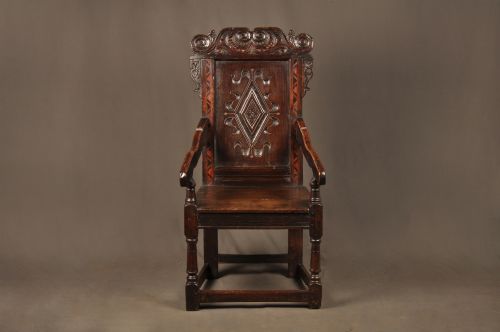
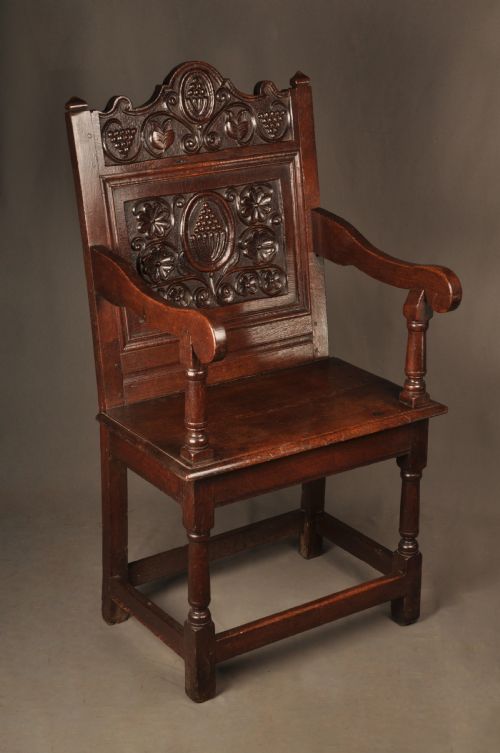
- A sturdy wooden armchair constructed with panelled backs and solid seats, typical of seventeenth century domestic seating. These chairs often incorporate turned front legs and carved crest rails.
- Coffer
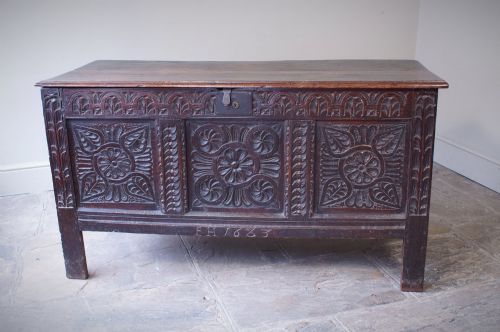
- A large wooden chest used for storing valuables, textiles, and household goods. Many examples feature panelled lids and robust front panels.
- Linenfold
- A style of relief carving imitating folded fabric or linen hung onto a wooden panel. This motif appears frequently on fifteenth and sixteenth century furniture styles persisting into later periods.
- Joinery
- The method of connecting pieces of wood using tightly fitted joints secured by wooden pegs rather than metal nails. This technique defines seventeenth century cabinet making.
Seventeenth Century Wooden Panel: Frequently Asked Questions
What is a wainscot chair?
A wainscot chair is a heavy wooden armchair built with panelled backs and solid timber seats. These seats were costly status symbols in early households.
They often feature turned legs and carved upper rails reflecting regional carpentry traditions.
How were seventeenth century coffers used?
Seventeenth century coffers served primarily as secure storage for linens, documents, and valuable family possessions. Their flat lids also allowed them to function as tables or benches.
Many travelled with households or sat against parlour walls as permanent fixtures.
Which woods appear most often?
Oak forms the vast majority of these listings, chosen for its local abundance and structural strength. Walnut and fruitwood appear less frequently in specific panelled and inlaid sections.
Iron hinges and brass keyplates frequently secure the working parts.
How do I spot a revival piece?
Revival pieces from later periods imitate seventeenth century styles using machine-cut timber components or different interior construction methods. Examining the joint pegs and tool marks helps clarify the manufacturing date.
Consulting the listed period details alongside the timber wear provides further guidance.