



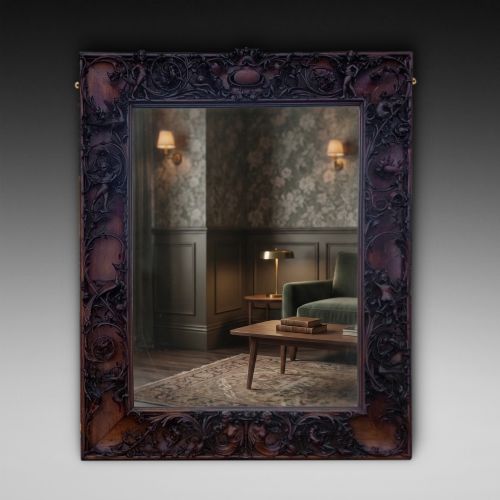
Carved Wooden Wall Hanging
These carved wooden wall hanging pieces span centuries of domestic display, bringing texture and architectural depth to any interior.
Carved Wooden Wall Hanging
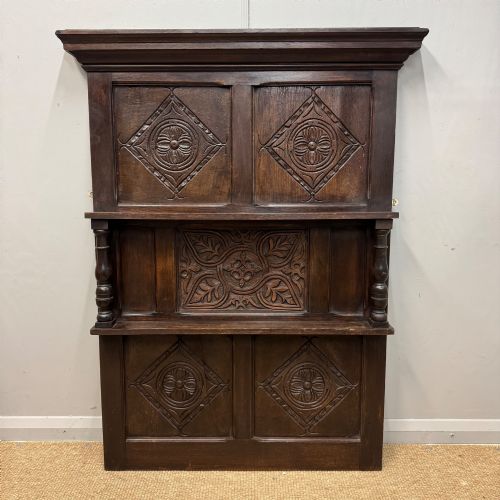
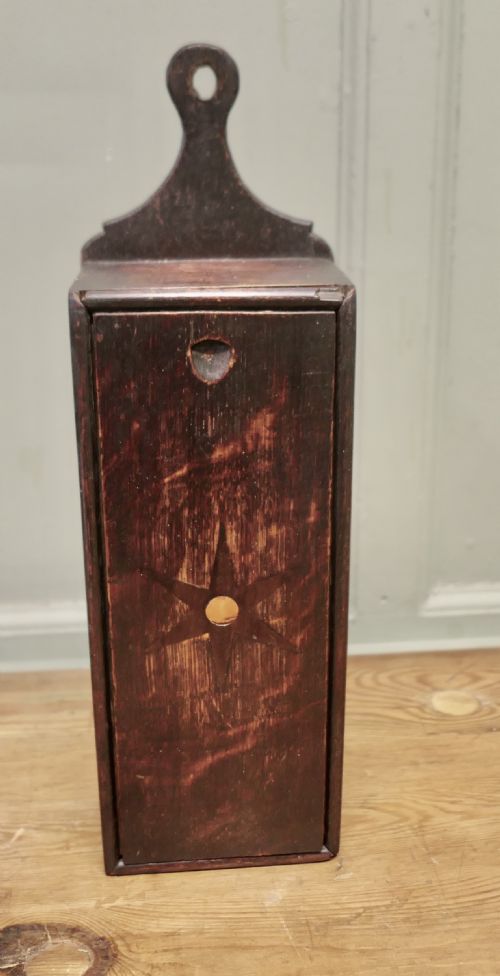
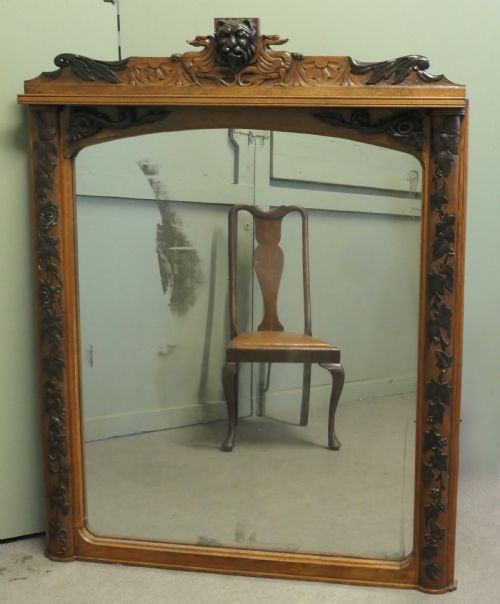
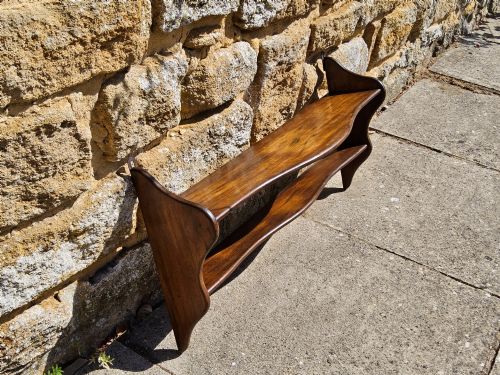
A carved wooden wall hanging encompasses functional items and decorative panels designed to be mounted directly onto interior surfaces. The selection ranges from 17th-century oak panels and salt boxes to Victorian mirrors, cupboards, and shelves.
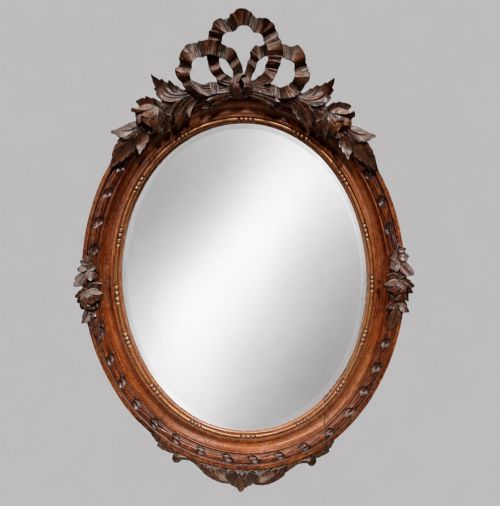
Buyers frequently encounter 19th-century oak and walnut frames, along with giltwood mirrors and carved plaques dating from the Georgian, Victorian, and Edwardian periods.
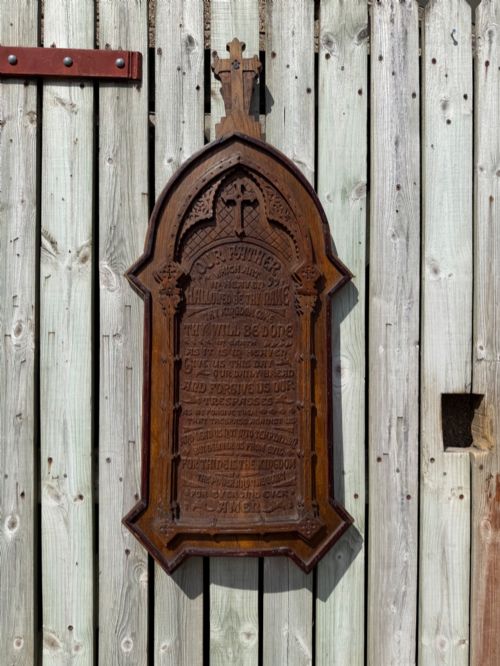
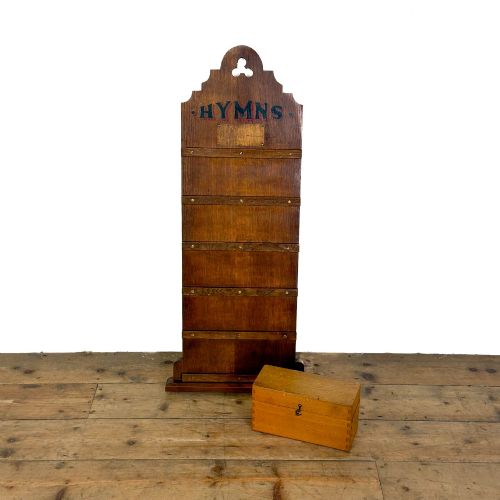
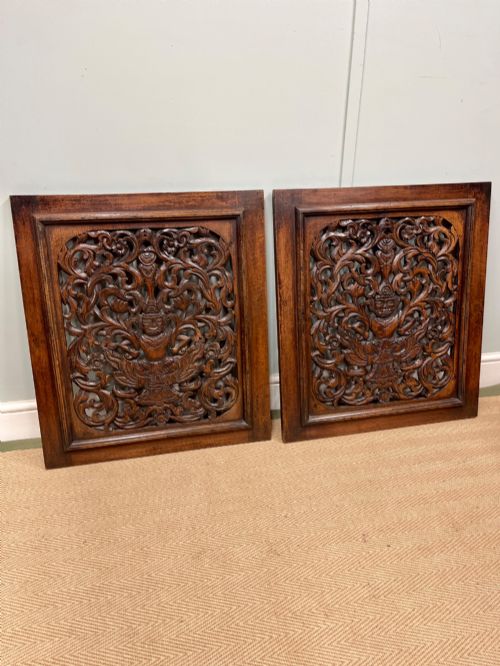
Forms extend from utilitarian hanging cupboards and coat racks to decorative items such as church hymn boards, barometers, and Burmese panels.
How they were made
Construction relies heavily on traditional hardwoods including oak, walnut, mahogany, and satin birch, frequently joined with iron hardware and complemented by brass fittings.
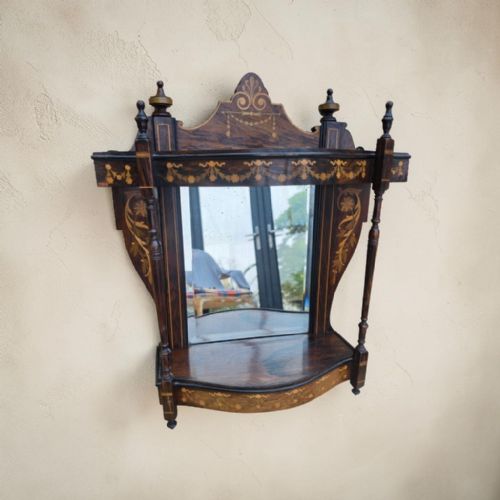
Decorative surfaces often combine hand carving, chip carving, and fretwork, alongside gesso and giltwood finishes or hand-painted details.
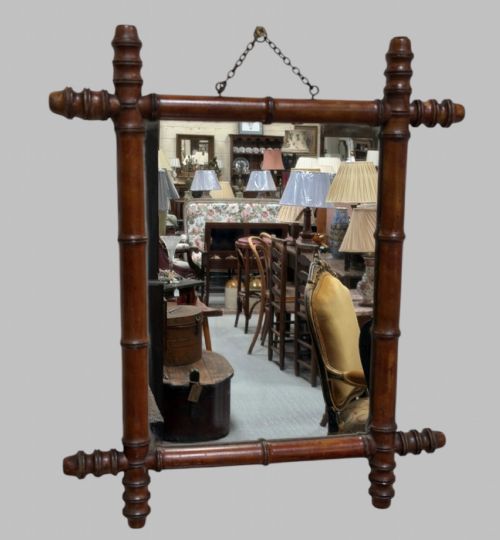
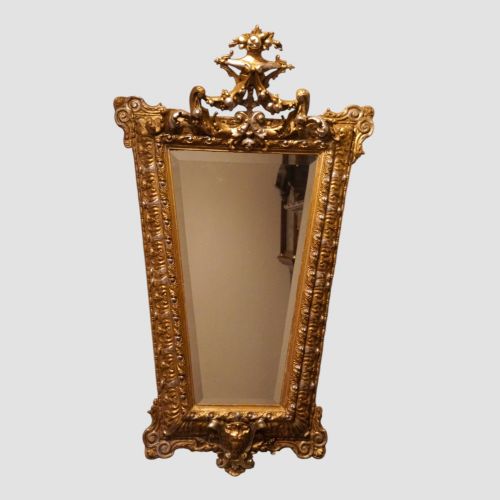
Mirrors utilise integrated glass plates, sometimes incorporating engraved designs or trapezoidal geometry within wooden or gilt frames.
Listings feature items spanning the 17th, 18th, and 19th centuries, alongside Edwardian and 1930s examples.
What varies in quality
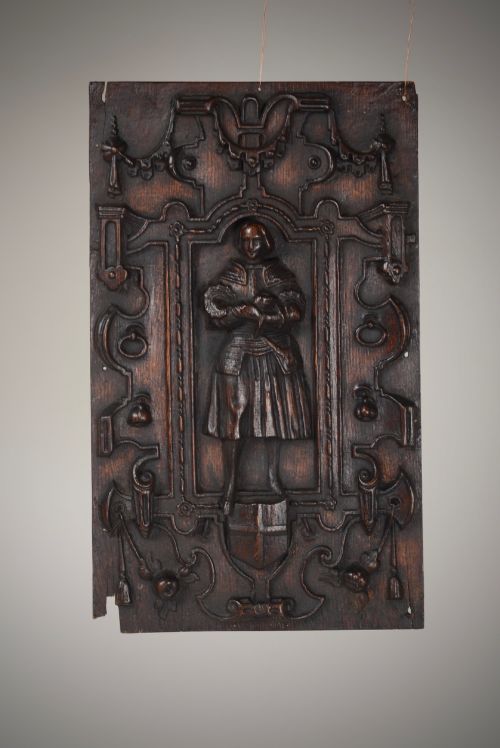
Depth and precision of the hand carving distinguish standard domestic items from exceptional sculptural works, such as detailed figurative panels or heraldic plaques.
Integrity of original surface treatments, including paint traces, gilt, and hardware, separates well-preserved examples from heavily restored pieces.
Proportion and architectural balance define the finer mirrors and hanging cupboards, where timber selection and joinery demonstrate superior craftsmanship.
The Carved Wooden Wall Hanging Glossary
- Giltwood
- Wood that has been coated with gold leaf or a gold-coloured substance. This finish is frequently found on ornate 19th-century mirrors and decorative frames.
- Gesso
- A plaster-like mixture applied to wood surfaces as a base for gilding or painting. It provides a smooth ground for intricate relief decoration.
- Fretwork
- Ornamental design created by cutting patterns through thin wood using a scroll saw or piercing technique. It appears frequently on walnut and mahogany mirrors.
- Chip carving
- A woodworking technique where small chips are removed from a flat surface to form geometric patterns. This style is characteristic of utilitarian items like mangle boards.
- Overmantel
- A large mirror or panel designed to hang specifically above a fireplace mantelpiece. These pieces often feature substantial frames matching period interior styles.
Carved Wooden Wall Hanging: Frequently Asked Questions
How do I hang a heavy wooden wall piece safely?
Heavy carved panels and large mirrors require robust wall fixings secured directly into masonry or timber studs rather than plaster alone. Using weight-rated mirror plates or substantial brackets ensures the piece remains secure.
Distributing the weight evenly across two fixing points prevents twisting on the hanging cord or wire over time.
What is the difference between an 18th and 19th century oak panel?
Earlier 17th and 18th-century panels typically display hand-split timber grain, deeper relief carving, and pegged mortise and tenon joinery. Iron hardware from this era often shows hand-forged characteristics.
Nineteenth-century revival pieces tend to utilise machine-sawn timber and may incorporate softer detailing or decorative elements inspired by earlier Gothic or Renaissance styles.
How do I care for antique giltwood frames?
Giltwood surfaces are extremely delicate and sensitive to moisture, abrasive cleaners, and excessive handling. Dusting should be done gently with a dry, soft feather duster or an artist's brush.
Direct sunlight and fluctuating humidity can cause the gesso and gold leaf to crack or flake, so stable placement away from radiators is essential.