



Baroque Religious Wall Art
Baroque religious wall art brings deep devotional imagery and theatrical presence into a room through centuries-old oil paintings, carved panels, and textiles.
Baroque Religious Wall Art
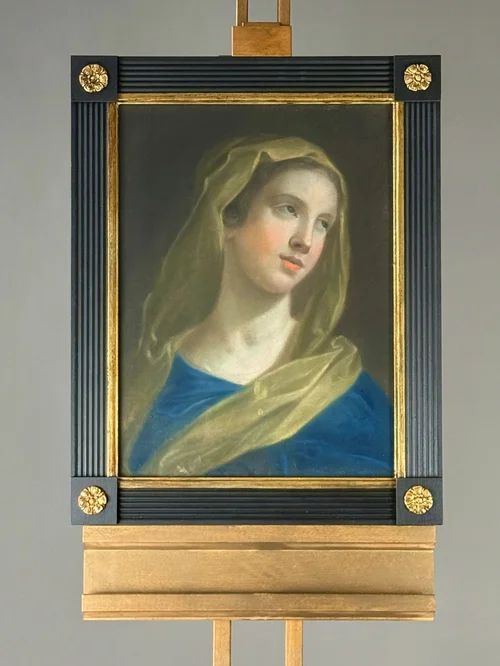
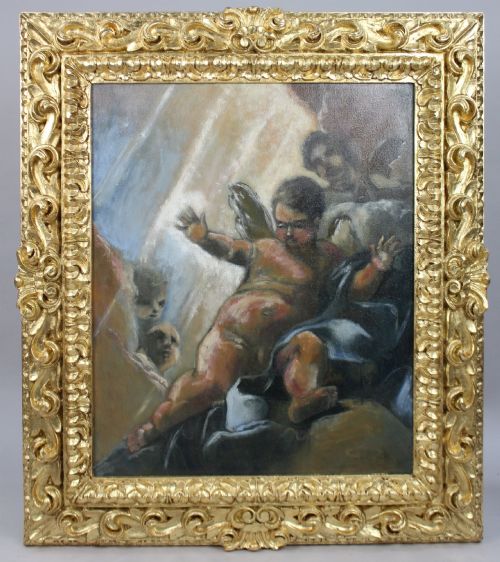
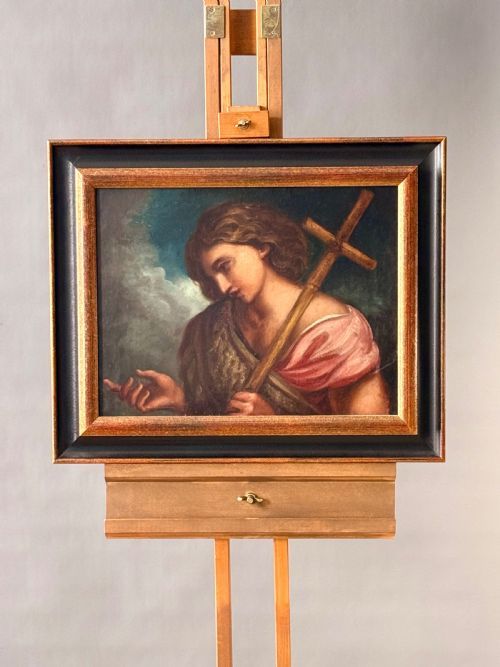
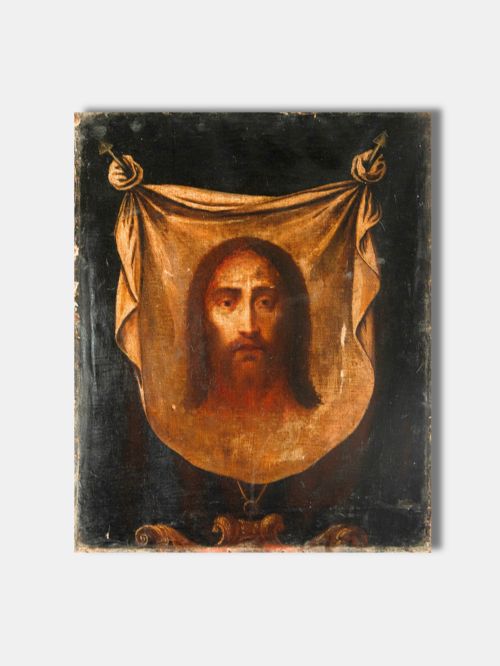
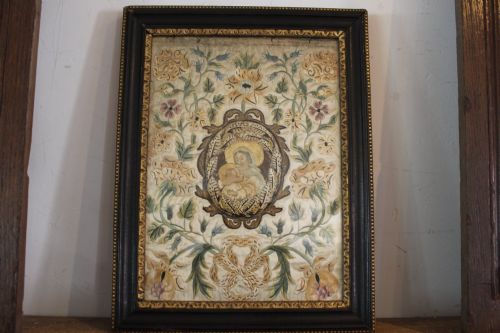
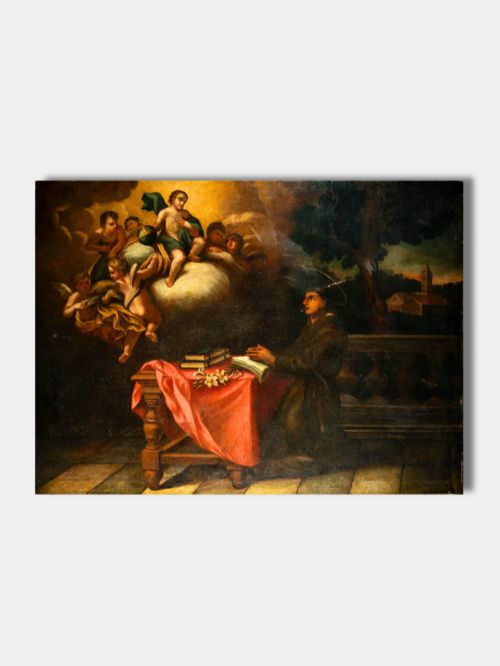
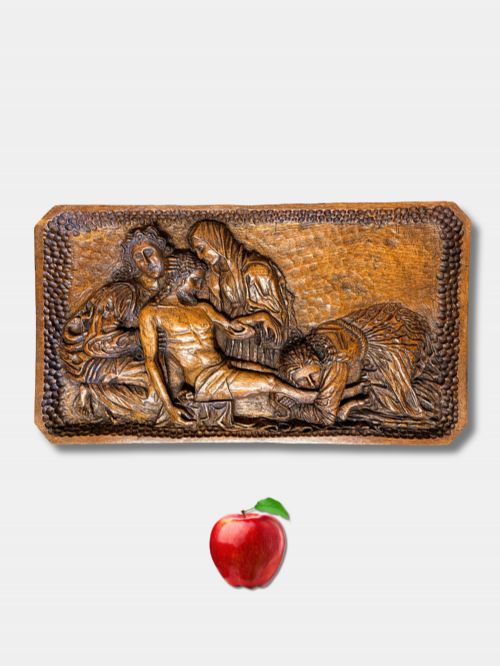
Baroque religious wall art spans oil paintings on canvas and wood panels, carved wooden reliefs, and intricate silk embroidery panels from the seventeenth and eighteenth centuries. These pieces originate primarily from Italian, Spanish, French, and Flemish schools, depicting saints, madonnas, and biblical narratives with dramatic intensity.
Materials and construction methods
Painters of this era applied oil pigments onto prepared canvas or solid wood panels, including fruitwood and chestnut, often incorporating rich gilding to enhance the devotional subject matter. Canvas works rely on woven supports primed with gesso, while wood panels provide rigid foundations for detailed brushwork and carving.
Several sheep make quiet appearances as faithful companions in pastoral saint portraits.
Factors determining quality
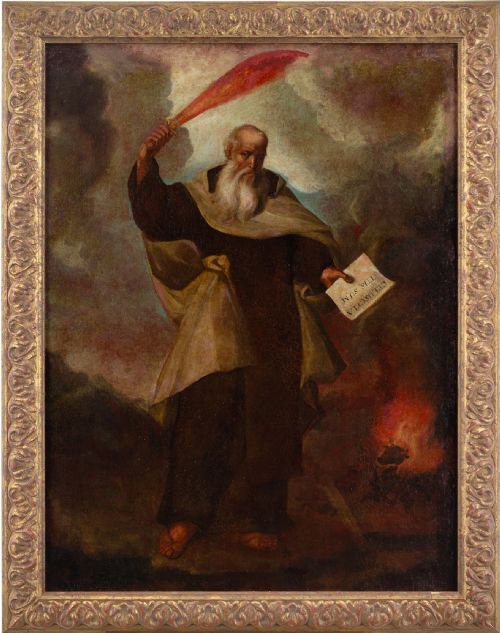
Quality rests upon the handling of light, shadow, and anatomical precision within the painted composition, distinguishing master workshops from regional copyists. Finer pieces demonstrate confident brushwork, expressive psychological depth in the figures, and sophisticated tonal contrasts characteristic of high baroque art.
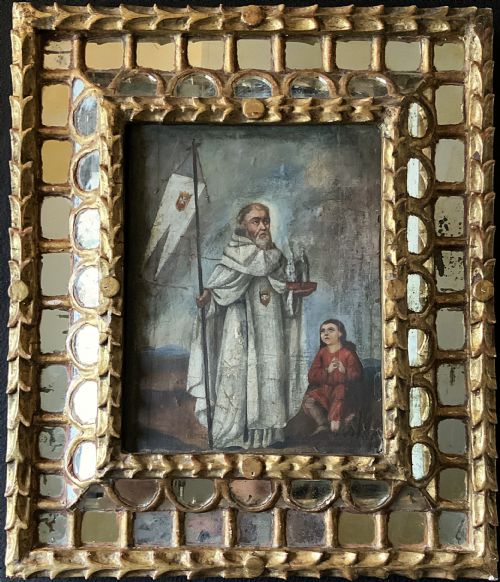
The integrity of the physical support and the retention of original surface finishes heavily influence the standing of an artwork. Carved panels and frames displaying crisp, uncompromised detail and period gilding reflect superior craftsmanship compared to heavily reworked or softened surfaces.
Benedetto Luti·Francesco Solimena·Gaspar de Figueroa·Antonio Tempesta·Orsola Maddalena Caccia·Pompeo Batoni·Bartolomé Murillo
The Baroque Religious Wall Art Glossary
- Giltwood
- Wood that has been coated with a thin layer of gold leaf or powder over a prepared gesso base. This technique was widely utilised on frames and decorative panels to create a luminous, reflective border.
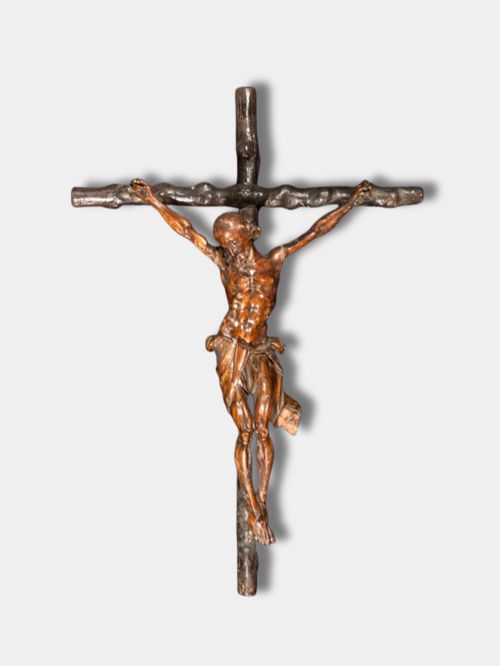
- Corpus Christi
- The physical figure of Christ on the cross. These sculptural representations appear in carved wood and metal across various continental traditions.
- Ex-Voto
- A votive offering presented to a saint or divinity in fulfilment of a vow. These paintings and plaques record expressions of gratitude for miraculous interventions.
- Old Master
- A term applied to European painters of skill working before the nineteenth century. It encompasses both prominent masters and their documented studio followers.
- Chiaroscuro
- The treatment of light and shade in drawing and painting. This method creates strong contrasts to model three-dimensional forms and heighten dramatic tension.
Baroque Religious Wall Art: Frequently Asked Questions
What subjects appear in these paintings?
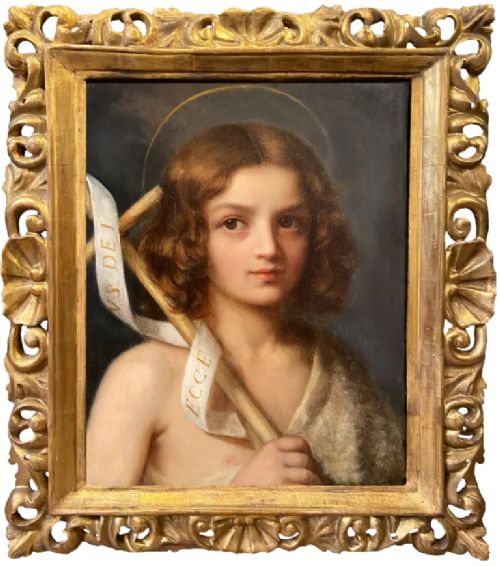
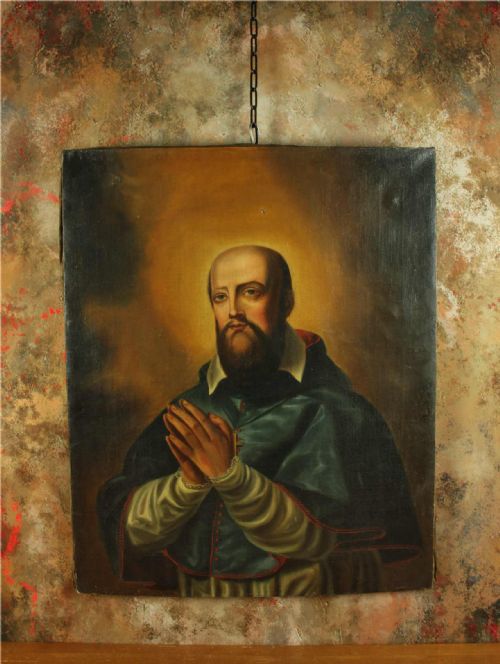
These artworks depict biblical scenes, the Virgin Mary with child, and various saints such as Saint John the Baptist, Saint Francis, and Saint Jerome. The compositions draw heavily from Catholic iconography and devotional narratives.
Artists focused on emotional intensity, capturing pivotal spiritual moments like martyrdoms, visions, and holy families with theatrical staging.
How should I hang heavy wooden panels?
Heavy carved oak and chestnut panels require secure wall anchorings suited to the specific masonry or studwork of your room. Professional picture hangers should assess the weight distribution across the panel framing.
Ensure the mounting hardware engages directly with structural supports to safely bear the substantial weight of centuries-old timber and dense oil paint.
How do I care for antique oil paintings?
Keep these canvases away from direct sunlight, high humidity, and rapid temperature fluctuations that cause cracking in the oil paint and canvas. Dust them gently with a soft, dry brush without applying pressure.
Avoid using water, chemical cleaners, or commercial solvents on the painted surface or the giltwood frame, as these substances damage historic finishes.
How can I tell seventeenth and eighteenth-century works apart?
Seventeenth-century pieces typically exhibit intense chiaroscuro, dramatic movement, and robust tenebrism influenced by Caravaggesque traditions. The brushwork is often vigorous and weighty.
Eighteenth-century compositions frequently introduce lighter palettes, softer tonal gradations, and more delicate decorative framing elements aligned with rococo sensibilities.