
Oak Wood Carving
These oak wood carving pieces bring historic texture into a room, offering robust construction and deeply worked relief panels that ground a modern interior.
Oak Wood Carving
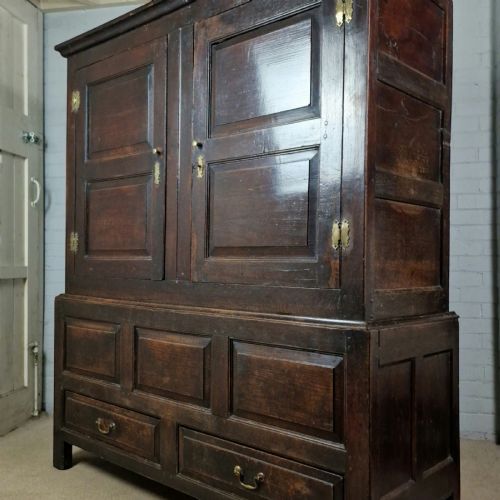
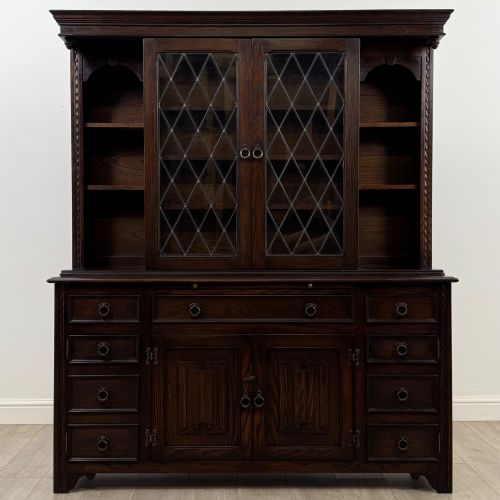
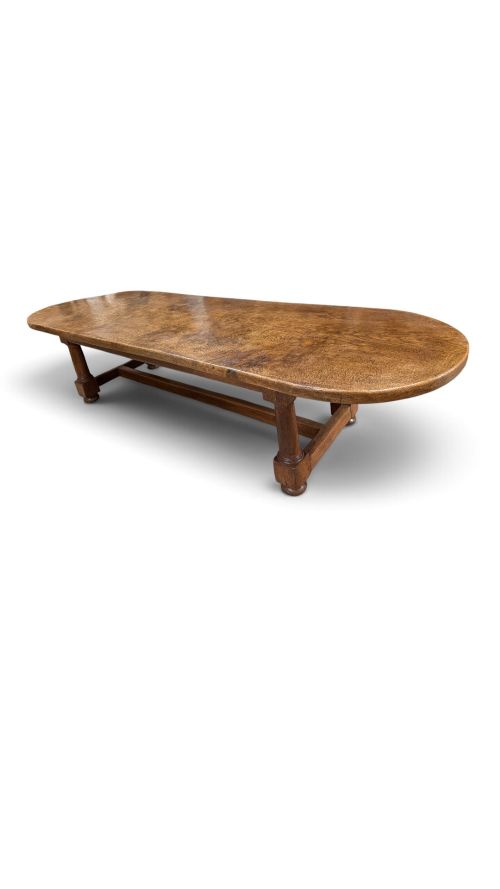
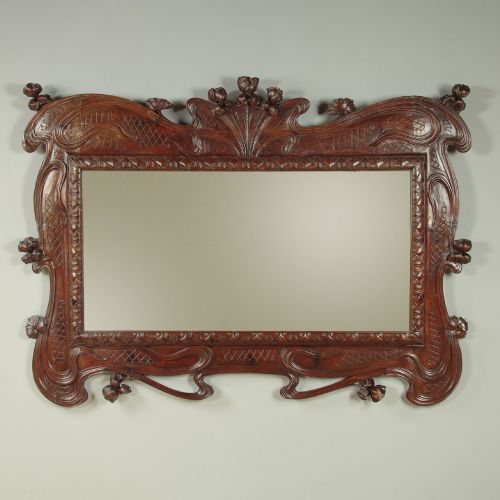
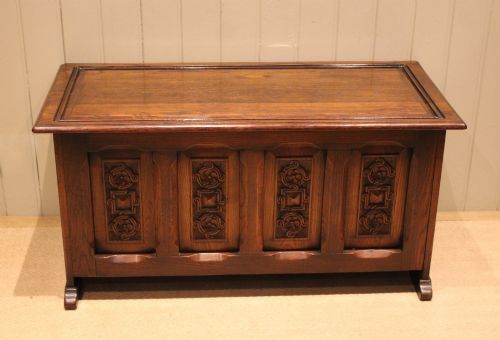
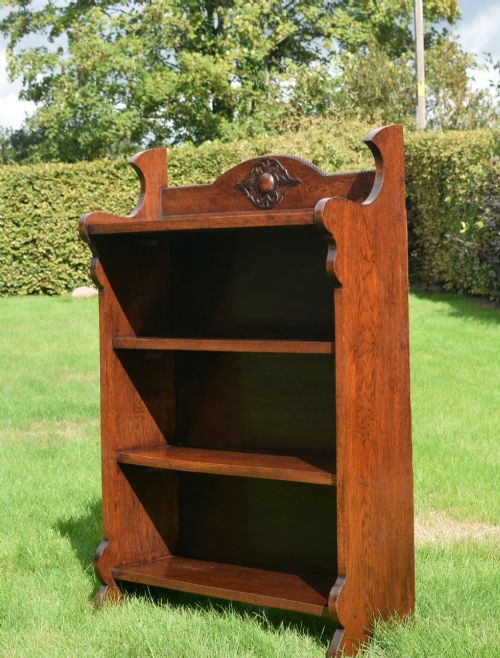
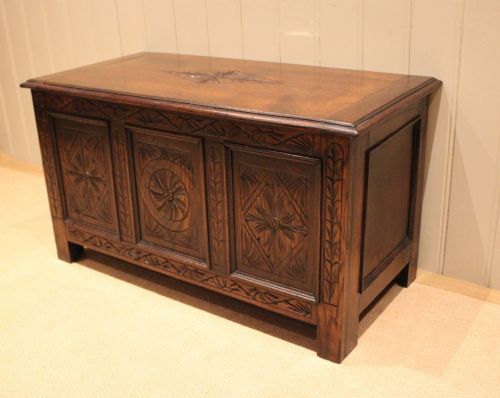
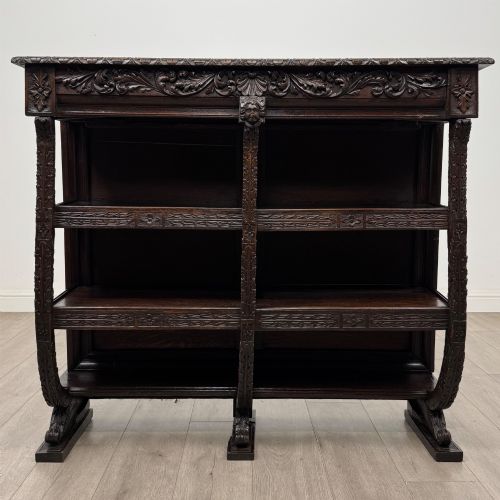
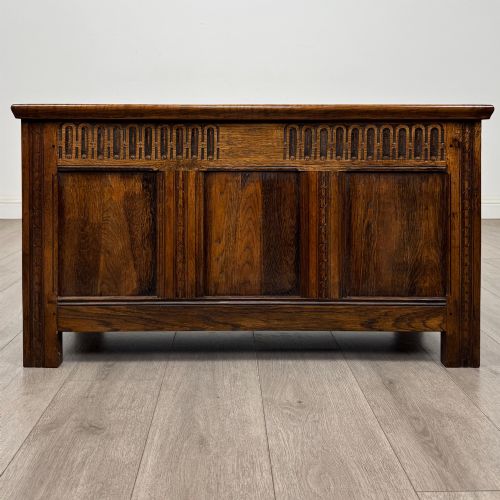
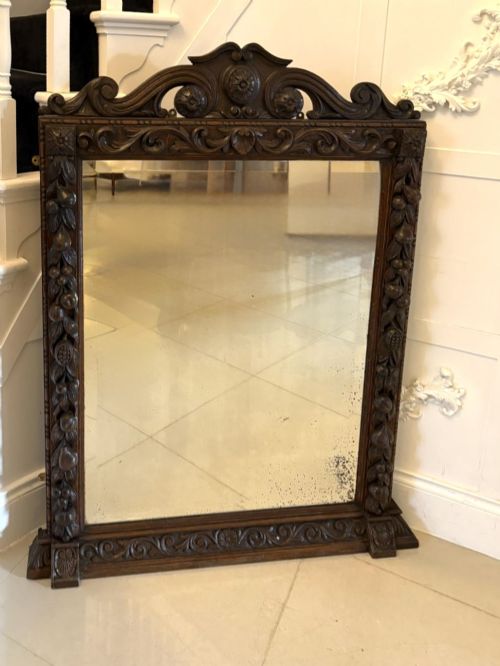
When you search for oak wood carving, you encounter a substantial category spanning functional furniture, wall panels, and decorative mirrors. The items on this page lean heavily towards nineteenth-century revivals and earlier examples, ranging from sturdy storage coffers to intricate bookcases.
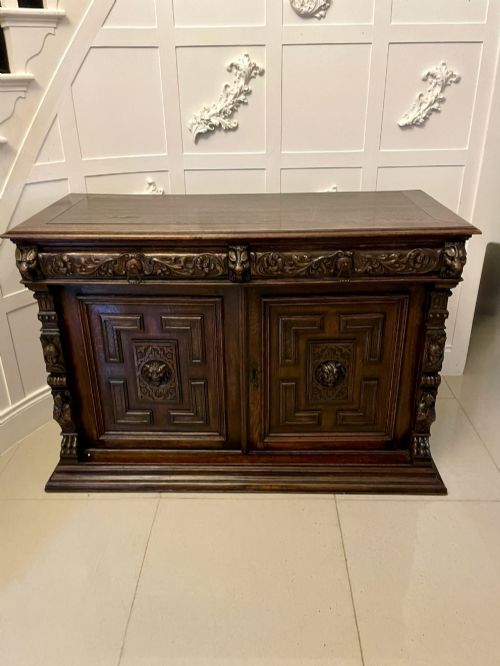
You are most likely to meet nineteenth-century interpretations alongside sturdy Edwardian sideboards and seventeenth-century fragments. These objects frequently utilise revival styles such as Gothic, Jacobean, and Tudor, bringing centuries-old motifs into domestic settings.
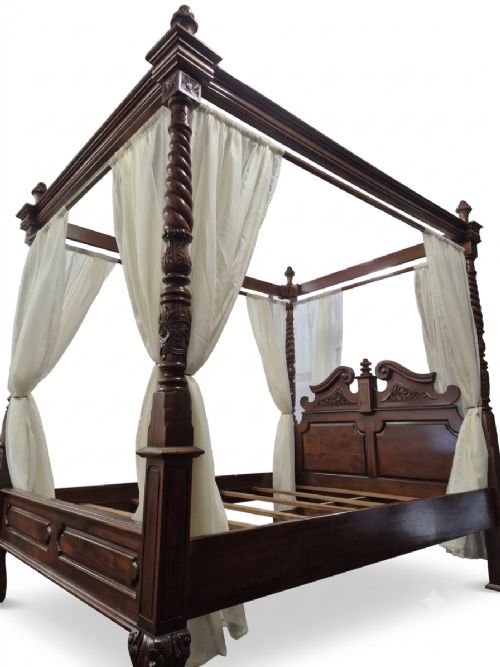
The assortment includes larger architectural items like sideboards and four-poster beds alongside smaller items such as wall-hanging cupboards and book stands. Each piece displays the distinct grain and density characteristic of seasoned timber worked by hand.
Judging quality in carved oak
Depth and crispness of the chisel work distinguish superior examples from plain production items. The finest pieces display sharp undercut details and confident symmetry, whereas lower grades show shallow, mechanical stamping.
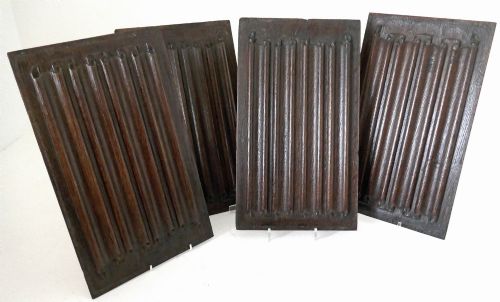
Proportion and structural integrity separate exceptional survivals from heavily altered items. Original patination and intact linenfold panels indicate careful preservation, while mismatched timber or replacement hardware alter the character of the object.
Materials documented across the inventory include solid oak, elm, beech, brass, iron, glass, and fabric.
The Oak Wood Carving Glossary
- Linenfold
- A style of relief carving used to decorate wooden panels, imitating folded parchment or linen. It is frequently found on sixteenth-century coffers and Edwardian bureaus.
- Coffer
- A large chest used historically for storage, often heavily carved on the front panels. Early examples feature robust pegged joinery and hinged lids.
- Gothic Revival
- An architectural and decorative style drawing inspiration from medieval design. Pieces often incorporate pointed arches and tracery motifs.
- Bobbin turned
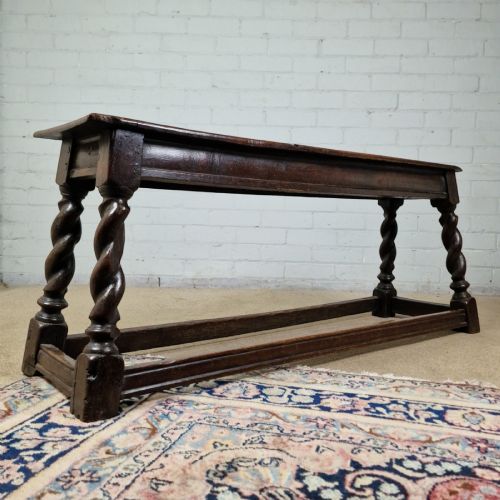
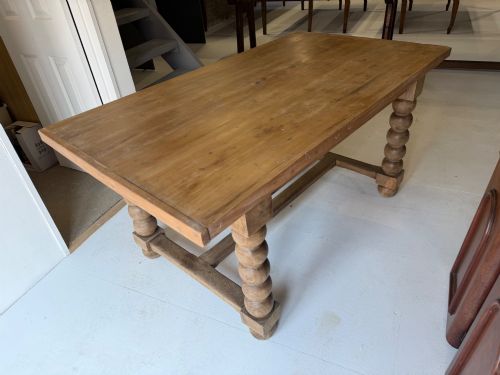
- A form of furniture leg or stretcher shaped on a lathe to resemble a string of bobbins or spools. This technique appears on seventeenth and nineteenth-century seating and tables.
Oak Wood Carving: Frequently Asked Questions
How do I care for carved oak furniture?
Feed the timber occasionally with a traditional beeswax polish to prevent the grain from drying out. Keep pieces away from direct heat sources and strong sunlight to avoid splitting.
Dust the deep recesses of the carvings regularly with a soft bristle brush. Avoid modern silicone sprays, which build up and dull the historic finish.
Are these pieces genuinely seventeenth century?
Many items date from later nineteenth-century revival periods, utilising styles inspired by earlier eras. Genuine seventeenth-century pieces display specific tool marks and natural timber shrinkage consistent with age.
Examine the interior construction and fixings to determine the actual period of manufacture. Dealers typically specify dates ranging from the sixteen-hundreds up to the twentieth century.
What rooms suit an oak coffer?
A coffer serves well as a blanket box at the foot of a bed or as a coffee table in a living room. Its flat top provides practical surface area while hiding storage inside.
The robust construction allows these chests to withstand heavy everyday use in hallways or dining spaces. They anchor contemporary rooms by introducing historical warmth.
What is linenfold carving?
Linenfold is a decorative technique where wood is carved to resemble folds of fabric or parchment. It originated in Northern Europe during the late fifteenth century.
You will find this motif on panelled cupboards, chests, and bureau fronts across various centuries. It adds texture and architectural interest to flat wooden surfaces.