
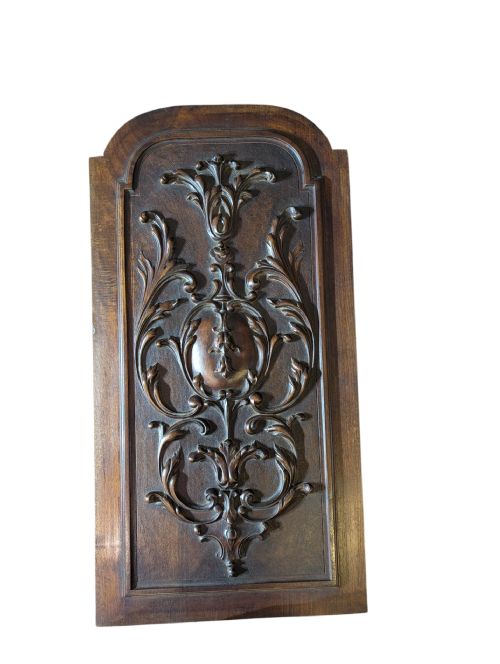
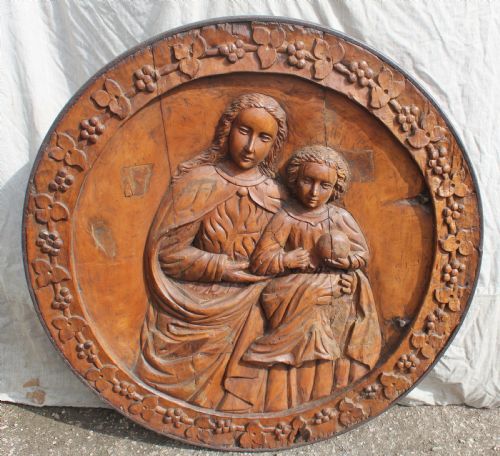
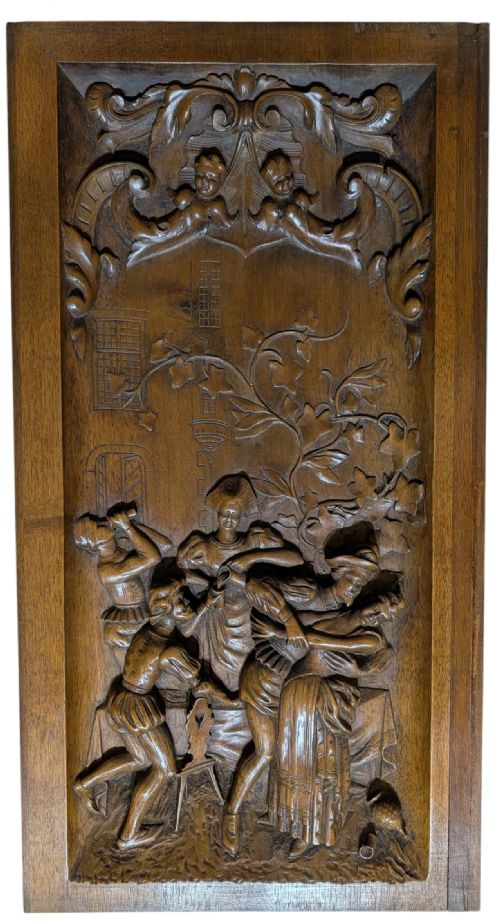


Brown Oak Wall Plaque
These brown oak wall plaque examples span centuries of timber craftsmanship, offering rich historic character and carved detail for any interior.
Brown Oak Wall Plaque
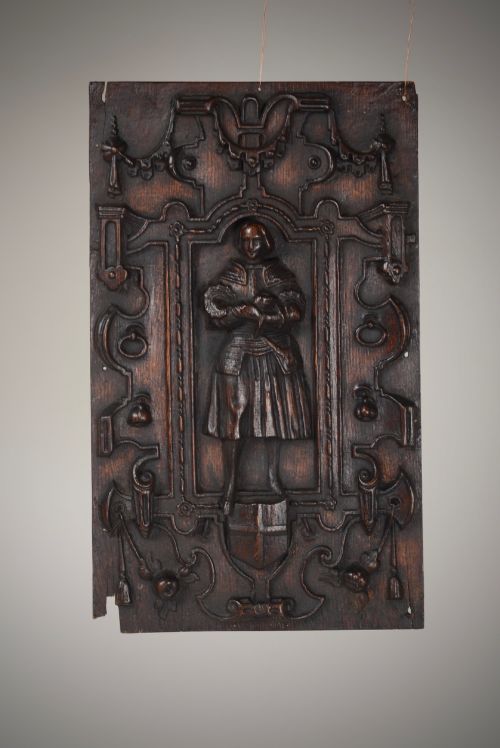
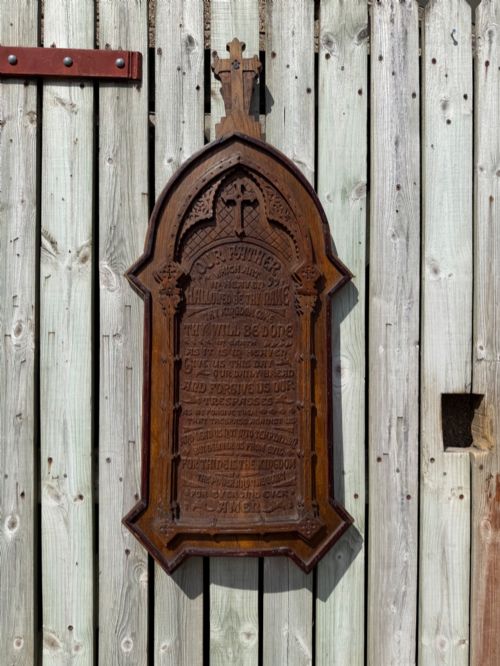
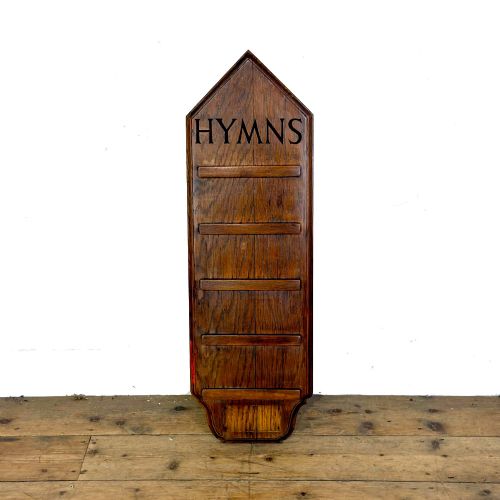
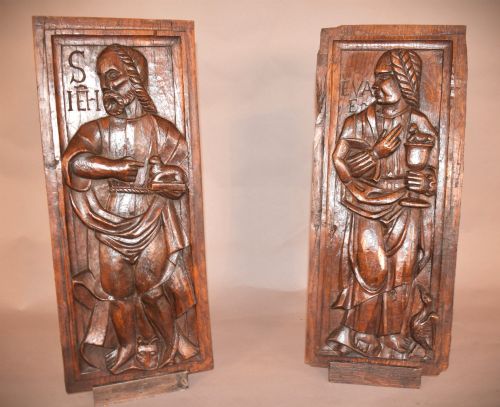
A brown oak wall plaque encompasses architectural timber fragments, carved relief panels, and heraldic shields designed for interior display. Buyers searching for a brown oak wall plaque encounter works ranging from sixteenth-century ecclesiastical carvings to nineteenth-century Gothic Revival pieces.
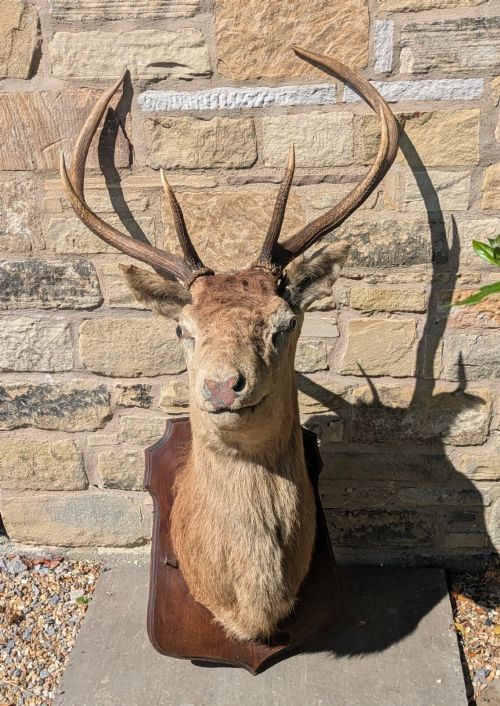
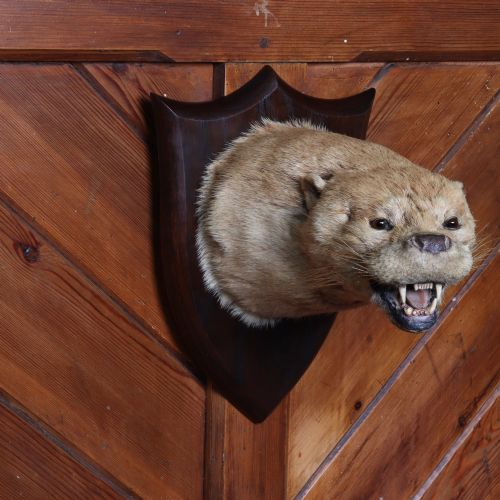
The selection includes architectural salvage, figurative panels depicting historical or religious subjects, and taxidermy mounts set upon carved wooden shields. Most items originate from European workshops utilising seasoned timber to create decorative wall furnishings.
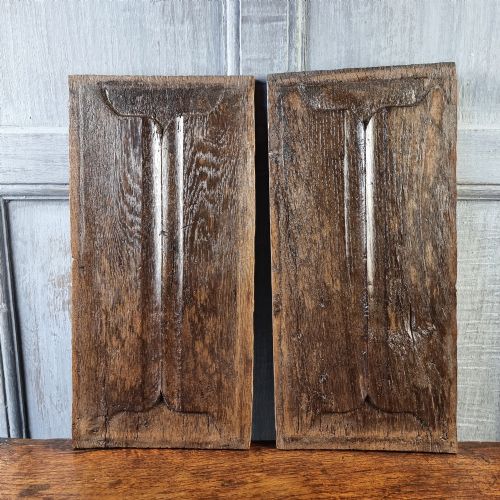
The form bridges structural woodwork and decorative art, serving as focal points within panelled rooms or galleries. Each piece reflects the aesthetic priorities of its period, from Tudor linenfold motifs to elaborate Baroque scrollwork.
Materials and carving techniques
Craftsmen worked primarily in oak, carving deep reliefs and pierced designs directly into seasoned timber panels. Additional materials such as fruitwood, metal, natural hide, glass, and antlers appear in composite pieces and taxidermy mounts.
Techniques range from primitive hand-chiselling to sophisticated Baroque pierced carving, utilising gouges and chisels to achieve three-dimensional depth. Surfaces often retain original patination, tool marks, and occasional traces of early paint.
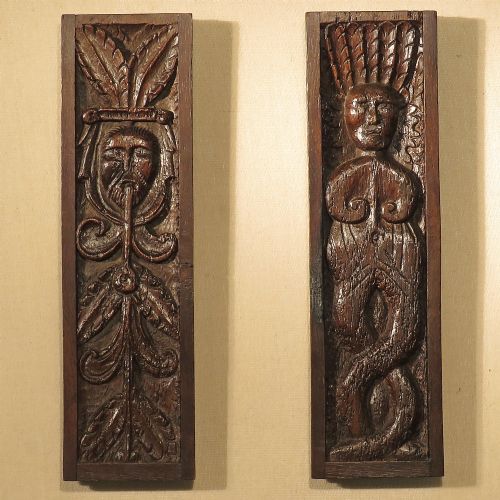
A sixteenth-century craftsman immortalised a writhing serpent in oak, ensuring cold-blooded drama remains forever pinned to the wall.
Judgement of quality in carved plaques
Quality rests upon the crispness of the hand-carving and the depth of the relief work, where confident tool execution defines superior examples. The integrity of the timber, the subtlety of the natural grain, and the preservation of original surface patination elevate a piece.
Compositional balance and anatomical accuracy in figurative or heraldic subjects distinguish master workshops from utilitarian production. Integration between the carved wooden support and secondary elements, such as mounted antlers or metal appliques, determines the overall refinement.
Peter Spicer & Sons·P. Spicer & Sons of Royal Leamington Spa
The Brown Oak Wall Plaque Glossary
- Linenfold
- A style of wood carving representing vertical folds of fabric, popular on sixteenth-century panels. This motif mimics folded linen placed flat against the timber surface.
- Acanthus
- A decorative leaf ornamentation derived from Mediterranean flora, widely utilised in Baroque and classical carving. The motif curls gracefully to frame central subjects or corners.
- Heraldic shield
- A flat display surface shaped like a knightly shield, often bearing family crests, coats of arms, or armorial plaques. These items served to denote lineage and status.
- Relief carving
- A sculptural technique where figures or patterns project from a flat background surface. High relief emerges significantly from the plane, creating strong shadow play.
- Architectural salvage
- Elements rescued from dismantled buildings, including wall panels, cornices, and structural fragments. These salvaged pieces preserve historical building techniques and decorative styles.
Brown Oak Wall Plaque: Frequently Asked Questions
How do I date an old carved panel?
Dating relies upon stylistic markers, tool marks, and the method of timber preparation visible on the reverse. Earlier periods display hand-sawn board edges and primitive joining techniques.
Comparative analysis with documented architectural fragments helps narrow the origin decade. Wood shrinkage and natural oxidation patterns further corroborate the age of the oak.
Were these panels always used on walls?
Many examples originated as structural parts of furniture, church screens, or wall panelling before being removed as architectural salvage. Later pieces were intentionally manufactured as independent decorative items for display.
Conversion from functional joinery to standalone wall hanging occurred across various centuries. Original mounting points often indicate whether a piece was designed for portable display or fixed installation.
How should I hang a heavy wooden plaque?
Heavy carved timber requires secure wall fixings distributed evenly across the structural frame or integral hanging brackets. One must anchor directly into wall studs or utilise appropriate masonry fixings.
Avoid suspending weight from surface-mounted decorative mouldings or delicate carved projections. Professional installation ensures the safety of both the historic woodwork and the wall.
What causes the rich brown colour in antique oak?
Centuries of exposure to light, atmospheric oxidation, and natural tannins within the heartwood produce the deep brown colour. Historic application of wax, oil, and smoke accumulation also deepens the surface tone.
This patination develops organically over long periods of time through handling and environmental interaction. Modern finishes rarely replicate the subtle tonal variations found in centuries-old timber.