

Seventeenth Century Oak Carving
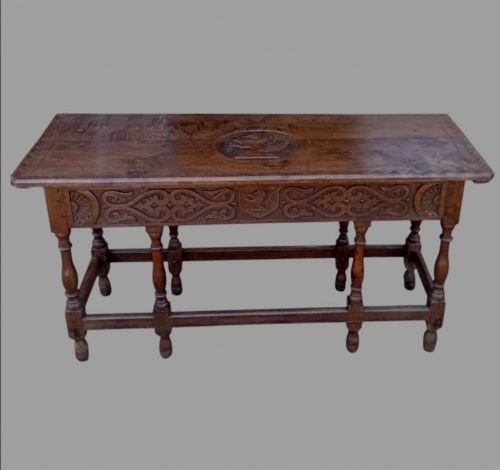
Seventeenth century oak carving brings tangible history into a room through heavy timber panels and bold, hand-chiselled geometric motifs.
Seventeenth Century Oak Carving
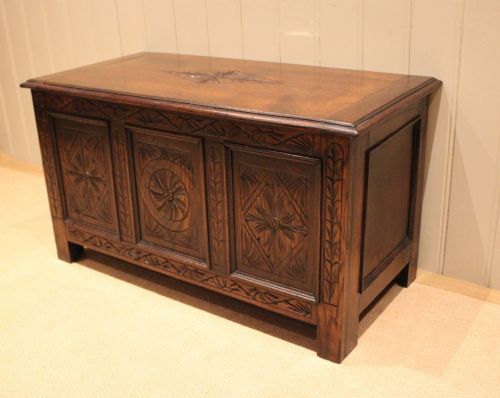
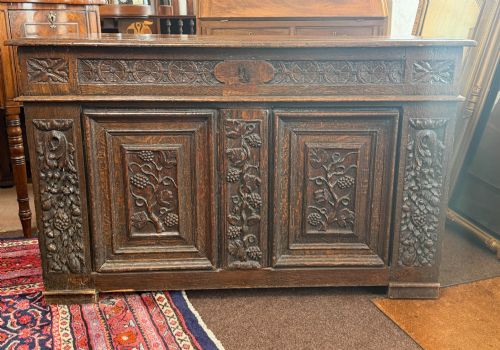
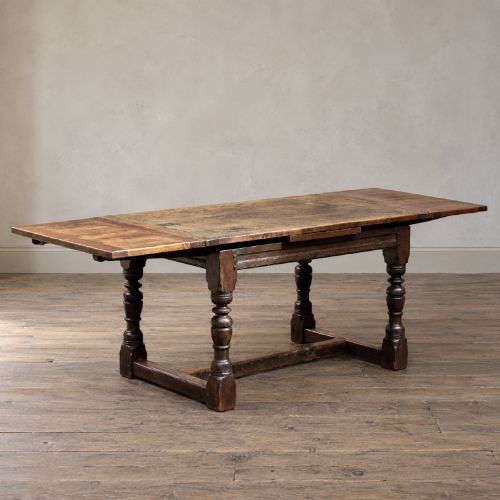
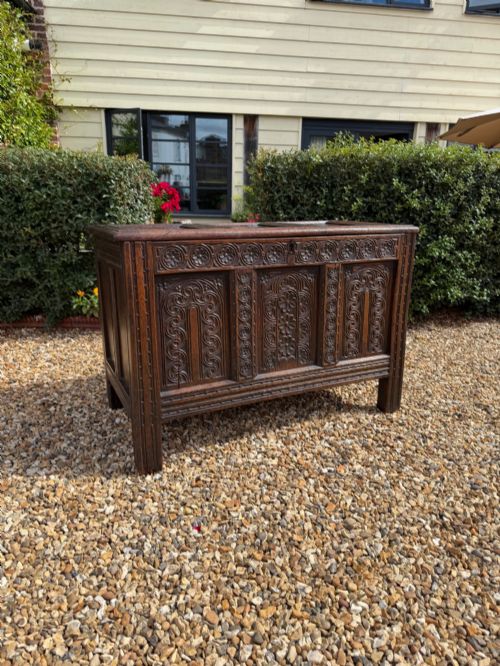
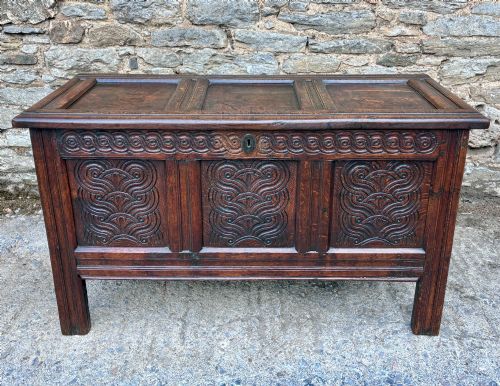
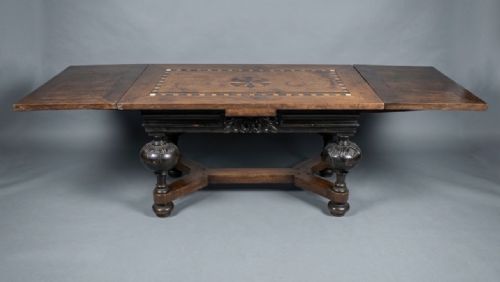
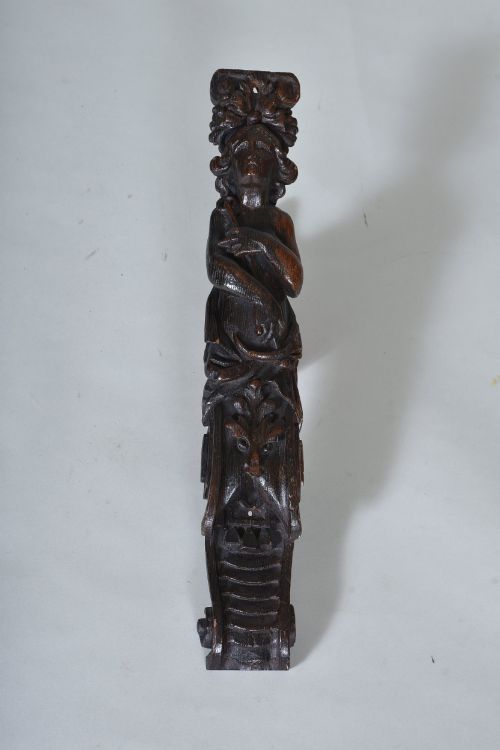
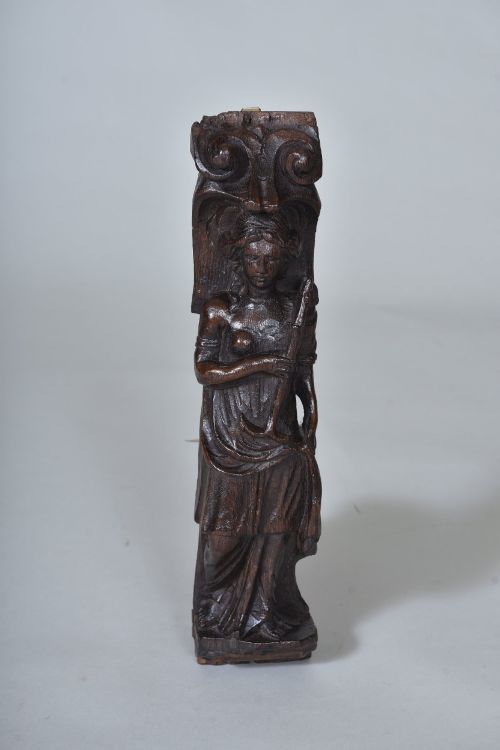
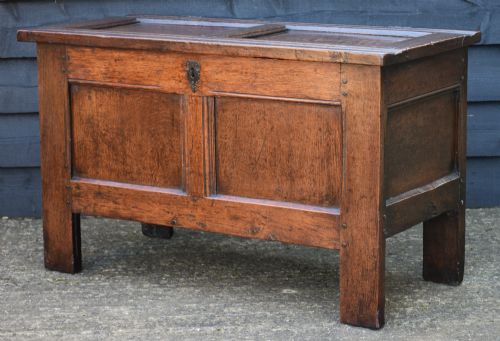
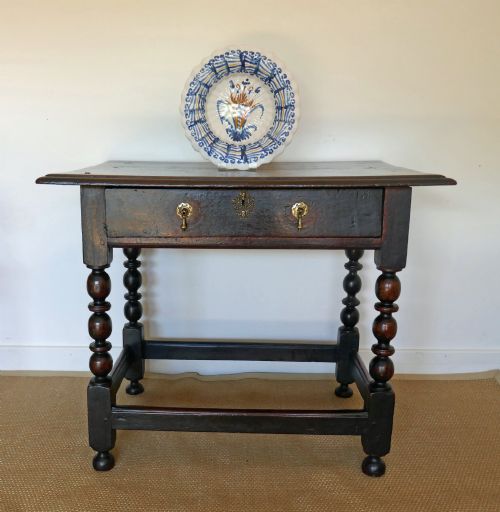
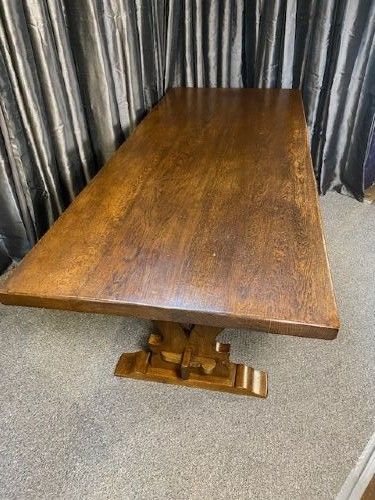
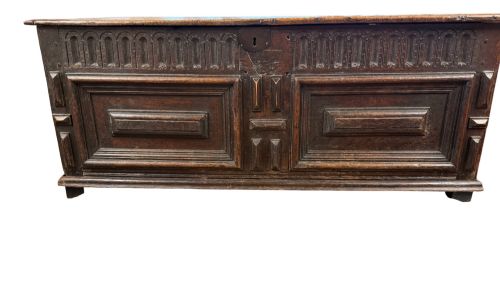
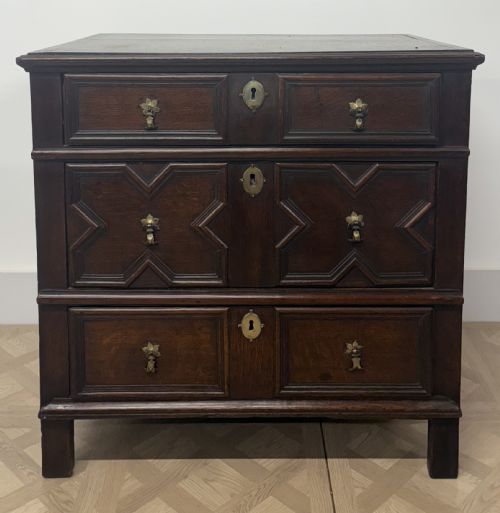
When you search for seventeenth century oak carving, you encounter sturdy domestic furniture and architectural fragments fashioned from English, Scottish, and Welsh timber. The most common forms on this page include coffers, chests of drawers, refectory dining tables, and wainscot armchairs originating from the seventeenth century and later revival periods.
Makers of this era built utilitarian pieces designed for storage and daily living, employing solid oak frameworks strengthened by pegged joints and panelled construction. Alongside authentic seventeenth-century examples, the listings contain pieces from the nineteenth and early twentieth centuries produced in the Jacobean revival style.
Regional variations emerge across the selection, with specific forms tied to locations such as Lancashire, Cheshire, Yorkshire, and the Gower Peninsula. These regional items range from storage chests with carved arcading to high-backed armchairs displaying heraldic crests and velvet upholstery.
How they were made
Carpenters constructed these items primarily from solid oak, supplementing the heavy timber with secondary elements of brass, iron, and wrought iron for hinges, pulls, and structural reinforcement. Wood inlay appears on select items, adding contrasting tones and geometric patterns to flat panel surfaces.
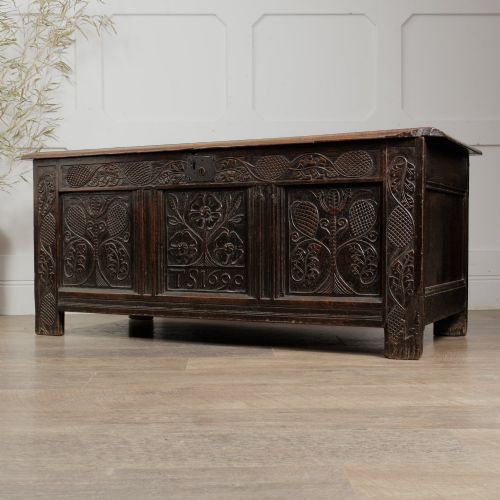
Makers utilised joined construction techniques, securing frames with wooden pegs rather than modern fixings. Surfaces received extensive hand-carving using gouges and chisels to produce interlocking guilloche patterns, scrollwork, and foliate motifs directly into the dense grain of the oak.
Clan chairs from Scotland bring family loyalty to the dining room by incorporating carved armorial crests and original velvet upholstery.
What varies in quality
Quality rests in the crispness of the hand-chiselled decoration and the depth of the original surface patina accumulated over centuries of use. Pieces retaining their untouched early finish and original hardware stand apart from later replacements or heavily restored surfaces.
Proportion and structural integrity define the higher tiers of the range, visible in balanced panel arrangements and tight joints that withstand centuries of shifting timber. Lesser examples show the effects of aggressive cleaning or extensive timber replacement that obscures the integrity of the original construction.
The Seventeenth Century Oak Carving Glossary
- Coffer
- A large wooden chest used historically for storing valuables, textiles, or documents. These storage boxes often feature heavily carved front panels and sturdy boarded lids.
- Wainscot chair
- A solid wooden armchair constructed with panelled backs and substantial armrests. They represent important status seating from the period before upholstered furniture became common.
- Refectory table
- A long dining table supported by thick legs connected by low stretchers. Originally built for communal dining halls, they utilise draw leaf mechanisms or fixed tops.
- Draw leaf table
- A dining table with extension leaves stored beneath the main top that pull out to lengthen the surface. This clever mechanism allows the table surface to expand when needed.
- Patina
- The lustrous surface sheen developed on wood over long periods through handling, waxing, and ageing. A deep patina indicates decades of consistent care and natural wear.
Seventeenth Century Oak Carving: Frequently Asked Questions
How do I care for antique oak furniture?
Maintain a stable indoor environment away from direct heat sources and strong sunlight to prevent the timber from drying and splitting. Apply a traditional beeswax polish occasionally to nourish the grain and preserve the surface sheen.
Avoid liquid cleaners and silicone sprays, which can penetrate open oak pores and damage the historic finish. Gentle dusting with a dry, soft cloth remains the best daily maintenance for these carved surfaces.
Where were these carved pieces made?
Workshops across England, Scotland, and Wales produced these items, with regional centres developing distinct decorative vocabulary. Pieces from Lancashire and Yorkshire often display specific regional carving patterns on their wainscot chair backs.
Other examples originate from continental Europe, including Dutch workshops that utilised similar joined oak construction methods and wood inlay techniques. Local timber availability dictated whether makers used English oak or regional variants.
What is a wainscot chair?
A wainscot chair is a heavy wooden armchair constructed using traditional joinery and panelled backboards. They served as important seats of authority in seventeenth-century households.
These chairs feature solid wooden seats, sturdy armrests, and decorative carvings across the crest rail and back panels. Their construction mirrors the panelled wall linings known as wainscoting from the same period.
How do I distinguish seventeenth-century pieces from later revivals?
Examine the construction methods, tool marks, and timber shrinkage patterns visible on the underside and interior of the piece. Seventeenth-century makers used hand tools that left distinct irregularities, and the oak shows natural movement and age.
Revival pieces from later periods often display machine-cut elements, standardised fixings, or timber that lacks the dense patination of genuine early items. Comparing the construction details against dated examples helps clarify the actual period of manufacture.