
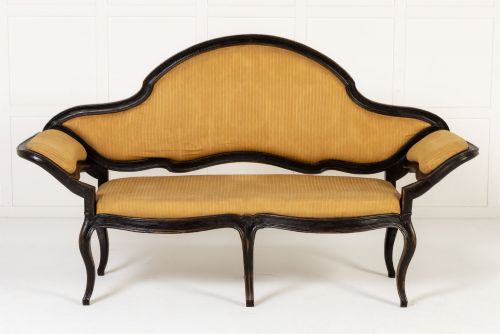


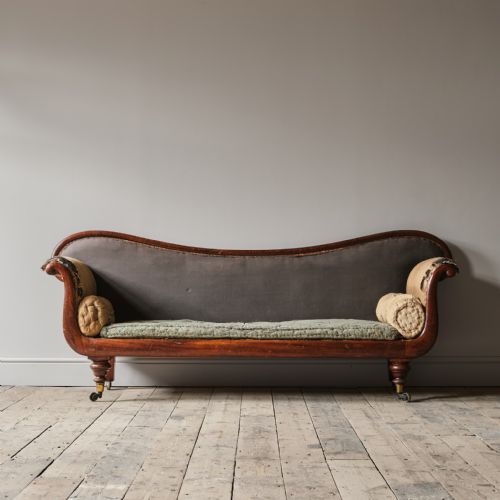


Serpentine Back Couch
These serpentine back couch examples combine fluid lines with generous proportions, offering timeless comfort and traditional seating for the home.
Serpentine Back Couch
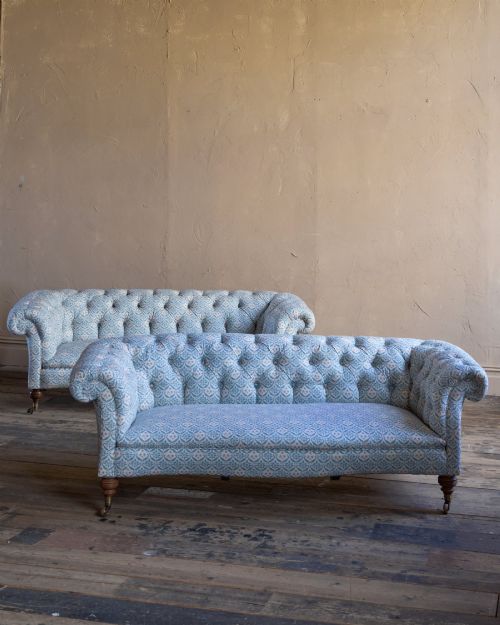
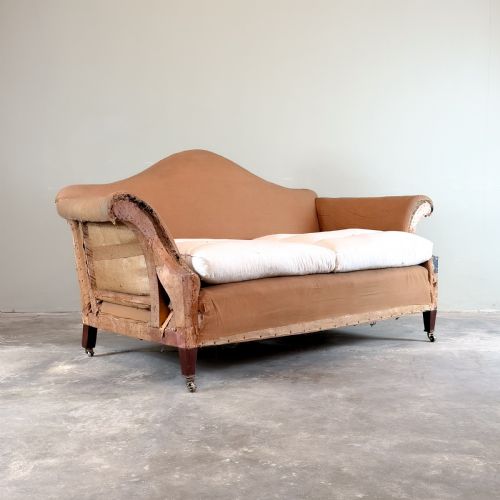
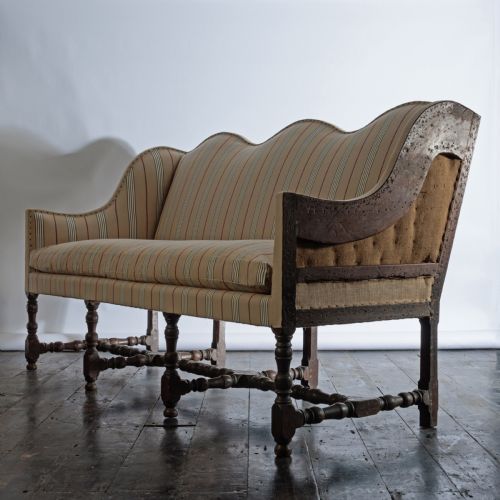
A serpentine back couch brings together undulating upholstered outlines and substantial timber frames across several historic eras. Buyers searching for a serpentine back couch encounter examples ranging from seventeenth-century silhouettes to Edwardian interpretations and mid-twentieth-century revivals.
The selection on this page relies heavily on nineteenth-century craftsmanship, alongside eighteenth-century Georgian influences and Edwardian variations. Frames often adopt camel back shapes, settee formats, or large country house proportions designed for grand reception rooms.
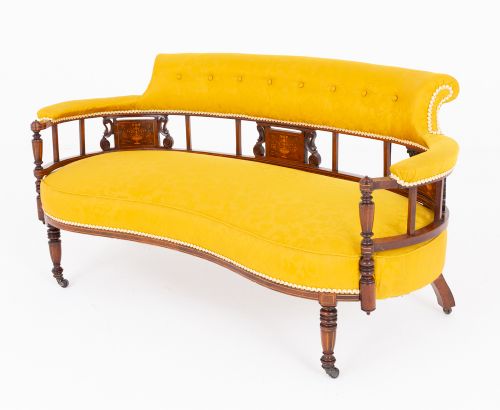
Stylistic expressions span simple mahogany structures to elaborate Italian rococo, Hepplewhite revivals, and Chinese Chippendale details. These seating items function as focal points in traditional interiors, combining decorative woodwork with deep upholstery.
Materials and Construction
Makers constructed these frames using dense hardwoods such as mahogany, walnut, rosewood, and general timber, often exposing polished show-wood along the rails and arms. Structural integrity depended on sturdy joinery, while traditional upholstery methods utilised cotton, jute, and horsehair stuffing beneath outer coverings.
Outer textiles vary from hand-dyed brown leather and rich velvet to plain cotton fabrics. Details such as brass hardware, turned barley twist supports, and button upholstery provided both structural reinforcement and decorative finish.
Listings feature mahogany, walnut, and rosewood alongside velvet, leather, and cotton upholstery across multiple historic centuries.
Assessing Quality and Execution
The distinction between standard production and superior work rests on the fluidity of the carved serpentine line and the proportion of the camel back curve. Finer pieces demonstrate meticulous harmony between the exposed timber frame and the sweeping upholstered contours.
Material selection and decorative enrichment also define the tier of a piece, separating simple country house seating from high-style Hepplewhite or Chippendale revival iterations. The crispness of wood carving and the integrity of traditional stuffing techniques mark the upper echelon of these items.
Howard and Sons
The Serpentine Back Couch Glossary
- Camel back
- A sofa or settee back featuring a distinct undulating hump or central rise that slopes gracefully down to the arms. This contour mimics natural organic curves.
- Serpentine front
- A furniture front characterised by a convex central section flanked by two concave curves, creating an undulating S-shape. It requires skilled carpentry to execute.
- Show-wood
- Portions of the timber frame intentionally left visible around the upholstery to display the grain, carving, or polished finish of the wood. Mahogany and walnut are frequently utilised for this purpose.
- Barley twist
- A decorative turning style resembling a twisted rope, commonly found on the legs and structural supports of seventeenth- and nineteenth-century seating. This turned detail adds vertical visual interest.
Serpentine Back Couch: Frequently Asked Questions
How do I identify a nineteenth-century model?
Nineteenth-century examples often display revival styles such as Hepplewhite or Chippendale, utilising dense mahogany or walnut frames. Look for traditional joinery and classic upholstery methods hidden beneath the fabric.
Many of these pieces reflect the heavy proportions and substantial comfort favoured in Victorian country houses.
Where were these settees originally placed?
These large seating items belonged in drawing rooms, libraries, and grand hallways where hosts entertained guests. Their generous proportions provided ample seating for formal social gatherings.
Today, they serve a similar purpose as statement seating in spacious living areas and traditional interiors.
What textiles cover these historic frames?
Original and replacement coverings include heavy velvet, hand-dyed leather, and sturdy cotton fabrics. Internal padding historically relied on natural materials like jute and cotton stuffing.
These tactile surfaces complement the polished mahogany and walnut woodwork visible along the frame.