



Scandinavian Buffet Cabinet
A scandinavian buffet cabinet offers robust storage rooted in nineteenth century craftsmanship, bringing northern European utility and restrained elegance to a dining room or hallway.
Scandinavian Buffet Cabinet
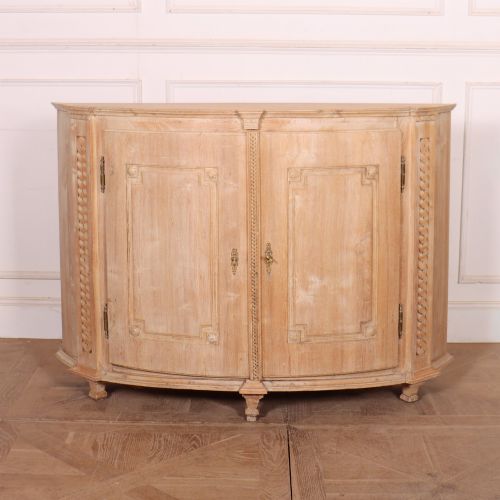
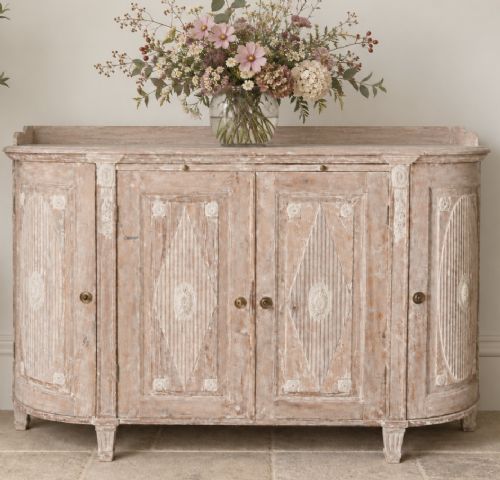
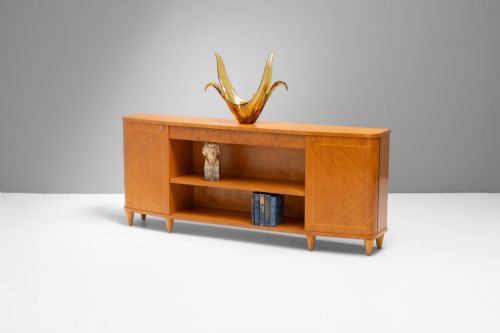
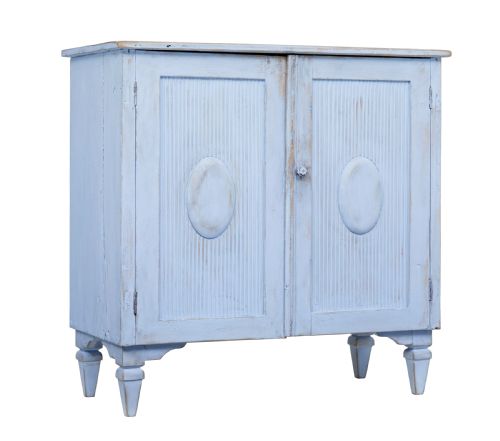
When you search for a scandinavian buffet cabinet, you encounter substantial storage furniture originating primarily from Sweden and spanning the nineteenth century alongside the year 1930. These pieces manifest as cupboards, enfilades, dressers, and sideboards designed to house household linens and provisions.
The dominant forms on this page include tall painted cupboards and long birch buffet sideboards. They reflect regional traditions ranging from country pieces to the refined lines of Swedish Grace and Gustavian design.
How they were made
Cabinetmakers utilised native northern timbers such as pine, birch, and flame birch, often combining them with contrasting satinwood details. Structural hardware relies on iron and brass fittings that secure doors and drawers.
Surfaces frequently display applied paint finishes, including original scraped paint and ragwork techniques. This treatment protects the softwood and hardwood carcasses while establishing the characteristic decorative appearance.
Scandinavian Buffet Cabinet Retail Price Guide 2026
Typical asking prices for scandinavian buffet cabinet among the pieces listed under this phrase on Sellingantiques today, from the lower quarter to the upper quarter. They describe what is for sale here now, not the wider market.
Listings feature nineteen-century pine, birch, and painted softwood alongside Swedish Grace and Gustavian styles.
What varies in quality
Distinction across these cabinets rests upon the preservation of original surface treatments, such as scraped paint or ragwork, compared to later overpainting. Pieces retaining their earliest layers demonstrate greater historic integrity.
The selection of timber grain also dictates distinction, particularly where figured flame birch or carefully chosen pine is employed. Construction joinery and the retention of period brass or iron hardware further separate standard utilitarian examples from finer workshops.
The Scandinavian Buffet Cabinet Glossary
- Enfilade
- A long sideboard or cabinet designed for serving food, typically featuring a sequence of doors along the front. This form emerged in grand dining spaces.
- Ragwork paint
- A decorative paint finish applied by manipulating rags over the surface to create mottled patterns. It imitates richer materials or adds texture to softwood.
- Swedish Grace
- A sophisticated architectural and design movement from the early twentieth century. It balances classical proportions with modern simplicity.
Scandinavian Buffet Cabinet: Frequently Asked Questions
What rooms suit a scandinavian buffet cabinet?
These cabinets fit well in dining rooms and spacious hallways where generous storage for tableware or linens is required. Their long profiles and upright cupboards anchor large wall spaces effectively.
The neutral painted surfaces and pale wood tones blend easily with various interior schemes, from rustic to contemporary spaces. They provide practical surface area alongside concealed internal shelving.
How do I identify a gustavian piece?
Gustavian pieces display neoclassical restraint through straight tapered legs, fluted columns, and pale monochrome paint. Ornamentation remains subtle compared to heavier continental styles.
The aesthetic draws inspiration from French and Italian courts but adapts them to northern proportions with local timbers. Look for symmetry and crisp, carved details beneath the paint.
Are these cabinets made of solid wood?
The construction relies entirely on solid timbers like pine and birch rather than modern manufactured boards. Cabinetmakers built these pieces to withstand heavy domestic use.
Solid wood construction means panels respond to environmental humidity through natural movement over time. This organic behaviour confirms the age and authenticity of nineteenth century furniture.
What is ragwork paint?
Ragwork paint is a decorative surface technique where rags apply or lift wet paint to produce a mottled texture. Artisans used this method to soften plain softwood surfaces.
Surviving examples demonstrate regional skill in creating depth using simple materials. The technique protects the underlying timber while offering a decorative finish.
How do nineteenth century sideboards differ from cupboards?
Sideboards and buffets are generally lower and longer, built specifically for dining room service and storage. Cupboards stand taller with enclosed shelving for household goods and linens.
Both forms utilise regional pine or birch but serve different domestic functions within the home. The listings reflect this division through diverse sideboard and tall cupboard configurations.