





Scalloped Porcelain Dishes
These scalloped porcelain dishes bring together delicate moulded edges and painted surfaces, offering both decorative presence and practical utility on the table.
Scalloped Porcelain Dishes
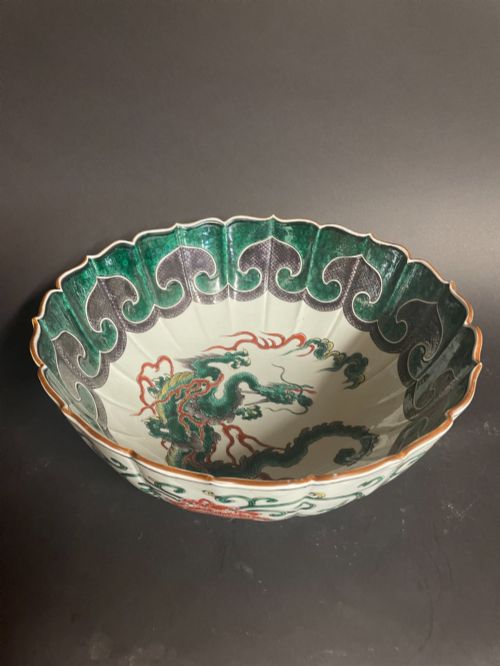
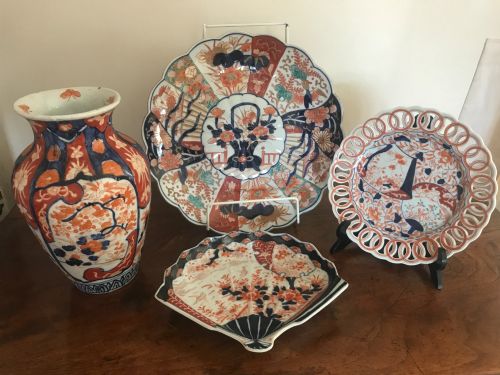
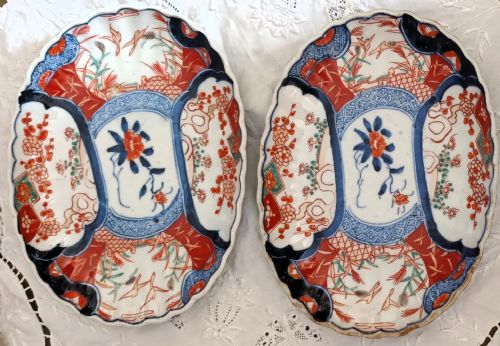
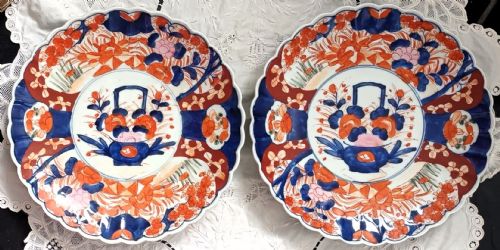
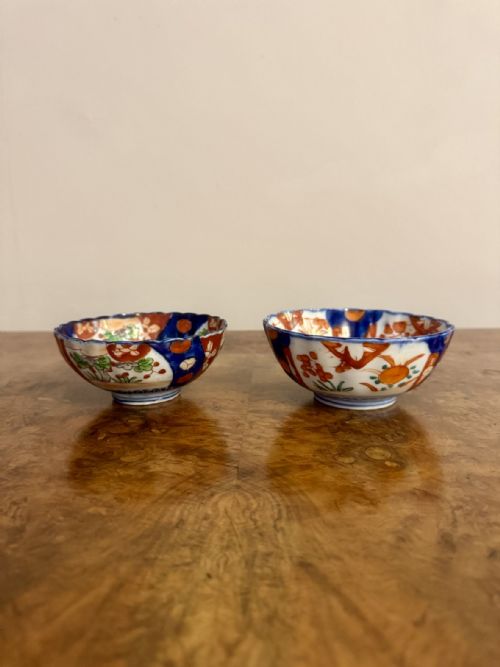
When someone searches for scalloped porcelain dishes, they encounter plates, bowls, chargers, and dessert services shaped with undulating, lobed or crimped rims. These items span periods from the eighteenth century through to the early twentieth century, drawing on Georgian British manufacture and Japanese Meiji period export wares.
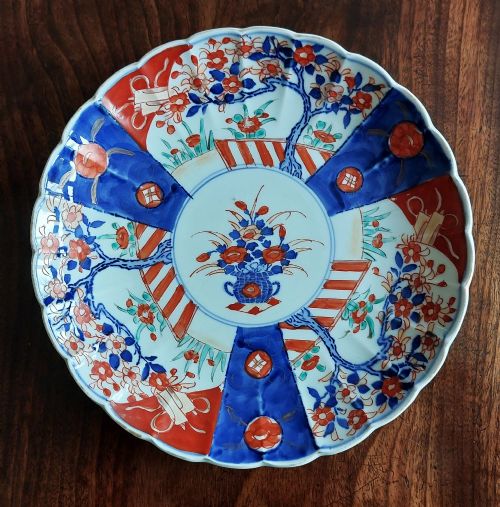
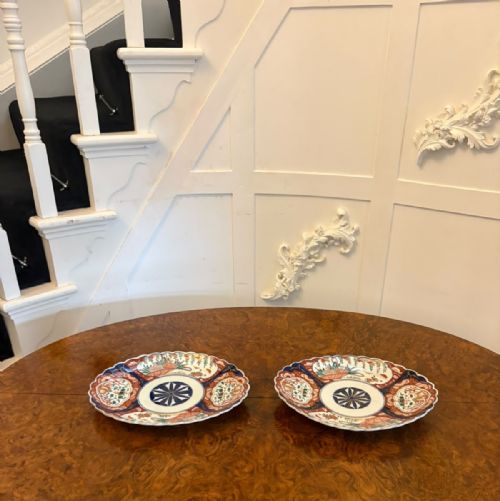
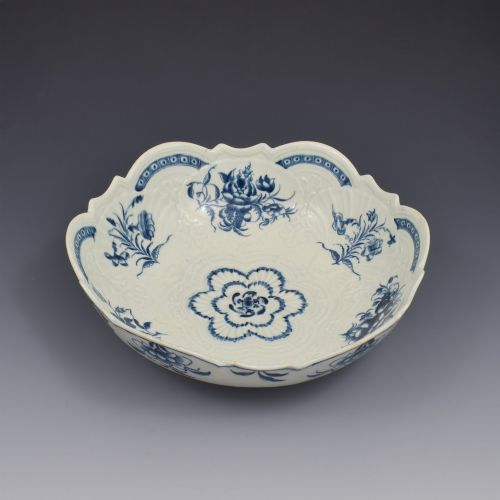
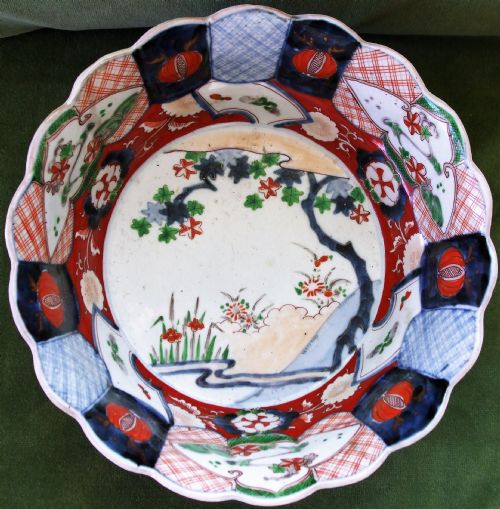
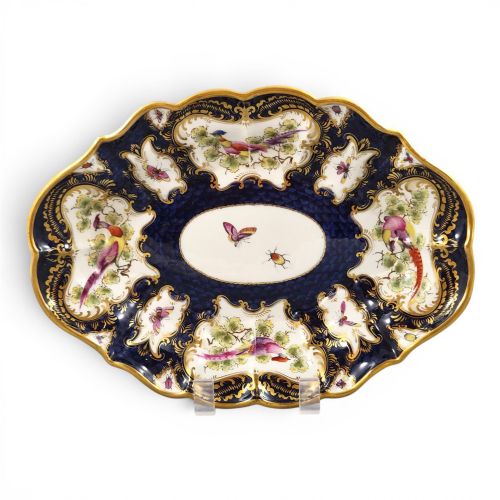
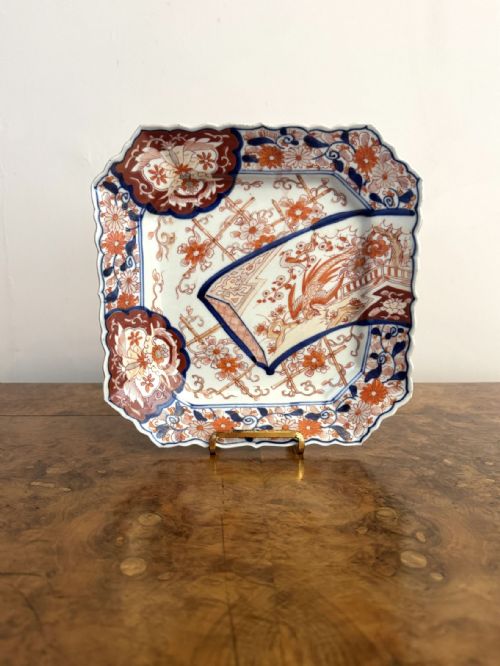
The version most frequently met on this page is the Japanese Imari export plate or bowl, usually dating around nineteen hundred or the nineteenth century, decorated in characteristic iron red, cobalt blue, and gilt. British porcelain pieces from factories such as Worcester also appear, offering alternative forms like junket dishes and pickle dishes.
These ceramic objects serve primarily as decorative display items, dessert plates, or serving dishes, defined by their curved profiles and painted botanical or figurative motifs.
How they were made
The manufacture of these ceramics relies on fine porcelain and soft-paste porcelain bodies, shaped by hand or moulded to create the distinctive scalloped and lobed edges. Potters apply cobalt blue underglaze paint before firing, followed by overglaze enamel colours and gold leaf or gilding in subsequent low-temperature firings.
Japanese Imari pieces and British factory wares alike utilise hand-painted techniques for their floral, bird, and landscape designs. Artisans finish many surfaces with a clear glaze that protects the enamel and gives the ceramic body its characteristic glossy sheen.
Listings feature porcelain pieces spanning the eighteenth century through to the early twentieth century, encompassing Georgian, Victorian, and Meiji period aesthetics.
What varies in quality
Quality in these ceramics depends upon the crispness of the moulding around the scalloped edges and the precision of the hand-painted brushwork. Pieces displaying complex figurative scenes, such as deities or exotic birds, alongside generous application of gold leaf, sit at the higher end of the range.
The clarity of the glaze and the vibrancy of the cobalt blue and enamel colours separate finer examples from simpler production wares. Consistency in the porcelain body and the preservation of the overglaze gilding over centuries dictate the standing of individual items.
Royal Worcester·Rockingham Pottery·Barr Flight and Barr·Meissen
The Scalloped Porcelain Dishes Glossary
- Imari
- A style of Japanese porcelain decorated in underglaze blue, iron red, and gilt. The tradition originated in Arita and exported extensively through the port of Imari.
- Soft-paste porcelain
- A ceramic composition made from clay mixed with ground glass and other materials rather than true china clay. It fires at lower temperatures and yields a warm, slightly translucent body.
- Charger
- A large decorative plate or platter. These items function primarily for display on walls or sideboards rather than everyday dining.
- Pickle dish
- A small, specialised serving vessel often moulded in the shape of a scallop shell. Eighteenth-century British factories frequently produced these for condiments.
- Gilding
- The application of gold leaf or gold paint to the surface of porcelain. Artisans use this technique to highlight rims, handles, and painted details.
Scalloped Porcelain Dishes: Frequently Asked Questions
How do I identify Imari porcelain?
Imari porcelain is readily identified by its distinct palette of cobalt blue, iron red, and added gold leaf. The designs typically incorporate floral motifs, birds, or figurative scenes arranged in distinct panels across the ceramic surface.
Most examples found here date from the nineteenth and early twentieth centuries, reflecting the high volume of Japanese export wares produced during the Meiji period.
Were these dishes meant for dining?
While many pieces such as dessert plates and junket dishes served functional roles on the dining table during the Georgian and Victorian eras, larger chargers were intended purely for display. The presence of delicate gilding and enamels often dictated whether a dish remained on a sideboard or saw active use.
Today, collectors use them both as decorative wall plates and for serving dry foods, though hand-washing remains essential to protect the overglaze decoration.
How do I distinguish eighteenth-century pieces?
Eighteenth-century pieces, such as early Worcester porcelain pickle dishes, often utilise soft-paste porcelain bodies that display a warmer tone and subtle pooling in the glaze. Their hand-painted blue and white floral designs lack the bright overglaze enamels seen on later nineteenth-century Imari wares.
Examining the base and the weight of the ceramic helps differentiate these earlier British factory items from later Victorian and Edwardian productions.