



Satsuma Earthenware Vase
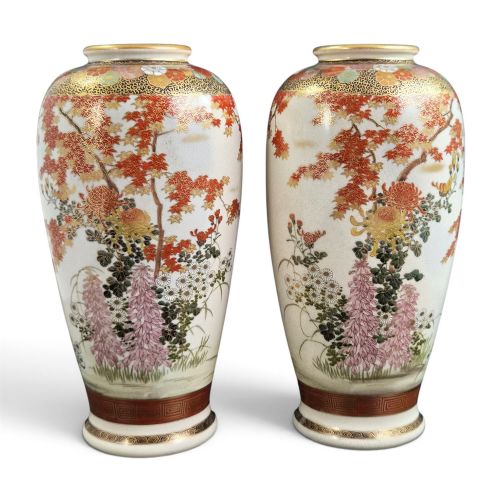
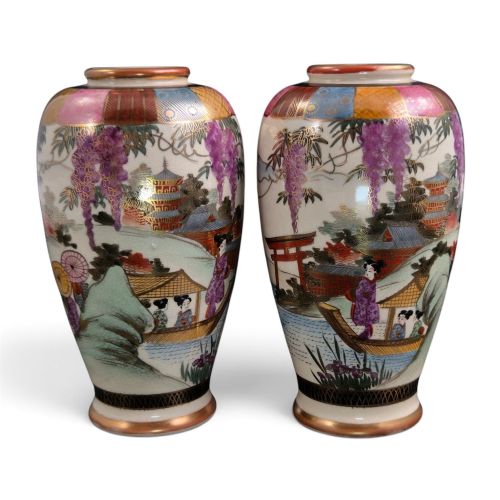
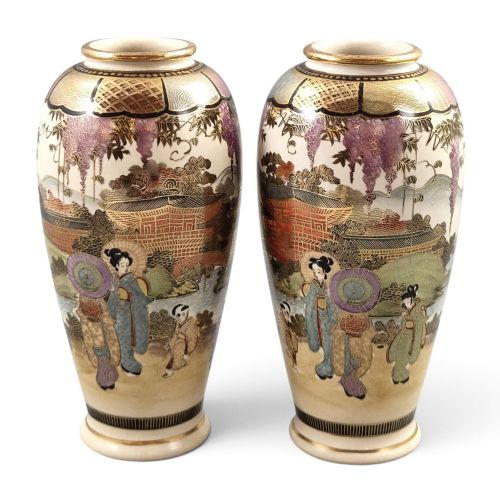
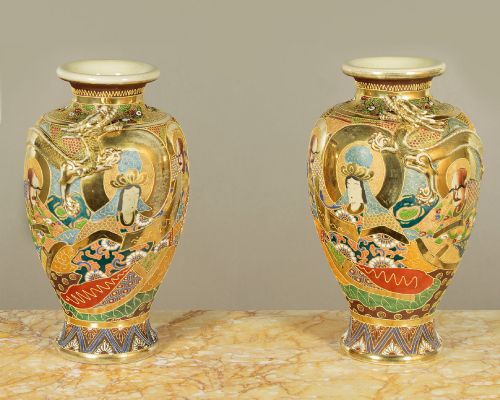
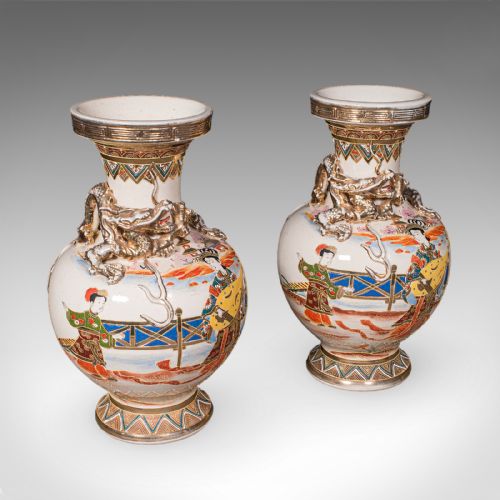
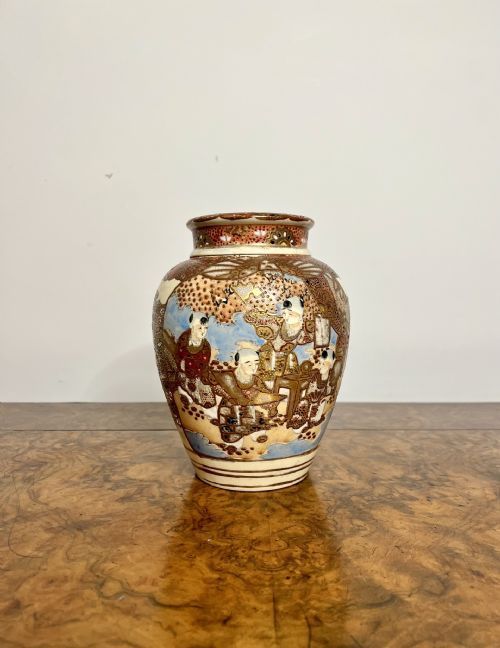
When you search for a satsuma earthenware vase, you uncover finely crackle-glazed Japanese ceramics richly decorated with enamel and gold.
Satsuma Earthenware Vase
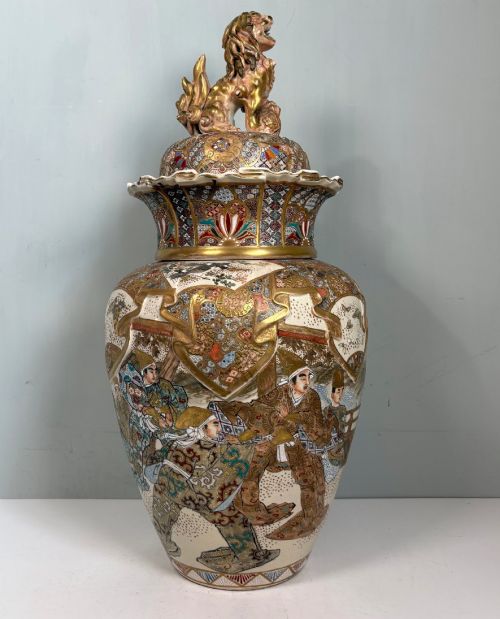
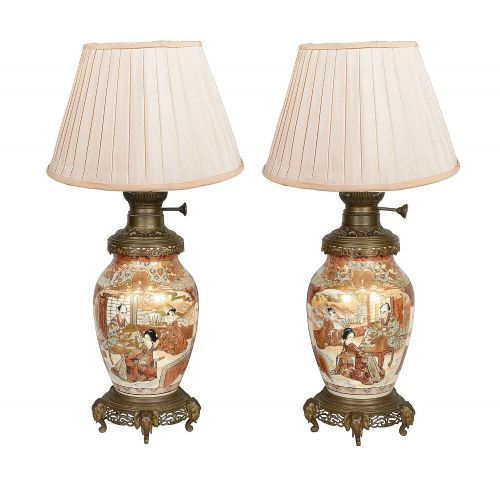
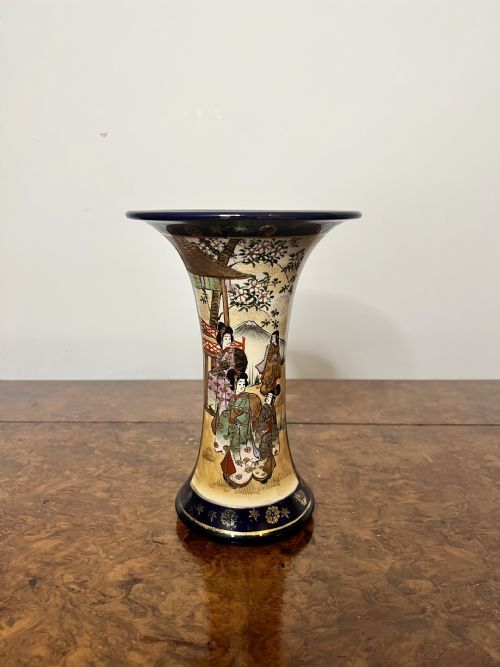
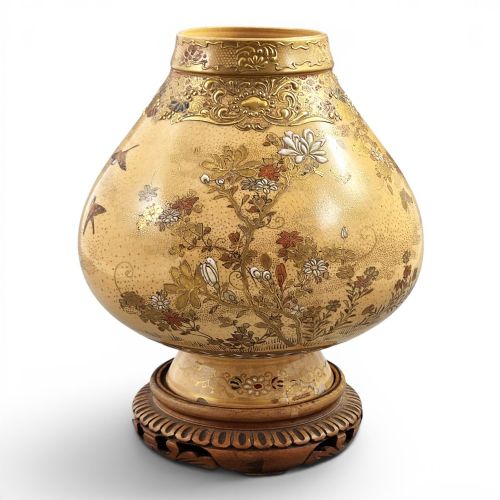
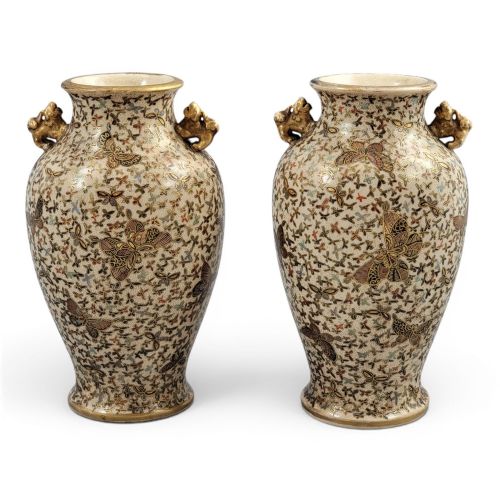
A satsuma earthenware vase is a ceramic vessel originating primarily from Japan, frequently appearing from the nineteenth century into the twentieth century. These objects span various forms including baluster shapes, ginger jars, and table lamps.
The most common examples on this page date from the Meiji period and the Edwardian era, reflecting intricate hand-painted designs of figures, landscapes, and floral motifs.
How they were made
Makers utilised a distinctive cream-coloured earthenware body covered in a fine, clear crackle glaze that formed the canvas for subsequent decoration. Artisans then applied dense enamel pigments alongside gold leaf and gilt work to build up elaborate figural and botanical scenes.
Many finer examples incorporate raised moriage decoration, adding tactile dimension to robes, borders, and architectural elements on the surface.
Listings feature earthenware vessels spanning the nineteenth century through the Taisho and Showa periods, utilising enamel, gilt, and wood components.
What varies in quality
Quality rests upon the precision of the brushwork and the delicacy of the gilding, where master workshops achieved remarkable detail in facial expressions and robes. The complexity of the composition, such as densely populated scenes of arhats or court figures, dictates the tier of the piece.
The presence of a clear signature or workshop mark from established centres like Kyoto often signals superior craftsmanship and artistic ambition.
Maruni Kobe·Shozan·Kinkōzan·Hotoda·Kinzan·Chosei·Nanzan·Seiko-en Chokei·Yamashu·Choshuzan·Hakusan·Tagawa
The Satsuma Earthenware Vase Glossary
- Moriage
- A decorative technique using piped clay to create raised relief patterns before painting and gilding. This method adds a tangible, textured element to the ceramic surface.
- Gilt
- Applied gold leaf or gold paint used to accentuate borders, clothing, and background details. It catches the light to give depth to the intricate scenes.
- Mon
- A Japanese heraldic badge or family crest often incorporated into the design of high-end pieces. These crests frequently point to patronage or workshop identity.
- Koro
- A tripod incense burner fitted with a pierced cover. These ceramic vessels share the same glaze and decorative vocabulary as standard vases.
- Baluster
- A vase form with a rounded body that tapers toward a narrow neck and flares slightly at the rim. It remains one of the most traditional shapes found in these ceramics.
Satsuma Earthenware Vase: Frequently Asked Questions
How do I identify a Meiji period piece?
Meiji period pieces generally display dense, highly detailed enamel work and rich gilding on a finely crackled earthenware body. Look for complex figural groupings such as arhats or court scenes.
Workshop signatures and marks from Kyoto makers often accompany these nineteenth-century examples, providing clearer chronological markers.
What is the significance of the crackle glaze?
The signature crackled appearance results from the differing contraction rates of the clay body and the transparent glaze during cooling. This intentional crazing became a defining characteristic of satsuma ware.
Over time, dust can settle into these fine lines, which collectors often view as a natural part of the ageing process.
How should I display these vases at home?
Position these ceramics away from direct sunlight to protect the delicate enamel colours and gold leaf highlights from fading. Placing them on stable wooden surfaces ensures they remain secure.
Because the earthenware body is relatively porous, keep them away from moisture and avoid using water for live flowers.
Are signed pieces more desirable?
Signed pieces bearing the names of renowned workshops or master artists command greater interest among collectors. These inscriptions indicate a higher standard of artistic execution and workshop oversight.
Unsigned examples can still exhibit exceptional quality, though attribution relies more heavily on stylistic execution and materials.