
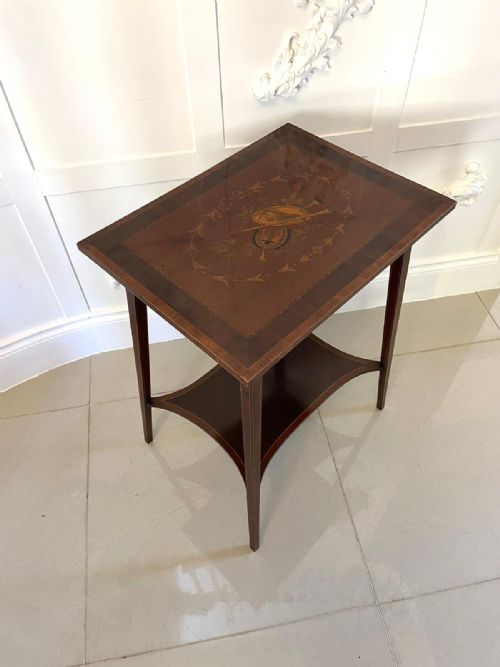
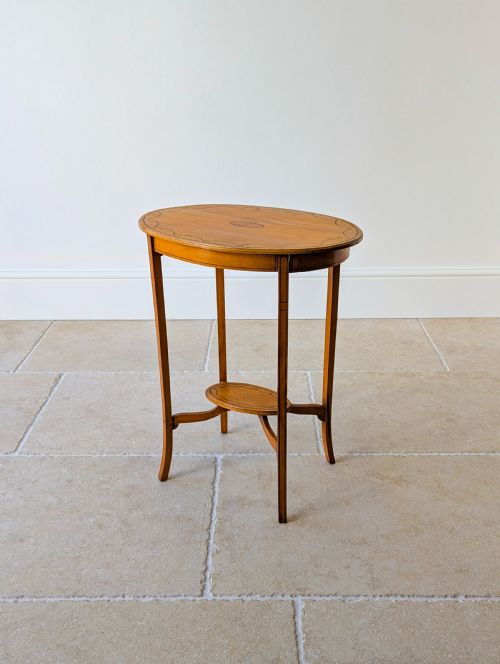


Satinwood Inlaid Lamp Table
A satinwood inlaid lamp table brings a bright, figured timber surface into a room, designed to catch candlelight and hold small lamps.
Satinwood Inlaid Lamp Table
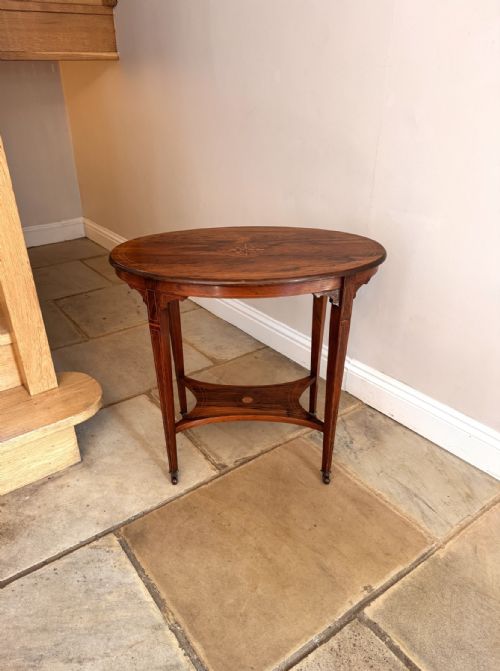
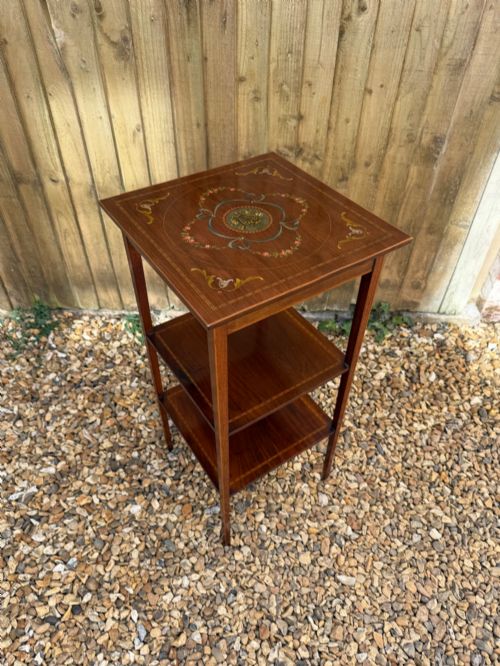
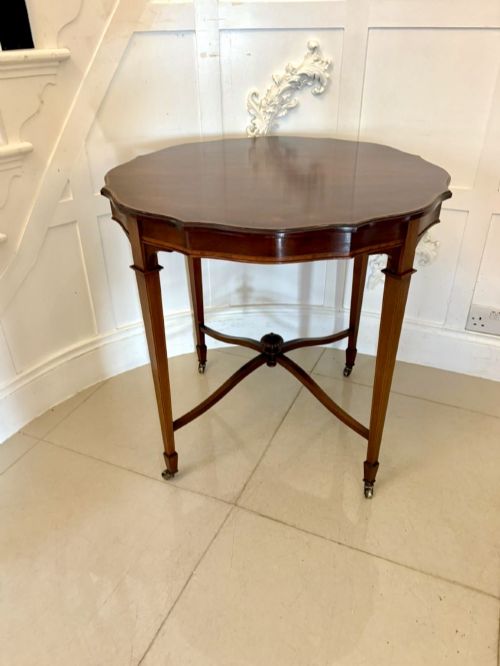
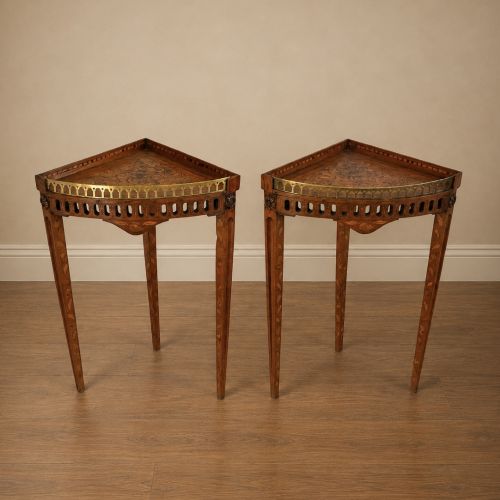
A satinwood inlaid lamp table is a compact surface built to hold a light fitting, taking the form of occasional, side, centre, and corner tables. Most pieces meeting this search phrase originate from the Edwardian period and the nineteenth century, reflecting the tastes of those eras for light timbers.
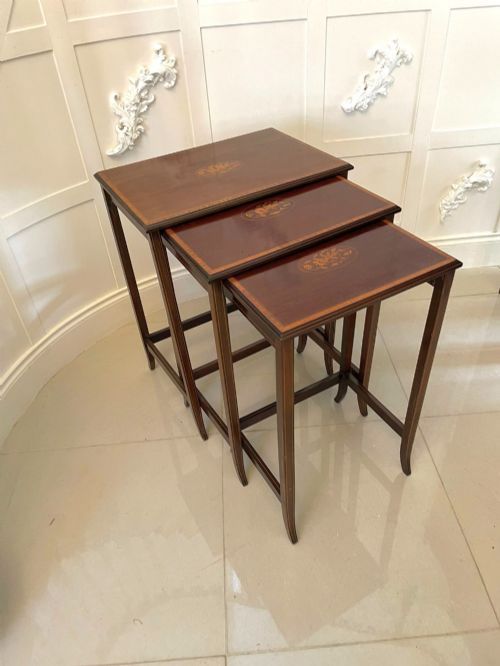
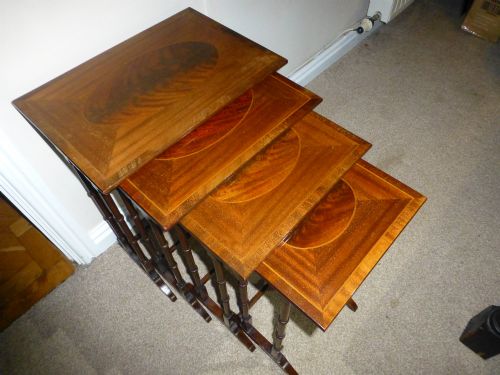
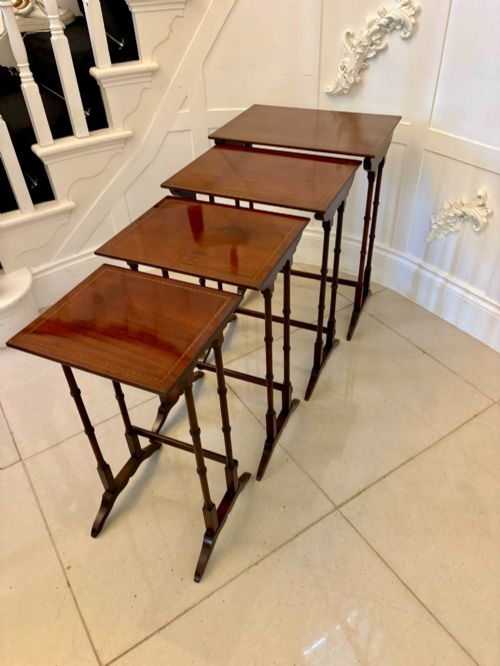
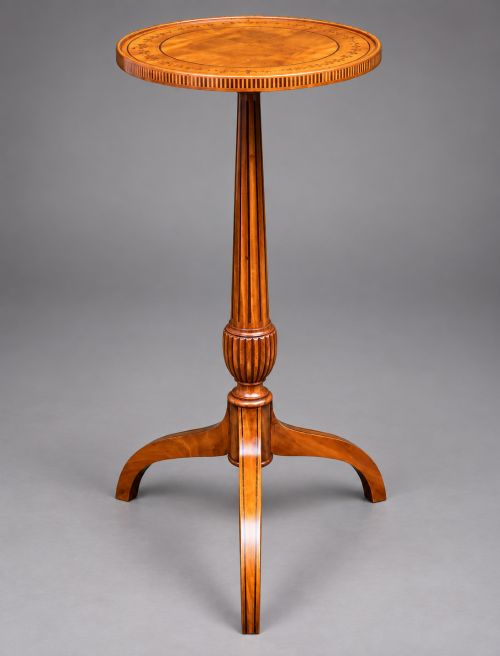
The surviving inventory spans oval, circular, and rectangular tops, alongside occasional two-tier models and nests of tables. Makers frequently combined satinwood and mahogany structures to balance structural strength with decorative grain.
While the search term specifies lamp tables, many examples function equally as side or occasional tables. Buyers encounter Edwardian Sheraton Revival designs alongside Victorian and earlier eighteenth-century neoclassical pieces.
How they were made
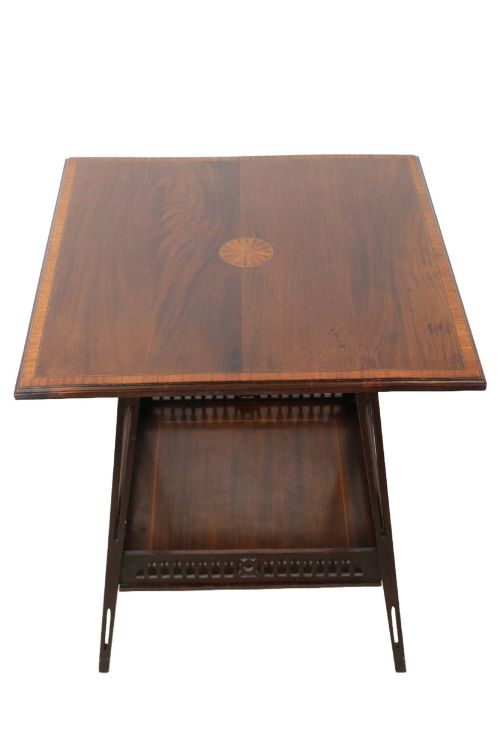
Craftsmen built these tables using foundational timbers like mahogany and satin walnut, applying fine veneers of satinwood across the primary surfaces. Contrasting lines and motifs utilised boxwood inlay, ebony, and rosewood to frame the tops and legs.
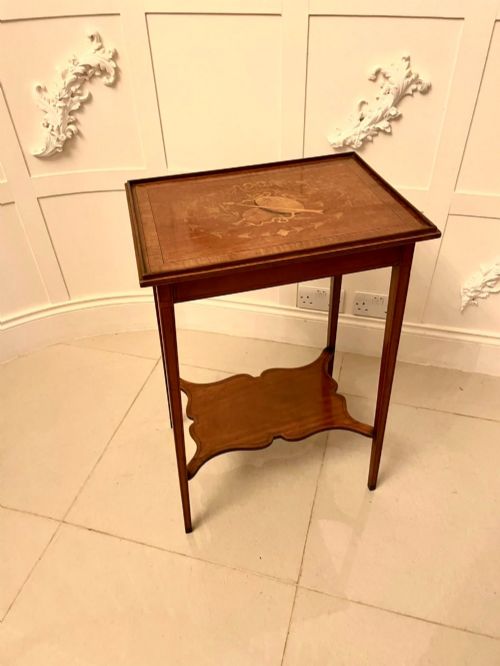
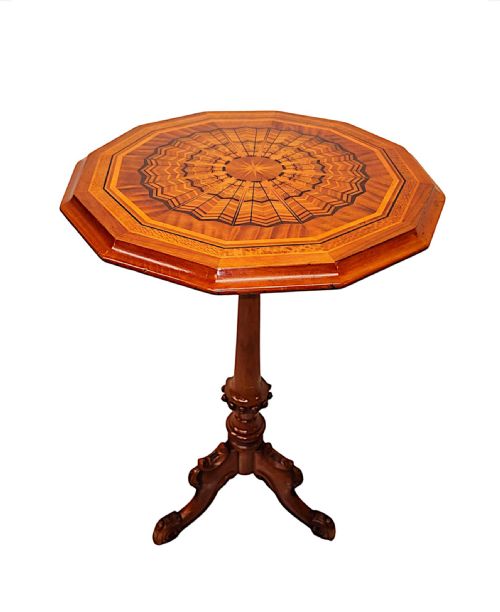
Marquetry and parquetry techniques created intricate floral or geometric patterns set directly into the timber. Brass galleries occasionally bordered the table edges, while polished finishes protected the delicate veneers beneath.
Some nests of tables are known as quartetto sets, designed to stack four separate surfaces into the footprint of one single occasional table.
What varies in quality
Quality rests in the precision of the marquetry and the choice of timber figures, where tighter grains and sharper contrast separate standard production from finer workshop output. The complexity of the inlay work, such as multi-wood floral motifs or fine cross-banding, distinguishes workshop pieces from simpler output.
Structural integrity also separates examples, as tables with solid secondary timbers and stable joints hold their form better over centuries of use. The crispness of the brass fittings and the depth of the hand-polished finish indicate the original maker's investment of time and skill.
Trevor Page & Co·Gillows·Edwards & Roberts·Donald Ross
The Satinwood Inlaid Lamp Table Glossary
- Satinwood
- A lustrous, yellowish-brown hardwood native to Ceylon and the West Indies, prized for its natural sheen and figured grain. It forms the primary visual surface on many neoclassical and revival pieces.
- Marquetry
- A decorative technique applying pieces of veneer to a structure to form ornamental patterns or pictures. Craftsmen used various tinted woods to create shaded floral designs across table tops.
- Sheraton Revival
- A late nineteenth and early twentieth century design movement copying the light, neoclassical furniture styles of the late eighteenth century. These pieces favour satinwood veneer, straight tapered legs, and delicate inlay.
- Parquetry
- A geometric mosaic of wood pieces used for decorative floors and table tops. It relies on contrasting timber tones to build repeating patterns like cubes or chequers.
- Tray top
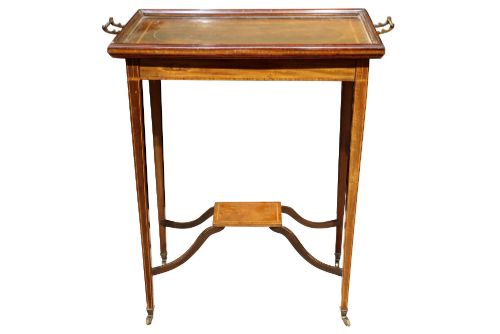
- A table surface finished with a raised moulded edge, resembling a serving tray. This feature prevented small items or lamps from sliding off the edge.
Satinwood Inlaid Lamp Table: Frequently Asked Questions
What is a satinwood inlaid lamp table?
A satinwood inlaid lamp table is a small decorative surface featuring light-coloured tropical hardwood and contrasting stringing or floral patterns. These pieces were built to support small lighting fixtures in reception rooms and parlours.
Most surviving examples date from the late nineteenth and early twentieth centuries, reflecting a revival of neoclassical taste. They appear in circular, oval, and rectangular shapes across various occasional table formats.
How do I date an Edwardian lamp table?
Edwardian lamp tables, typically dating between 1901 and 1910, often feature Sheraton Revival styling with machine-sawn veneers and bright mahogany or satinwood surfaces. Examination of the secondary timbers beneath the top provides clues to the manufacturing era.
Makers working in this period frequently reproduced eighteenth-century forms using standardised construction methods. Labels, stamps, or stamps from firms like Trevor Page help confirm the exact decade of manufacture.
Where should I place a lamp table?
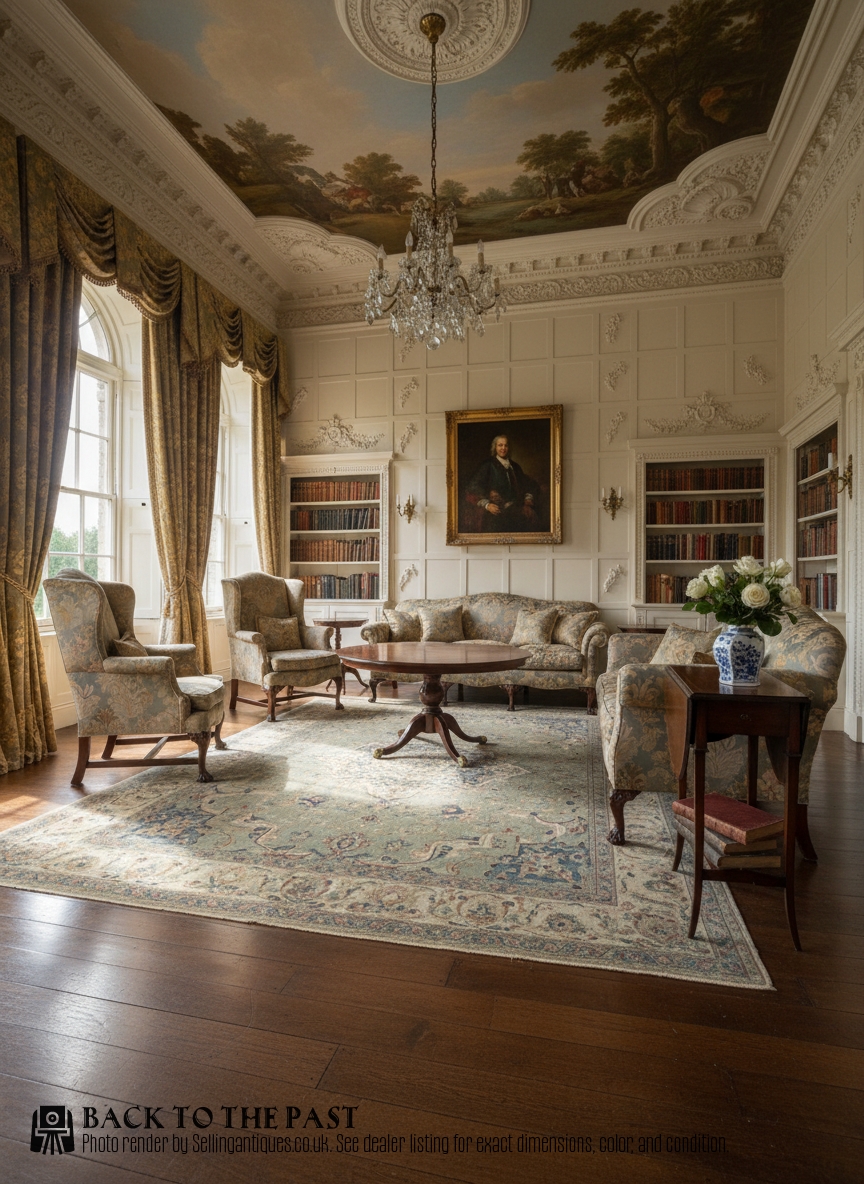
These compact tables suit corners, beside armchairs, or alongside sofas where surface space is needed for reading lamps or small decorative items. Their finished backs and detailed marquetry allow them to stand freestanding in the centre of a room.
Because satinwood is sensitive to strong sunlight and excessive heat, placement away from direct window light preserves the polished finish and timber colour.
What is the difference between satinwood and satin walnut?
Satinwood is a dense, hard tropical timber with a natural golden sheen and distinct chatoyancy, while satin walnut is an American hardwood sharing a similar warm tone but possessing a different grain structure. Furniture makers used satin walnut as an accessible alternative to true satinwood during revival periods.
Close inspection of the grain pattern and weight helps distinguish the heavier, finer satinwood from the softer satin walnut used in standard domestic pieces.