



Edwardian Mahogany Urn Stand
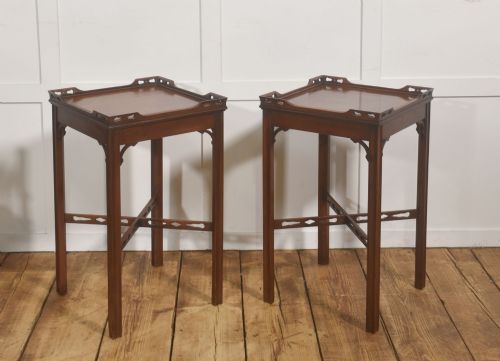
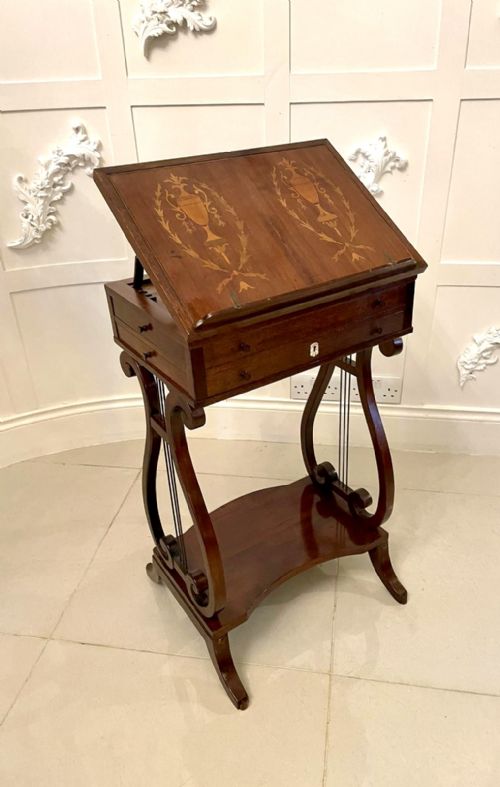
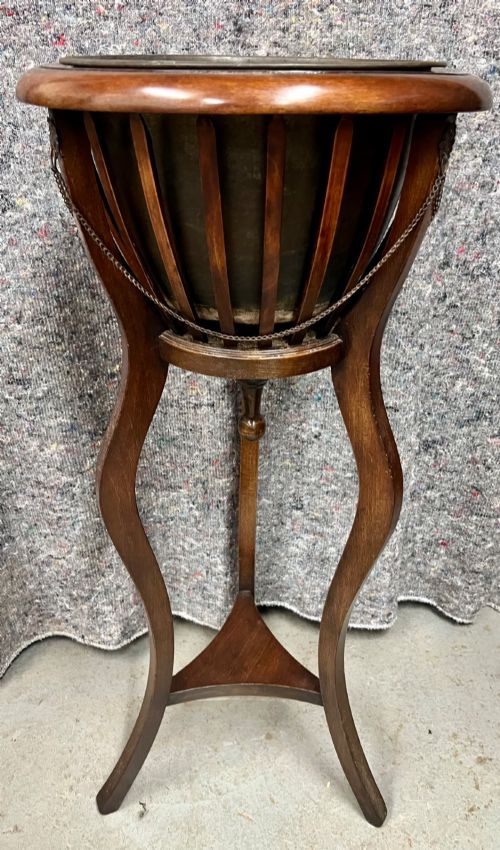
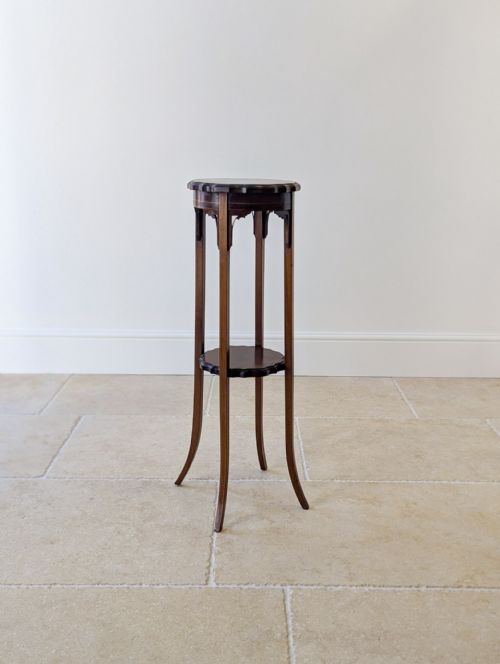
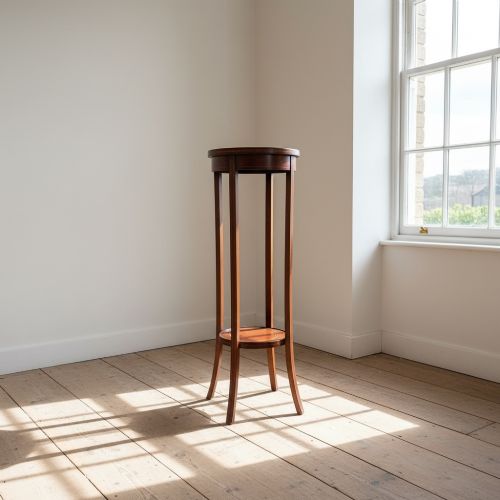
These edwardian mahogany urn stand pieces combine slender proportions with rich timber, offering a refined perch for display.
Edwardian Mahogany Urn Stand
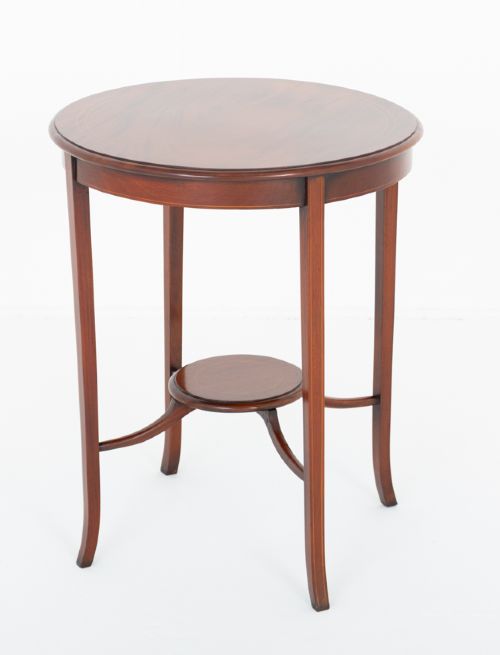
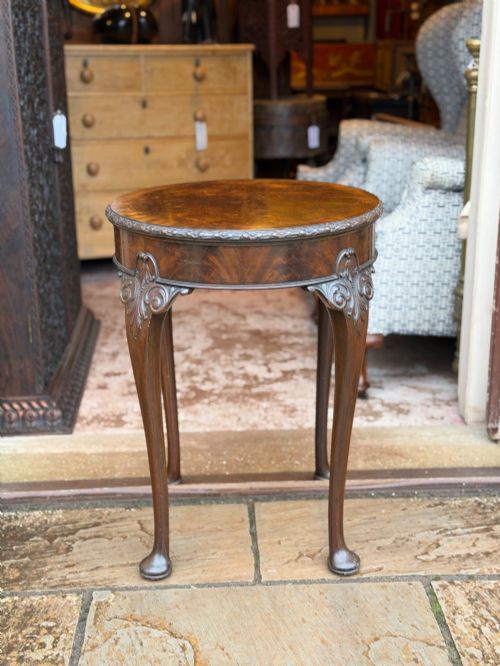
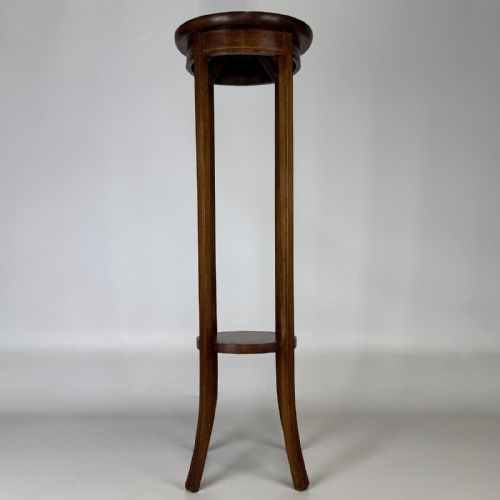
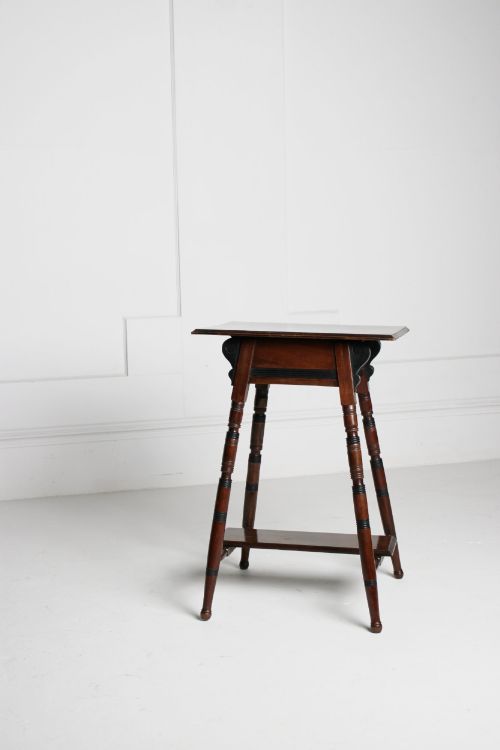
When searching for an edwardian mahogany urn stand, buyers encounter tall, slender supports designed to elevate decorative vessels, plants, or lamps. The versions most commonly met on this page span the Edwardian period and the late nineteenth century, often appearing as torchères, plant stands, or small occasional tables.
Origins cluster around the turn of the twentieth century, though nineteenth-century Victorian examples also emerge within the selection. These pieces served primarily as decorative accents in reception rooms, where height and silhouette mattered more than surface area.
Materials and construction
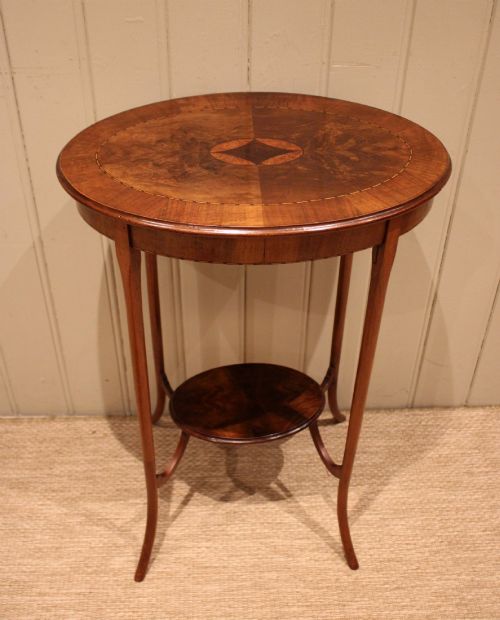
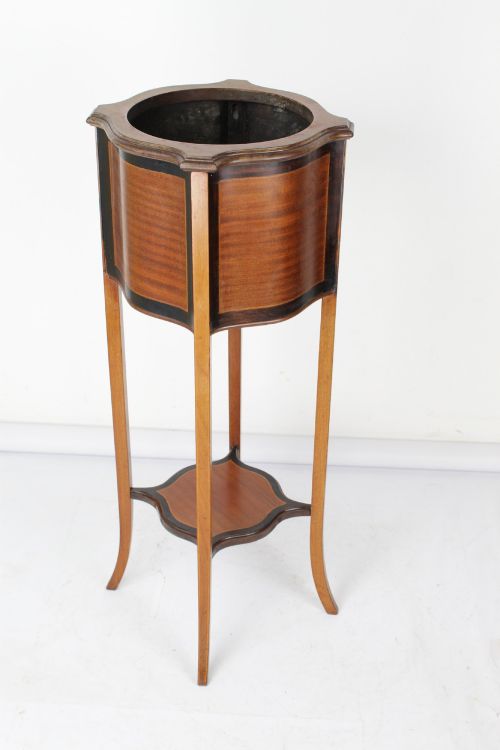
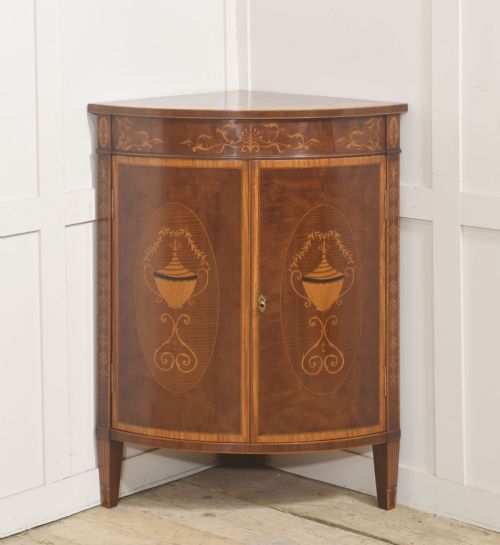
Makers relied principally on mahogany, often selecting flamed or figured varieties to catch the light on narrow surfaces. This timber was frequently embellished with satinwood and boxwood inlay, creating contrasting geometric or floral motifs that defined revival styles.
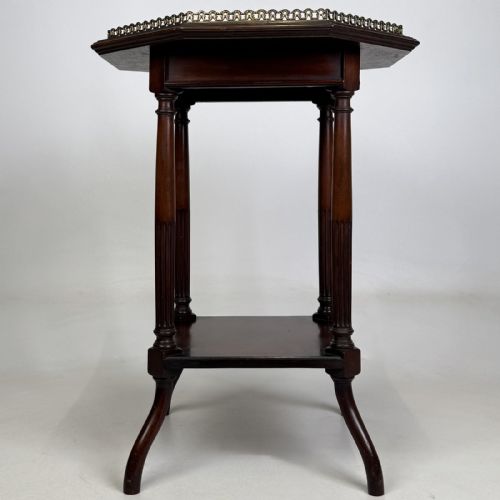
Structural hardware typically included brass fittings, particularly on galleried tops designed to secure an urn or lamp. Ebonised wood occasionally provided sharp visual accents, while carved details added texture to columns and pedestals without bulk.
Edwardian Mahogany Urn Stand Retail Price Guide 2026
Typical asking prices for edwardian mahogany urn stand among the pieces listed under this phrase on Sellingantiques today, from the lower quarter to the upper quarter. They describe what is for sale here now, not the wider market.
Several stands include delicate pierced brass galleries, built entirely to stop an overly enthusiastic Victorian lamp from sliding off its perch.
What separates the finest examples
Quality rests upon the precision of the cabinetmaker's joinery and the selection of timber veneers. Superior pieces display carefully matched mahogany grains and crisp, delicate inlay work that remains flush with the surrounding wood.
Stability in a tall, narrow stand dictates much of its underlying merit. The execution of carved elements, brass galleries, and lower shelf alignment distinguishes standard workshop output from finer production.
Druce & Co London
The Edwardian Mahogany Urn Stand Glossary
- Torchère
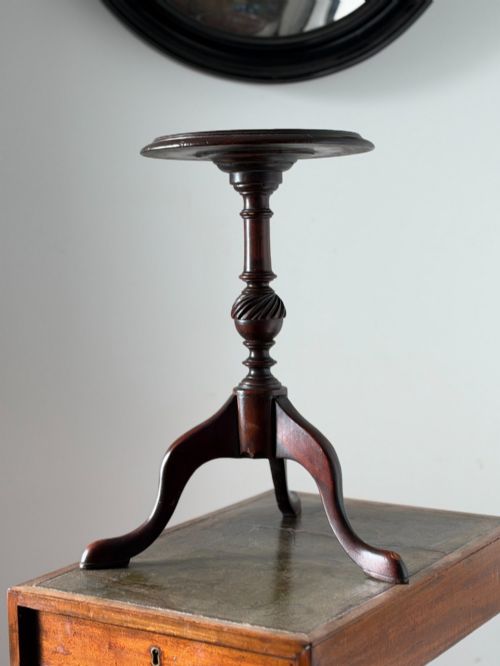
- A tall, slender stand designed specifically to support a lamp, urn, or decorative figure. These pieces utilise a single central column or tripod base to maintain balance while occupying minimal floor space.
- Inlay
- A technique where contrasting woods such as satinwood and boxwood are fitted into recessed cavities within the mahogany surface to create decorative patterns.
- Ebonised
- Wood treated with a chemical stain or finish to imitate the deep, dark appearance of ebony.
- Revival
- A design movement looking back to eighteenth-century aesthetics, encompassing Sheraton, Chippendale, and Adam styles interpreted by later makers.
Edwardian Mahogany Urn Stand: Frequently Asked Questions
What is an edwardian mahogany urn stand used for?
These tall stands were originally designed to elevate decorative urns, heavy porcelain vases, or oil lamps so they caught the eye and remained safe from foot traffic. Today, they serve a similar purpose in domestic interiors, providing height and architectural interest to corners or empty wall spaces.
Their compact footprints make them particularly useful beside seating or beneath windows where a full-sized table would crowd the room. Many owners utilise them for trailing plants, bronze figures, or modern lighting fixtures.
How do I distinguish Edwardian pieces from Victorian ones?
Edwardian stands generally display lighter proportions, brighter mahogany finishes, and refined satinwood or boxwood inlay reflecting Sheraton and Adam revival tastes. They often feel airier and more restrained in their decorative ornament.
Victorian examples tend to be heavier in construction, frequently featuring darker timber, deeper carving, and more robust turned columns. Examining the weight of the wood and the boldness of any carved detail usually clarifies the period.
Are these stands stable enough for daily use?
Most stands are surprisingly steady when placed on even flooring, provided their joints remain tight and well-maintained. Their slender design means they are best positioned out of heavy traffic lanes where they might be bumped.
Stands featuring lower shelves or tripod splay legs offer additional grounding, while central column designs rely on heavy weighted bases or solid footing for balance.
What styles influenced these stands?
Makers drew heavily on eighteenth-century design vocabulary, particularly the refined neoclassical work of Sheraton and the intricate carving associated with Chippendale. Late nineteenth and early twentieth-century workshops reinterpreted these historical motifs for contemporary homes.
Art Nouveau touches also appear in later examples, introducing whiplash curves and organic floral marquetry to traditional mahogany forms.