


Edwardian Small Coffee Table
When you search for an edwardian small coffee table, you enter a world of versatile timber furniture designed for compact modern spaces.
Edwardian Small Coffee Table
An edwardian small coffee table primarily spans compact side tables, occasional tables, and dropleaf formats adapted from the period into low coffee formats. These pieces emerge from the intersection of late nineteenth century domestic innovation and early twentieth century space-saving designs.
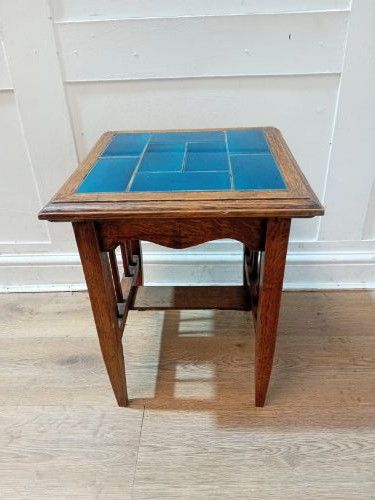
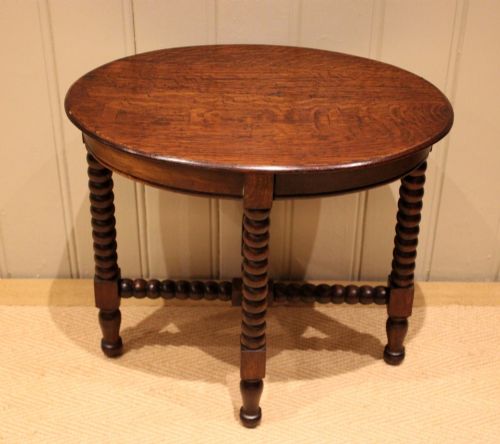
You are most likely to meet mahogany and oak examples featuring circular, oval, or dropleaf configurations. The selection also encompasses nests of tables, tile-topped surfaces, and walnut variants suited to drawing rooms.
Makers of the era utilised diverse stylistic influences, ranging from Arts and Crafts simplicity to Sheraton Revival inlay and Jacobean Revival motifs. The resulting tables offer practical proportions for contemporary interiors without sacrificing period character.
How they were made
Cabinet makers constructed these pieces predominantly using mahogany, oak, and walnut, often selecting figured veneers such as burr walnut or satinwood for decorative contrast. Structural stability relied on traditional joinery, turned wooden legs, and gateleg mechanisms for drop-leaf variants.
Surface embellishments included boxwood stringing, marquetry, and occasionally inset ceramic tiles or leather panels. Brass fittings appeared on castor wheels and handles, completing the functional requirements of portable domestic furniture.
Some tables double as map repositories or miniature dining surfaces, proving that compact Victorian and Edwardian living rooms took multifunctionality very seriously.
What varies in quality
The degree of refinement in timber selection and inlay work dictates the standing of an individual table. Exceptional examples display highly figured fiddleback or burr walnut grains and precise, hand-cut marquetry rather than plain commercial veneers.
Structural integrity and timber thickness separate standard utility items from finer productions. Solid turned legs, tight joints, and balanced proportions mark the upper tier of surviving pieces from this era.
LIBERTY of LONDON
The Edwardian Small Coffee Table Glossary
- Dropleaf
- A table with hinged flaps on either side that can be folded down to save space or raised to increase surface area. This mechanism appears frequently in compact occasional designs.
- Sutherland
- A narrow table featuring exceptionally slender drop leaves and a gateleg support system designed to fold flat when not in use. It remains a signature form of the period.
- Marquetry
- The art of applying pieces of veneer to a structure to form decorative patterns and pictures. Craftsmen utilised contrasting woods like satinwood and boxwood for detailed pictorial effects.
- Fiddleback
- A figure in timber, particularly mahogany, exhibiting a wavy grain pattern that resembles the back of a violin. This optical effect shifts under changing light.
- Occasional table
- A small, light table intended for intermittent use around a principal room. These versatile pieces include coffee tables, lamp tables, and spider leg designs.
Edwardian Small Coffee Table: Frequently Asked Questions
How do I identify an Edwardian piece?
Edwardian furniture typically displays lighter timbers, restrained classical revival ornament, and machine-assisted precision combined with hand finishing. The era favoured utility and brightness following heavier Victorian aesthetics.
Look for satinwood inlay, tapered legs, and subtle Edwardian proportions that distinguish these items from earlier nineteenth century productions.
Were these originally coffee tables?
Many tables found today as coffee tables began life as occasional, side, or dropleaf tea tables. Lowering table heights became a common practice later to suit modern seating arrangements.
Original functions often involved serving tea or holding reading lamps beside low parlor chairs rather than serving a central sofa.
What is a nest of tables?
A nest of tables consists of a set of graduating smaller tables designed to slide neatly beneath one another. This configuration maximises surface availability while occupying the floor space of a single small table.
They appeared frequently in oak and mahogany during the late nineteenth and early twentieth centuries for entertaining guests.