

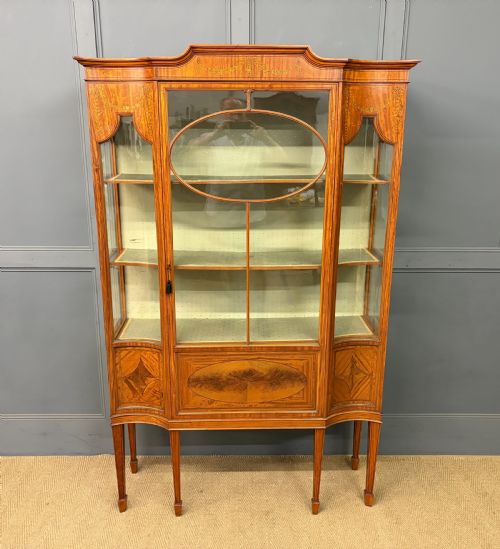
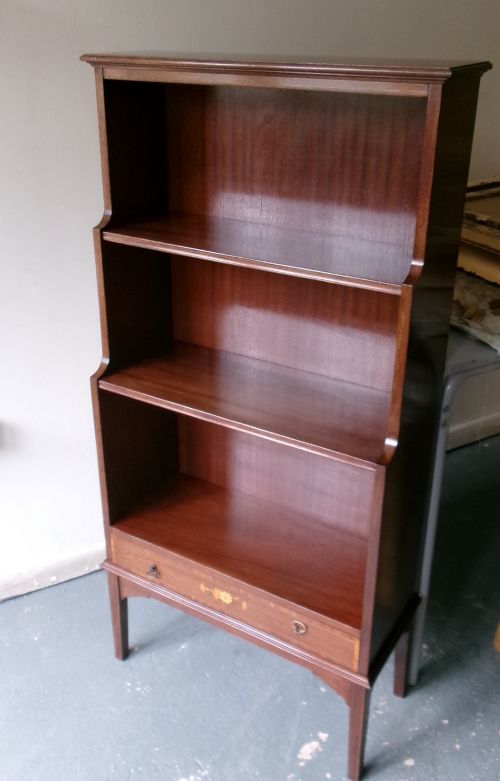
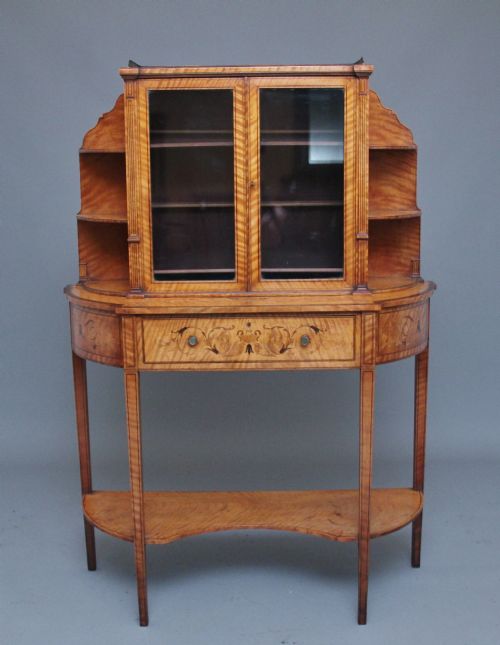
Satinwood Inlaid Display Cabinet
A satinwood inlaid display cabinet brings refined timber and luminous grain into a room to showcase prized porcelain and curated collections.
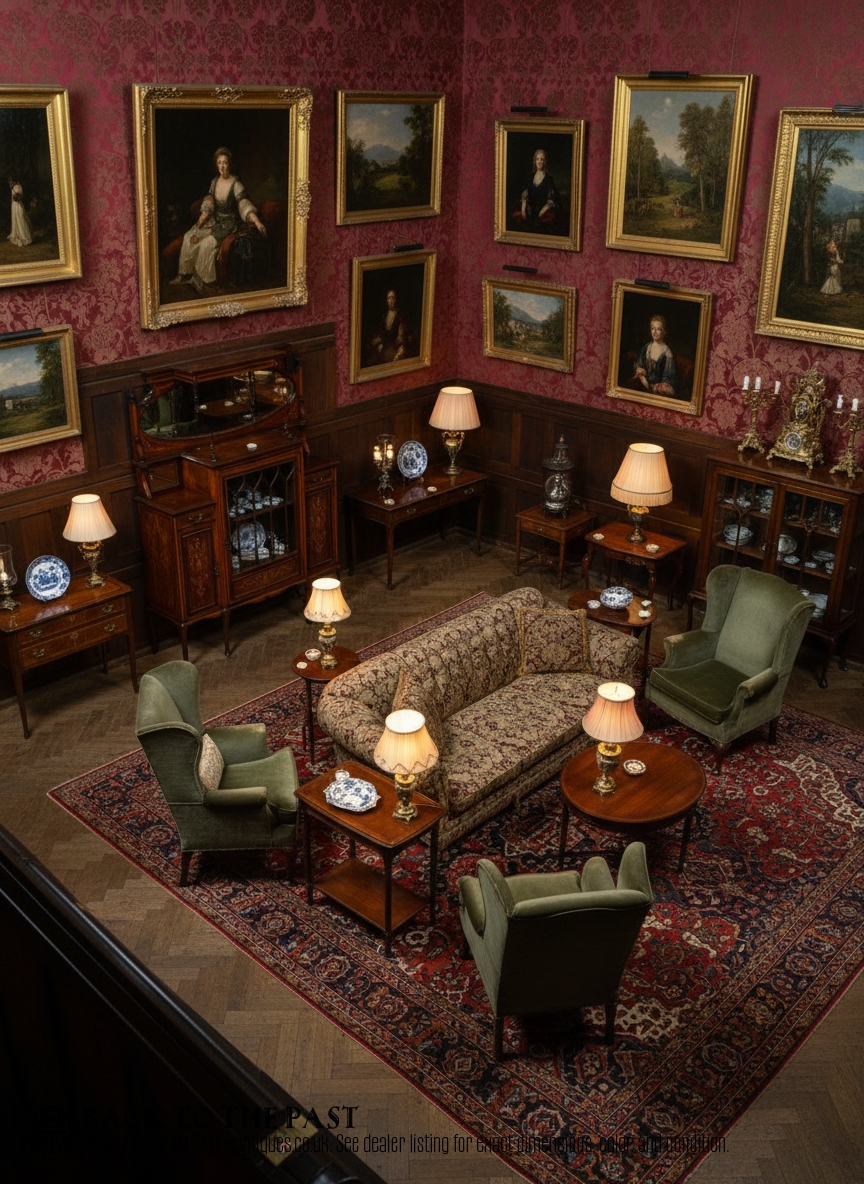
Satinwood Inlaid Display Cabinet
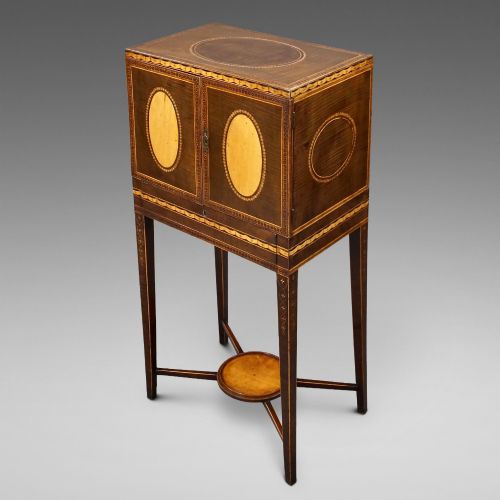
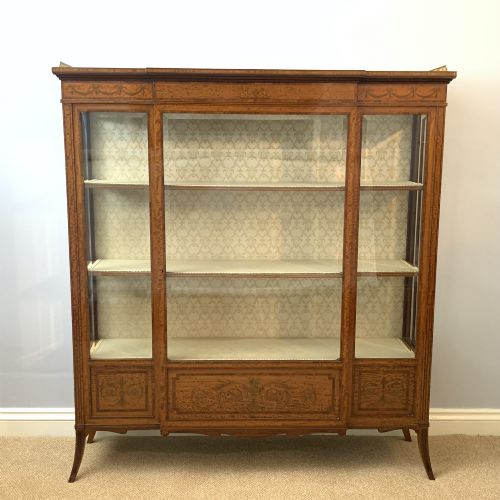
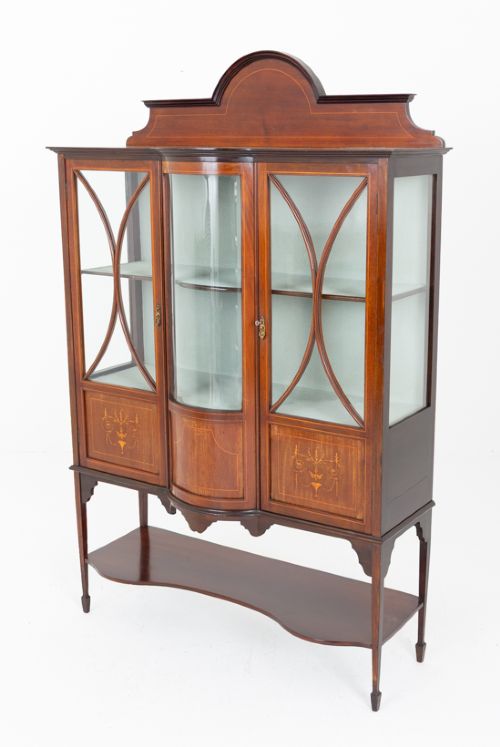
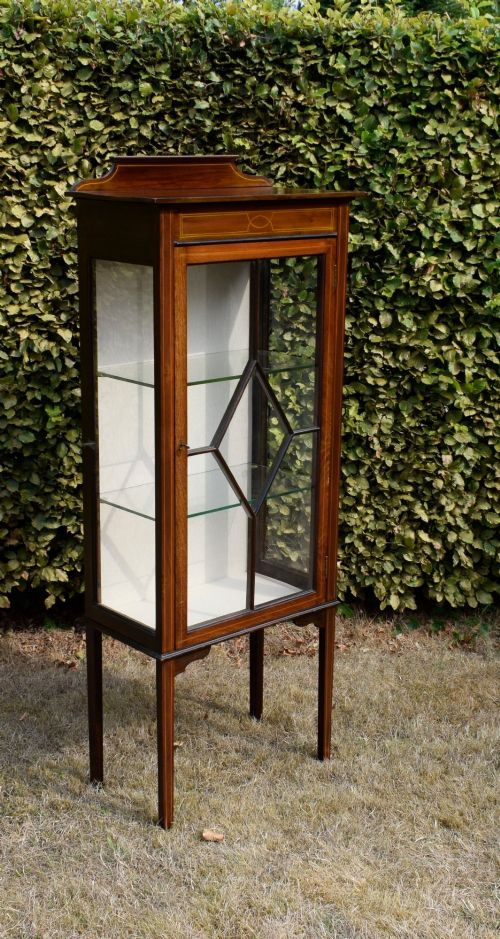
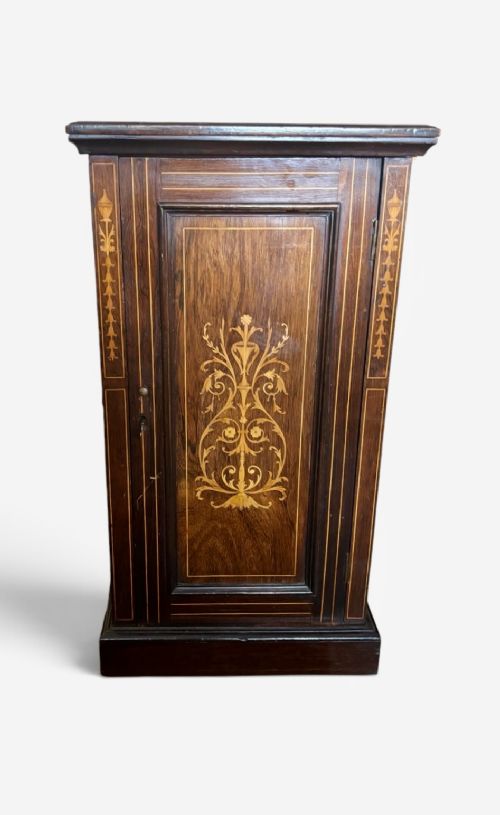
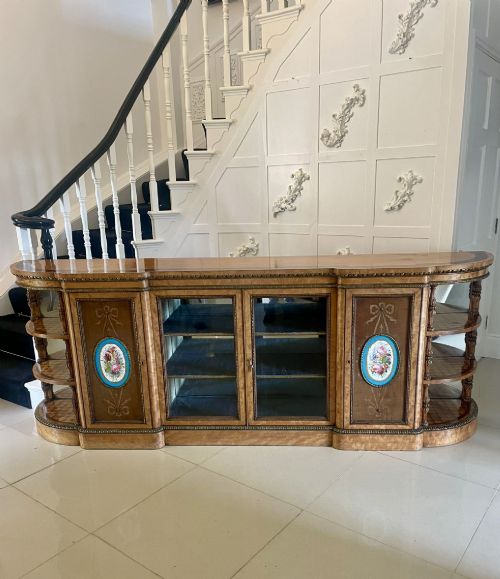
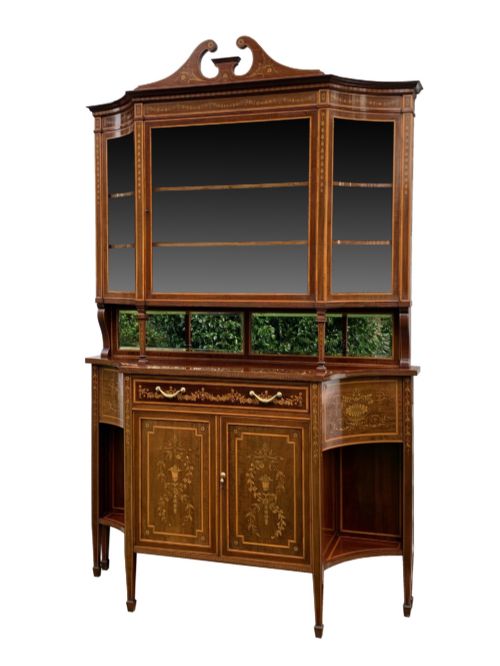
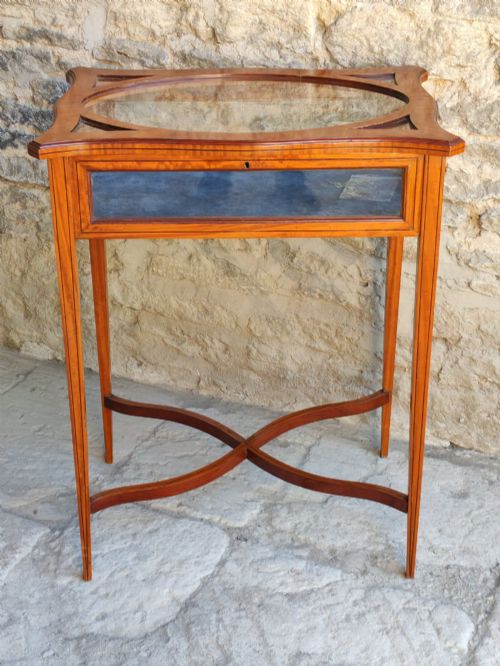
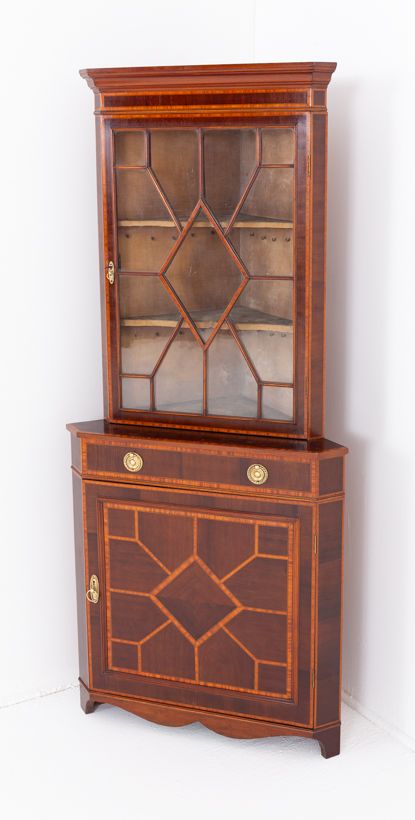
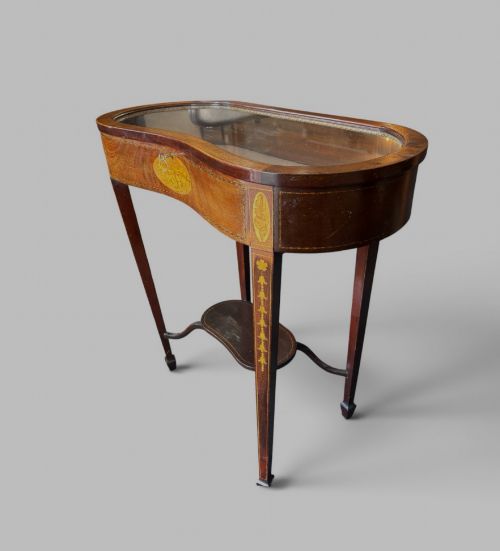
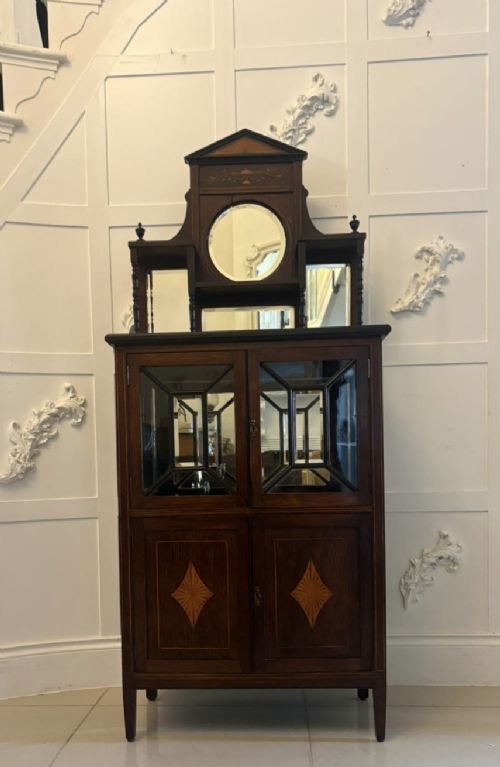
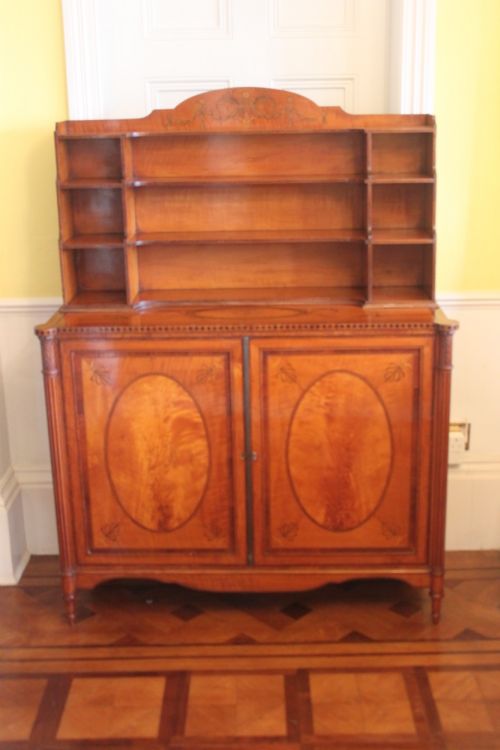
A satinwood inlaid display cabinet represents a tradition of fine cabinet-making stretching from the eighteenth century through the Victorian era and into the Edwardian period. Buyers encounter various forms on this page, including upright display cabinets, corner cabinets, glass-topped bijouterie tables, and larger breakfront bookcases.
The Edwardian and Victorian eras dominate the selection, heavily influenced by Sheraton Revival aesthetics and classical Georgian proportions. These pieces range from small-scale table cabinets to monumental credenzas, designed to protect precious objects behind glazed doors while adding decorative warmth to domestic interiors.
Materials and construction
Craftsmen built these cabinets primarily using a mahogany or walnut carcase, veneered with figured satinwood and detailed with contrasting timber stringing and marquetry. Marquetry panels incorporate various woods such as fruitwood to create floral or classical motifs set into the polished surfaces.
Glass panels are fitted into glazed doors to enclose the interior shelves, which are sometimes lined with velvet or fabric. Structural refinement often includes brass hardware, ormolu mounts, and mirrored backs designed to reflect light through displayed items.
Some bijouterie tables hide velvet-lined compartments deep enough to swallow an entire afternoon of quiet curiosity.
Judging quality and craftsmanship
The distinction between standard commercial pieces and the finest examples rests upon the crispness of the marquetry inlay and the selection of the satinwood veneer. Master workshops utilised highly figured timber with rich chatoyancy, where the grain catches the light and shifts across the surface.
Joinery standards and original hardware further separate the grades, alongside signed attribution to notable makers who maintained rigorous workshop practices. Superior proportions and delicate decorative painting elevate certain cabinets into exceptional works of period design.
Edwards and Roberts·Maple and Co·James Hicks·D. Hill Carter and Co
The Satinwood Inlaid Display Cabinet Glossary
- Satinwood
- A hard, lustrous timber originating from tropical regions, prized for its golden-yellow colour and reflective sheen. It forms the primary visual surface on many revival pieces.
- Marquetry
- The art of forming decorative patterns by fitting together small pieces of wood veneer of different colours and grains. This technique creates the floral and ribbon motifs seen across the cabinet doors.
- Bijouterie
- A glazed display table or cabinet specifically designed for small ornaments, jewellery, and curiosities. These pieces often feature hinged glass tops and velvet-lined interiors.
- Serpentine
- A curved shape featuring a convex centre flanked by concave sides, creating an undulating front line. This contour demands advanced woodworking skill to execute properly.
- Ormolu
- Gilded bronze mounts applied as decorative ornaments to the corners, feet, or cornices of cabinet work. The technique adds metallic contrast to the polished timber.
Satinwood Inlaid Display Cabinet: Frequently Asked Questions
How do I date a satinwood display cabinet?
Dating relies on combining the stylistic evidence of the period, such as Sheraton Revival motifs, with the construction methods visible inside the carcase. Edwardian examples often feature lighter mahogany framing and machine-sawn backboards, whereas eighteenth-century originals display hand-cut timber joints and older dovetailing.
Secondary indicators include the type of glass, the formulation of the polish, and any maker stamps or paper labels pasted onto the interior timber.
What is the difference between a cabinet and a bijouterie table?
While both display precious objects, a cabinet stands upright with vertical glazed doors and fixed or adjustable internal shelving. A bijouterie table utilises a horizontal glazed tabletop that opens from above to inspect small items like jewellery and medals close up.
Both forms utilise satinwood inlay, but the table version is designed for a central room placement rather than standing against a wall.
How should I care for antique satinwood furniture?
Maintain a stable room temperature away from direct sunlight and heat sources to prevent the satinwood veneer from drying and lifting. Dust gently with a dry, soft cloth and avoid chemical polishes that can degrade the historic French polish finish.
Applying a traditional beeswax sparingly helps nourish the timber and preserves the natural golden lustre of the grain over time.
Were these cabinets used only for porcelain?
Owners historically utilised these glass-fronted pieces to exhibit a wide array of treasured possessions, including silver, books, minerals, and curiosities. The inclusion of velvet or fabric linings cushioned delicate items while enhancing the visual contrast against the light satinwood background.
Larger breakfront versions also served as refined bookcases or sideboards in formal drawing rooms.