

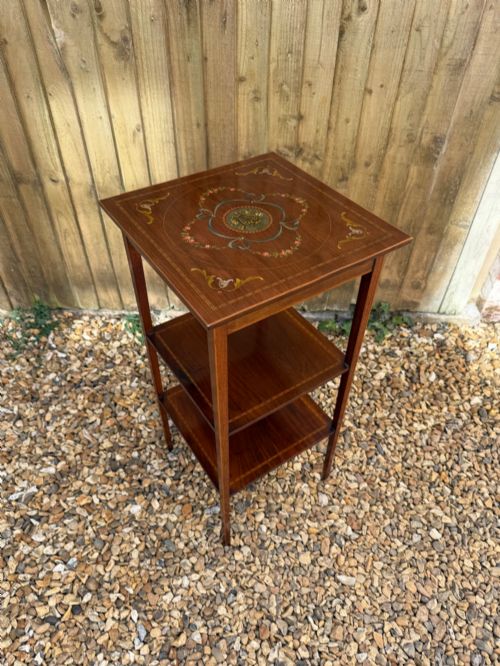
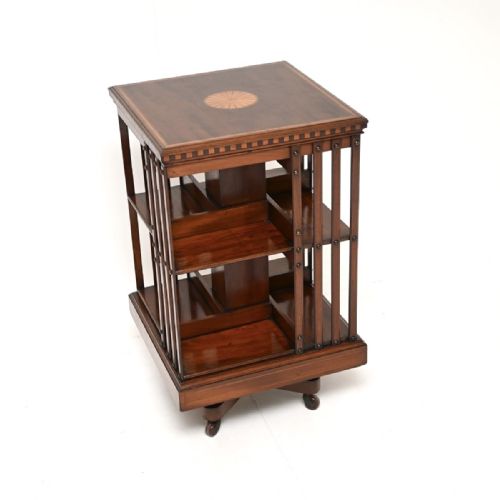
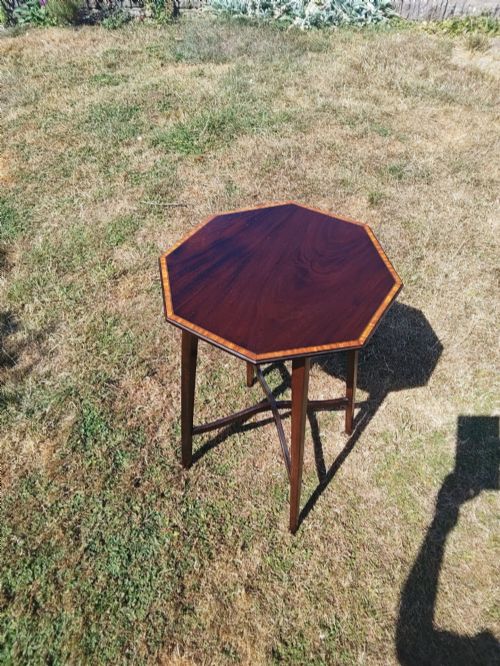
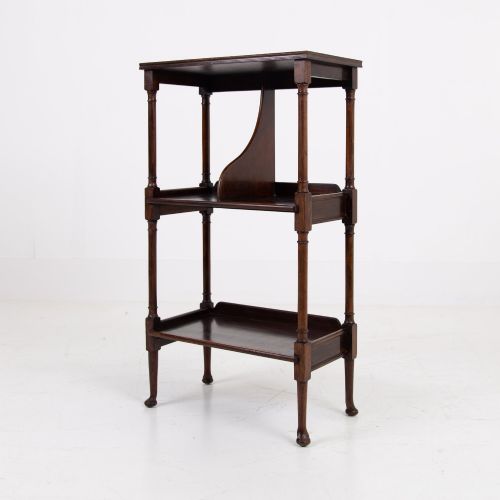
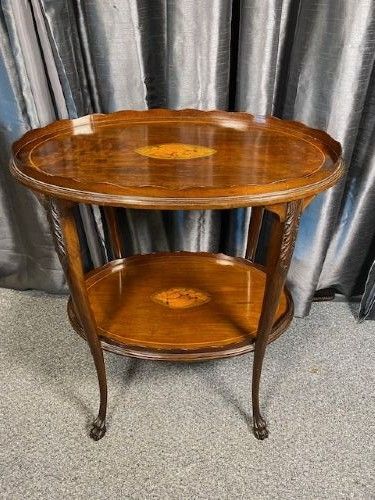
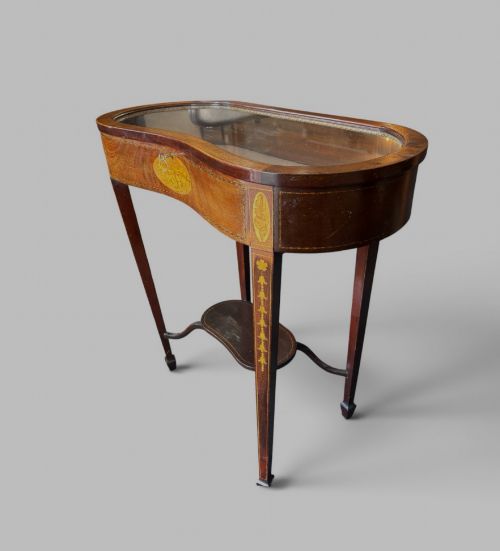
Edwardian Mahogany Display Table
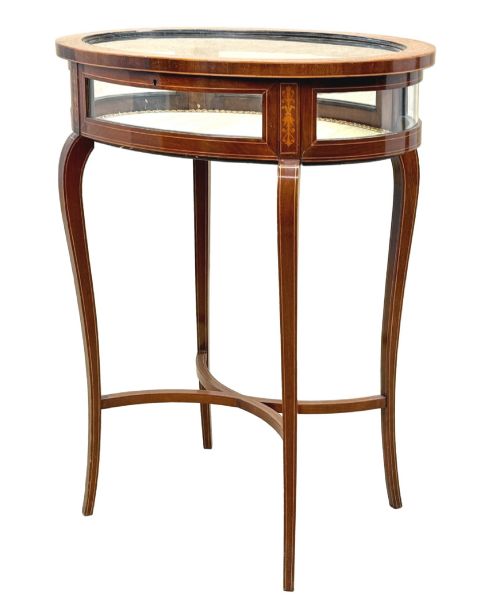
When searching for an edwardian mahogany display table, you find a specialised piece designed to exhibit small treasures beneath glass.
Edwardian Mahogany Display Table
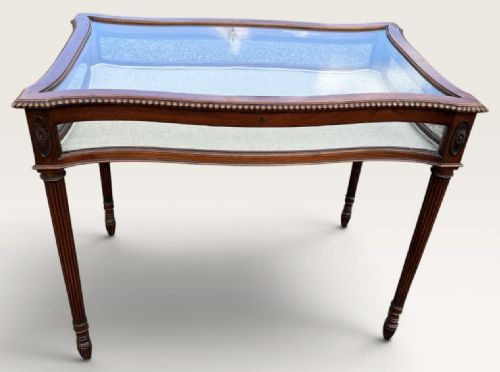
An edwardian mahogany display table serves as both a functional surface and a glazed showcase for jewellery, medals and small curiosities.
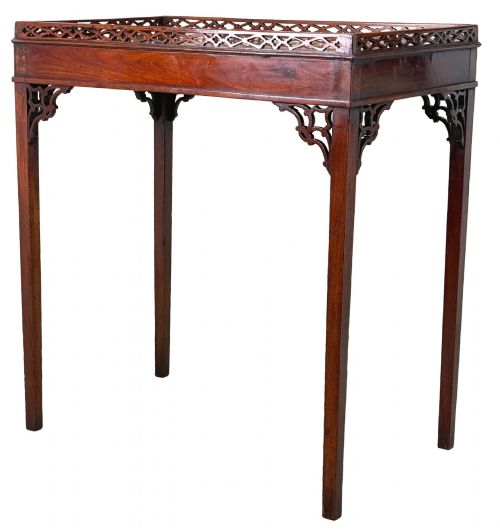
Most examples date from the Edwardian period and the late nineteenth century, often reflecting Sheraton Revival or Chippendale design influences.
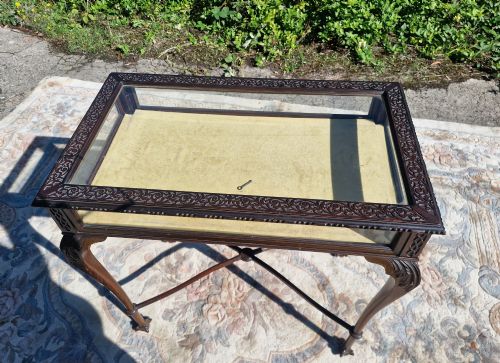
Common forms include oval, serpentine and rectangular tables equipped with hinged glass lids above lined interior compartments.
Materials and Construction
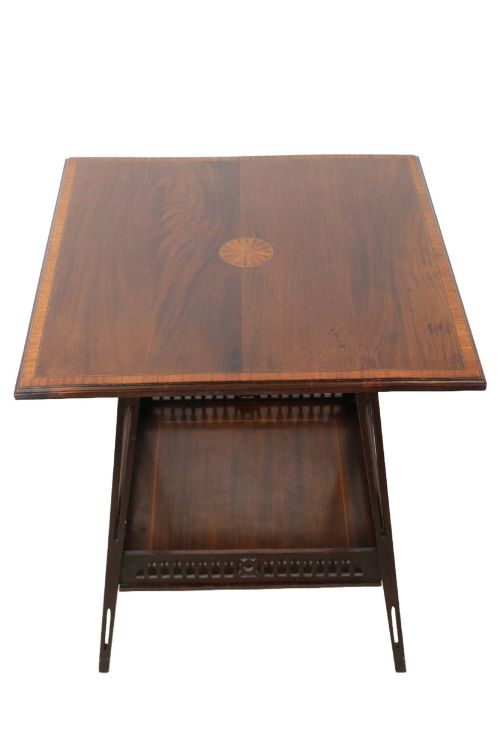
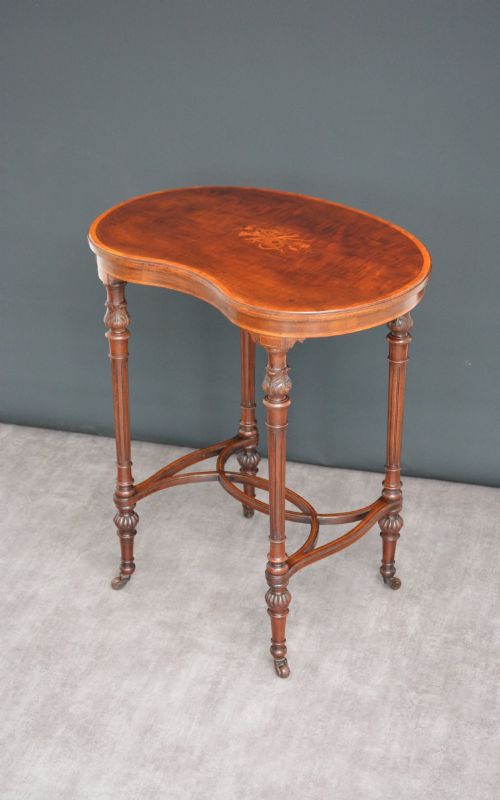
Cabinet makers utilised solid and veneered mahogany as the primary structural timber, frequently enhancing surfaces with satinwood and boxwood inlay.
Interiors are typically lined with velvet, silk or fabric to cushion displayed items, while hinges and mounts utilise brass or gilt metal.
Glazing is set into timber frames to protect contents from dust while maintaining clear visibility from above.
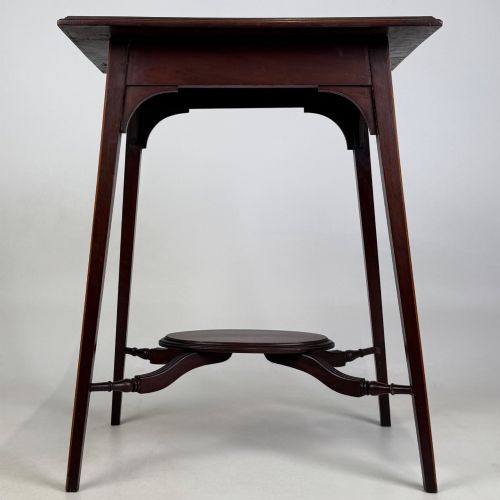
Common forms include occasional tables, side tables, and specialised bijouterie display cases.
Standards of Craftsmanship
Quality depends on the precision of the marquetry, the choice of figured mahogany veneers and the structural stability of the leg joints.
Superior pieces feature refined carving, well-fitted glass lids that close flush, and original fabric linings within the display compartment.
Makers who supplied high-end retailers often incorporated subtle serpentine curves and balanced brass mounts that elevate the proportions.
Trevor Page & Co·Edwards and Roberts
The Edwardian Mahogany Display Table Glossary
- Bijouterie table
- A specialised display table featuring a glazed top and a shallow internal compartment intended for small ornaments and jewellery.
- Marquetry
- Decorative woodwork where pieces of contrasting veneer are assembled to form pictorial or geometric patterns on the table surface.
- Satinwood
- A pale exotic timber frequently utilised for contrasting inlay work and banding on darker mahogany furniture.
- Sheraton Revival
- A late nineteenth and early twentieth-century design movement inspired by the neoclassical furniture styles of eighteenth-century designer Thomas Sheraton.
- Vitrine
- A glass-fronted or glass-topped cabinet or table designed specifically for the exhibition of objects.
Edwardian Mahogany Display Table: Frequently Asked Questions
What were display tables originally used for?
These tables functioned as parlour furniture where hosts displayed portrait miniatures, fans and pocket watches to visiting guests. The glass top kept delicate items safe from handling while remaining visible in the drawing room.
Over time, collectors utilised them to organise small antiques, medals and curated groups of curiosities within a domestic setting.
How do I care for the interior lining?
Original velvet and fabric linings require gentle maintenance to preserve the textile fibres. Avoid direct sunlight to prevent fading of the delicate materials inside the glazed compartment.
Vacuuming should be done with extreme care using a low-suction brush attachment, keeping away from fragile corners and stitched seams.
Are the glass tops removable?
The glass panels are typically fixed securely into wooden frames or hinged lids to protect the internal display area. Removing them risks damaging the surrounding timber rebate and the seals holding the pane.
Cleaning is best performed in place using a soft cloth and mild glass cleaner applied sparingly to avoid moisture seeping into the wood.
How do I distinguish Edwardian pieces from reproduction styles?
Genuine Edwardian examples display appropriate timber shrinkage, hand-cut joinery details and period brass hardware consistent with early twentieth-century manufacturing methods. Examining the underside and interior reveals the secondary timbers and wear patterns expected from age.
Revival pieces often incorporate machine-made screws and modern adhesives that differ significantly from original workshop practices.