
Tall Mahogany Column
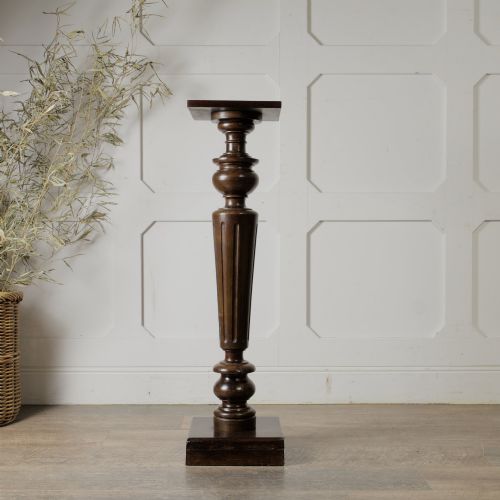
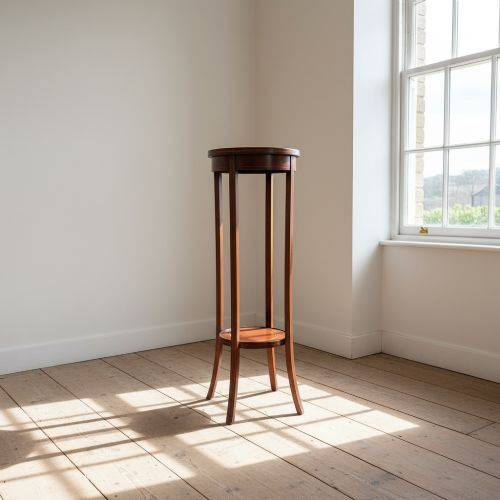
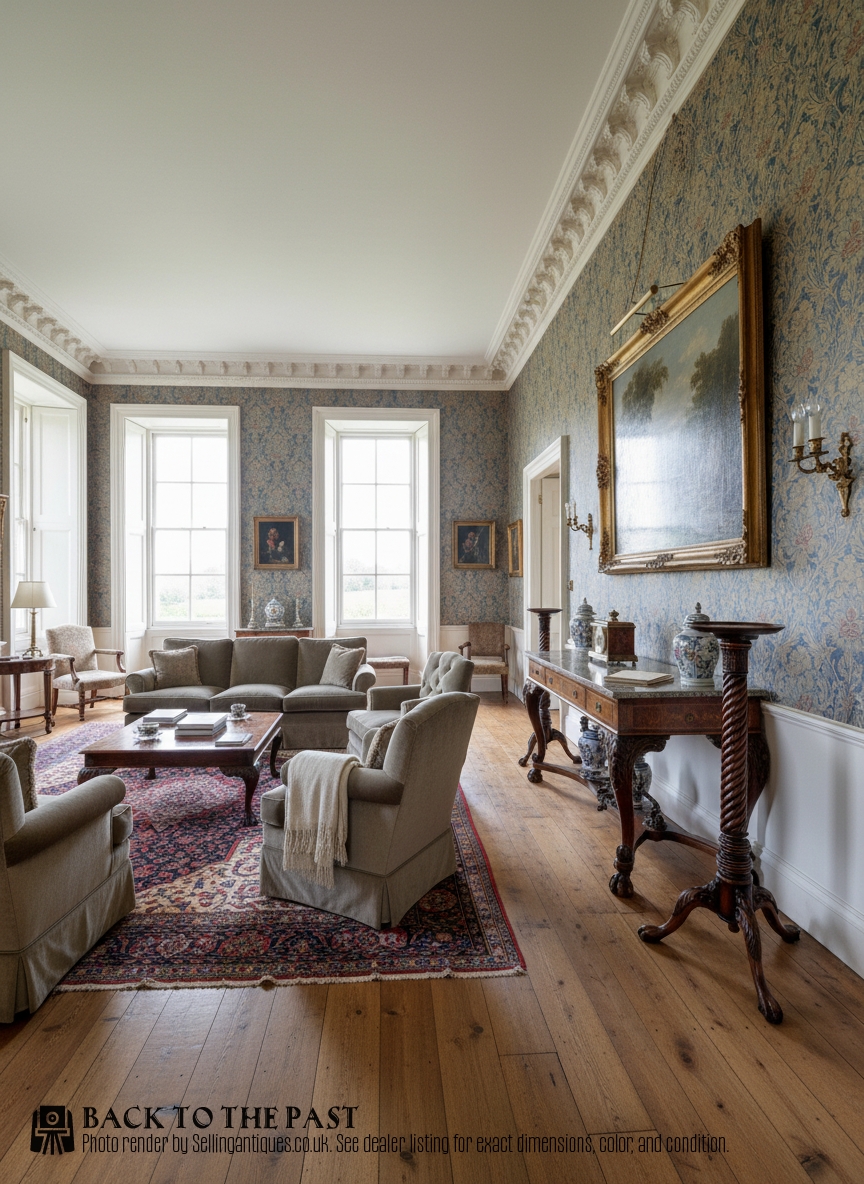
A tall mahogany column elevates a sculpture, plant or lamp with vertical presence, drawing the eye upward in any room.
Tall Mahogany Column
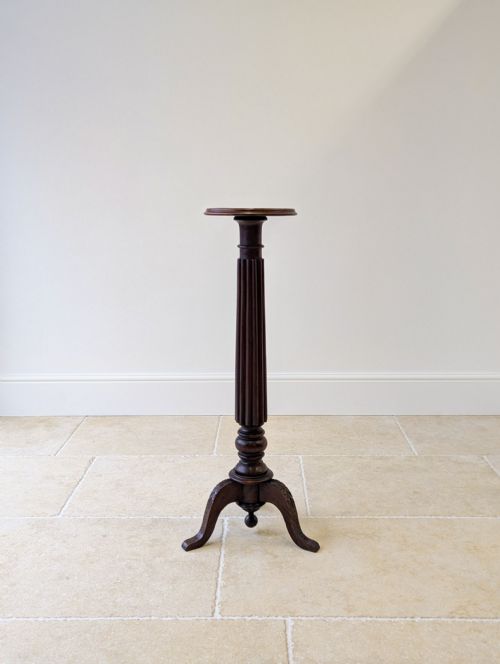
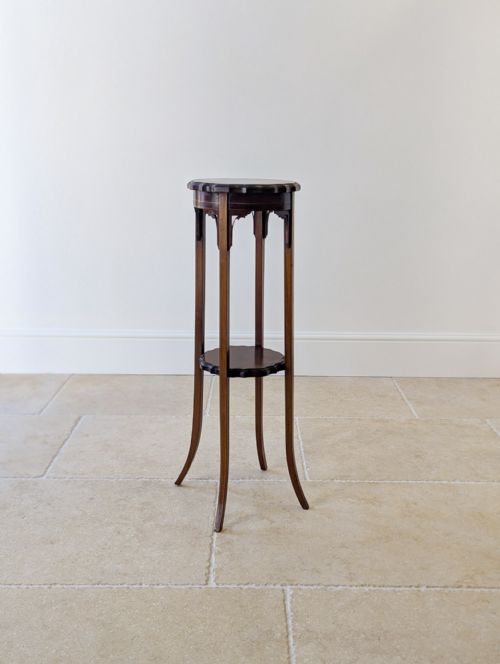
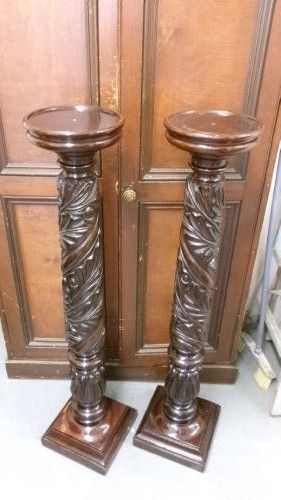
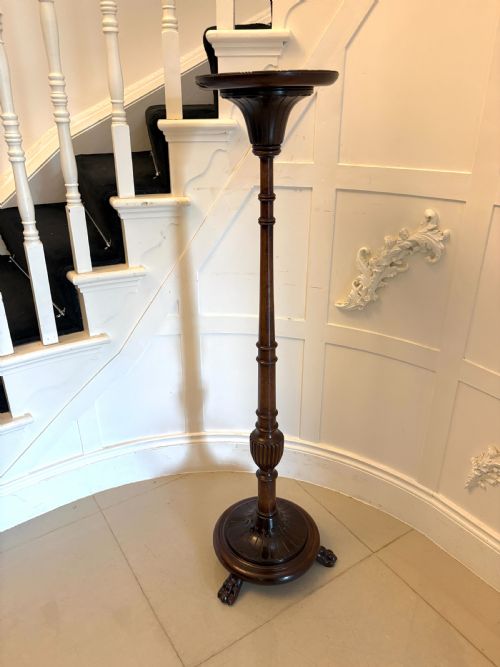
A tall mahogany column serves primarily as a torchère, plant stand or pedestal, elevating decorative objects to a prominent height within a room. When searching for a tall mahogany column, buyers encounter items dating from the nineteenth and early twentieth centuries, spanning Victorian, Edwardian and Georgian periods.
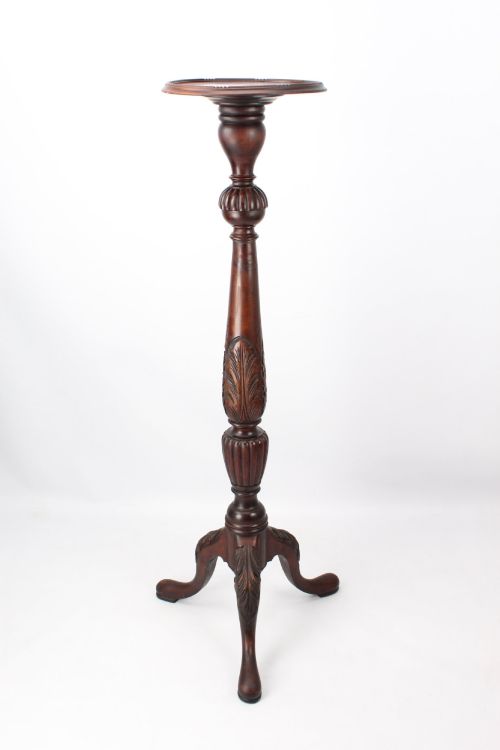
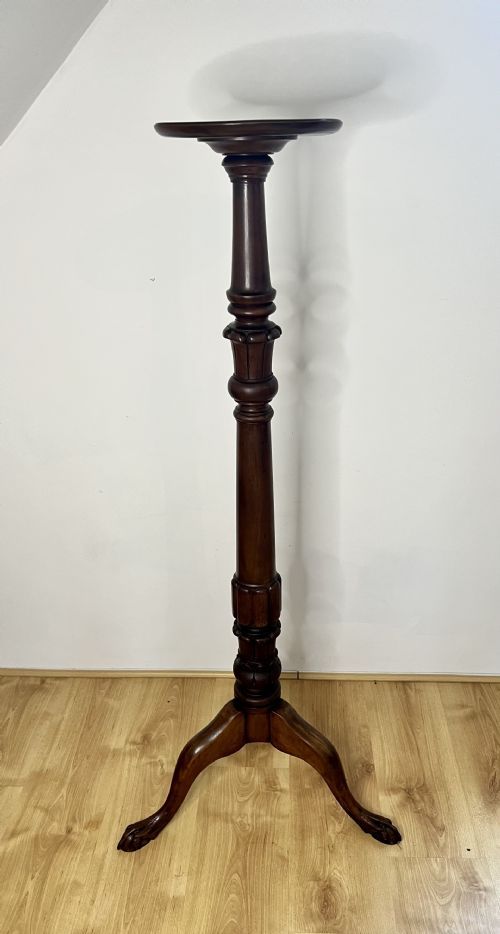
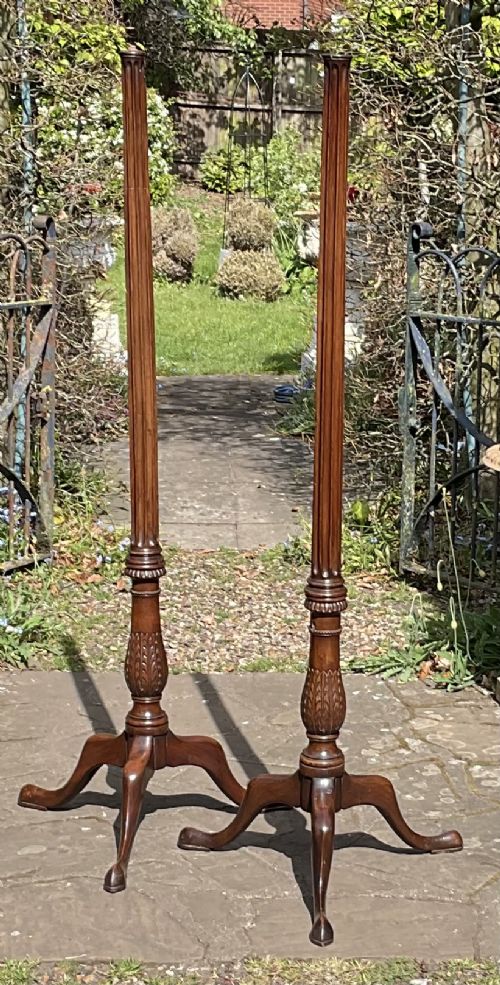
The physical forms on offer range from turned wooden plinths and slender torchères to architectural plant stands and display pedestals. Many pieces exhibit tripod bases, slender shafts or carved details characteristic of Victorian and Edwardian craftsmanship.
Originating largely from English workshops, these items utilise dense tropical hardwoods shaped into vertical supports. They function equally well in corners, hallways or reception rooms to display busts, urns and floral arrangements.
How they were made
Cabinet makers utilised solid mahogany and mahogany veneers over secondary timbers, exploiting the wood's stability and rich grain. Turning on a lathe formed the central shafts, while hand carving produced fluting, reeding and decorative capitals.
Selected examples incorporate contrasting boxwood or satinwood inlay to accent panels and borders. Brass fittings and occasional alabaster tops appear on specific pedestals, adding textural contrast to the timber construction.
What varies in quality
Construction methods dictate stability, separating robust floor-standing columns from fragile supports. Solid timber thickness and the integrity of the base assembly determine whether a tall column can safely bear heavy bronze busts or large ceramic planters.
Carving precision and timber selection define the upper tier of pieces, where crisp acanthus leaves, balanced proportions and deep figuring in the mahogany distinguish bespoke commissions from standard workshop output.
The Tall Mahogany Column Glossary
- Torchère
- A tall, slender stand designed to support a lamp, vase or bust. These elevated pieces often feature tripod bases and carved wooden columns.
- Plinth
- A heavy base or lower block supporting a column or statue. In nineteenth-century furniture, it provides crucial stability for tall vertical stands.
- Inlay
- A decorative technique where contrasting materials such as boxwood or satinwood are set into recesses flush with the mahogany surface.
- Tripod base
- A three-legged support structure commonly found beneath torchères and plant stands to ensure balance on uneven floors.
Tall Mahogany Column: Frequently Asked Questions
What is a torchère used for?
A torchère acts as an elevated platform for displaying lighting, floral arrangements, or sculptural busts in domestic interiors.
Historically designed to hold candles or oil lamps, these stands now primarily serve decorative display functions in entrance halls and reception rooms.
How do I distinguish Victorian from Edwardian stands?
Victorian columns typically display heavier carving, darker finishes, and robust proportions reflecting mid to late nineteenth-century tastes.
Edwardian pieces generally present lighter framing, simpler lines, and occasional satinwood or boxwood inlay reflecting the turn of the twentieth century.
Are these columns stable enough for heavy items?
Most solid mahogany columns with wide tripod bases or heavy weighted feet provide secure support for standard decorative objects.
However, exceptionally slender shafts require careful placement away from high-traffic areas to prevent tipping under heavy loads.
What maintenance does antique mahogany require?
Antique mahogany benefits from occasional waxing with traditional beeswax to nourish the timber and maintain a soft lustre.
Avoid placing wooden columns near direct heat sources or strong sunlight to prevent timber shrinkage and fading.