

Antique Cabinet for Collectibles
An antique cabinet for collectibles provides a focused enclosure to display small porcelain plates, cups, and miniature furniture safely.
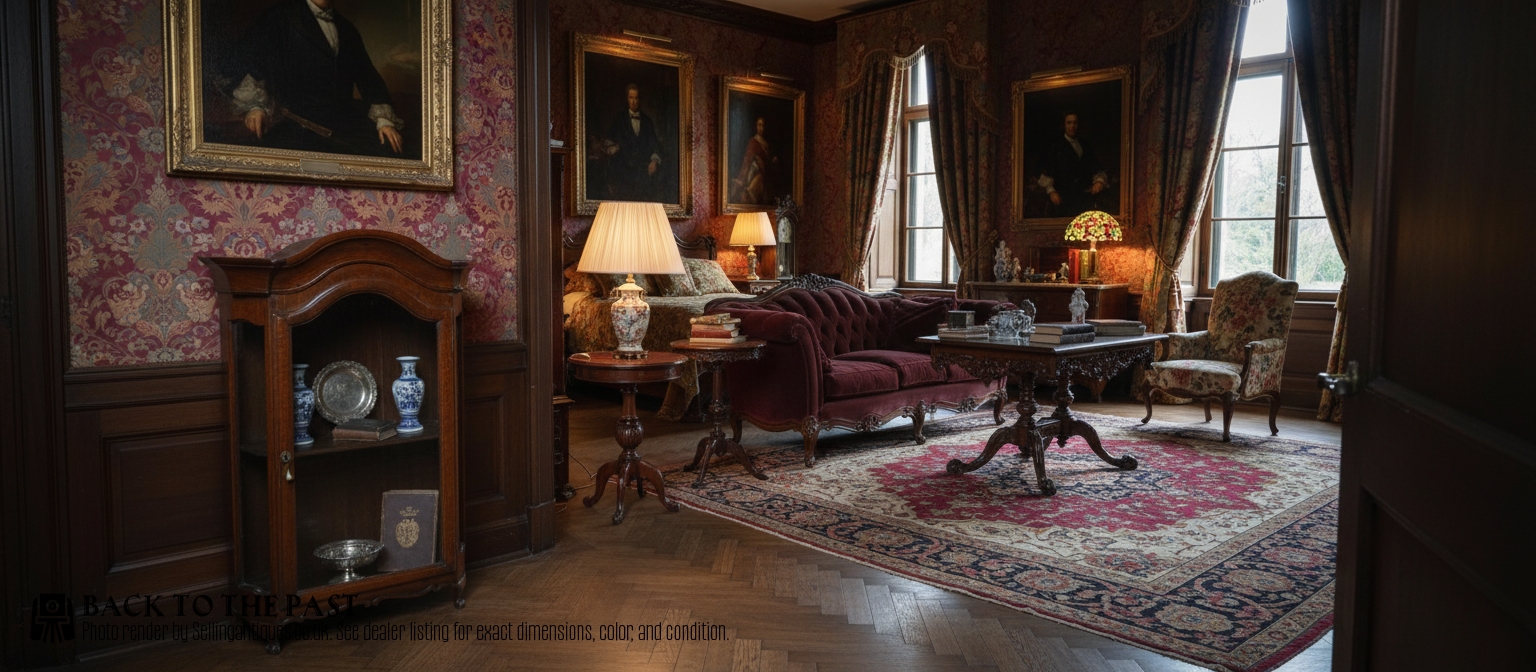
Antique Cabinet for Collectibles
When you search for an antique cabinet for collectibles, you encounter compact display furniture designed to hold plates, cups, and miniature items. The evidence shows these pieces span periods from the Georgian era through the Victorian period and into the twentieth century. Forms include table top display cabinets and miniature chests that serve the same purpose on a smaller scale.
The versions most likely to appear combine glazed enclosures or drawers with timbers such as mahogany and walnut. They protect delicate objects while keeping them visible within a room.
What varies in quality
Quality rests in the selection of timber veneers and the precision of the joinery within the small scale of the piece. Finer examples display carefully matched wood grains and well-fitted glass doors that operate smoothly.
Simpler pieces rely on basic construction without decorative veneers or specialised hardware, separating standard utility items from finer display furniture.
Listings feature items from the Georgian, Victorian, and Edwardian periods alongside mid-twentieth-century pieces.
Robert Mouseman Thompson·H & R Daniel Shrewsbury·KPM Berlin·Royal Worcester·Barr Flight and Barr·Royal Crown Derby
The Antique Cabinet for Collectibles Glossary
- Bijouterie table
- A glass-topped display table or cabinet designed specifically for small ornaments and precious objects. It elevates the collection to eye level.
- Apprentice piece
- A small-scale model of furniture created by a craftsman to demonstrate skill. These pieces often function similarly to miniature cabinets.
- Figured walnut
- Timber exhibiting a decorative grain pattern resulting from irregular growth. Cabinet makers utilised this wood for its visual depth.
- Table top display cabinet
- A compact glazed case designed to sit on a larger surface. It keeps smaller objects enclosed and dust-free.
Antique Cabinet for Collectibles: Frequently Asked Questions
What fits inside an antique cabinet for collectibles?
These compact cabinets suit small objects such as hand-painted porcelain plates, cups, and miniature furniture pieces. The internal space limits items to smaller display pieces rather than large tablewares.
Collectors typically arrange cabinet plates, miniature chests, and delicate ceramics within the enclosed shelving.
How do I date a display cabinet?
Dating relies on timber selection, construction methods, and hardware styles. Georgian and Victorian pieces show distinct joinery techniques and wood preferences compared to later twentieth-century examples.
Examining the backboards, fixings, and glass type helps confirm the period of manufacture.
Are these cabinets suitable for everyday use?
The structure of antique display cabinets accommodates regular opening and closing if handled with care. The glass and timber require standard maintenance to prevent environmental damage.
Placement away from direct sunlight preserves both the cabinet wood and any items displayed inside.
What woods were used for these cabinets?
Makers utilised dense hardwoods such as mahogany and figured walnut for cabinet construction. These materials provided durability and an attractive surface for display.
Grain patterns varied depending on the specific timber selection and veneer work applied by the maker.