



Antique Tabletop Vitrine
An antique tabletop vitrine puts small treasures and collections on proper display, keeping them safe behind glass while taking up very little room.
Antique Tabletop Vitrine
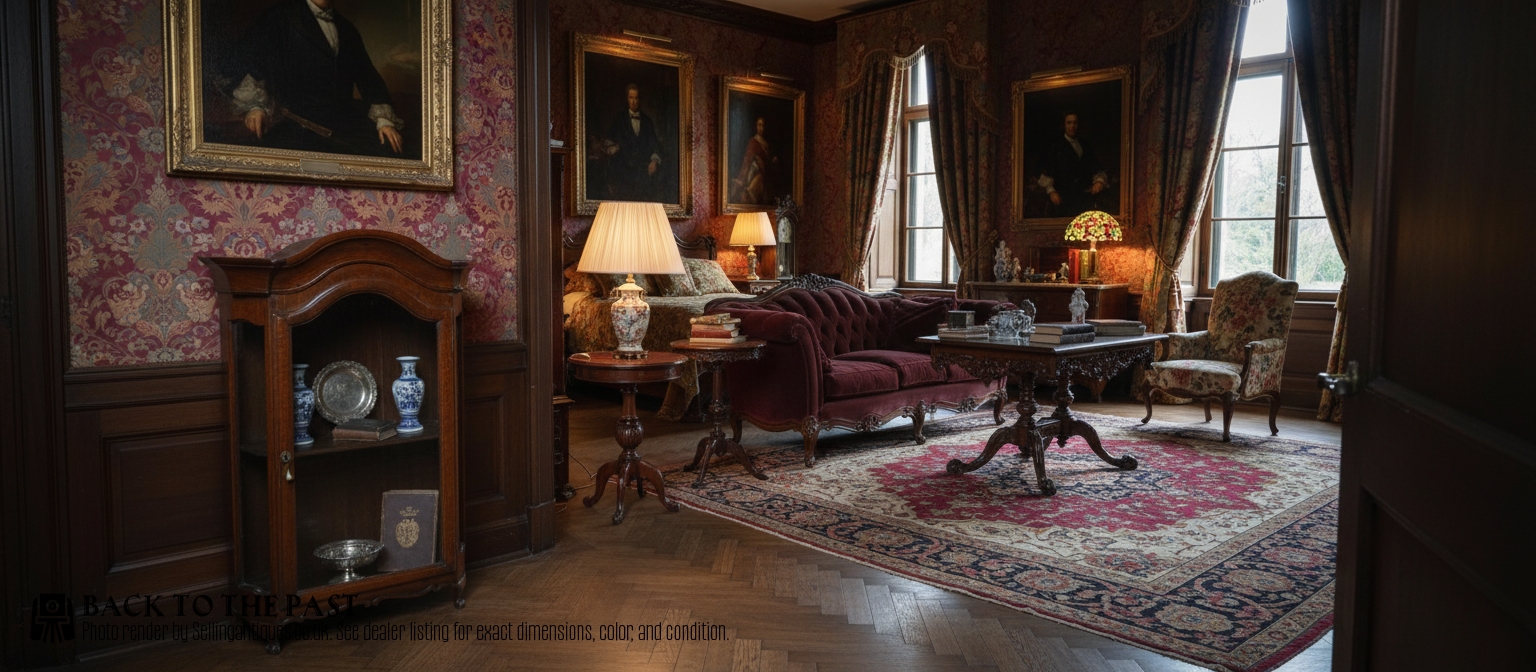
An antique tabletop vitrine gives small collections and precious objects a clear view from every side. These glazed display pieces sit neatly on counters, desks, or larger furniture rather than standing on the floor.
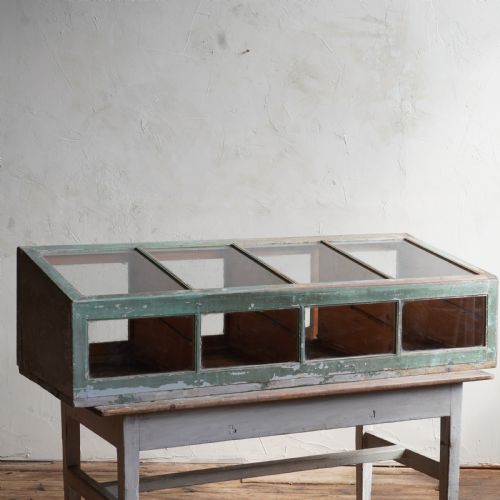
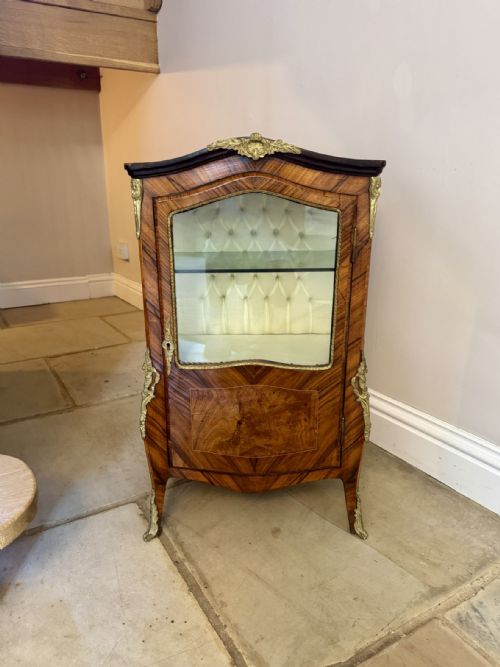
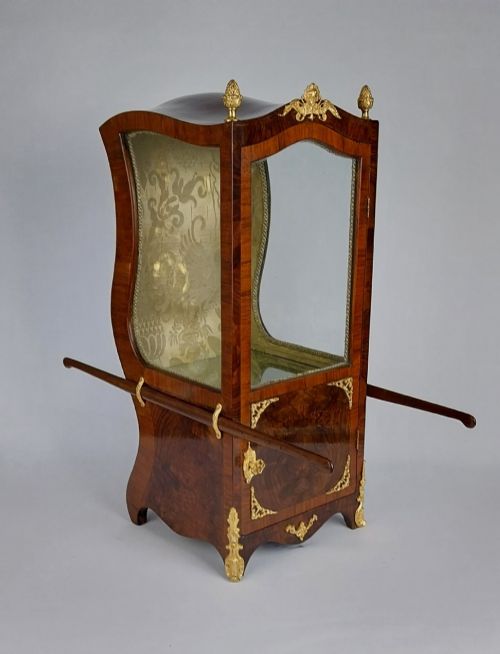
The versions met on this page span the Victorian and Edwardian eras through to the Art Deco period, moving from domestic display to shop counters. Forms range from petite French cabinets to commercial cases and apothecary units.
Makers shaped these small cabinets in styles from Louis XV and Gothic Revival to rustic industrial and clean 1920s commercial lines. They use glass and timber to frame the objects inside while keeping dust away.
How they were made
Cabinet makers built these frames from timbers such as mahogany, walnut, kingwood, oak, and ebonized wood, often adding brass or ormolu mounts for decoration. French examples sometimes featured delicate marquetry or turned barley twist supports.
Glass panels fitted snugly into timber or metal framing to create the viewing areas, while fabric linings provided a soft base for displayed items. Commercial cases often incorporated painted signage or robust brass fittings to withstand daily retail use.
Several cabinets once tempted sweet-toothed customers with vintage Fry's and Terry's of York chocolate signage before retiring to quiet display.
What varies in quality
Quality rests on the selection of timbers and the crispness of the joinery, whether in a grand French parlor cabinet or a sturdy shop counter. Finer pieces show careful attention to decorative mounts and smooth door movement.
The integrity of the glass panes and the honesty of any surface treatment, from distressed paint to polished wood, separate a well-preserved survivor from a heavily altered piece.
The Antique Tabletop Vitrine Glossary
- Ormolu
- Gilded bronze applied as an ornamental mount on furniture and cabinet work. It adds bright metallic contrast to dark woods.
- Kingwood
- A heavily figured, dense tropical wood prized for cabinet making during the nineteenth century. Its rich grain patterns suit small luxury items.
- Ebonized
- Wood treated to imitate ebony, giving a deep black finish popular in various nineteenth and early twentieth century designs.
- Barley twist
- A turning technique resembling a twisted rope, used on furniture supports and uprights during the nineteenth century and earlier periods.
Antique Tabletop Vitrine: Frequently Asked Questions
What is an antique tabletop vitrine used for?
These small cabinets are designed to hold and display delicate collectibles, small sculptures, pocket watches, or curiosities where people can easily view them.
Historically, they served both in wealthy homes for personal collections and in shops to showcase confectionery or small retail goods.
How do I date an antique tabletop vitrine?
Dating relies on observing the construction methods, timber choices, and stylistic details such as Art Deco geometry or Victorian carving.
Comparing the hardware, glass type, and overall form against known periods helps narrow down the decade of manufacture.
Where should I place a tabletop vitrine?
These cabinets sit well on top of sideboards, chests of drawers, or sturdy desks where natural light can pass through the glass panes.
Keep them away from direct sunlight and damp environments to protect the wood frames and any fabric linings inside.
Are shop display cabinets different from home vitrines?
Shop cabinets often feature commercial lettering, robust brass framing, and utilitarian designs intended for daily retail handling.
Domestic vitrines generally prioritize decorative veneers like kingwood or ornate carving suited to a parlor or drawing room.