





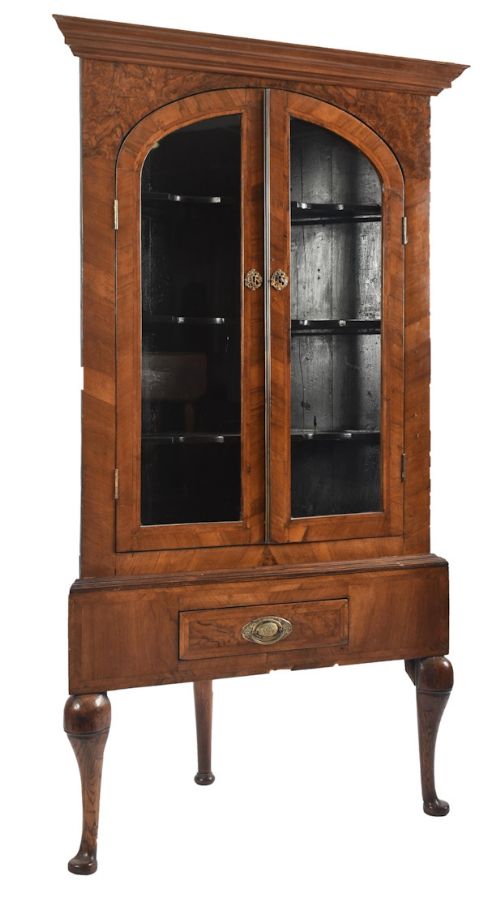
Dutch Style Display Cabinet
A Dutch style display cabinet brings architectural presence and rich marquetry into a room, offering both storage and display.
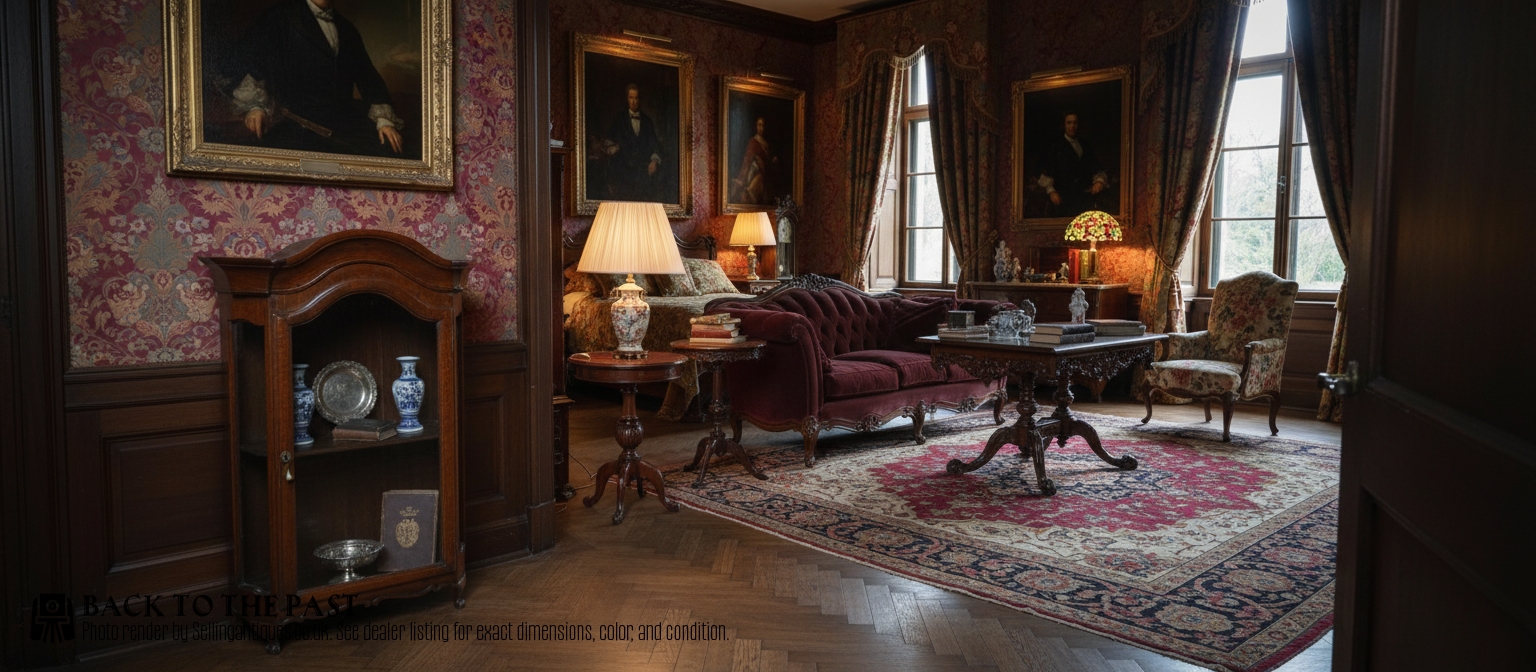
Dutch Style Display Cabinet
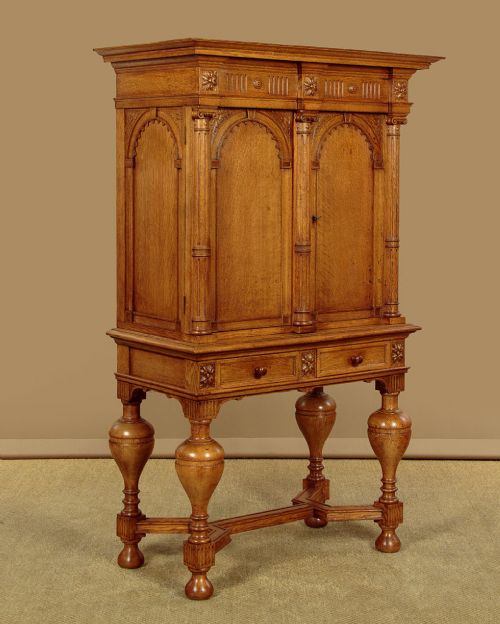
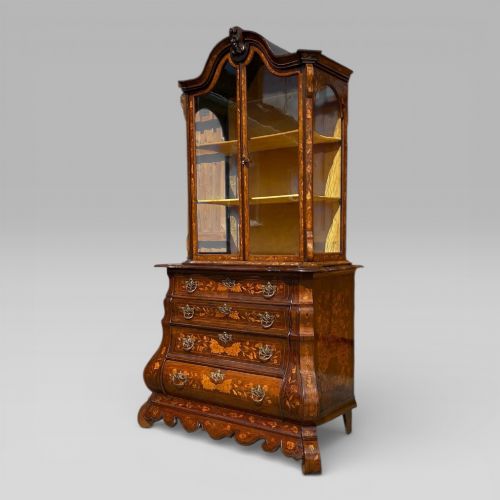
A dutch style display cabinet groups together a diverse array of glazed storage furniture spanning multiple eras and regional interpretations. You encounter forms ranging from traditional corner cupboards and wall-mounted table top display pieces to grand cabinets on stands and bombé shaped chests.
The pieces on this page trace origins across the eighteenth century, the Victorian era, and the early twentieth century, including revival pieces and colonial variations. Walnut, oak, and fruitwood marquetry form the core of what you will handle, often featuring glazed doors designed to showcase collections.
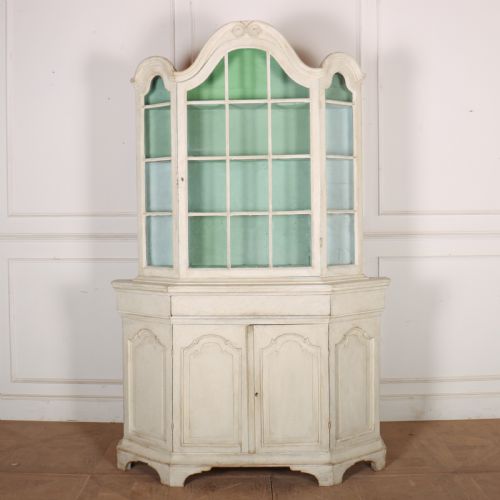
Makers such as Edwards & Roberts contribute to the higher end of the selection, reflecting a sustained British and European interest in Dutch furniture aesthetics. Whether you examine a secretaire or a painted vitrine, each variant shares a distinct lineage linked to Dutch Rococo, Baroque, and Renaissance Revival design.
How they were made
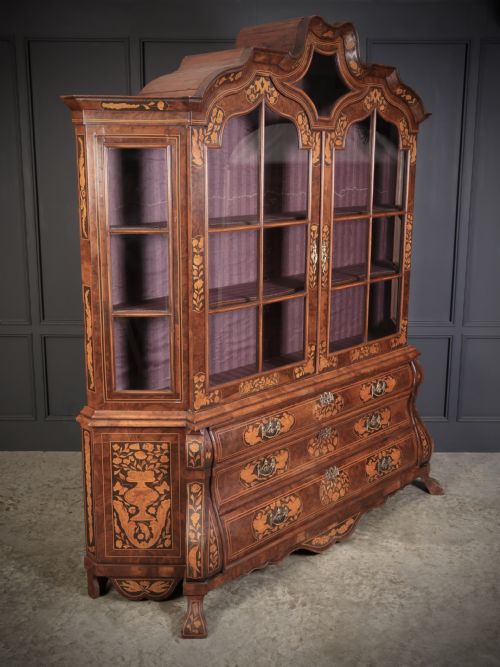
The construction of these pieces relies heavily on cabinet woods such as walnut, oak, fruitwood, and ebony, frequently enhanced by intricate marquetry inlay. Artisans shaped timber into bombé profiles and straight-lined carcases, pairing solid structural frames with decorative veneers.
Glazing forms a central element, requiring skilled joinery to set glass panes within timber doors for display cabinets and vitrines. Brass hardware, including handles and escutcheons, provides functional detailing across eighteenth-century and later revival examples.
Samuel Pepys makes an unexpected cameo in an ebony cabinet title, proving even seventeenth-century diarists cast long shadows in walnut.
What varies in quality
The sophistication of the marquetry and the precision of the cabinetwork separate standard production from exceptional pieces. Finely cut fruitwood veneers and well-proportioned bombé shaping demonstrate superior craftsmanship by workshops like Edwards & Roberts.
The choice of primary timber, from plain pine and painted wood to figured walnut and colonial ebony, dictates the visual weight and status of the cabinet. Original glazing, intact brass fittings, and structural integrity across the stand or base further distinguish the upper tier of pieces.
Edwards & Roberts
The Dutch Style Display Cabinet Glossary
- Marquetry
- Decorative inlay work using various coloured wood veneers to create pictorial or geometric patterns on furniture surfaces. This technique defines the visual appeal of many eighteenth-century and revival pieces.
- Bombe
- A bulging or swelling outward contour on the lower portion of a cabinet or chest. This distinctive shape requires advanced woodworking skill to execute properly.
- Vitrine
- A glass-fronted display cabinet specifically designed for exhibiting porcelain, curiosities, or small objects. The term derives from the French word for glass.
- Secretaire
- A writing cabinet featuring a fold-down or pull-out desk flap concealing small drawers and pigeonholes. It combines functional workspace with storage or display.
- Corner Cupboard
- A storage unit built or shaped to fit precisely into the corner of a room. These pieces make efficient use of space while providing glazed display areas.
Dutch Style Display Cabinet: Frequently Asked Questions
What is a dutch style display cabinet?
A dutch style display cabinet is a glazed storage piece rooted in eighteenth-century Dutch design, often characterised by rich marquetry and curved forms. These cabinets range from tabletop models to large furniture on stands.
They reflect various periods including the Victorian era and the 1930s revival movements, incorporating materials such as walnut, oak, and fruitwood.
How were these cabinets used?
Historically, these cabinets served to store and display valuable possessions, ceramics, and books behind glass doors. Secretaire variants also provided a dedicated surface for writing and correspondence.
In modern interiors, they continue to function as focal points for displaying collections while offering enclosed lower storage in chests or stands.
How do I live with a marquetry cabinet?
Living with a marquetry cabinet involves placing it away from direct sunlight and sudden temperature shifts to protect the delicate wood veneers. Regular dusting with a dry cloth keeps the polished surfaces in good condition.
Ensure the floor is level, particularly with heavier items like bombé shaped cabinets, to maintain the alignment of doors and drawers.
How can I tell the periods apart?
Dating these cabinets requires looking at construction methods, timber choices, and stylistic revival cues. Eighteenth-century originals often feature hand-cut veneers and period brassware, whereas 1920 and 1930 revival pieces adopt earlier aesthetics with twentieth-century manufacturing traces.
Victorian and Edwardian interpretations blend Dutch Baroque or Rococo motifs with nineteenth-century cabinetmaking standards.