


Oak Tabletop Display Cabinet
These oak tabletop display cabinet examples bring timber warmth and glass panes to your desktop, holding small collections in clear view.
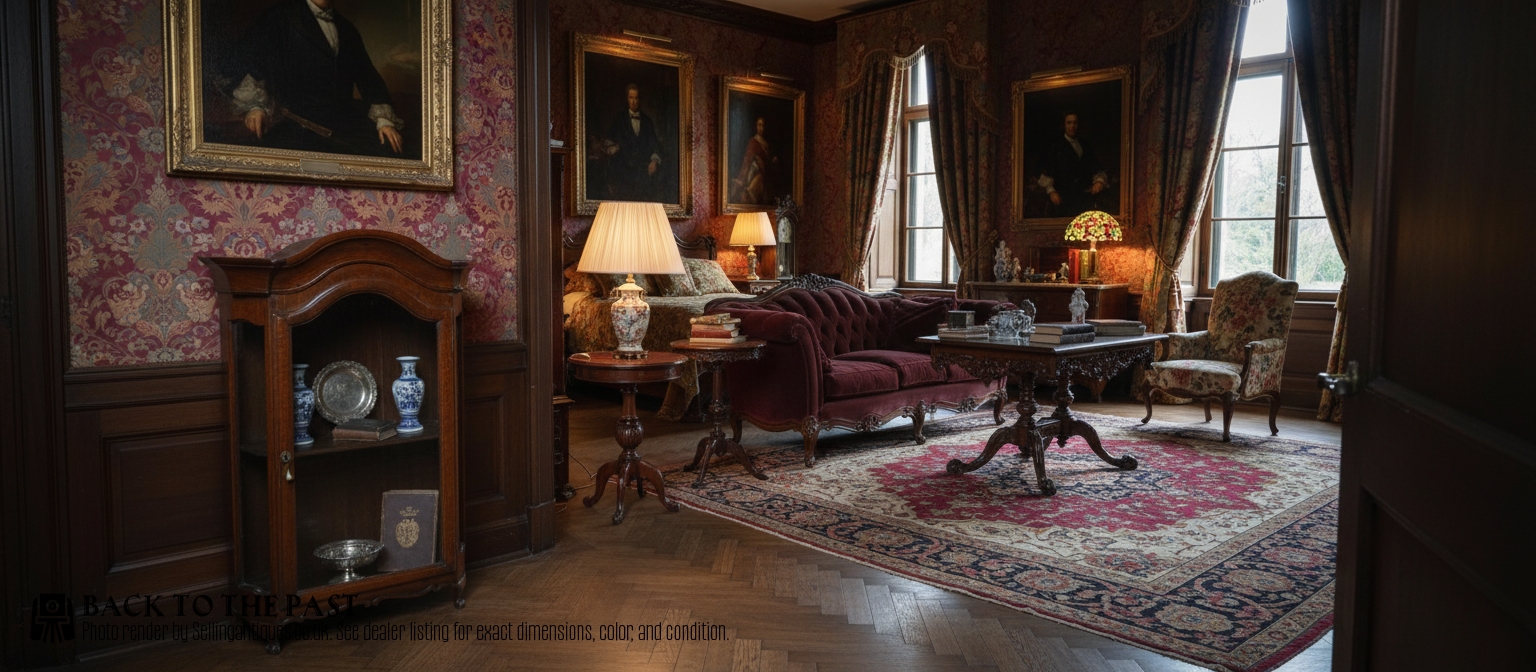
Oak Tabletop Display Cabinet
An oak tabletop display cabinet is a compact glazed showcase designed to sit on a counter, desk, or table rather than stand on the floor. When you search for an oak tabletop display cabinet, you meet pieces originating from the nineteenth century, the Victorian and Edwardian eras, through to the nineteen-twenties and nineteen-thirties.
Forms vary from haberdashery and needle drawer units to smokers cabinets, watchmaker pieces, and small cupboards. Styles span across Gothic Revival, Victorian Dutch, Art Deco, and commercial interwar designs.
The version you most frequently encounter on this page is the early twentieth century or Edwardian countertop display case, often built for commercial shop use or specialist trades.
Materials and construction
Carpenters built these miniature showcases primarily from solid oak frames housing glass viewing panels, occasionally mounting brass hinges, catches, and handles. Interior compartments sometimes incorporate fabric linings, wooden drawers, or ceramic fittings.
Joinery methods reflect the period of manufacture, ranging from traditional nineteenth century framing to interwar commercial production techniques.
One unusual pair of small cabinets on record was constructed directly from the timber of the vessel HMY Osborne.
Judging quality in tabletop cabinets
Quality rests in the timber selection, the clarity and proportion of the glazing bars, and the integrity of the original hardware such as brass handles and locks. Finer examples retain their original glass and interior fittings without heavy alteration.
Commercial provenance, such as specialised watchmaker or draper configurations, distinguishes utilitarian boxes from more sophisticated display furniture.
Manoah Rhodes And Sons Ltd
The Oak Tabletop Display Cabinet Glossary
- Countertop
- A furniture format intended to rest upon a shop counter or table surface. These pieces place small goods at eye level for customers.
- Haberdashery
- A style of cabinetry originally designed for sewing notions, cottons, and small drapery goods. They typically feature multiple shallow drawers beneath glass display sections.
- Barley Twist
- A turned woodwork motif resembling a spiralling rope. This decorative column style appears on nineteenth century cupboard frames.
- Gothic Revival
- An architectural and decorative style drawing on medieval pointed arches and structural motifs. It surfaces on nineteenth century case pieces.
- Smokers Cabinet
- A specialised small cupboard fitted for pipes and tobacco storage. They frequently include small internal drawers and rack fittings.
Oak Tabletop Display Cabinet: Frequently Asked Questions
What were tabletop cabinets used for?
Merchants and specialists used these miniature showcases to protect and present small merchandise to customers on shop counters. Jewellers, watchmakers, and drapers relied on them to keep delicate stock visible yet secure.
Today, collectors repurpose them to display small curiosities, pocket watches, minerals, or ceramics in a domestic setting.
Are these cabinets purely for commercial use?
While many started life in shops, drapers' stores, or watchmaker workshops, domestic variations like pipe smoking cabinets were made specifically for private homes. They served gentlemanly pursuits in studies and smoking rooms.
Modern collectors place both commercial and domestic variants on desks, sideboards, and tables.
How do I clean an oak display case?
Maintain the oak framework with a soft, dry cloth and occasional application of traditional beeswax to nourish the timber grain. Avoid modern chemical sprays that can strip older finishes.
Clean the glass panes gently with a mild glass cleaner applied to a cloth rather than directly sprayed near the wood joints.