


Victorian Oak Display Case
A victorian oak display case brings together timber and glass to hold books, instruments and collections.
Victorian Oak Display Case
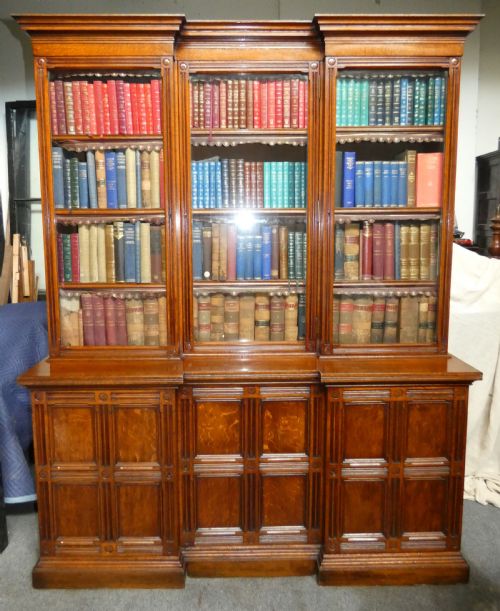
When you search for a victorian oak display case, you encounter functional furniture designed to exhibit objects while protecting them from dust. The pieces appearing here range from tall library bookcases and breakfront cabinets to counter-top showcases and wall shelves.
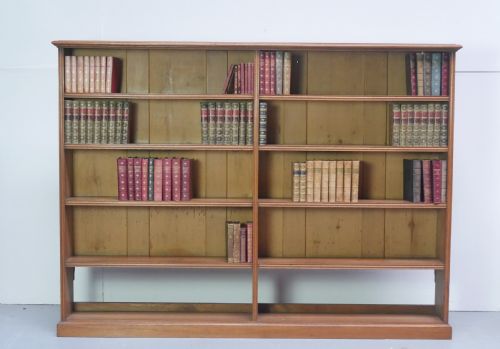
You are most likely to meet glazed oak cabinets from the latter half of the nineteenth century, often fitted with adjustable shelving. Forms span from simple open bookcases to carved cabinets influenced by Gothic revival and Dutch styles.
Materials and Construction
Makers utilised solid oak alongside beech and pollard oak, framing transparent glass panels with brass hardware and fitted fabric or paper linings. Timber frames were frequently carved in Gothic or Romanesque manners.
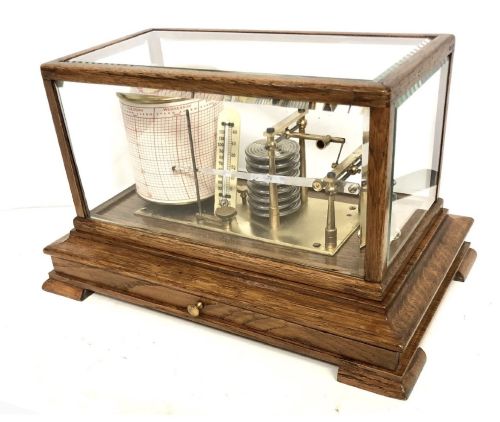
Construction methods relied on sturdy joinery to support heavy glass doors and numerous books or scientific instruments like barographs. Interiors often incorporated adjustable wooden shelves and dedicated drawer compartments.
Listings feature oak paired with glass, brass, feathers, and fabric across Victorian, Edwardian, and Gothic revival styles.
Factors of Quality
The standard of a piece depends upon the depth of the carved detailing, the clarity of the bevelled glass and the grain of the oak timber selected by the cabinetmaker. Substantial breakfront libraries and pieces bearing specific provenance sit at a different level from utilitarian shop counters.
Superior execution shows in the crispness of architectural mouldings, the smooth operation of glazed doors and the integration of internal elements like chart drawers and brass thermometer mountings.
Negretti and Zambra
The Victorian Oak Display Case Glossary
- Barograph
- A recording barometer housed in a wooden case with glass panels. It plots atmospheric pressure onto paper charts using a mechanical arm.
- Breakfront
- A cabinet design where the central section projects forward from the flanking wings. This architectural layout creates depth and visual weight in larger library pieces.
- Astral glazed
- Window panes divided into geometric segments by slender wooden glazing bars. This framing technique characterises many nineteenth-century cabinet doors.
- Pollard oak
- Timber taken from trees that were pollarded, resulting in a dense, highly figured grain pattern. Cabinetmakers utilised this wood for decorative veneering.
- Romanesque manner
- A revival style drawing on medieval rounded arches and heavy masonry forms. Furniture in this mood employs robust proportions and formal carved motifs.
Victorian Oak Display Case: Frequently Asked Questions
What fits inside these cabinets?
These pieces house libraries, scientific instruments, taxidermy specimens and fragile curiosities behind protective glass doors.
Adjustable shelving allows the interior space to accommodate volumes of varying heights alongside display domes and framed feathers.
How do I distinguish Victorian from Edwardian pieces?
Victorian examples frequently display heavier carved ornamentation, deep oak tones and architectural revival styles such as Gothic or Romanesque.
Edwardian pieces tend toward lighter proportions and simpler framing while maintaining similar oak and glass construction methods.
Where were these cabinets placed originally?
Such furniture stood in home libraries, studies, school rooms and commercial shops for public or private viewing.
Counter-top and wall-mounted versions served retail spaces, while grand breakfront bookcases anchored domestic reception rooms.
How do I care for the oak and glass?
Maintain the timber by keeping the oak away from direct heat sources and sudden humidity shifts.
Clean the glass panes with standard solutions while protecting interior fabric linings and paper charts from moisture.